How to Invest in Index Funds in Australia (2025 Guide)
Quick look at investing in index funds
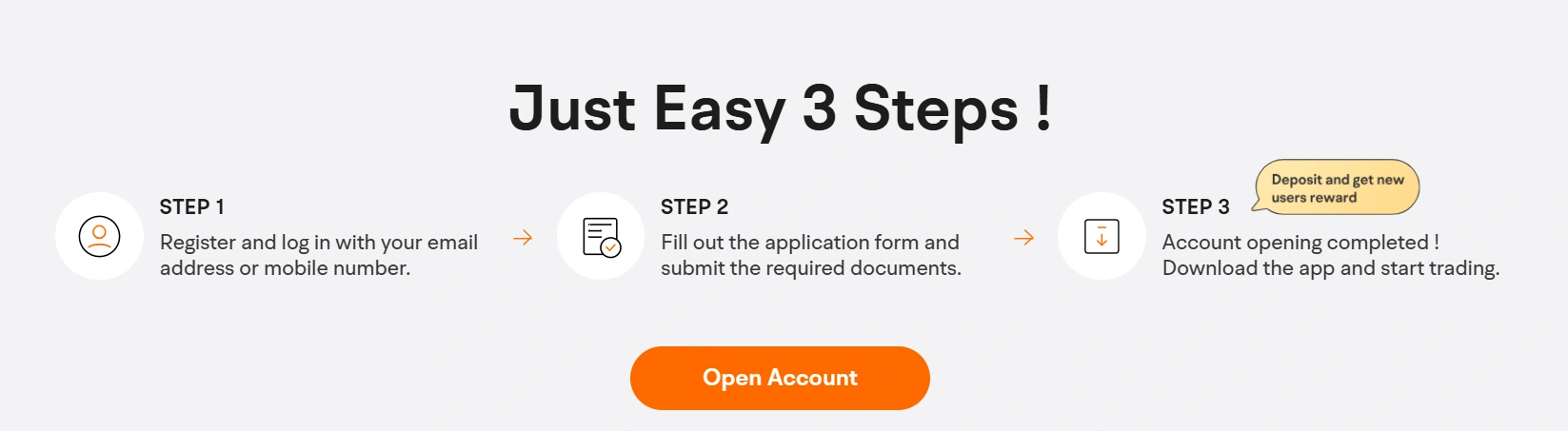
Pick a trusted online broker, like moomoo.
Create an account and complete identity verification online.
Deposit money into your account.
Search for an index ETF.
Check performance, set order type, and confirm purchase.
In today's volatile financial markets, finding an investment tool that can provide stable returns and cost-effectiveness is particularly important. For many investors, index funds have become an ideal choice to achieve this goal. Index funds track specific market indices, offering investors a simple, transparent, and low-cost way to participate in the growth of the stock market or other asset classes. In Australia, as the financial market matures and investors recognise passive investment strategies, the popularity of index funds continues to rise.
This article will explore what index funds are and how to effectively invest in index funds in Australia, exploring the best ASX index funds. Read on to discover how you can start investing in index funds in Australia in 2025.
What are Index Funds?
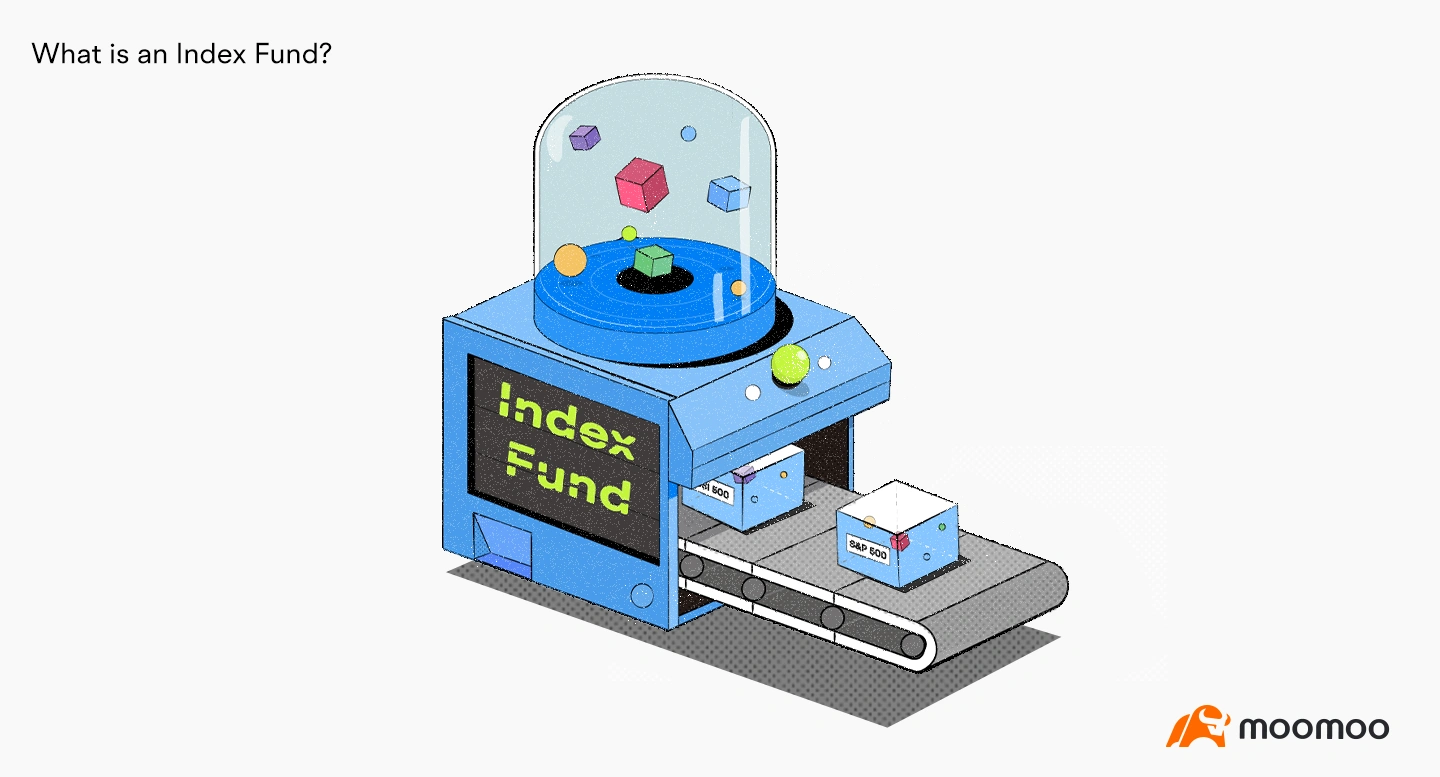
Index funds are a type of investment fund designed to replicate the performance of a specific market index. Rather than trying to outperform the market, these funds aim to match the returns of the index they follow. For instance, if you invest in an exchange-traded fund (ETF) that tracks the ASX 200—referred to on some platforms as the Australia 200—you gain exposure to the collective performance of all the companies included in that index.
In the Australian market, investment funds are typically grouped by two main factors: how they’re traded and how they’re managed.
Traded on-exchange: These funds are listed on public stock exchanges, which means you can buy and sell them during trading hours at real-time market prices. This setup provides greater price transparency and faster execution, especially in liquid markets.
Traded off-exchange: These are purchased directly through the fund manager instead of on a stock exchange. Trades are processed once per day based on the fund’s net asset value (NAV), so prices aren’t updated in real time like they are with ETFs.
Investment funds can be grouped based on how they're traded (on or off the exchange) and how they're managed (active or passive):
Trading Method | Management Style | Example |
On-exchange | Passive | Exchange-traded funds (ETFs) |
On-exchange | Active | Real estate investment trusts (REITs) |
Off-exchange | Passive | Traditional index funds |
Off-exchange | Active | Managed funds (unit trusts) |
If you're looking to invest in funds that mirror an index's performance (passive investing), you typically have two main options:
ETFs – These are traded on the stock exchange and allow real-time buying and selling during market hours.
Traditional index funds – These are purchased directly from fund managers and are priced once daily based on net asset value.
How to invest in Index Funds in Australia
Investing in Australian index funds is a simple and efficient way of passive investing that can help investors achieve diversified investments and long-term appreciation. In Australia, using an online trading platform like moomoo can conveniently facilitate investments in ASX index funds.
Here are the detailed steps on how to invest in index funds in Australia:
Step 1: Discover more information of index funds and why investors choose them
Index funds are a popular choice for gaining exposure to a wide range of assets through a single investment. By spreading your money across different companies, sectors, regions, and market capitalisations, they help reduce the impact of any single underperforming asset — a concept known as diversification.
These funds not only offer broad market coverage, but they also tend to be more cost-effective than building a portfolio of individual shares, bonds, or other securities. Keep in mind, though, that while index funds are generally considered lower risk, all investments involve some level of risk, and past returns are not a reliable indicator of future performance.
Step 2: Choose the type of index you want to track
After deciding to invest in index funds, the next step is to determine which type of index you are interested in. Below, we've provided some examples of funds and the indices they track:
Index Fund Type | What It Tracks |
Equity index funds | Share market indices like the ASX |
Bond index funds | Fixed-income indices, such as the U.S. Treasury Index |
Balanced index funds | A mix of both shares and bonds |
Market cap-weighted funds | Indices weighted by company size, like the S&P 500 |
Equal-weighted funds | Indices where each component has the same weighting |
Global index funds | International markets, including Nasdaq, FTSE, Hang Seng, etc. |
Sector-specific funds | Industry-based indices, such as technology or healthcare sectors |
You’re not limited to one category — combining different types of index funds can offer even greater diversification. For example, you might split your investment between international and bond index funds for broader market exposure.
Step 3: Determine your investment goals
Before investing in index funds in Australia, it's essential to clarify your investment objectives. If your goal is long-term capital appreciation, you can choose index funds that track broad market indices. If you seek stable dividend income, you can choose ETFs or bond index funds focused on high-yielding stocks. Additionally, understanding different types of index funds, such as equal-weighted ETFs, can help you better select products that align with your investment strategy. Also, checking management and transaction fees is an important step. Choosing ETFs with lower management fees can reduce long-term investment costs.
Step 4: Choose a trading platform and screen investment targets
Selecting an appropriate trading platform is a key step in investing in index funds. Moomoo is a popular online trading platform that offers convenient investment tools and resources. Utilising moomoo's search function and screener can help investors screen different attributes of index funds based on their investment objectives. Through moomoo, investors can access various information about index funds, such as the tracked indices, management fees, historical performance, etc., which assists in screening investment targets and making decisions.
Step 5: Fund your account and buy an index fund
Once your trading account is set up, the next step is to deposit funds so you can start investing. Most platforms accept bank transfers, and some allow instant deposits. After your funds are available, search for the index fund or ETF you’re interested in — for example, an S&P 500 ETF like SPY or VOO.
Check the current price, review the fund’s performance and details, then place your buy order. You can usually choose between a market order (buy at the current price) or a limit order (set your own price). Once the order is confirmed, the fund will appear in your portfolio.
Step 6: Put your strategy into action and stay committed
The key to successful index investing lies in staying consistent for the long haul — even during market downturns or uncertain periods. One effective approach is dollar-cost averaging, where you invest a set amount at regular intervals, regardless of market conditions. This can help smooth out the impact of short-term volatility and reduce the risk of mistiming the market. The most important thing is to stay disciplined and stick with your plan over time.
To start investing Index Funds in Australia, you can easily open an account with moomoo>>
List of popular Australian index funds
Here are some index funds available for Australian investors:
Vanguard Australian Shares Index ETF (VAS)
iShares Core S&P 500 ETF (IVV)
Betashares Australia 200 ETF (A200)
iShares Core S&P/ASX 200 ETF (IOZ)
VanEck Australian Equal Weight ETF (MVW)
iShares Core Composite Bond ETF (IAF)
Vanguard Australian Shares Index ETF (VAS)
Vanguard Australian Shares Index ETF (ASX: VAS) is one of Australia's most popular and largest exchange-traded funds, offering investors low-cost, diversified exposure to the top 300 companies listed on the ASX. It tracks the S&P/ASX 300 Index and is suitable for long-term investors seeking capital growth and dividend income.
iShares Core S&P 500 ETF (IVV)
The iShares S&P 500 ETF is an ASX-listed fund that offers Australian investors access to the 500 largest publicly traded companies in the U.S. market. Its portfolio includes major names with significant market capitalisation, such as Tesla (TSLA), Amazon (AMZN), and Microsoft (MSFT).
Betashares Australia 200 ETF (A200)
The BetaShares Australia 200 ETF provides exposure to the performance of the ASX 200 Index, which represents the 200 largest companies listed on the Australian Securities Exchange by market capitalisation.
iShares Core S&P/ASX 200 ETF (IOZ)
The iShares Core S&P/ASX 200 ETF aims to deliver investment returns that closely match the performance of the S&P/ASX 200 Accumulation Index, offering weighted exposure to Australia's top 200 companies.
VanEck Australian Equal Weight ETF (MVW)
VanEck Australian Equal Weight ETF offers investors diversified exposure to over 60 of Australia's largest and most liquid companies, with each holding equally weighted. This strategy reduces concentration risk in specific stocks and sectors, aiming to provide balanced performance across the Australian equity market.
iShares Core Composite Bond ETF (IAF)
The iShares Core Composite Bond ETF (ASX: IAF) is a low-cost, diversified fund that tracks the Bloomberg AusBond Composite 0+ Yr Index, providing exposure to a broad range of Australian investment-grade fixed income securities, including government, semi-government, supranational, and corporate bonds.
Note: Expense ratios are subject to change and may vary based on the fund provider. It's advisable to consult the official fund websites or financial advisors for the most current information and to assess suitability based on individual investment goals and risk tolerance.
Pros and cons of index fund
Benefits of Investing in Index Funds | Limitations of Investing in Index Funds |
|---|---|
Helps build a well-diversified portfolio, reducing overall risk | Delivers returns in line with the market, won’t outperform it |
Wide variety of fund types available for different investor needs | Declines in the market will impact the fund equally |
Tends to outperform actively managed funds over extended periods | Investors have no say in which individual stocks are included |
Lower management costs due to passive strategy | Potentially lower gains in the short term |
Requires less ongoing analysis than selecting individual shares |
Pros of investing in index funds
Diversification with ease: Index funds automatically spread your investment across a wide range of securities, helping to reduce the risk associated with individual companies or sectors.
Broad range of options: Investors can choose from a variety of index funds that track different markets, sectors, asset classes, or regions—whether it’s the ASX 200, S&P 500, or global ESG indices.
Long-term performance advantage: Historically, many index funds have outperformed actively managed funds over long time horizons due to their consistent strategy and lower costs.
Cost efficiency: As index funds are passively managed, they tend to have significantly lower management fees and expenses than actively managed funds, allowing investors to keep more of their returns.
Transparency: Index fund holdings and strategies are easy to understand and are usually published daily, allowing investors to know exactly what they own at any given time.
Simplicity and time-saving: Because the funds follow a preset index, they require less ongoing research and active decision-making, which is especially beneficial for time-poor investors.
Lower turnover and tax efficiency: Index funds generally have lower portfolio turnover, which can result in fewer capital gains distributions and better after-tax returns for investors.
Cons of investing in index funds
No potential to outperform the market: Since index funds are designed to replicate market returns, they won't beat the market—even if certain individual stocks within the index perform exceptionally well.
Vulnerability to market-wide downturns: If the overall market or tracked index declines, index fund values will also fall, as they are not actively managed to avoid losses.
Lack of control over holdings: Investors have no say in the selection or weighting of specific stocks within the index, which can be frustrating if they disagree with a company’s inclusion.
Limited downside protection: Index funds cannot adjust their holdings in response to market volatility, economic changes, or sector underperformance, which active managers might do.
How to choose the right index fund?
Finding the right index fund comes down to aligning the fund’s characteristics with your personal financial goals, comfort with risk, and investment timeframe. There's no one-size-fits-all solution — what works for one investor may not be ideal for another.
Before you commit, it's wise to evaluate your overall investment objectives. Are you aiming for long-term growth, capital preservation, or steady income? Also, consider how much market fluctuation you're willing to tolerate and how long you plan to stay invested.
Consulting with a financial adviser can help clarify your strategy and identify suitable index funds that align with your goals. They can help you navigate the wide range of indices available — from those tracking large-cap companies to funds focused on specific regions, sectors, or asset classes.
For example:
If you’re interested in commodities, you might consider a commodity index fund, which gives you price exposure to assets like gold or oil — without the hassle of physically storing them.
If you're more conservative, a bond index fund might be a better fit. These funds typically experience less volatility than equities, but they also tend to offer more modest returns.
Start trading Australian Index Funds
Index funds are a low-cost, diversified, and highly transparent investment tool that provides investors with broad market coverage by replicating the performance of specific market indices. Depending on the indices they track, index funds may hold various types of underlying assets, offering a diversified investment profile suitable for investors with different investment objectives. However, investing in index funds in Australia also has some drawbacks and risks, such as limited return potential, market volatility risks, and lack of flexibility.
Frequency Asked Questions
How much money do you need to invest in Index Funds in Australia?
Investing in index funds in Australia typically requires a relatively low minimum amount, making it suitable for investors of all sizes. ASX requires investors to invest a minimum of A$500 (excluding brokerage fees) when purchasing any Australian-listed securitiy shares and index funds.
How do Index Funds Work?
The working mechanism of index funds in Australia is as follows: Passive management: Unlike actively managed funds, index funds adopt a passive management approach. Their primary goal is to match the performance of the index, not to outperform it. Diversified investment: By tracking market indices, index funds provide immediate diversified investment. This reduces the specific risks associated with investing in individual stocks and spreads the investment risk exposure across multiple industries and companies. Investment process: Investors have the option to acquire shares in index funds either through a brokerage account or by dealing directly with the fund provider. The value of each share in an index fund is established by its Net Asset Value (NAV), a figure that is derived at the close of trading each day. For Exchange Traded Funds (ETFs), the price fluctuates throughout the trading day based on supply and demand.
How do you buy an index fund in Australia?
To buy an index fund in Australia, you need to open an account on share trading platforms. A great option for beginners and time-poor investors is moomoo — an intuitive trading app that provides: - Easy access to both Australian and international index funds (like ASX 200, S&P 500, Nasdaq 100) - Real-time market data and in-depth analysis tools - Low brokerage fees and commission-free trading promotions for U.S. markets - A clean, mobile-first design tailored for investors on the go
This presentation is for informational and educational use only and is not a recommendation or endorsement of any particular investment or investment strategy. Investment information provided in this content is general in nature, strictly for illustrative purposes, and may not be appropriate for all investors. Read more