What Is an Initial Public Offering (IPO)?
Key Takeaways
IPO is a way of raising funds without a loan.
An IPO is a company's transition to a publicly traded stock.
Due to limited public information, investing in an IPO may be risky.
Understanding an IPO
An initial public offering is a process by which companies issue their shares to the public for the first time on a stock exchange. Put simply, it’s a transition from a private company to a public company.
Why is there an IPO? From the companies' point of view, they can raise additional capital by selling their shares to the public for future expansion. For investors, they can invest and share in the profits of publicly-traded companies.
If the IPO performs well in the market, it's a win-win situation for both parties. However, all investments involve risks. Stock issuance is no exception. Please read the prospectus carefully before buying a new stock.
Example
Snap went public on March 2, 2017, with an offering price of $ 17 per share under the ticker of SNAP. It opened at $24 in its market debut, with a market capitalization of about $33 billion.
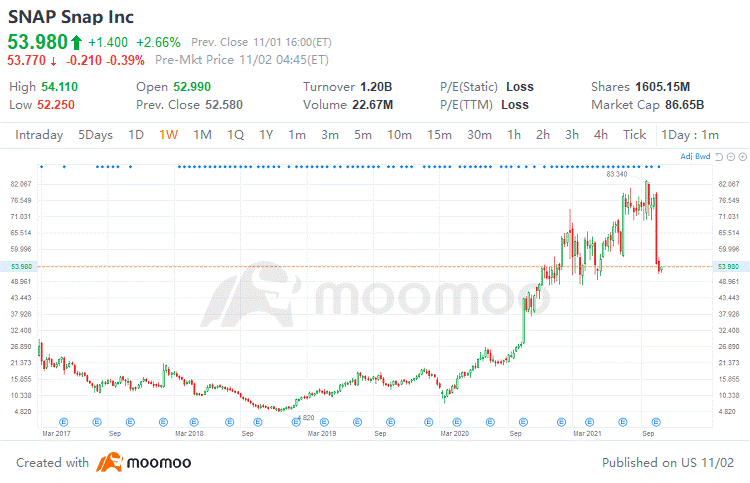
The IPO hype lasted only two days. Its stock price was on a downward trend later. However, Snapchat's share price has continued to refresh records and soared more than 300% since 2020.
FAQs
How do I invest in an IPO?
The public can participate in the IPO in two ways: buy directly from the underwriter or the secondary market.
How to learn about an IPO company?
Unlike existing listed companies, newly listed companies previously disclosed very little information.
Blind investment can bring huge risks. Therefore, please read carefully the prospectus of the company to be listed, which contains a wealth of information required by the regulators.
What factors might affect IPO performance?
In addition to the company's profitability, industry prospects, and institutional investors' views, IPO performance may also be affected by many other factors.
For example, market sentiment, demand, liquidity, and transaction volume... will all factor into the post-IPO performance.
This presentation is for informational and educational use only and is not a recommendation or endorsement of any particular investment or investment strategy. Investment information provided in this content is general in nature, strictly for illustrative purposes, and may not be appropriate for all investors. Read more
Recommend

What is Retirement Planning?
What is Market Sentiment?
What is the Debt Ratio?

What is a Balance Sheet?
What is Qualitative Analysis?
What is Simple Moving Average (SMA)?
What is Swing Trading?
What is the Securities and Exchange Commission(SEC)?
What is Sector Rotation?
What is the Stock Market?
How to read level 2 market data - using an order book for trading strategies
What are Bull and Bear Markets?
What is EPS?
What Is an Initial Public Offering (IPO)?
What is Circuit Breakers?
What is Over-the-Counter (OTC)?
What is a Security?
What is the S&P 500?
What is Technical Analysis?
What Is Equity?
What is the Dow Jones Industrial Average
What is Paper Trading?
What is Price-Volume Relationship?
What is a Fiscal Year?
What is the Federal Open Market Committee (FOMC)?
What is Day Trading?
What are CPI, PPI and PMI?
What is Quantitative Analysis?
What is a Value Stock?
What is an Investment Portfolio?
What are Dual Listing and Secondary Listing?
What Is Moving Average Convergence Divergence(MACD)?
What is a Candlestick?
What is an Investment?
What is a Stock?
What is Return on Investment (ROI)?
What is Net Margin?
What is the Nasdaq Composite?
Brokerage Account
What is Deflation?
What is ADR?
What is competitive bidding?
What is Retirement Planning?
What is Market Sentiment?
What is the Debt Ratio?
What is a Balance Sheet?
What is Qualitative Analysis?
What is Simple Moving Average (SMA)?
What is Swing Trading?
What is the Securities and Exchange Commission(SEC)?
What is Sector Rotation?
What is the Stock Market?
How to read level 2 market data - using an order book for trading strategies
What are Bull and Bear Markets?
What is EPS?
What Is an Initial Public Offering (IPO)?
What is Circuit Breakers?
What is Over-the-Counter (OTC)?
What is a Security?
What is the S&P 500?
What is Technical Analysis?
What Is Equity?
What is the Dow Jones Industrial Average
What is Paper Trading?
What is Price-Volume Relationship?
What is a Fiscal Year?
What is the Federal Open Market Committee (FOMC)?
What is Day Trading?
What are CPI, PPI and PMI?
What is Quantitative Analysis?
What is a Value Stock?
What is an Investment Portfolio?
What are Dual Listing and Secondary Listing?
What Is Moving Average Convergence Divergence(MACD)?
What is a Candlestick?
What is an Investment?
What is a Stock?
What is Return on Investment (ROI)?
What is Net Margin?
What is the Nasdaq Composite?
Brokerage Account
What is Deflation?
What is ADR?
What is competitive bidding?