What is a Balance Sheet?
Key Takeaways
● A balance sheet is an accounting statement revealing a firm's assets, liabilities, and shareholders' equity as of a specific date.
● Balance sheets used in most countries list items in the order of liquidity.
● A balance sheet shows the resources a company owns or controls and how they are distributed, which helps its readers make more informed investment decisions.
Understanding
A balance sheet, or statement of financial position, is a financial report of a company's assets, liabilities, and shareholders' equity as of a specific date.
What does a balance sheet tell us?
Balance sheets are prepared mainly in an account or a report form. These formats are set out by regulators in different countries.
All items are divided into three categories: assets, liabilities, and shareholders' equity. In the balance sheet formats adopted by most countries, the line items are presented in the order of liquidity.
More liquid assets and liabilities due earlier would be written first; shareholders' equity is sequenced by the degree of permanence from the highest to the lowest.
What is a balance sheet used for?
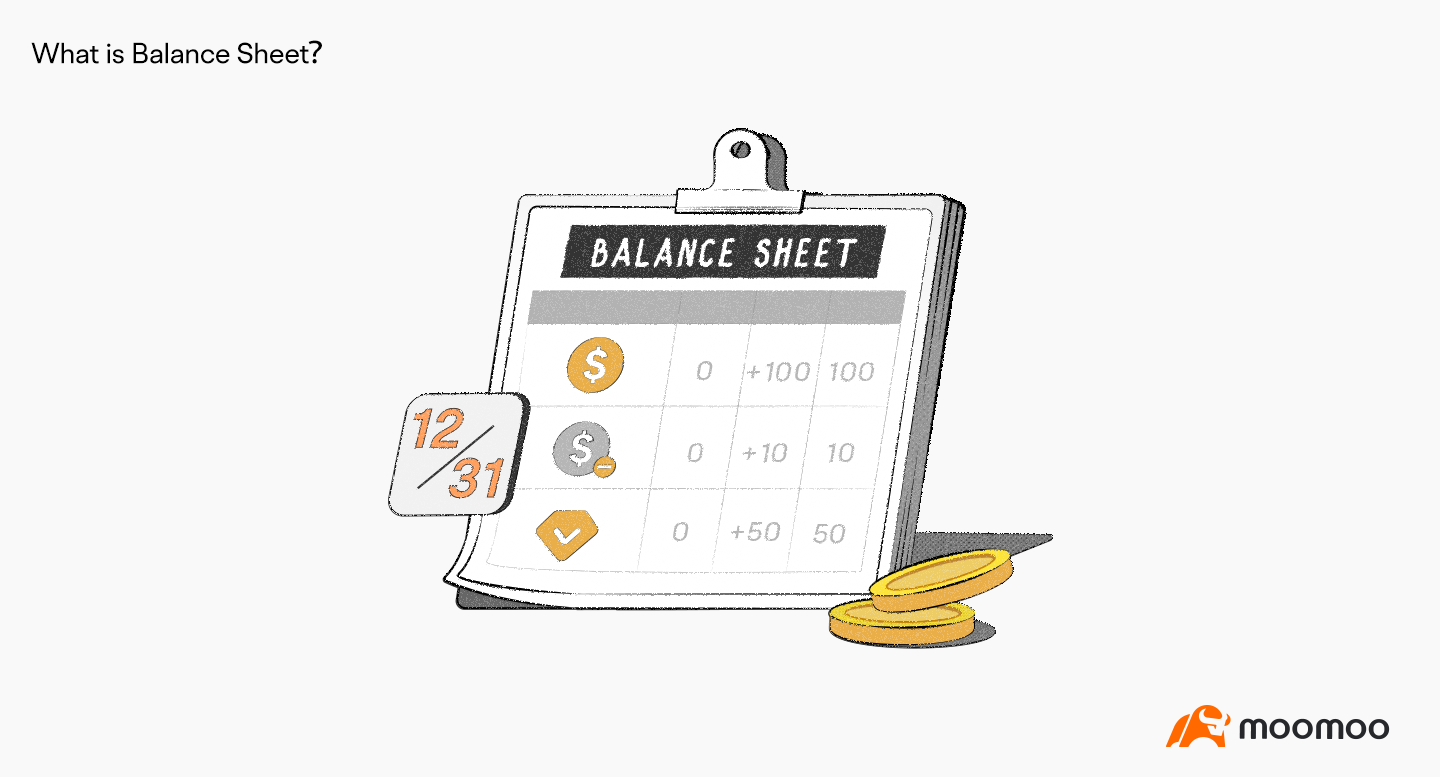
A company's balance sheet is an accounting statement that reports its financial position on a specific date, such as December 31st of every Gregorian calendar year. It is also called a static report, reflecting a firm's financial position at a particular point.
The balance sheet provides an overview of a company's finances.
A balance sheet reveals the total assets and the asset mix on a specific date, reflecting the resources owned and controlled by the company and their characteristics, i.e., the amounts of liquid assets, long-term invested assets, fixed assets, etc.
The total liabilities and the liability mix on a specific date are also shown in the balance sheet. This section tells us when and how many assets or labor are needed to liquidate liabilities in the future, i.e., the amounts of current and long-term liabilities and the current working capital needed to repay the long-term debt, etc.
A balance sheet also includes the owners' equity, which can be used to evaluate the current value of shareholders' investments and how much debt they're willing to take on. It also provides the basis for financial analysis. For example, we can calculate the quick ratio by dividing quick assets (current assets readily converted to cash) by current liabilities. This ratio measures a company's ability to cash in on its resources, pay its debts, and employ its capital.
This presentation is for informational and educational use only and is not a recommendation or endorsement of any particular investment or investment strategy. Investment information provided in this content is general in nature, strictly for illustrative purposes, and may not be appropriate for all investors. Read more
Recommend

What is Retirement Planning?
What is Market Sentiment?
What is the Debt Ratio?

What is a Balance Sheet?
What is Qualitative Analysis?
What is Simple Moving Average (SMA)?
What is Swing Trading?
What is the Securities and Exchange Commission(SEC)?
What is Sector Rotation?
What is the Stock Market?
How to read level 2 market data - using an order book for trading strategies
What are Bull and Bear Markets?
What is EPS?
What Is an Initial Public Offering (IPO)?
What is Circuit Breakers?
What is Over-the-Counter (OTC)?
What is a Security?
What is the S&P 500?
What is Technical Analysis?
What Is Equity?
What is the Dow Jones Industrial Average
What is Paper Trading?
What is Price-Volume Relationship?
What is a Fiscal Year?
What is the Federal Open Market Committee (FOMC)?
What is Day Trading?
What are CPI, PPI and PMI?
What is Quantitative Analysis?
What is a Value Stock?
What is an Investment Portfolio?
What are Dual Listing and Secondary Listing?
What Is Moving Average Convergence Divergence(MACD)?
What is a Candlestick?
What is an Investment?
What is a Stock?
What is Return on Investment (ROI)?
What is Net Margin?
What is the Nasdaq Composite?
Brokerage Account
What is Deflation?
What is ADR?
What is competitive bidding?
What is Retirement Planning?
What is Market Sentiment?
What is the Debt Ratio?
What is a Balance Sheet?
What is Qualitative Analysis?
What is Simple Moving Average (SMA)?
What is Swing Trading?
What is the Securities and Exchange Commission(SEC)?
What is Sector Rotation?
What is the Stock Market?
How to read level 2 market data - using an order book for trading strategies
What are Bull and Bear Markets?
What is EPS?
What Is an Initial Public Offering (IPO)?
What is Circuit Breakers?
What is Over-the-Counter (OTC)?
What is a Security?
What is the S&P 500?
What is Technical Analysis?
What Is Equity?
What is the Dow Jones Industrial Average
What is Paper Trading?
What is Price-Volume Relationship?
What is a Fiscal Year?
What is the Federal Open Market Committee (FOMC)?
What is Day Trading?
What are CPI, PPI and PMI?
What is Quantitative Analysis?
What is a Value Stock?
What is an Investment Portfolio?
What are Dual Listing and Secondary Listing?
What Is Moving Average Convergence Divergence(MACD)?
What is a Candlestick?
What is an Investment?
What is a Stock?
What is Return on Investment (ROI)?
What is Net Margin?
What is the Nasdaq Composite?
Brokerage Account
What is Deflation?
What is ADR?
What is competitive bidding?