Exploring the Bond Market: Everything You Need to Know
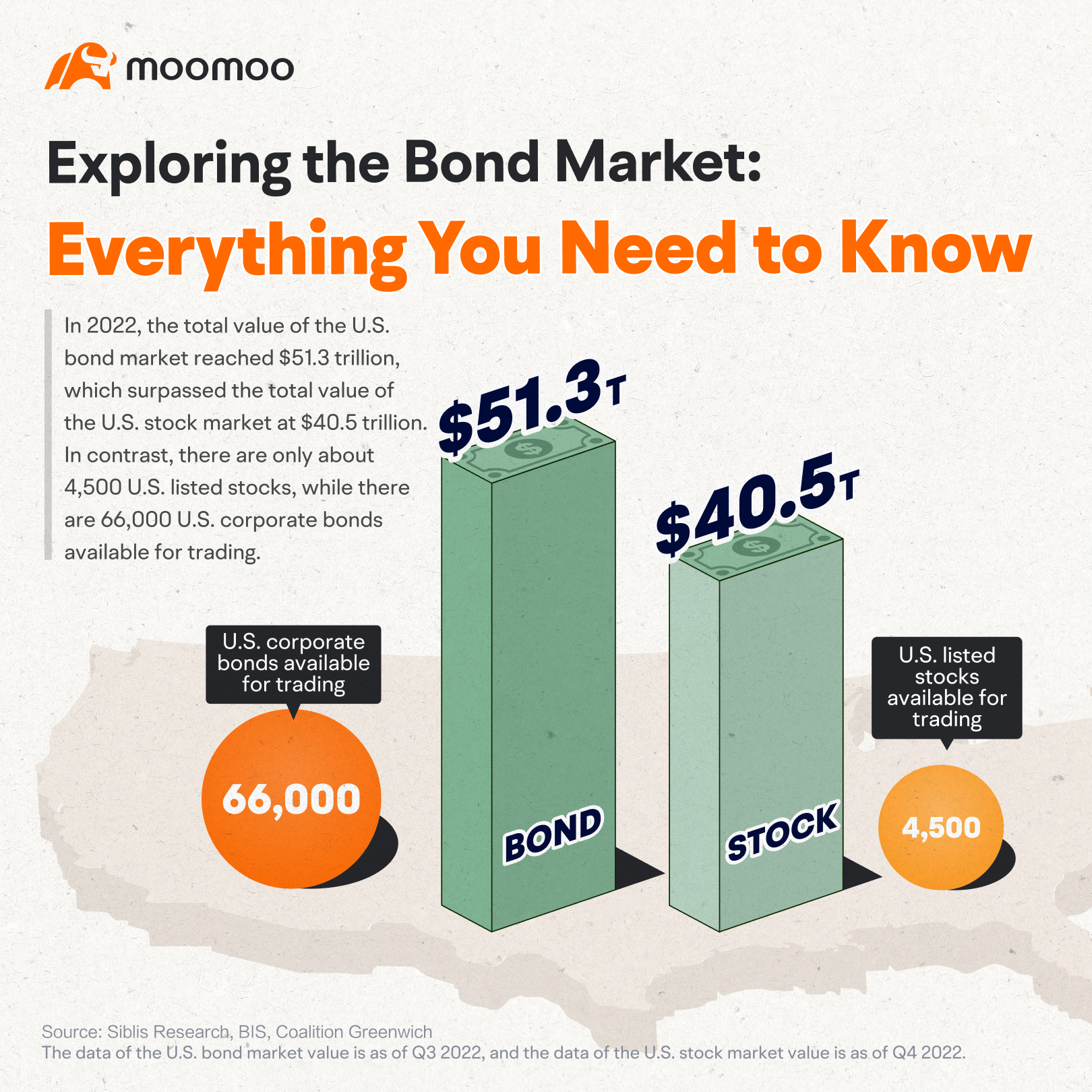
Many people are aware of the size of the stock market, but what they may not know is that the bond market is actually larger.
As of the end of 2022, the total value of the US bond market reached $51.3 trillion, which surpassed the total value of the US stock market at $40.5 trillion. In contrast, there are only about 4,500 listed stocks in the US, while there are 66,000 US corporate bonds available for trading.
Given the significance of the bond market, some investors may wonder whether the game rules in the bond market are similar to those in the stock market.
In this article, we will start by discussing the basic definition of bonds and examining the relationship between the bond market and the stock market. Additionally, we will provide some insights into different strategies when investing in the bond market.
Direct Investment: Primary Market and Secondary Market of Bonds
Primary Market: Newly issued bonds are sold in the primary market for treasuries. The US Treasury offers tradable treasuries through public auctions, which are available to both institutional and individual investors according to a fixed schedule. The supply of treasuries is closely related to the government's fiscal factors. When tax revenue decreases, the government will rely more on treasury issuance. Conversely, an increase in tax revenue would lead to a decrease in the supply of treasuries.
Secondary Market: Bonds can be traded in the secondary market after they have been issued. Unlike the stock market, bonds do not typically trade on securities exchanges. This is partly because bonds come with various maturities, coupons, and credit ratings, making the bond market more complex than the stock market. Therefore, bonds are usually traded over-the-counter (OTC) through brokers or dealers.
Basic Characteristics of Bonds
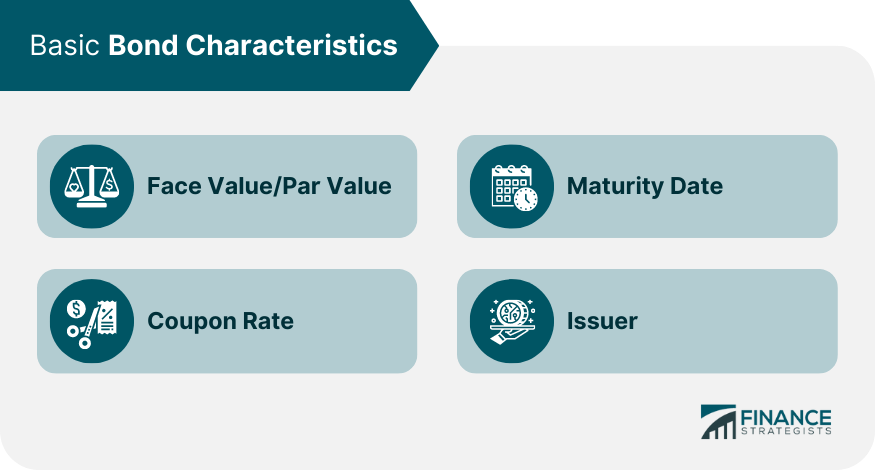
Face Value: The face value, or par value, is the amount that the issuer promises to repay the bondholder at maturity.
Maturity Date: This is the date when the bond issuer pays back the principal or face amount to the investor and the bond obligation ends. Maturities can range from one year to thirty years.
Coupon Rate: This represents the interest paid to bondholders and is usually paid annually or semi-annually.
Issuer: The issuer of a bond is the entity borrowing the funds. It can be a government, municipality, or corporation.
The price of bonds changes daily, just like any other publicly traded security, as the observed price is determined by the supply and demand at any given point in time.
A bond's price is the amount that investors are willing to pay for existing bonds and is usually expressed as a percentage of the bond's face value.
For example, if a bond has a face value of $20,000 and an investor purchases it at a price of 90, this means they are willing to pay 90% of the face value, or $18,000.
How to Make Money by Investing in Bonds?
Coupon Income: Bonds pay interest according to a fixed rate and payment schedule, making it one of the primary sources of income for bond investors. For example, a five-year Treasury bond with a face value of $100 and a coupon rate of 3.5% paid annually generates an income of $3.5 per year.
Capital Gains: Some investors may wonder why returns on bond investments fluctuate if bond interest rates are fixed. This is because many bond investors sell their bonds before maturity and profit from price differences. The amount that investors are willing to pay for bonds can be significantly influenced by current interest rates. If current interest rates are greater than the coupon rate of an already issued bond, its market price typically drops. Conversely, if interest rates decline, the price of existing bonds usually increases. In the secondary market, investors can earn profits based on the price difference by buying low and selling high.
Investors should note that higher interest rates mean that existing bonds will sell at a discount. For instance, if an investor purchases a bond with a coupon rate of 3%, a face value of $1,000, pays annually, and matures in three years, and the current interest rate is 5%, buyers may be willing to pay only 94.6% of the face value, which is $945.5.
On the other hand, in a low-interest rate environment, other investors may be willing to pay a premium for high-yielding bonds, making older bonds with higher coupon rates more attractive.
Indirect Investment: Let Others Manage Your Investment
If you're feeling overwhelmed by the many components of bonds, don't worry; there is an indirect channel for investing in bonds - funds.
Money Market Funds
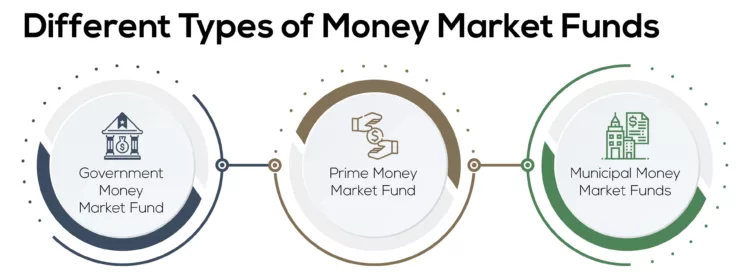
Money Market Funds are designed to offer high liquidity and lower-risk investments. They typically invest in cash, cash equivalents, and short-term debt securities with high credit ratings such as U.S. Treasury bonds. In the United States, money market funds are categorized into three types:
Government Money Market Funds invest mainly in short-term bonds issued by the government or other high credit-rated debt instruments that ensure safety and liquidity. These funds offer relatively low returns but lower levels of risk.
Prime Money Market Funds invest in various short-term corporate notes, bank debt securities, and commercial paper. These funds often offer higher returns but come with a higher level of risk.
Municipal Money Market Funds invest primarily in debts issued by national and local governments, such as municipal bonds.
In addition, Index Money Market Funds track specific indexes and include bonds or notes represented by the index they follow. For example, the Vanguard Treasury Money Market Fund (VUSXX) tracks the performance of the Bloomberg Barclays US Treasury Bills Index.
Bond ETFs
Investing in bond ETFs is a good option besides money market funds. ETFs are a collection of investments in bonds that can be bought and sold on the exchange like stocks. Bond ETFs simplify the investment process by providing basic metrics such as yield-to-maturity, credit quality, and duration on the platform.
Bond ETFs have an advantage over stock ETFs in that interest income generated from the bonds held within the fund's investment portfolio is paid out as monthly dividends. Bond ETFs provide the much-needed transparency, liquidity, and accessibility required in the fixed-income market.
However, investors must be aware of the risks that come with investing in bond ETFs - they may incur losses compared to bonds themselves. Bond ETFs do not have a maturity concept, so investors may experience losses even after holding the ETF for several years if there is a bad market situation.
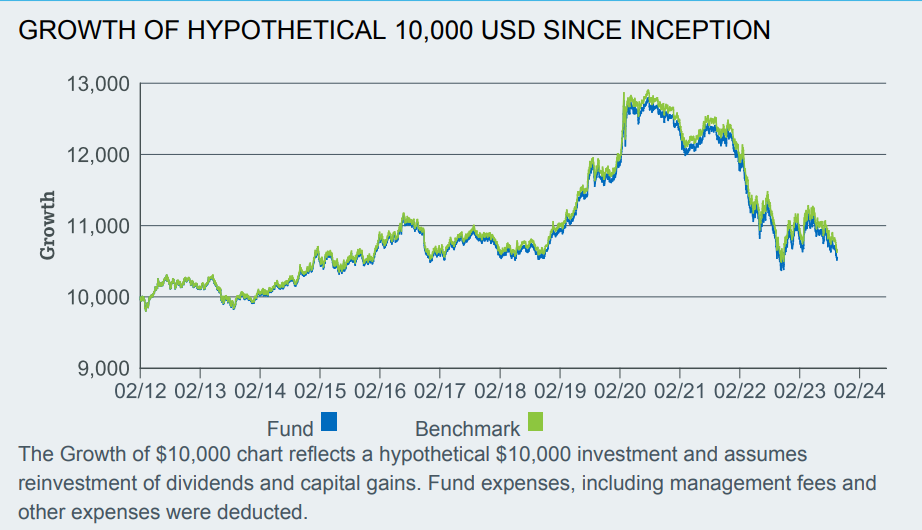
Investing in funds or ETFs provides novice investors with easy access to their preferred securities at low investment amounts. The diversity of investments also increases due to funds holding multiple bonds and spreading out concentrated risks.
However, it is crucial to remember that all investments carry risks, including bonds.
Pros and Cons of Investing in the Bond Market Compared to the Stock Market
Advantages
Investors receive a reliable source of income from periodical interest payments and the return of principal at maturity.
The credit rating of bonds allows investors to select the most suitable bond for their risk tolerance.
There is an opportunity to buy low and sell high in the secondary market to earn price differences.
Disadvantages
Unlike stocks, bonds have limited growth potential and may also have lower returns.
The bond market may experience issues with illiquidity, meaning that some bonds may not be easily sold.
Trading in the bond market is more complex than the stock market and requires finding a broker/dealer.
This presentation is for informational and educational use only and is not a recommendation or endorsement of any particular investment or investment strategy. Investment information provided in this content is general in nature, strictly for illustrative purposes, and may not be appropriate for all investors. Read more