How to Buy SoftBank Group Stock in Australia?
 Mar 27 17:00
SoftBank Group is a prominent Japanese investment holding company known for its strategic focus on technology. Its business involves managing a diverse portfolio, including a large stake in chip designer Arm and significant investments in artificial intelligence (AI). This AI focus has recently drawn considerable investor attention, influencing the SoftBank Group stock price and making it a popular name among global investors.
Australian investors cannot purchase SoftBank Group shares directly on the ASX. Instead, access is available via international trading platforms like moomoo, which supports 24-hour U.S. stock trading. For indirect exposure, investors can also consider ETFs that hold SoftBank Group within their portfolios, offering a more diversified approach to gaining exposure to the company's performance.
This guide will examine the company's current standing to help you form your own view on its investment potential. Furthermore, it will detail exactly how to buy SoftBank Group shares in Australia, covering the key steps from selecting a platform to executing a trade, empowering you to make informed decisions.
What is SoftBank Share Price Today?
Data source from moomoo. Data as of March 26, 2026.
Is It a Good Time to Buy SoftBank Shares?
Determining the right moment to enter the market is often stressful, especially when tracking the SoftBank share price. You might see recent volatility and worry if the SoftBank stock price is already too high, fearing a sudden pullback immediately after you invest. This leads many investors to anxiously ask, is it too late to buy SoftBank stock? This constant second-guessing can make it difficult to identify a reasonable entry point, leaving you on the sidelines despite your strong interest in the company.
To help navigate this uncertainty, the moomoo app offers professional Analyst ratings to clarify market sentiment. You can also set custom Price alerts to track specific targets, allowing you to make more confident, timely decisions.
🔎 Analyst Ratings — see what the experts think
SoftBank Group's ADR (SFTBY.US) last closed at $12.65, with a single analyst maintaining a "Hold" rating and a $14 target price, suggesting a modest 10.7% potential upside. While the limited analyst coverage reduces consensus clarity, the target price provides a benchmark for investors assessing whether the current SoftBank stock price aligns with professional expectations. This data helps mitigate uncertainty by framing upside potential against market volatility, particularly relevant for investors evaluating the ADR's risk-reward profile amid SoftBank's concentrated tech investments and fluctuating share price performance.
Gain Access to Analyst Ratings🔔 Price Alerts — catch your ideal entry price automatically
For Australian investors balancing a busy lifestyle with the challenges of significant time-zone differences, monitoring US market movements in real-time is often impractical. Moomoo’s Price Alerts feature addresses this by automating market surveillance, allowing you to track potential entry points without disrupting your sleep schedule. Instead of buying at current market rates, seasoned investors often review the Average Target Price found within moomoo’s Analyst Ratings to understand professional consensus. A strategic approach involves setting a Price Alert at a 10% or 15% discount to this average target. This ensures you are instantly notified when the SoftBank Group stock price drops to a more attractive level, helping you make informed decisions efficiently.
Set Price Alerts Now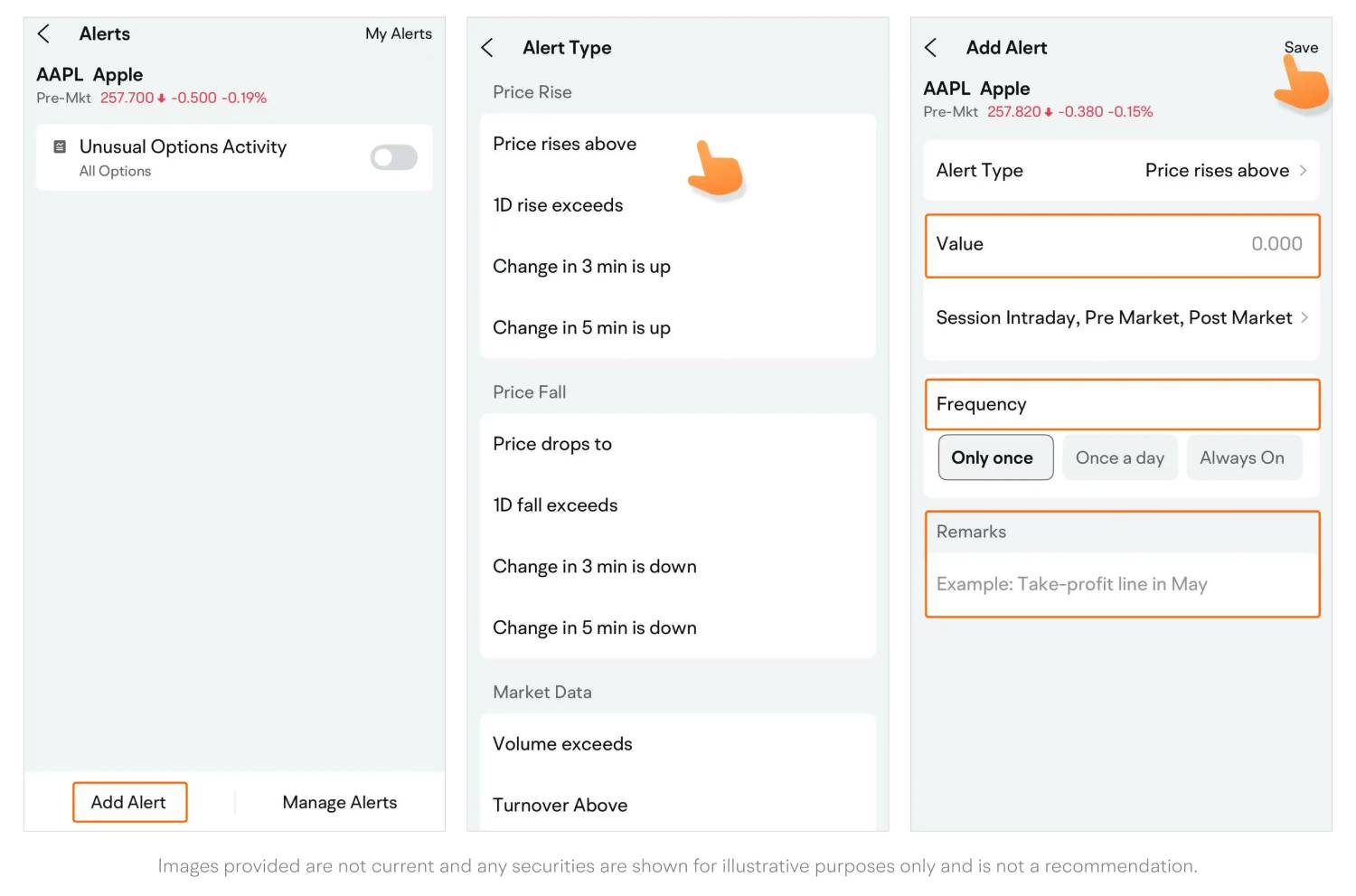
How to Buy SoftBank Shares in Australia? Step-by-step Guide
Investing in global tech giants from Down Under is simpler than you might think. This guide explains how to buy SoftBank shares in Australia. We'll walk you through each straightforward step, so you can confidently buy SoftBank stock for your portfolio.
🔍 Step 1: Choose an online broker
For Australian investors looking to trade U.S. stocks like SoftBank, selecting the right online broker is crucial to navigate international markets efficiently. One trusted option is moomoo, a platform backed by ASIC regulation and a Nasdaq-listed parent company (NASDAQ: FUTU). Known as Australia’s most downloaded trading app in 2025, moomoo combines reliability with user-friendly features tailored for global investing.
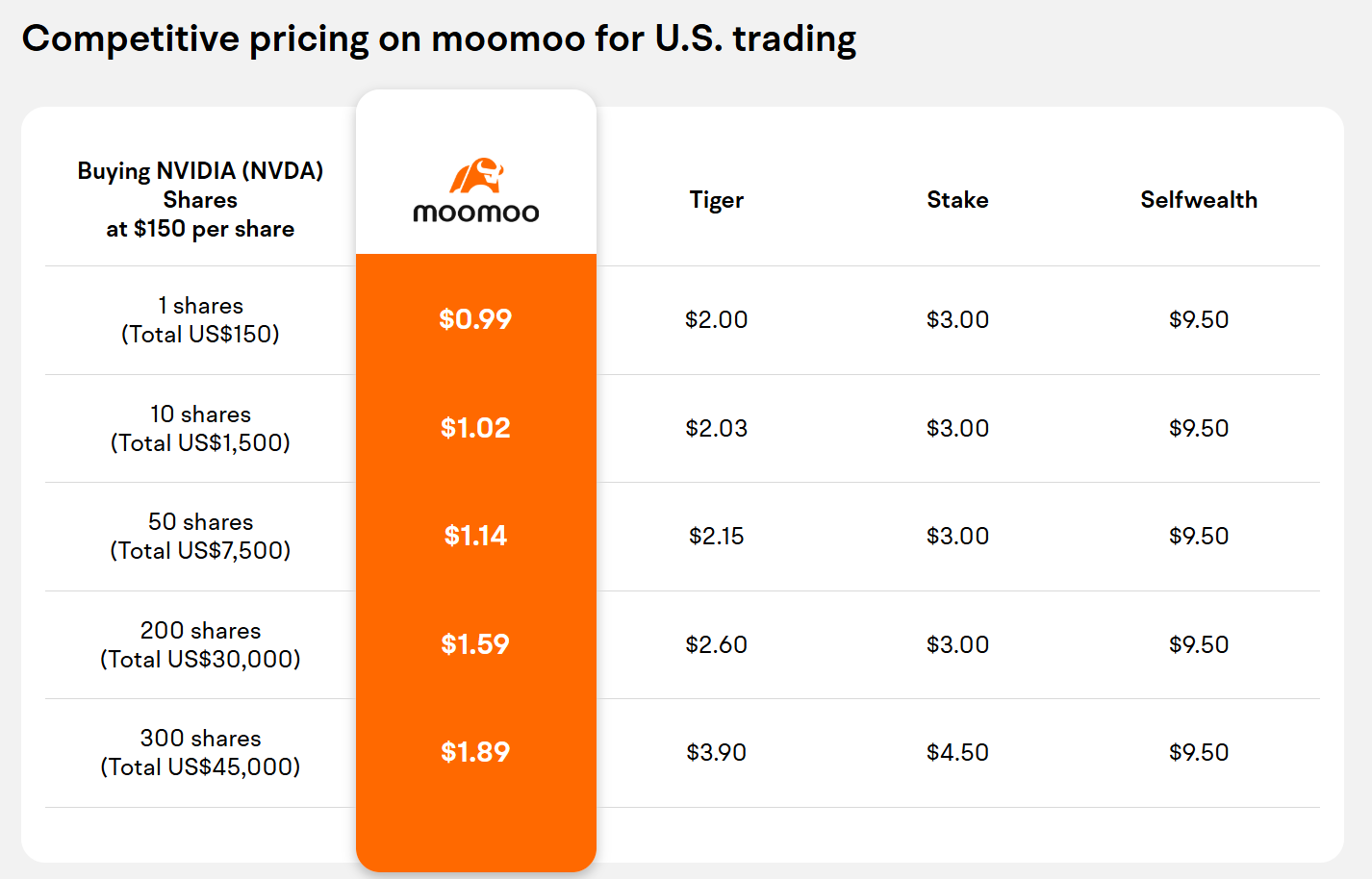
Moomoo stands out for its competitive pricing, offering U.S. stock trades starting from USD $0.99 per trade *does not include Pass-through fees and other service fees. This cost-effective approach makes it an appealing choice for investors seeking to maximize returns while minimizing transaction expenses.
👤 Step 2: Open a share trading account
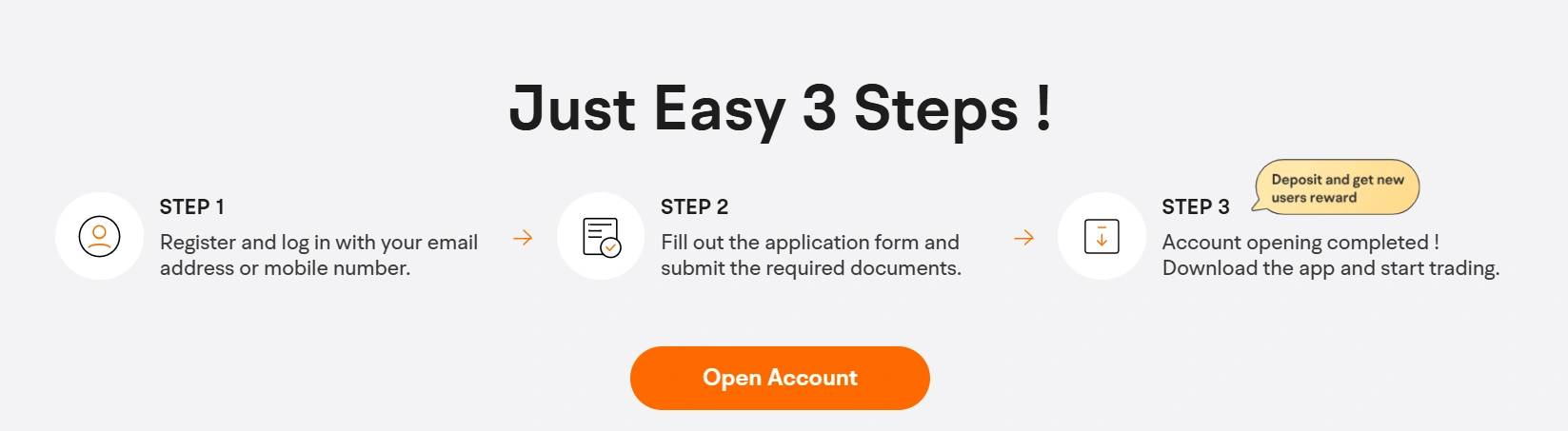
Moomoo supports four account types to suit your investment structure: Individual, Company, Trust, and Self-Managed Super Fund (SMSF).
• Individual Account: This account is held by one person and is used for personal investment activities.
• Company Account: Designed for a registered Australian company to invest its corporate capital.
• Trust Account: Allows a trustee to manage investments on behalf of a trust's beneficiaries.
• SMSF Account: This is a dedicated account for a Self-Managed Super Fund to invest its members' retirement assets.
🧾 Step 3: Complete a W-8BEN form and fund your account
As an Australian resident, you must complete a W-8BEN form to invest in the U.S. market. Moomoo streamlines this process by sending the form directly to you, which can be completed entirely online. Submitting this form is crucial as it allows you to access a reduced U.S. withholding tax rate on dividends, helping you retain more of your investment returns.
With compliance handled, the next step is to deposit funds. For Australian investors, moomoo supports PayID, which enables near-instant transfers when the account names match. This efficient funding method ensures you are prepared for buying SoftBank stock without long waiting periods, allowing you to act on investment decisions promptly and conveniently.
Before you can buy SoftBank stock, you'll need to convert your funds to U.S. dollars. This can be done directly within the moomoo app, which offers AUD to USD conversion with zero FX fees and no hidden exchange costs. You can find this feature by navigating to Accounts > Transfer > Currency Exchange, making it simple to get your funds ready for trading.
🤖 Step 4: Analyze SoftBank stock with moomoo AI
Diving into U.S. stocks like SoftBank can feel overwhelming for Australian investors. You are often faced with a sea of information: countless news articles, complex price charts, and dozens of technical indicators all telling different stories. This can easily spark common investing fears, such as misinterpreting a stock's trend or overlooking important risks buried deep within financial reports. Manually analysing all this data often requires spending hours digging through information, a major challenge for anyone trying to balance investing with a busy life.
Imagine how much easier it would be with a conversational research partner. With moomoo AI, you get a 24-hour assistant that helps you analyse stocks more efficiently. You can ask natural-language questions like, "What are SoftBank's growth drivers?" or even "is SoftBank a good stock to buy". The AI converts complex market data into clear charts, structured tables, and easy-to-understand insights. It can analyse different aspects of SoftBank, from its financial performance and valuation context to its industry positioning, helping you build confidence in your investment decisions.
 Hi, I'm Moomoo AI.
While its valuation appears historically attractive relative to peers, risks from geopolitical tensions and competition warrant monitoring. General investors may consider its strategic position in the AI ecosystem, but should balance this with market volatility and regulatory uncertainties.
🛒 Step 5: Place your order
Navigating time zones is a major hurdle for Australian investors planning to buy SoftBank stock. Since U.S. markets operate while Australia sleeps, you might wake up to find prices have shifted significantly, causing you to miss ideal entry points. This lack of alignment often forces investors to react sluggishly to overnight volatility, making it stressful to execute trades effectively without sacrificing rest.
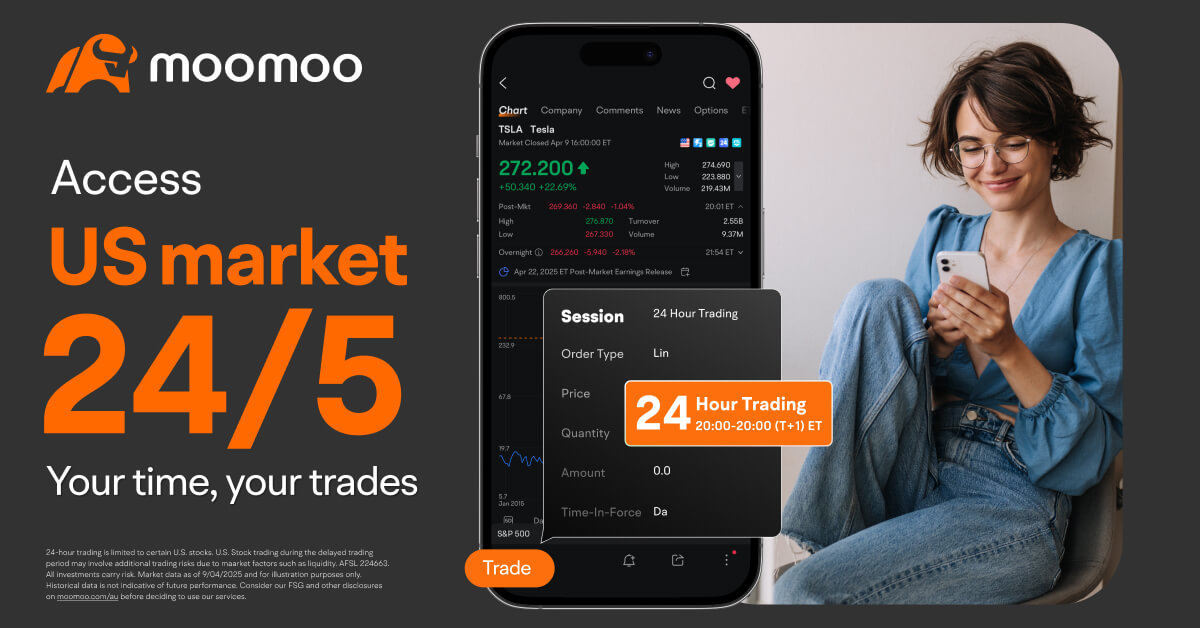
To bridge this gap, moomoo supports 24/5 U.S. stock trading, giving you the flexibility to trade well beyond standard market hours. This feature allows you to buy SoftBank stock at a time that aligns with your schedule, minimizing the impact of time-zone differences. By utilizing extended trading hours, Australian investors can manage their positions more proactively and react to market movements with greater control and convenience.
U.S. stock prices fluctuate rapidly, making it difficult for investors to constantly monitor charts without being glued to their screens. High volatility often means prices hit target levels for mere seconds before reversing. Consequently, many investors miss ideal entry points or fail to exit positions in time to protect profits, leading to frustration and missed financial opportunities.
Moomoo addresses this challenge by offering 13 advanced order types designed to execute trades automatically based on your criteria. This functionality helps minimize emotional decision-making and ensures you capture opportunities even when away from the market. For instance, you can use limit orders to buy at a specific price or stop-loss orders to limit potential downside risk, giving you greater control over your investment strategy.
What are the Key Factors to Consider Before Buying SoftBank Shares?
Before deciding how to buy SoftBank stock in Australia, investors should carefully evaluate multiple factors as concentrated positions in single US equities carry unique risks. A holistic assessment of market conditions, financial metrics, and geopolitical influences helps mitigate volatility exposure while aligning purchases with long-term portfolio objectives.
📊 SoftBank Group financial performance and earnings trends
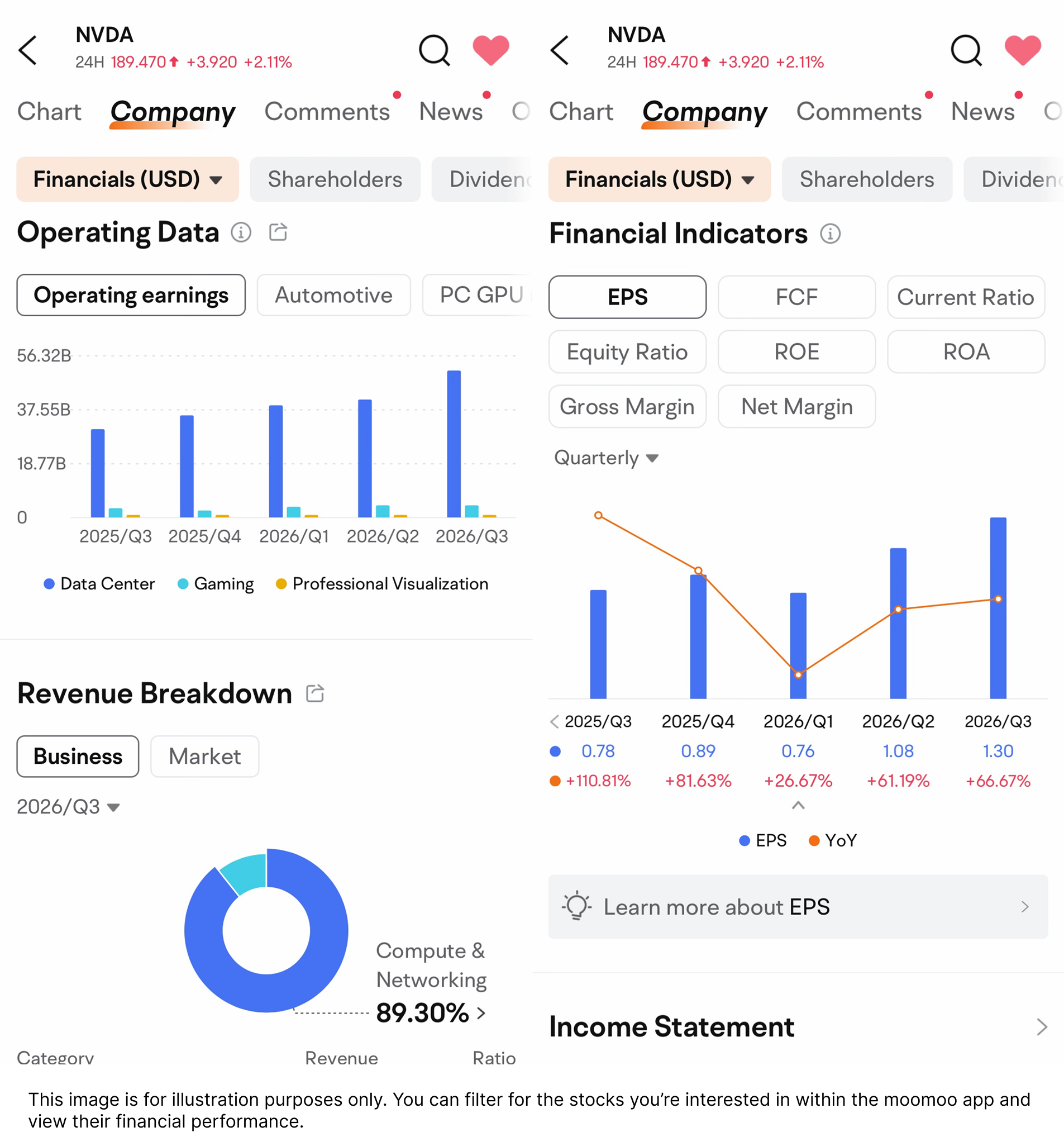
Before you decide to buy SoftBank Group stock, evaluating the company’s financial health is essential. Investors typically analyse key metrics such as revenue growth, profitability, margins, and cash flow stability. These indicators provide a clear picture of the company’s underlying strength and help assess its potential for long-term value creation.
However, conducting deep fundamental analysis can be frustrating. Critical financial data is often scattered across multiple websites and complex filings, making the research process incredibly time-consuming and inconvenient for individual investors.
The moomoo app streamlines this experience by consolidating financial data into clear, visualised insights, allowing you to analyse trends effortlessly.

📰 Latest SoftBank stock news
Updated- SoftBank’s subsidiary Arm has unveiled plans to develop in-house AI chips, aiming for significant revenue growth by 2031. This strategic shift from licensing to manufacturing drove recent share price gains, highlighting the critical value of semiconductor exposure within SoftBank’s portfolio.
- The company is accelerating its artificial intelligence strategy, reportedly seeking substantial capital to increase its OpenAI stake and build data centers. This aggressive pivot aims to capture the generative AI boom, significantly altering the growth profile for this global holding company.
This content is AI-generated based on moomoo data and is for reference only. It does not guarantee accuracy or completeness.
🕒 U.S. market trading hours and time zone differences
The U.S. stock market’s regular trading session runs from 9:30 AM to 4:00 PM Eastern Time. For Australians, this translates to a late-night start, typically beginning between 11:30 PM and 1:30 AM AEST/AEDT depending on daylight savings. Understanding these time zone differences is crucial for managing volatility when buying SoftBank stock, as the most significant liquidity and price movements occur while Australia sleeps.
Trading activity often begins well before the opening bell during the pre-market session, starting as early as 4:00 AM ET, or roughly late afternoon to evening in Australia. Investors monitor the SoftBank pre market activity to gauge reactions to overnight news or economic data released before the official open.
After the closing bell at 4:00 PM ET, the after-hours session extends until 8:00 PM ET. This period is vital for tracking the SoftBank stock after hours performance, especially following earnings reports. Australian investors often wake up to check the SoftBank after hours stock price to assess overnight market sentiment.
🧾 Tax implications for Australian investors
Investing in SoftBank connects you to two different tax jurisdictions, which can significantly complicate your annual return. Australian residents generally face U.S. withholding tax on dividends, often reduced by filing a W-8BEN form, alongside domestic capital gains tax obligations upon selling shares. Navigating foreign tax offsets and managing currency conversion rates adds layers of administrative burden that many local investors find time-consuming and confusing.
Streamlining this process starts with having the right administrative tools at your disposal. Platforms like moomoo simplify compliance by offering digital W-8BEN submission and seamless integration with Sharesight. This automatic data syncing ensures your transaction history and dividend income are accurately recorded, significantly reducing the manual effort required to prepare your financial reporting.

FAQs about buying SoftBank stock
Q1. Can you buy SoftBank shares in Australia?
SoftBank ADRs (SFTBY) are available to Australian investors through brokers offering international trading. These ADRs trade on the US OTC market, representing shares of the Japanese parent company, making them accessible without direct Tokyo exchange access.
Q2. Can you buy partial shares of SoftBank?
Fractional share investing allows purchasing portions of high-priced stocks like SoftBank, with platforms like moomoo supporting U.S. partial shares. This enables smaller investments in foreign stocks while maintaining proportional ownership benefits.
Q3. Which ETFs hold SoftBank?
SoftBank may be held in global tech ETFs, Japan-focused funds, or AI-themed portfolios. Investors can research holdings of ETFs like EWJ or QQQ to check inclusion, though weightings may vary between funds.
Q4. Is SoftBank good for long term investment?
SoftBank's long-term potential hinges on its AI investments like Arm and Vision Fund assets. Investors should consider its tech-heavy portfolio's volatility and Japan's economic conditions when evaluating holding periods.
Disclaimer: Australia’s most downloaded trading app in 2025: ^The number of downloads in Australia is the combined total of downloads for the Moomoo App in Australian iOS and Android stores. Due to the change of App version, from 1 Jan 2025 to 7 November 2025, Moomoo App refers to Moomoo global app. From 7 November 2025 onwards, it refers to the Moomoo Australia app. Ranking may change over time. 24-hour U.S. stock trading: Extended Hours Trading is available for selected securities only and entails additional risks due to lack of liquidity and other factors. Al-generated content is based on market data and public information and does not guarantee accuracy. It should not be read as financial advice.
Moomoo Technologies Inc. is providing this content for information and educational use only. Read more