How to Buy Robinhood Stock in Australia?
 Mar 27 17:00
Robinhood is a prominent American fintech company that disrupted the brokerage industry with its commission-free trading app. It offers access to U.S. stocks, ETFs, and cryptocurrencies, and its rapid user growth and product expansion have kept the Robinhood share price in the spotlight for global investors.
Since Robinhood is listed on the NASDAQ, its shares are not directly available on the ASX. Australians can invest using an international trading platform like moomoo, which supports features like 24-hour U.S. stock trading. Alternatively, one can gain indirect exposure through ETFs that hold Robinhood.
This guide examines Robinhood’s performance and analyst ratings to help you evaluate the stock. We will then explain how to buy Robinhood shares in Australia, covering the key steps from finding a broker to placing an order, so you can invest with clarity.
What is Robinhood Share Price Today?
Data source from moomoo. Data as of March 27, 2026.
Is It a Good Time to Buy Robinhood Shares?
Watching the U.S. market from Australia can often feel like a guessing game, especially when volatility strikes. You might be tracking the Robinhood share price, wondering if the momentum has peaked or if there is still value to be found. This leads to a common anxiety: is it too late to buy Robinhood stock, or are you about to buy before a pullback? Navigating the daily Robinhood stock price movements to find a reasonable entry point can be mentally exhausting.
To help navigate these uncertainties, the moomoo platform provides tools designed to support smarter decision-making. Features like Analyst ratings and Price alerts allow you to track market shifts and approach your trades with greater confidence.
🔎 Analyst Ratings — see what the experts think
Robinhood (HOOD) shares are currently trading at $72.54 (last closing price), with analysts maintaining a strong consensus rating of "Strong Buy" based on 16 analysts surveyed. The average price target of $118.29 suggests significant upside potential from current levels, helping investors assess whether the Robinhood stock price represents an attractive entry point. This professional consensus reduces uncertainty by providing a benchmark valuation based on fundamental analysis, allowing investors to gauge the stock's potential against market expectations while accounting for business growth and industry trends in commission-free trading platforms.
Gain Access to Analyst Ratings🔔 Price Alerts — catch your ideal entry price automatically
Navigating the U.S. market from Australia often means battling inconvenient time zones, making it difficult to monitor volatile trading sessions manually. Moomoo’s Price Alerts feature addresses this pain point by allowing investors to track potential entry points automatically without sacrificing sleep. Instead of constantly watching the Robinhood stock price, experienced investors often utilize the Average Target Price shown in moomoo’s Analyst Ratings as a valuation benchmark. A common approach involves applying a 10% or 15% discount to this analyst consensus when setting an alert, rather than purchasing immediately. This strategy enables investors to target specific price levels efficiently, ensuring they remain ready to seize opportunities during U.S. market hours without needing to stay awake all night.
Set Price Alerts Now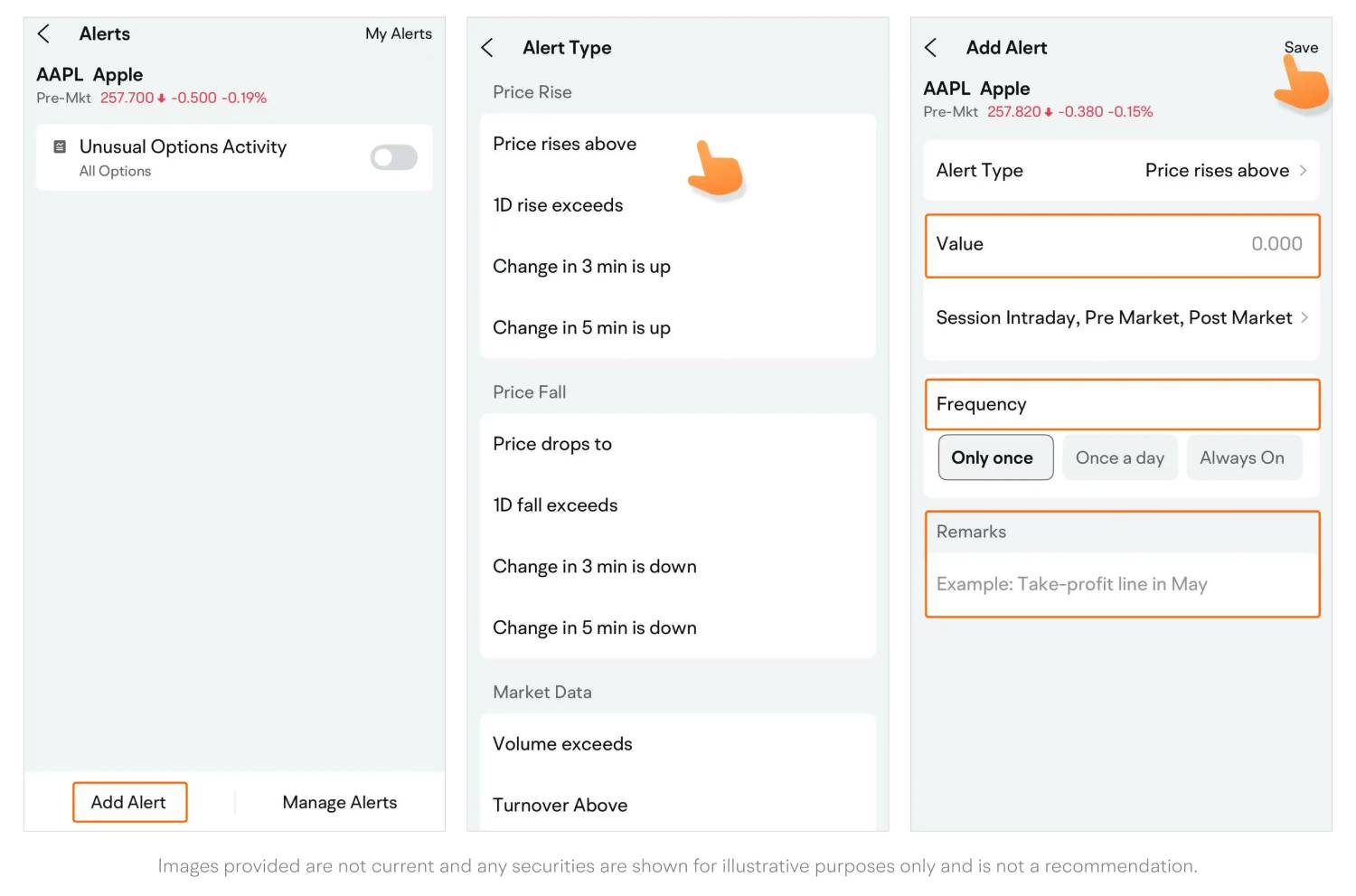
How to Buy Robinhood Shares in Australia? Step-by-step Guide
Investing in US markets from down under is easier than you think. This guide answers how to buy Robinhood shares in Australia with a simple, step-by-step process, helping you confidently buy Robinhood stock and expand your portfolio internationally.
🔍 Step 1: Choose an online broker
For Australian investors looking to trade U.S. stocks like Robinhood, selecting the right online broker is crucial to ensure seamless execution and regulatory compliance. moomoo, backed by ASIC regulation and a parent company listed on Nasdaq (NASDAQ: FUTU), offers a secure platform for global trading. Recognized as Australia’s most downloaded trading app in 2025, it combines reliability with user-friendly features tailored for international markets.
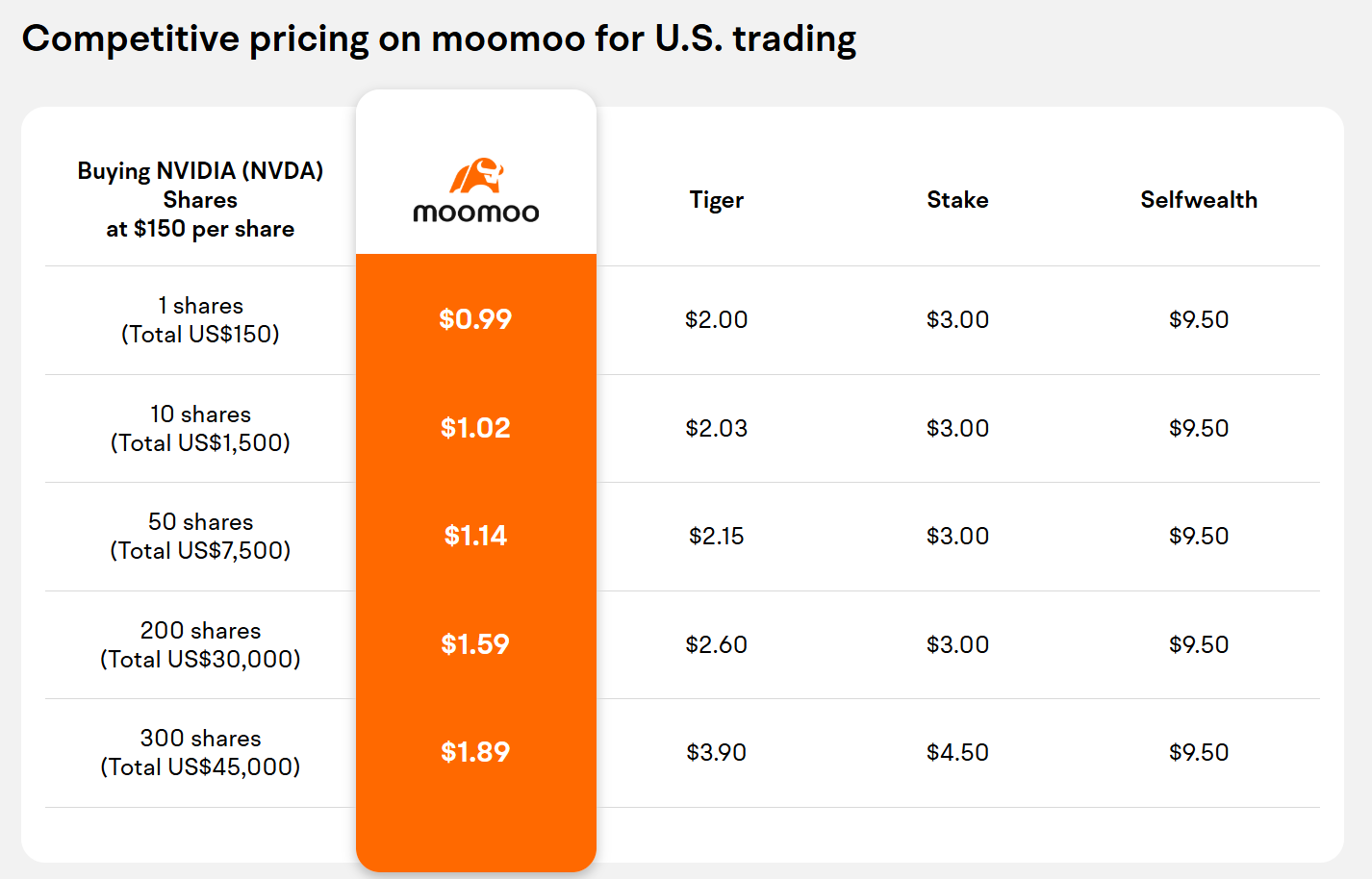
moomoo stands out with competitive pricing for U.S. stock trades, making it an attractive choice for cost-conscious investors. Trades start from USD $0.99 per trade *does not include Pass-through fees and other service fees, providing transparency and affordability for frequent traders.
👤 Step 2: Open a share trading account
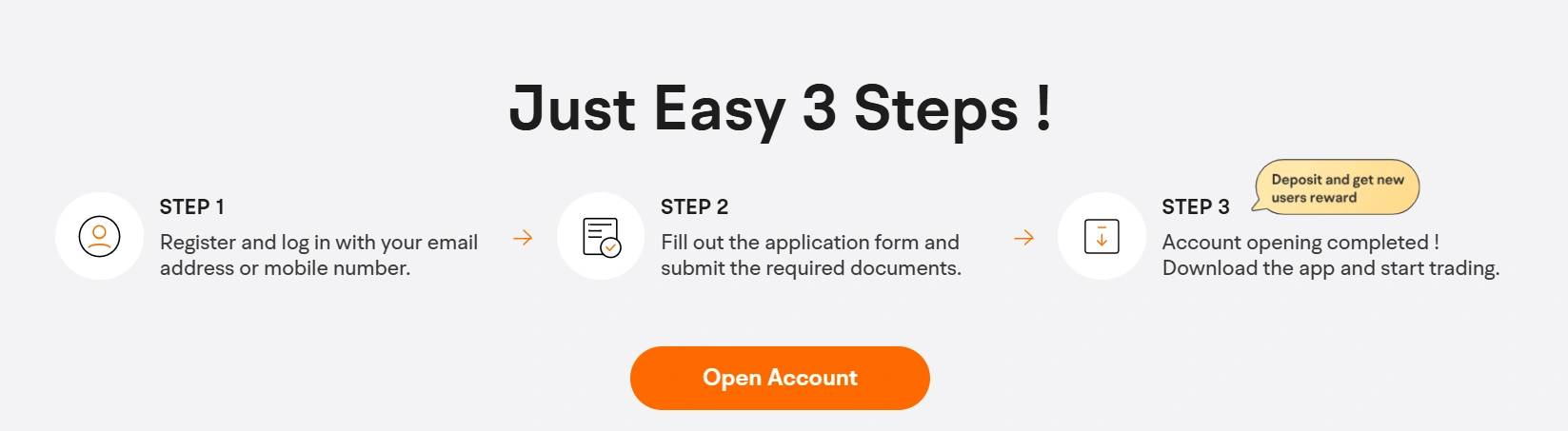
moomoo supports four main account types to suit your investment structure. These options cater to individuals, companies, trusts, and self-managed super funds. • Individual Account: This account is for a single person to invest using their own funds. • Company Account: This account is designed for a registered Australian company to manage its investments. • Trust Account: This account allows a trustee to invest on behalf of the beneficiaries of a trust. • SMSF Account: This account is specifically for a Self-Managed Super Fund to manage its retirement investments.
🧾 Step 3: Complete a W-8BEN form and fund your account
Before trading U.S. shares, Australian residents must complete a W-8BEN form for tax purposes. Moomoo streamlines this compliance step by providing the form digitally, allowing for quick online completion. Submitting this form is key, as it may reduce the U.S. withholding tax on dividends from 30% to 15%, ensuring a better return on your investments. The form is typically valid for three years.
With compliance handled, the next step is to fund your account. To ensure funds are available for buying Robinhood stock, you can deposit Australian dollars. Moomoo supports PayID for deposits, which are often processed almost instantly, provided the name on your bank account matches your moomoo account name. This efficiency allows you to act on investment decisions without unnecessary delays waiting for funds to clear.
Finally, you need to hold U.S. dollars before you can buy Robinhood stock. Within the moomoo app, you can easily convert your AUD to USD by navigating to Accounts, then Transfer, and selecting Currency Exchange. This in-app feature offers a transparent process with zero FX platform fees and no hidden markups on the exchange rate, making currency conversion straightforward and cost-effective for investors.
🤖 Step 4: Analyze Robinhood stock with moomoo AI
For Australian investors, researching a U.S. stock like Robinhood can feel overwhelming. You’re faced with a flood of information: countless news articles, conflicting analyst opinions, and complex price charts with dozens of indicators. This often leads to common investing fears, such as poor timing on a purchase or incorrectly interpreting a downward trend. Manually digging through performance data and market sentiment reports to find a clear answer can take hours, creating analysis paralysis and eroding your confidence before you even make a trade.
This is where a conversational AI assistant can make investing easier. With moomoo AI, you have a 24-hour research partner to help you analyse stocks more efficiently. You can ask natural-language questions like "What are Robinhood's growth drivers?" or "is Robinhood a good stock to buy" and receive answers in plain English. The tool converts complex information about its financial performance, valuation, and industry positioning into clear charts and easy-to-understand insights, helping you build conviction in your investment decisions.
 Hi, I'm Moomoo AI.
While its valuation appears historically attractive relative to peers, risks from geopolitical tensions and competition warrant monitoring. General investors may consider its strategic position in the AI ecosystem, but should balance this with market volatility and regulatory uncertainties.
🛒 Step 5: Place your order
For Australian investors, the significant time difference creates a major hurdle when trying to buy Robinhood stock at the optimal price. Waking up to find you missed a crucial entry point due to overnight volatility is a frustrating reality. Restricted trading hours often mean local traders are unable to react to sudden price shifts until the next morning, potentially costing them valuable opportunities.
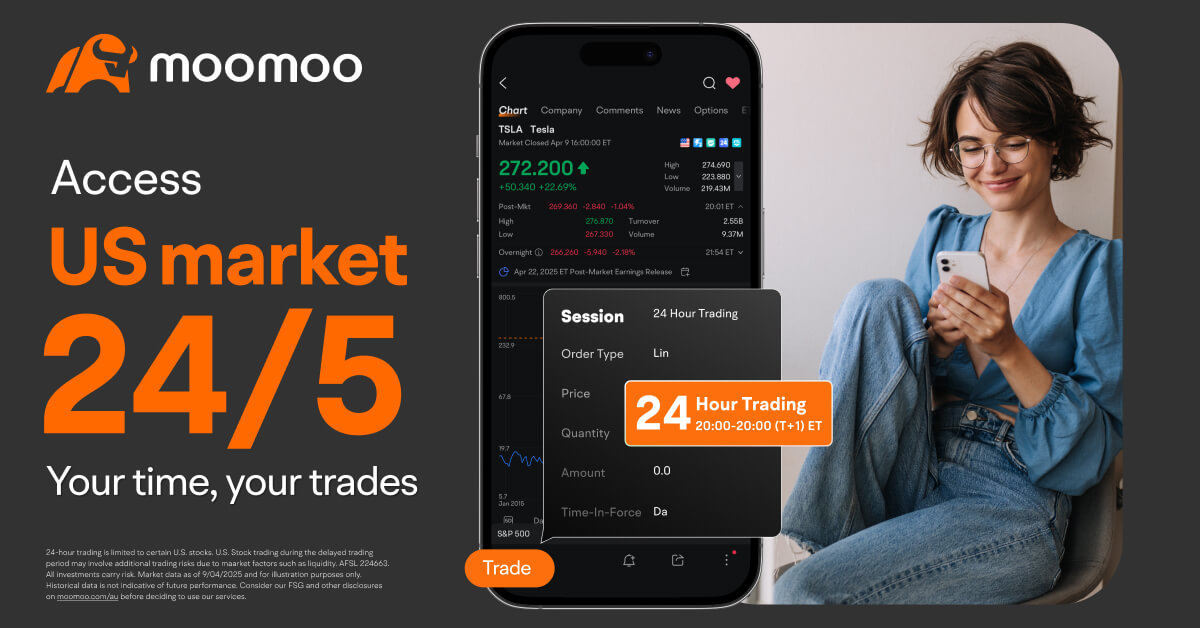
Fortunately, moomoo addresses this issue by offering 24/5 U.S. stock trading, giving you the flexibility to manage positions beyond standard market hours. This extended access allows you to buy Robinhood stock when it suits your schedule, rather than waking up in the middle of the night. By bridging the time-zone gap, investors gain greater control over their portfolio, ensuring they can respond immediately to market movements.
U.S. stock prices fluctuate rapidly, and most investors simply cannot monitor market charts continuously throughout the session. This lack of constant attention often leads to missed opportunities or buying at unfavorable prices during sudden volatility spikes. Relying solely on manual execution makes it difficult to catch the right moment, often resulting in costly emotional decisions or poor timing.
Moomoo addresses this challenge with 13 advanced order types designed to automate your trading strategy and minimize emotional bias. For instance, a limit order lets you specify your exact entry price, ensuring you never overpay for a stock. Meanwhile, a stop-loss order automatically triggers a sale to limit potential downsides, protecting your capital. These tools empower you to execute precise trades without constant supervision.
What are the Key Factors to Consider Before Buying Robinhood Shares?
Before learning how to buy Robinhood shares in Australia, investors should assess multiple factors—from valuation metrics to market sentiment—as U.S. equities carry unique risks and opportunities. A thorough analysis helps navigate volatility while aligning investments with personal financial goals, particularly for growth-oriented stocks like HOOD where technical indicators and institutional flows play a critical role.
📊 Robinhood financial performance and earnings trends
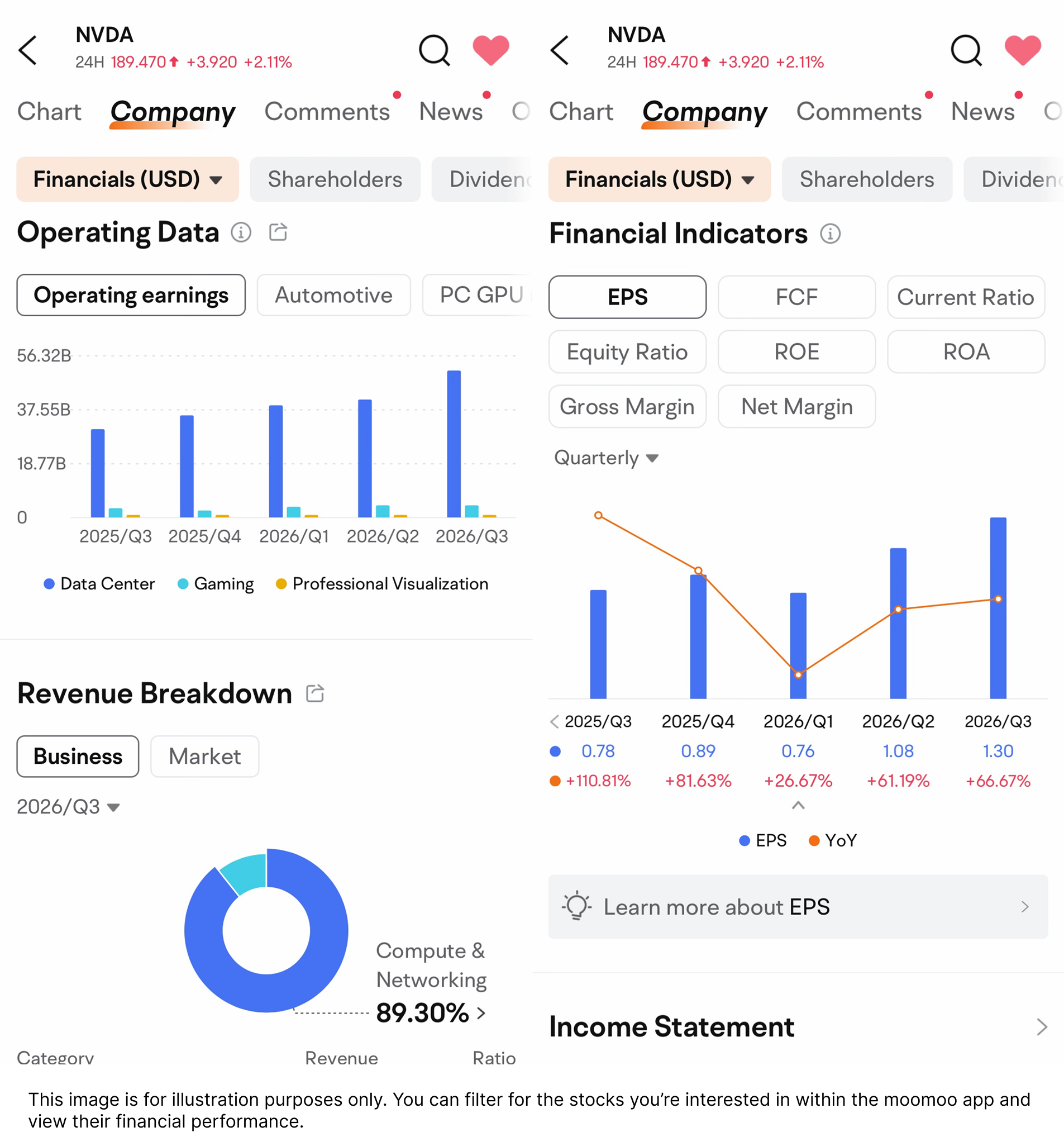
Evaluating financial performance is a crucial step before deciding to buy Robinhood stock. Investors should carefully analyse key metrics such as revenue growth, net profit margins, and operating cash flow to assess the company's long-term stability. Understanding these fundamentals helps determine if the current valuation aligns with the business's actual earning power and future potential.
However, gathering this critical data can often be frustrating for investors. Financial statements, earnings call transcripts, and analyst forecasts are frequently scattered across multiple websites, making comprehensive research a time-consuming and disjointed process.
The moomoo app addresses this by consolidating essential financial data into clear, visualised insights, allowing you to analyse trends efficiently in one accessible platform.

📰 Latest Robinhood stock news
Updated- Robinhood recently authorized a US$1.5 billion share repurchase program, signaling strong management confidence in the company’s long-term value. This strategic move aims to return capital to shareholders and may help stabilize the stock price following recent market fluctuations.
- The company also secured a US$3.25 billion credit facility to support its expanding margin book. This strengthens liquidity as Robinhood pursues international growth and new product lines, potentially enhancing future earnings stability for global investors.
This content is AI-generated based on moomoo data and is for reference only. It does not guarantee accuracy or completeness.
🕒 U.S. market trading hours and time zone differences
The standard U.S. stock market operates from 9:30 AM to 4:00 PM Eastern Time, which translates to a late-night session for Australians. Depending on the time of year, this window opens between 11:30 PM AEST and 1:30 AM AEDT. Understanding these time zone differences is crucial for effective order execution. When considering buying Robinhood stock, knowing the exact opening time helps investors capitalize on initial market liquidity and daily volatility.
Pre-market trading extends the day, typically starting at 4:00 AM ET, which corresponds to the Australian evening around 6:00 PM or 8:00 PM. This period is significant as prices often shift due to macroeconomic news released before the bell. Australian investors monitoring the Robinhood stock pre market price can gain early insights into market sentiment before the official session begins.
The after-hours session continues until 8:00 PM ET, effectively spanning the Australian morning. This period is particularly relevant during earnings season, as reports are often released just after the main market closes. Checking the Robinhood stock after hours allows you to see immediate reactions to financial data, while the Robinhood after hours stock price assists in planning your strategy for the upcoming day.
🧾 Tax implications for Australian investors
Investing in US companies like Robinhood introduces specific tax responsibilities for Australian residents. You generally face a withholding tax on US dividends, while any profits from selling shares are subject to Australia’s capital gains tax rules. Navigating two different tax systems often creates administrative complexity, making it essential to understand how foreign income credits work to avoid paying unnecessary double taxation on your investment returns.
Managing these obligations becomes much easier when your trading platform streamlines administrative tasks. For instance, platforms like moomoo allow investors to complete necessary US tax forms digitally and can automatically sync trading data with Sharesight. This integration helps maintain accurate transaction records, significantly reducing the time and effort required for end-of-year tax reporting.

FAQs about buying Robinhood stock
Q1. Can you buy Robinhood shares in Australia?
Yes, Australian investors can buy Robinhood shares through brokers offering US market access. Purchasing foreign shares typically involves currency conversion and may have different trading hours than domestic stocks.
Q2. Can you buy partial shares of Robinhood?
Some platforms like moomoo allow fractional share purchases of US stocks including Robinhood, enabling investors to buy portions of high-value stocks with smaller amounts. Fractional trading makes expensive shares more accessible.
Q3. Which ETFs hold Robinhood?
Robinhood appears in various ETFs, particularly those tracking fintech and disruptive technology sectors. Investors can find specific ETF holdings by researching financial sector ETFs or using stock screening tools.
Q4. Is Robinhood good for long term investment?
Long-term viability depends on company fundamentals, market conditions, and growth potential. Robinhood operates in the evolving fintech sector which presents both opportunities and risks for investors with extended time horizons.
Disclaimer: Australia’s most downloaded trading app in 2025: ^The number of downloads in Australia is the combined total of downloads for the Moomoo App in Australian iOS and Android stores. Due to the change of App version, from 1 Jan 2025 to 7 November 2025, Moomoo App refers to Moomoo global app. From 7 November 2025 onwards, it refers to the Moomoo Australia app. Ranking may change over time. 24-hour U.S. stock trading: Extended Hours Trading is available for selected securities only and entails additional risks due to lack of liquidity and other factors. Al-generated content is based on market data and public information and does not guarantee accuracy. It should not be read as financial advice.
Moomoo Technologies Inc. is providing this content for information and educational use only. Read more