A Common Question for Beginners: Is Stock Trading Really Profitable?

Are you busy with work?
Do you often work from dawn till dusk?
Why do you work so hard?
"I want a better life," say many nine-to-five workers.

As the cost of living continues to rise,
you need more money to cover daily expenses such as food, clothing, housing, and transportation.
Yet financial pressure makes people vulnerable and anxious.
What can be done?

Save money!
Of course, you can cut expenses, but this means your quality of life will decline.
Inflation erodes wealth.
Consequently, investment has gained increasing popularity.

Equities are among the most popular investment vehicles.
The once-boisterous scenes of stock trading floors are now a thing of the past.
Today, the internet has profoundly transformed traditional stock trading methods, making investing simpler and less isolating.

"Can I make money in the stock market?"
Many individuals harbor similar doubts before investing, particularly beginners.
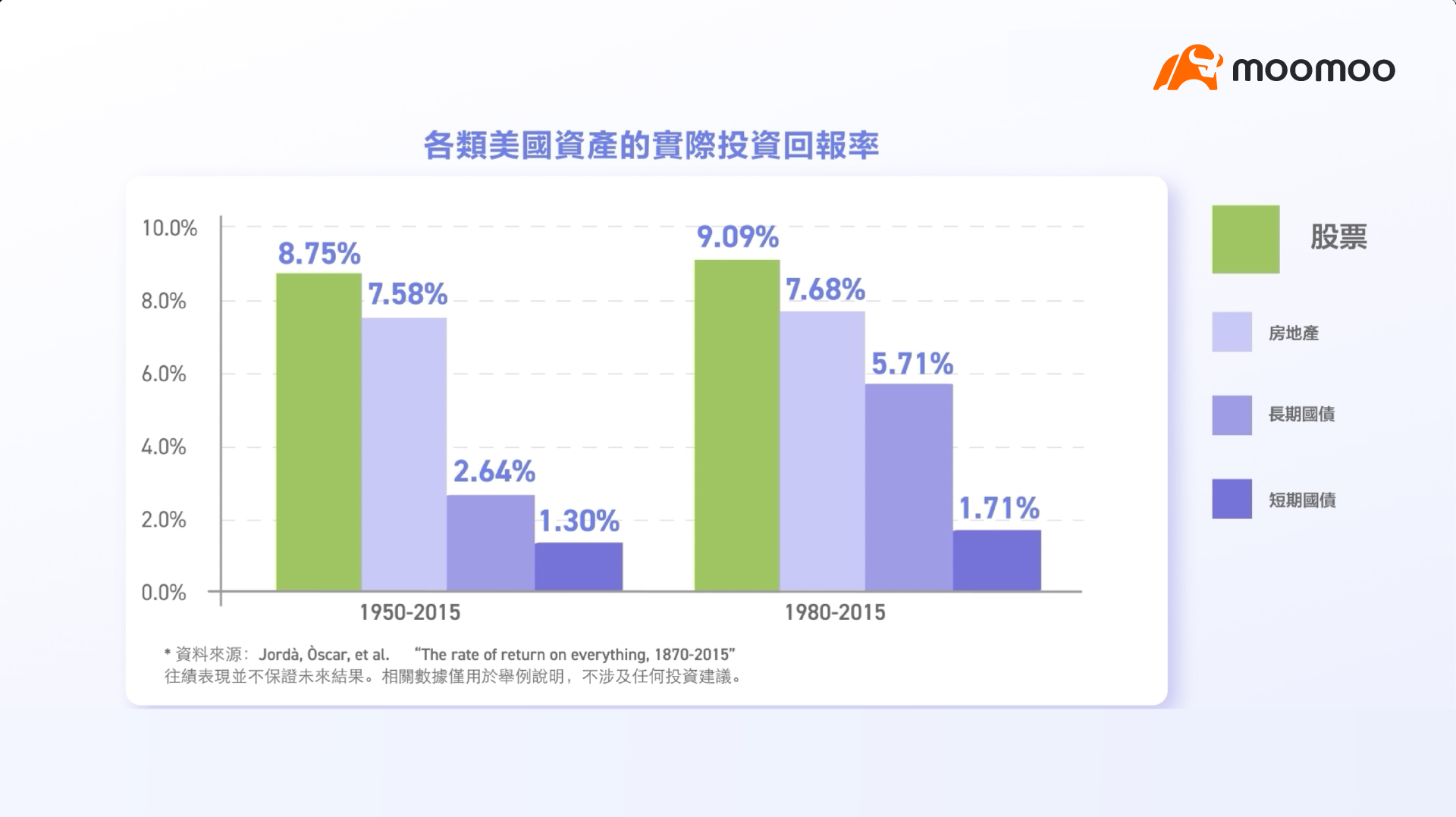
Historical data indicates that equity returns significantly outperform those of other asset classes.
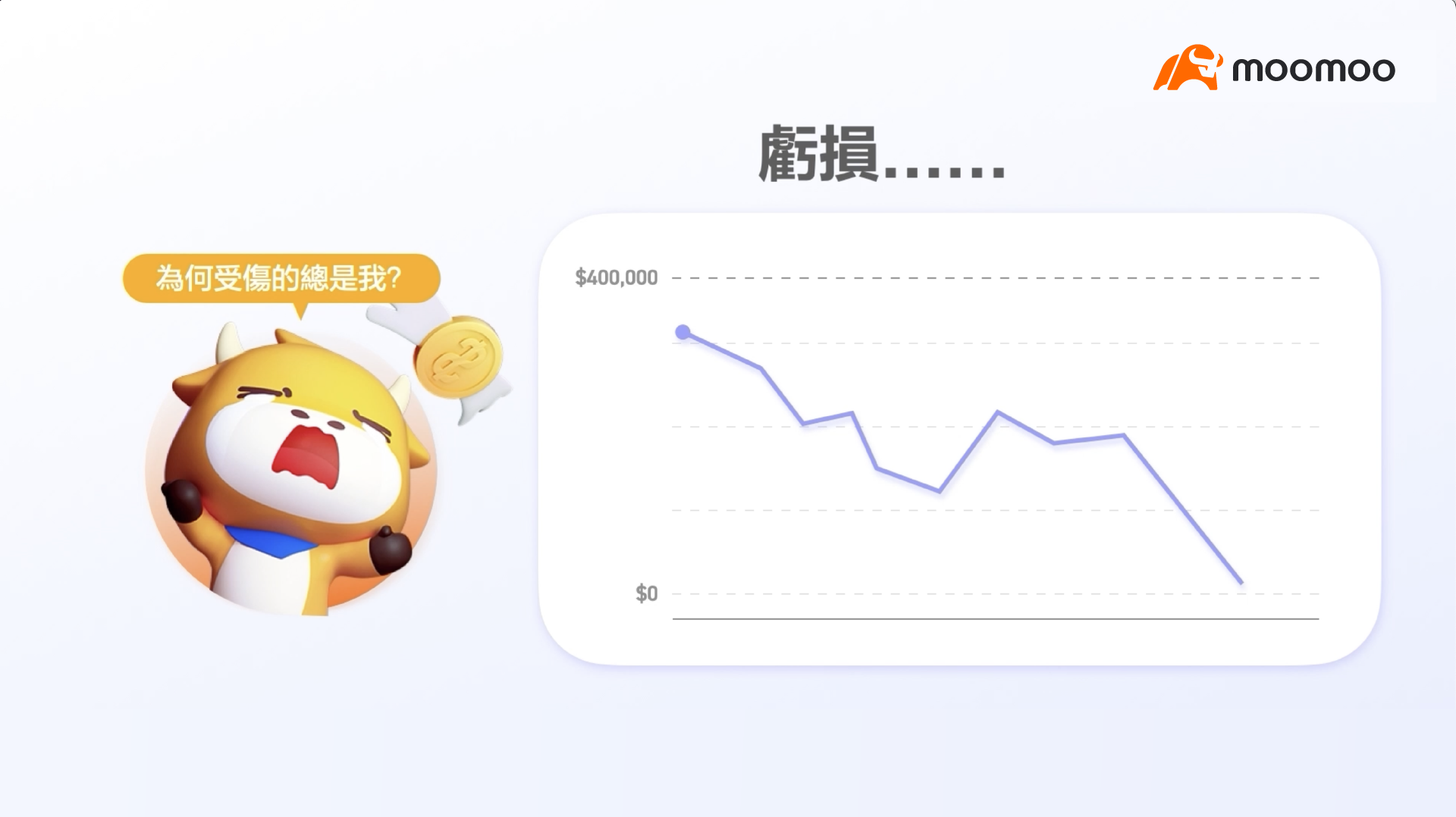
However, incurring losses in the stock market is not uncommon.
For novices in particular, experiencing significant setbacks in the stock market is a common occurrence.

Why do investors lose money in the stock market?
Because novices tend to make numerous mistakes.
However, through study and practical application, some of these errors can be avoided.
This is precisely the value of this course.
If you find this interesting,
let us embark on this learning journey together!

As we know, among mainstream investment asset classes, equities have historically delivered the highest returns.
Yet you may wonder: Are equity returns reliable? Can they be sustained?

Why raise this point?
Suppose you are preparing to plant an Apple tree.
Undoubtedly, this will require an investment of time, effort, and capital.
How can one secure sufficient seed funding?
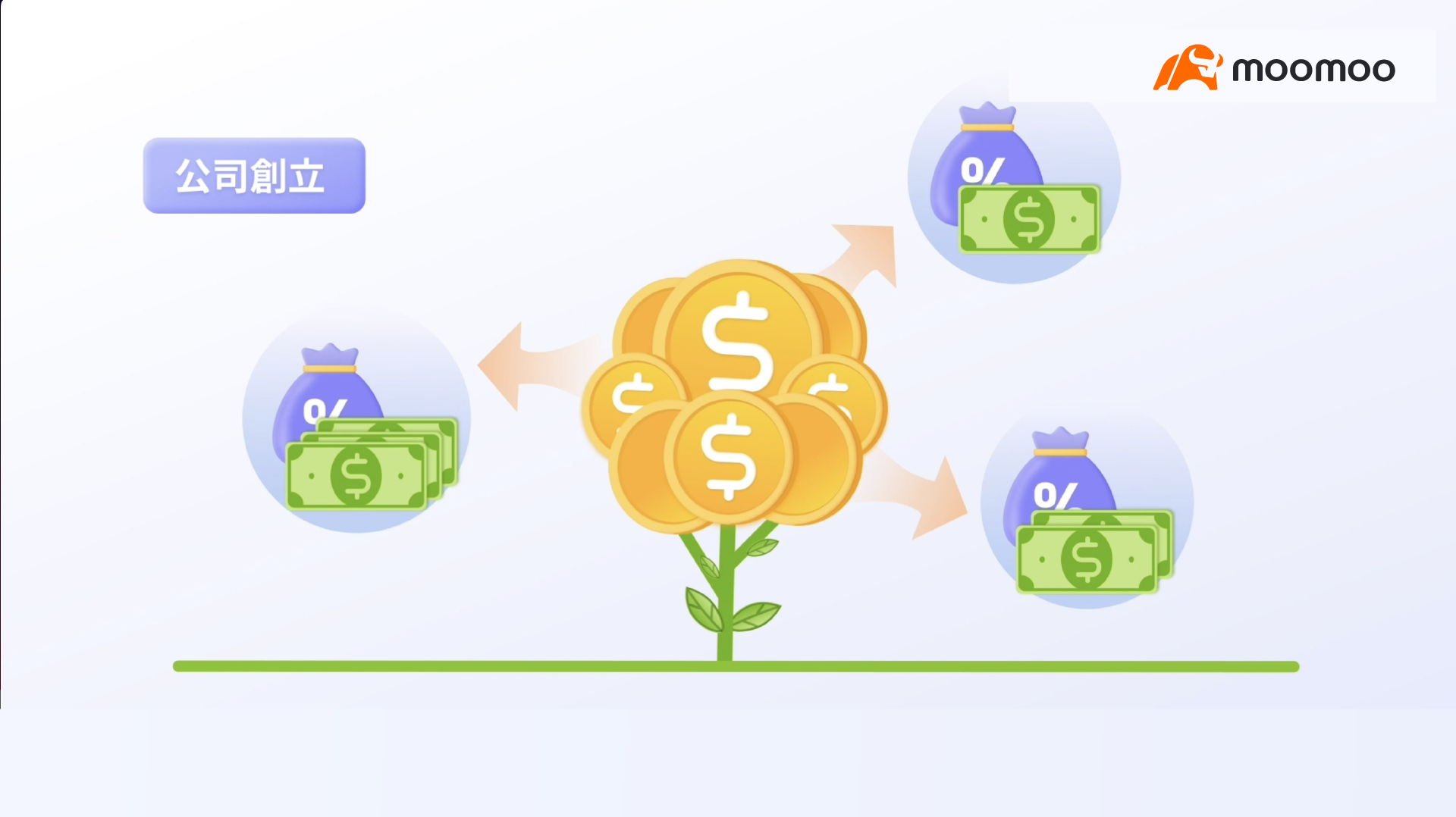
Capital can be raised from other investors.
Each investor becomes a shareholder in this tree, holding a portion of the equity.
The shares represent the investors' ownership of the fruit tree, entitling shareholders to a share of the future harvest.

Once funding is secured, begin planting the fruit trees and ensure they are meticulously cared for.
The process of cultivating fruit trees is akin to operating a company.

In the initial stages, significant time and effort are required.
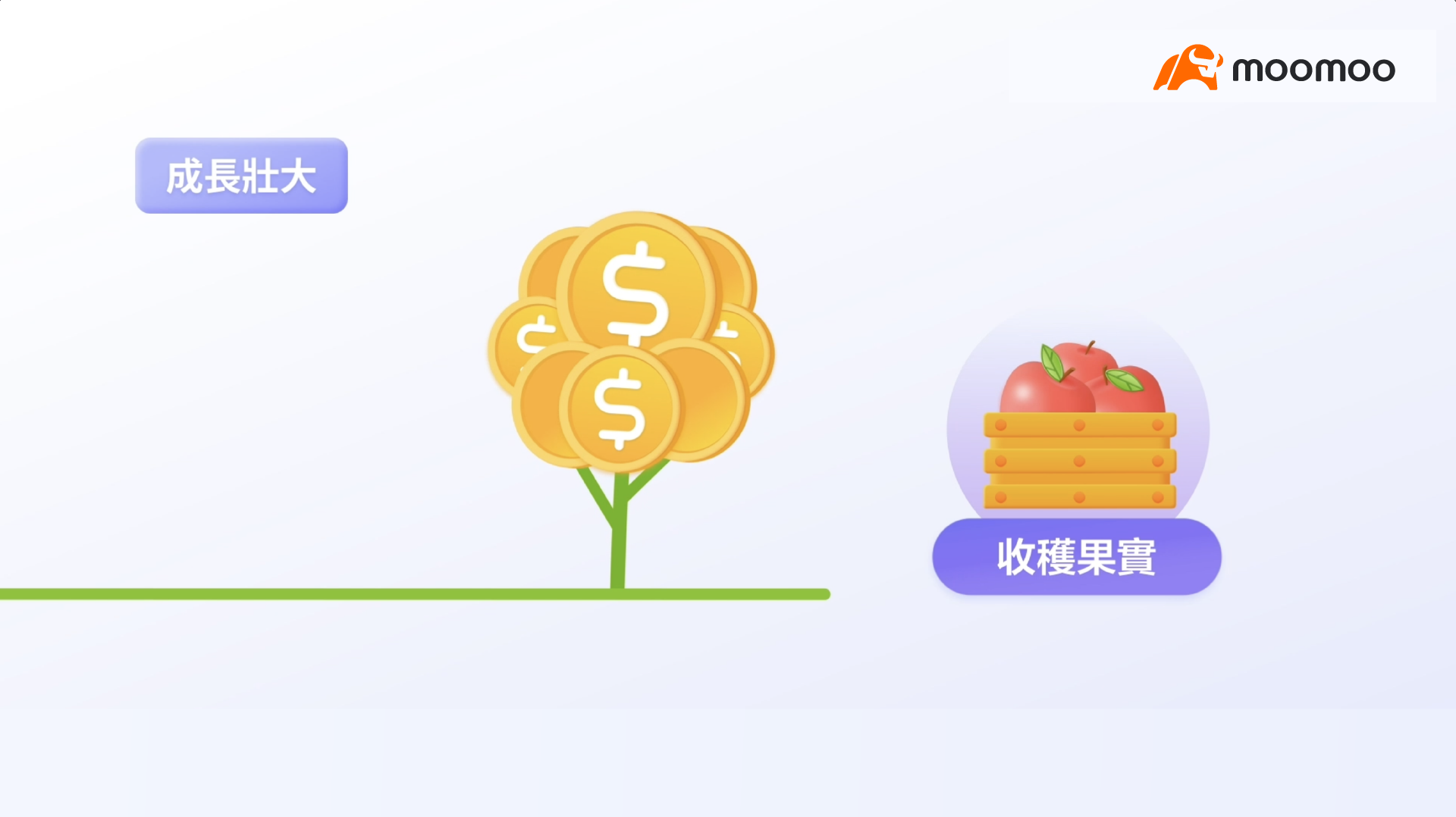
If the tree thrives, you will have the opportunity to harvest Apples during the peak season.
These Apples will be distributed to each shareholder as return on investment.
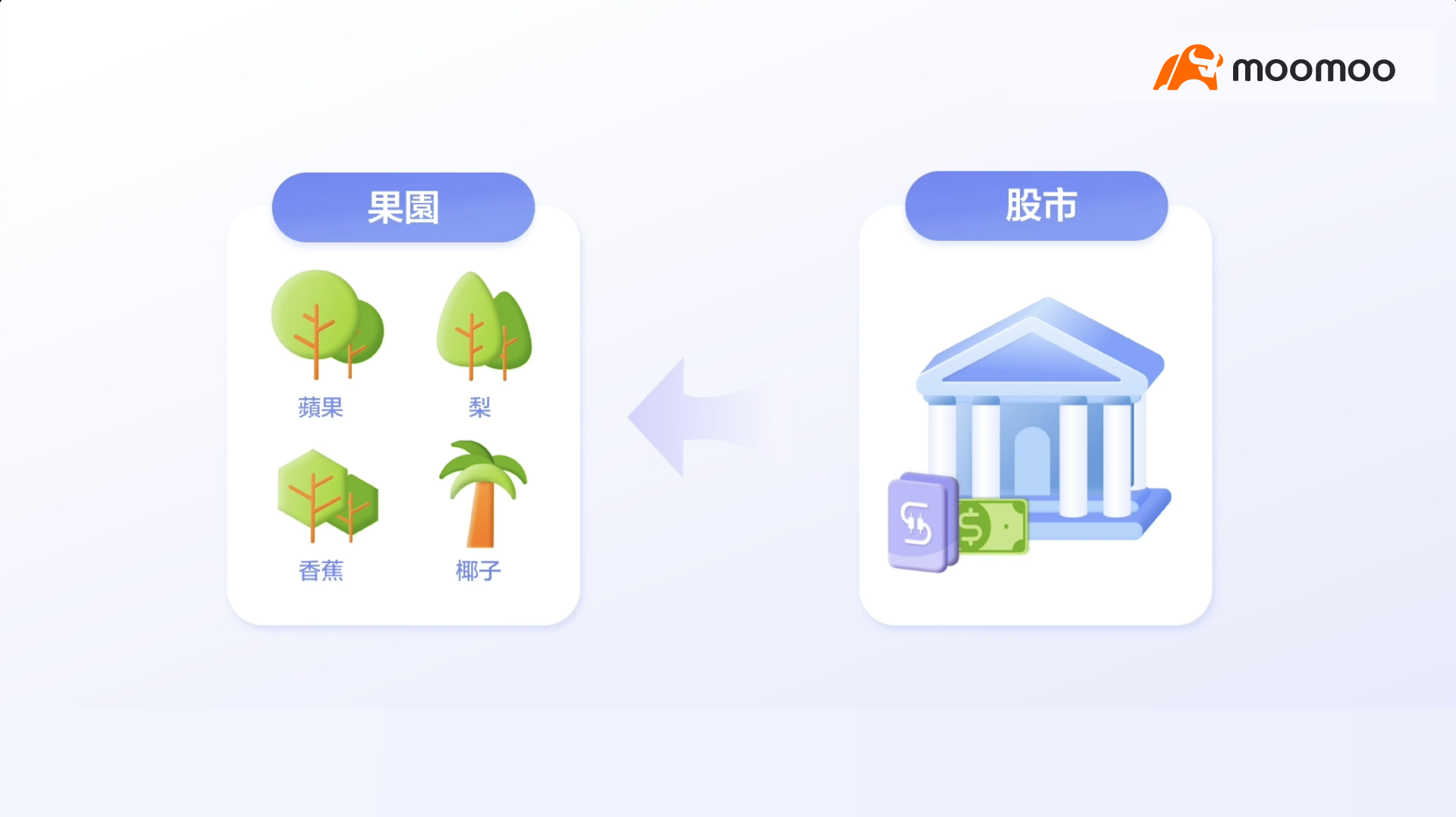
In a large orchard, there are various types of fruit trees in addition to Apple trees.
If stocks are likened to fruit trees, then the stock market is the orchard.

The stock market is the venue for the issuance and trading of stocks.
In the orchard, you can buy and sell shares of fruit trees.
Similarly, in the stock market, you can buy and sell company stocks.

We all seek high returns from our stock investments.
But do you know where stock market returns come from?
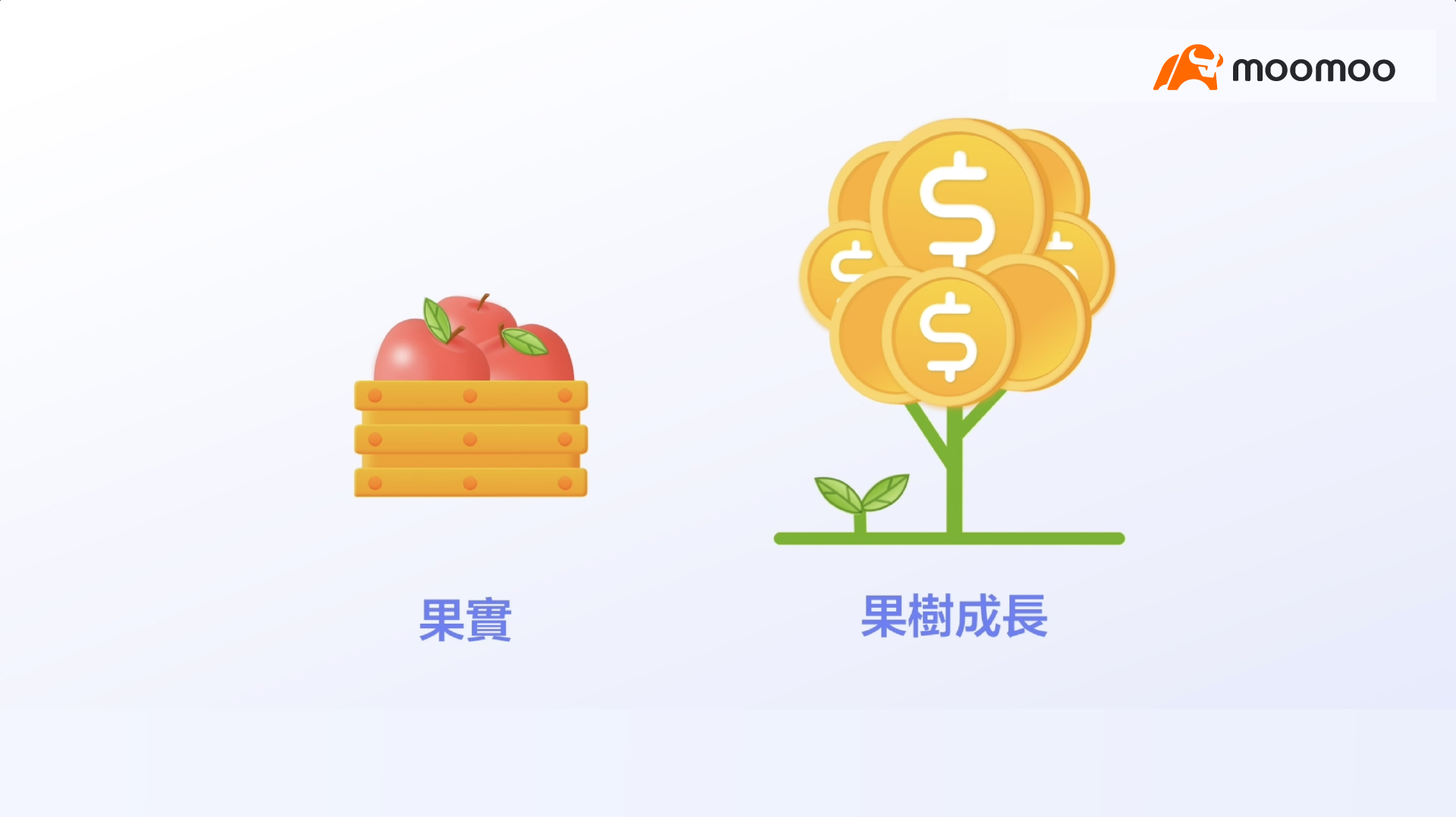
For an Apple tree, returns stem from two sources:
First, the fruit; second, the growth of the tree itself.

Likewise, returns from stocks also derive from two sources:
First, investment "dividends," which are akin to the fruit borne by a tree.
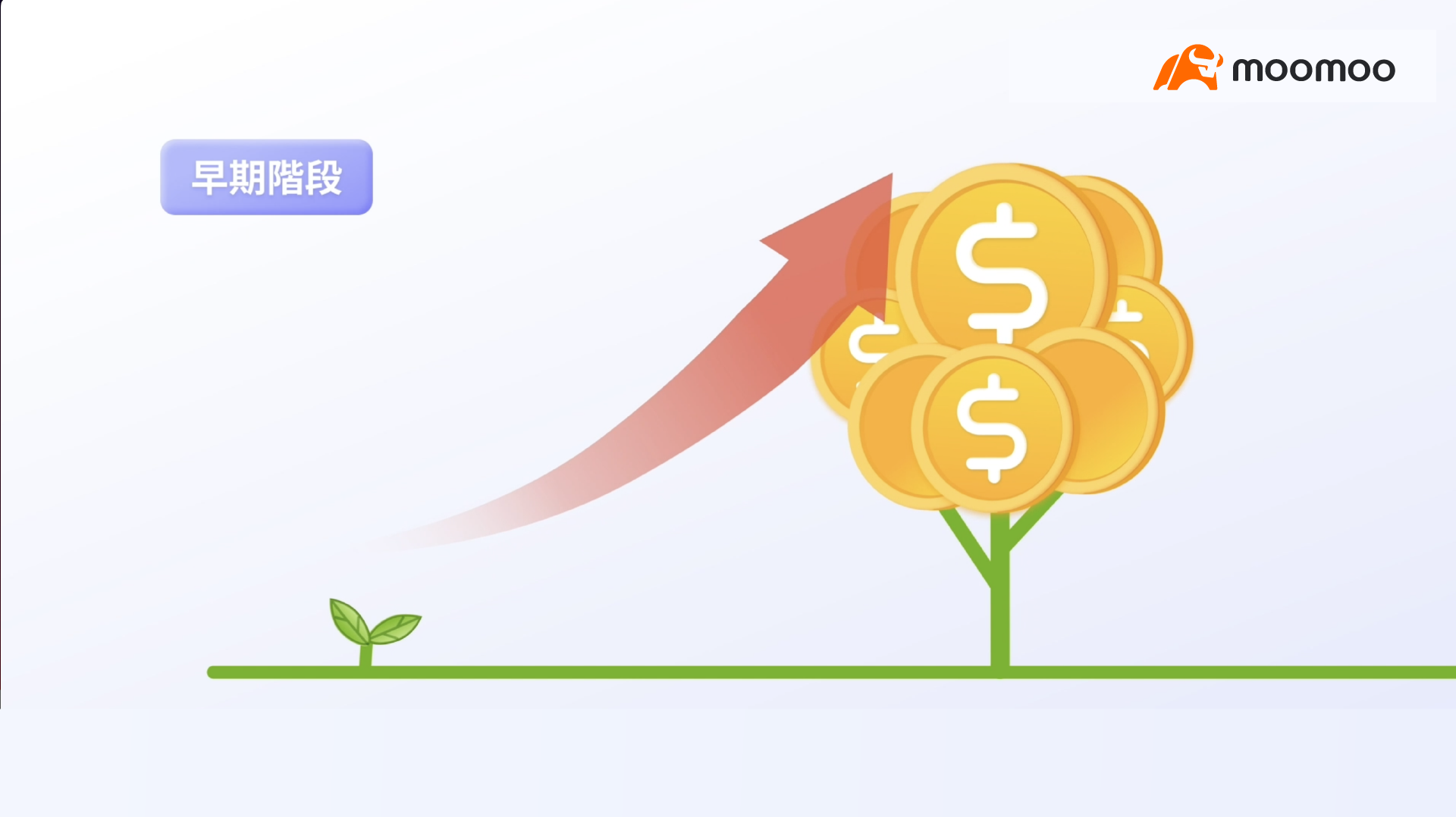
Second, value "growth," which is akin to a tree growing taller and larger.
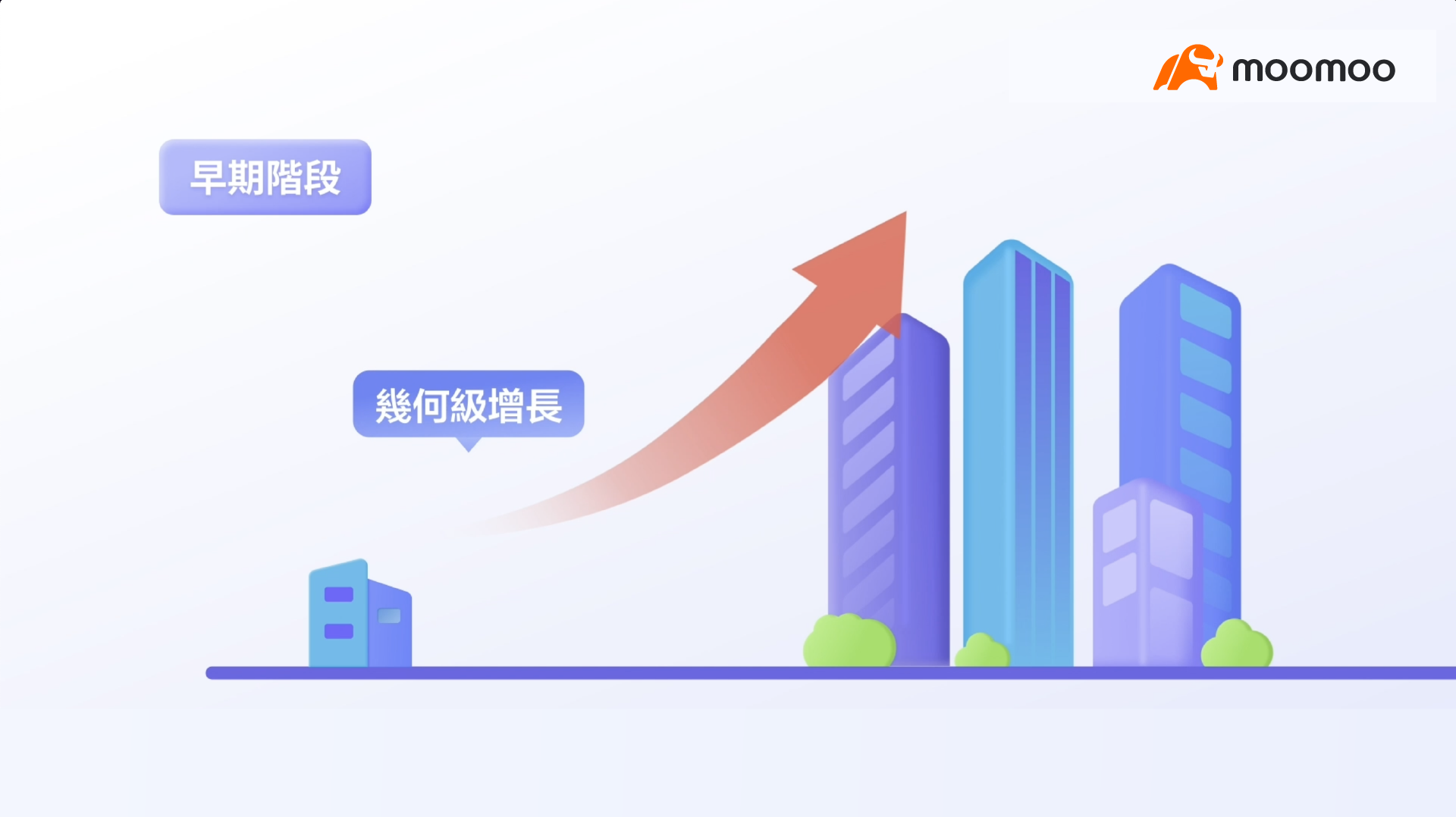
The transformation from a small sapling into a towering tree follows objective natural laws.
Generally, trees grow particularly rapidly in their early stages.
Much like many successful startups, which often experience exponential growth during the initial phase of their product launch.
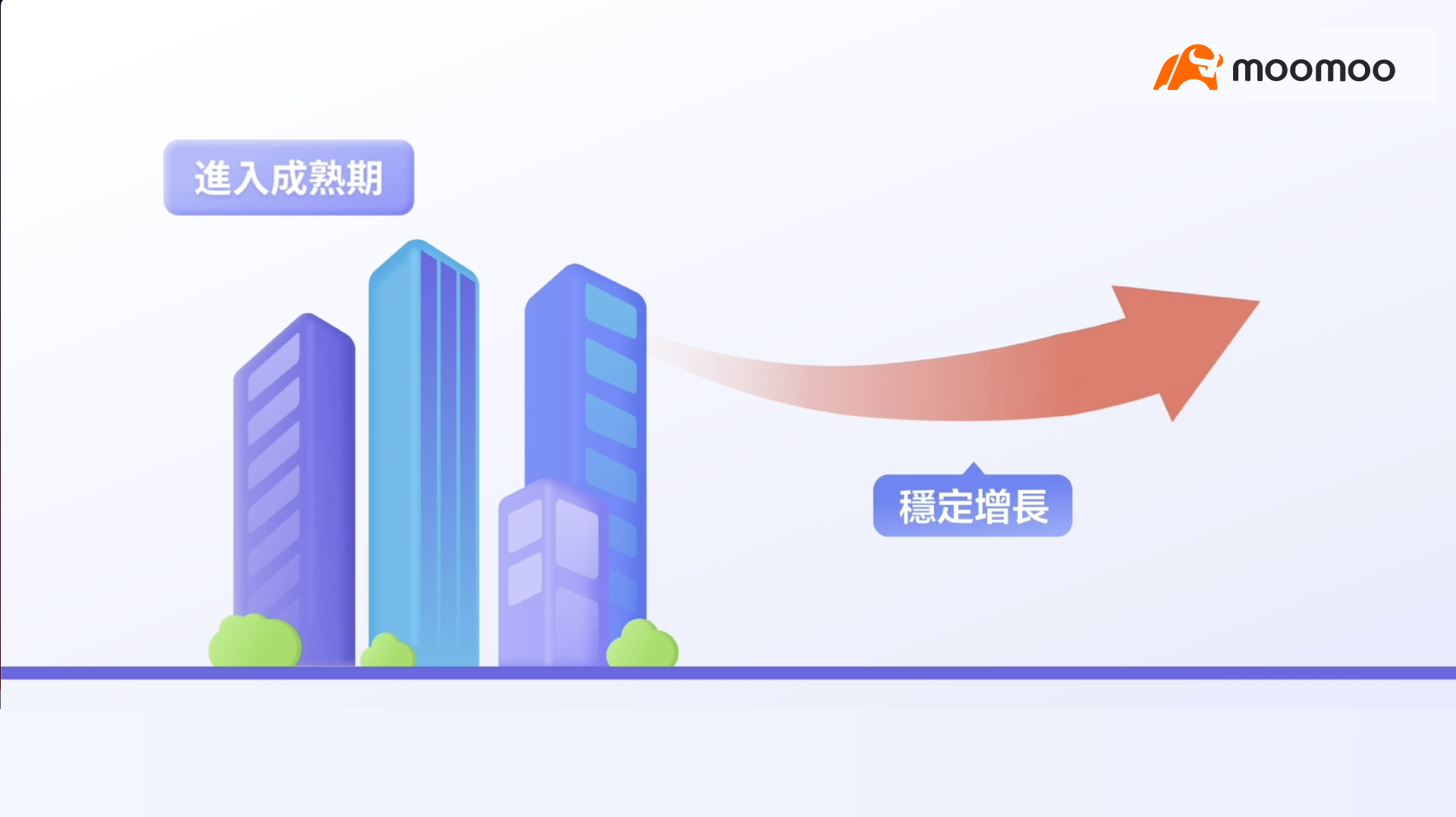
Upon reaching maturity, the tree begins to bear fruit steadily.
Companies follow a similar trajectory; after years of rapid development, their growth rate gradually decelerates.
Therefore, we can categorize companies into two types:
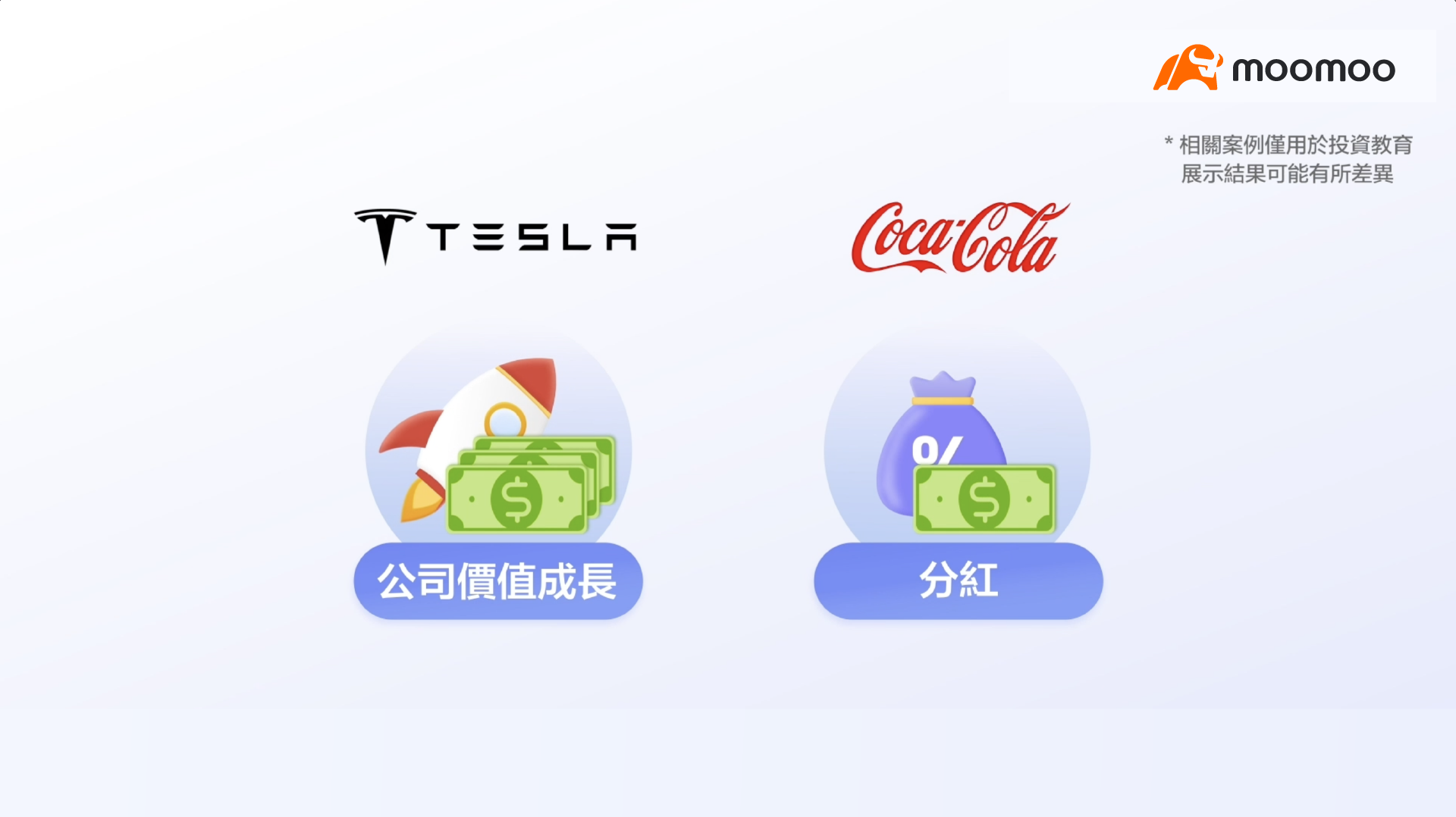
Growth-oriented companies, which offer lower dividends but possess significant growth potential.
Mature companies, which have limited growth space but typically offer high dividends.

For instance, Tesla has never paid dividends since its initial public offering in 2010, yet the company has achieved remarkable growth.
In contrast, Coca-Cola has experienced minimal growth over the past decade, but it has maintained a stable and high dividend payout.
Why do so many investors favor growth-oriented companies?
It is important to remember that returns from corporate growth typically far exceed those from dividends.
If you had purchased shares of both Tesla and Coca-Cola ten years ago and held them until today, your returns from investing in Tesla would significantly surpass those from Coca-Cola.

In summary, investing in stocks is akin to cultivating fruit trees.
The more time and effort you invest, the greater the likelihood of a bountiful harvest.
Furthermore, adopting the right methods and strategies is equally critical.
We will explore this topic further in subsequent lessons.
This presentation is for informational and educational use only and is not a recommendation or endorsement of any particular investment or investment strategy. Investment information provided in this content is general in nature, strictly for illustrative purposes, and may not be appropriate for all investors. Read more