Cheap or expensive? Use P/E and P/B ratios to assess.

We all recognize the importance of stock selection. But does stock selection constitute the entire investment equation?
If you purchase shares in a high-quality company, does it mean you can sit back and accumulate wealth without concern?
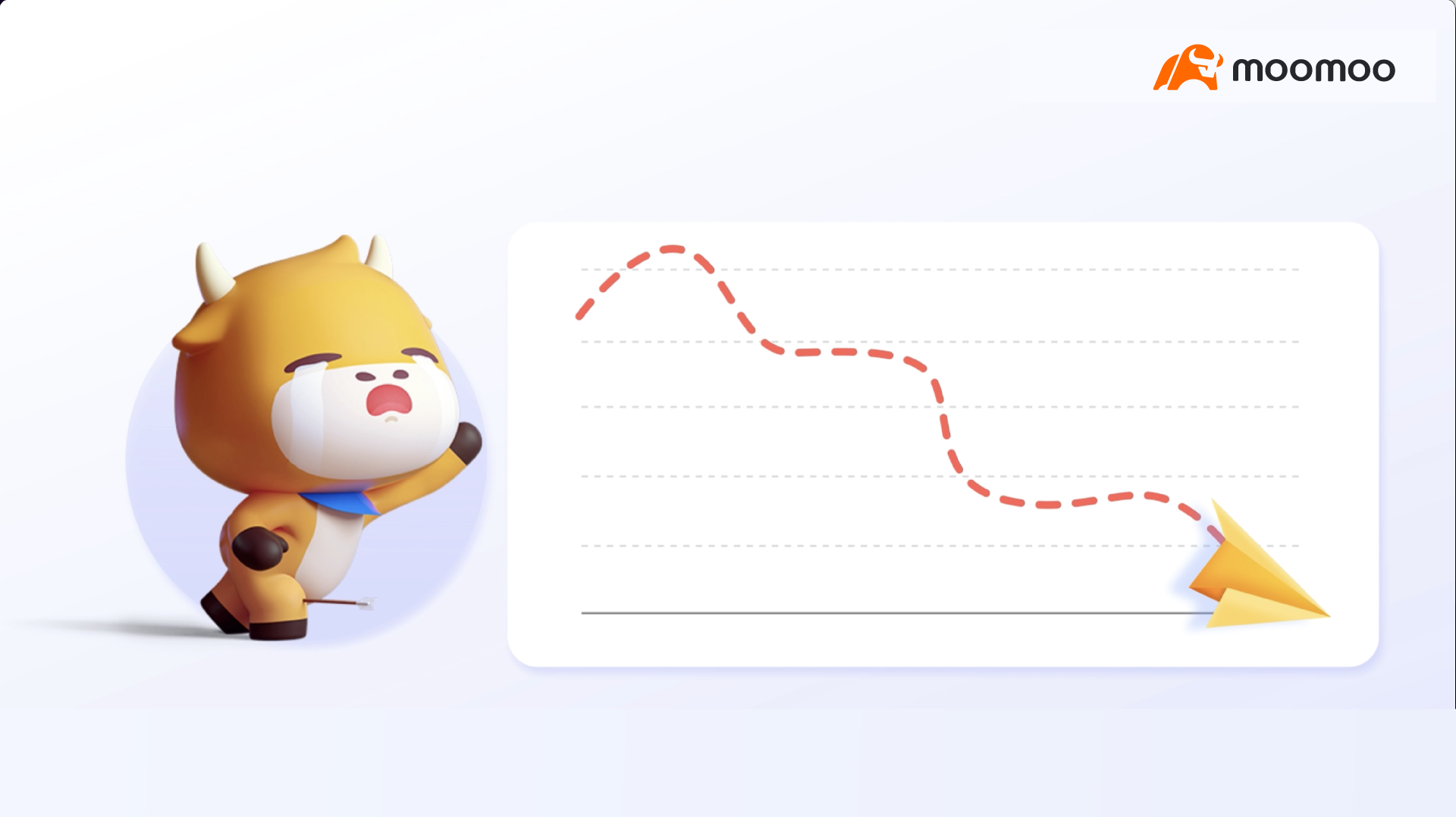
Certainly not!
Even for a superior company, overpaying for its shares is detrimental.
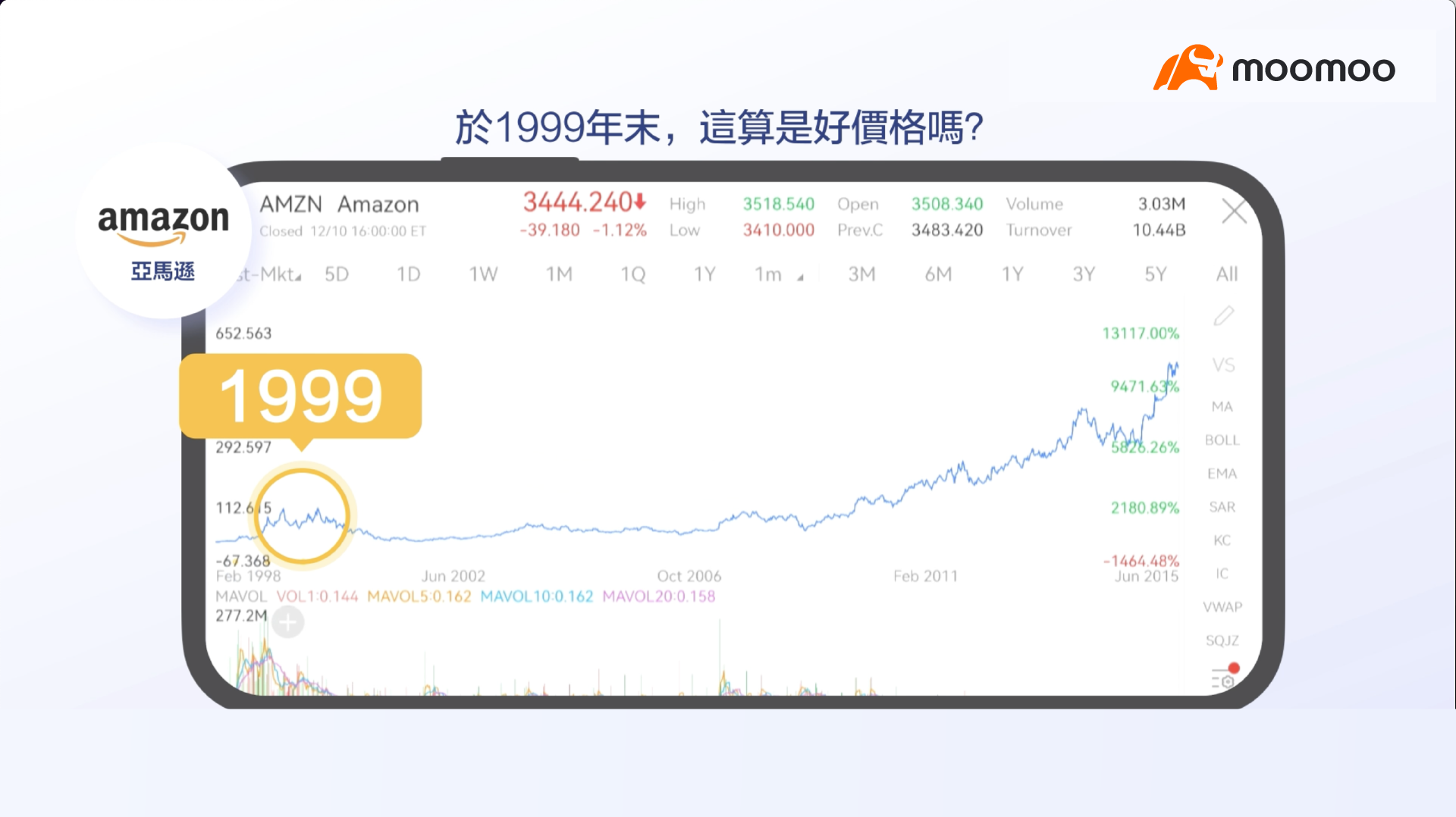
Take Amazon, for instance. While it is currently a company experiencing rapid growth in both performance and share price, it was not necessarily a sound investment target in late 1999.
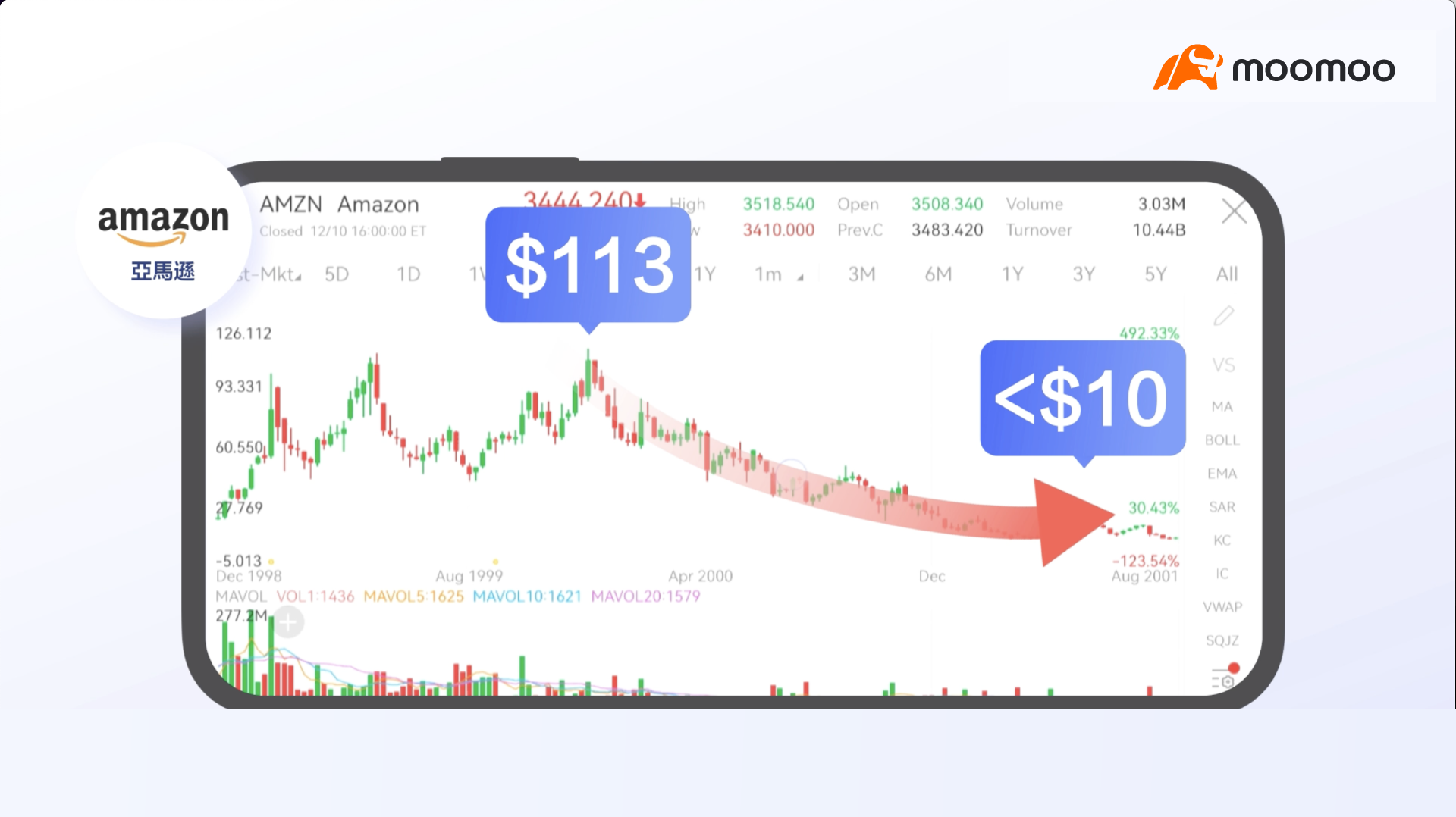
Had you invested in Amazon’s stock in 1999, you would have endured a roller-coaster ride, watching the share price plummet from over $100 to less than $10.
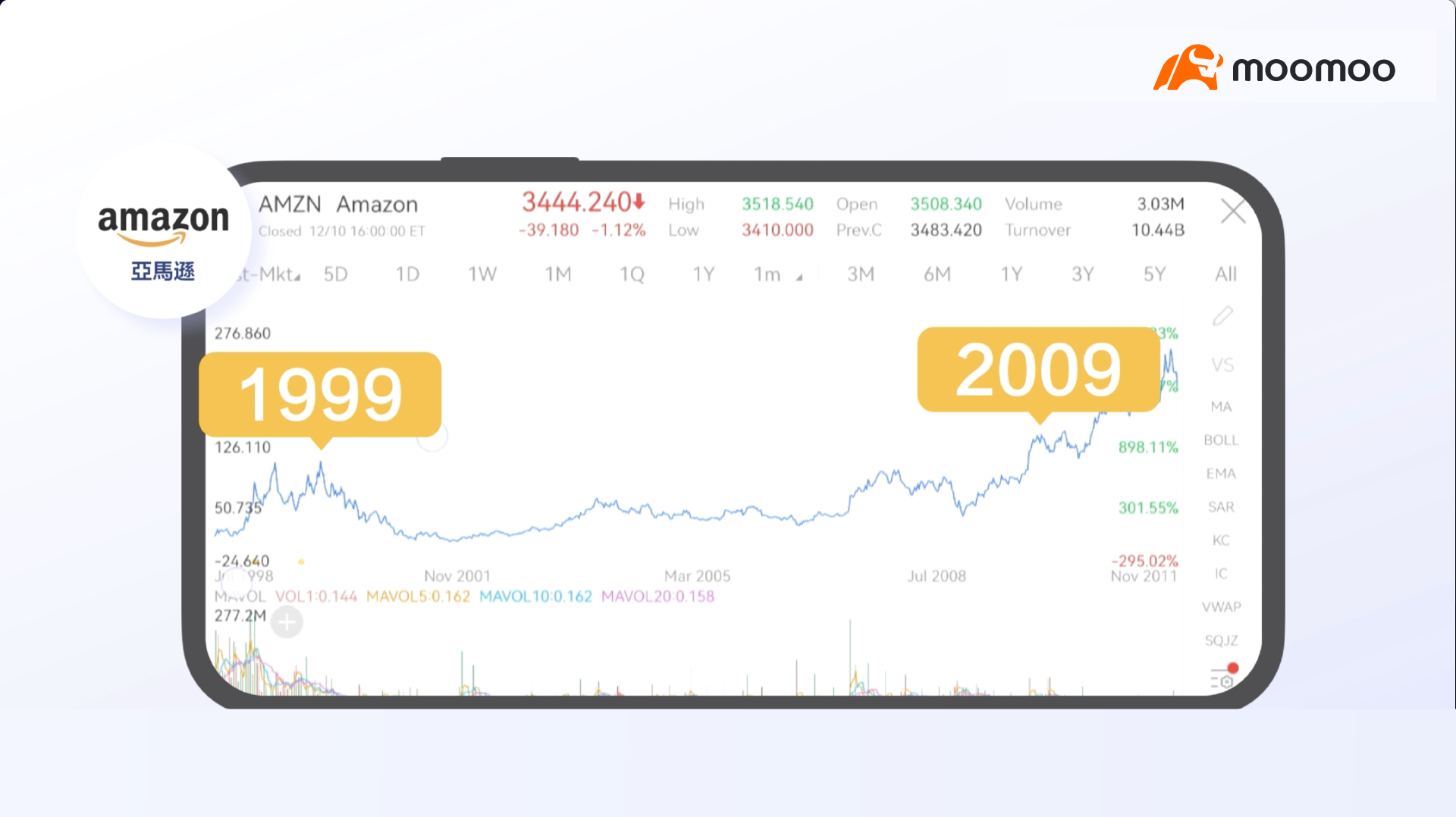
Following the burst of the dot-com bubble, it would have taken ten years to break even.

Could you withstand the distress of being trapped in a single stock for a decade?
"I can endure it; I have the resilience..." You may think this internally.
However, when actually confronted with a 90% loss, you might find it impossible to remain composed.

In fact, Warren Buffett, the "Oracle of Omaha," offered a piece of advice: "Buy a good company at a reasonable price."

This raises the question: How does one determine the fair value of a stock?
To better understand this, let us consider the following example.

There are two coffee shops: Niu Niu Coffee and Xiong Xiong Coffee.
Niu Niu Coffee generates an annual profit of $200,000, while Xiong Xiong Coffee generates an annual profit of $50,000.
Both coffee shops are now up for sale. Niu Niu Coffee is priced at $1 million, and Xiong Xiong Coffee is priced at $500,000.
If you were to acquire one of them, which would you choose?

To address this question, we can refer to one of the most commonly used valuation metrics: the Price-to-Earnings (P/E) ratio.
The P/E ratio indicates roughly how much investors are willing to pay for every $1 of a company's earnings.
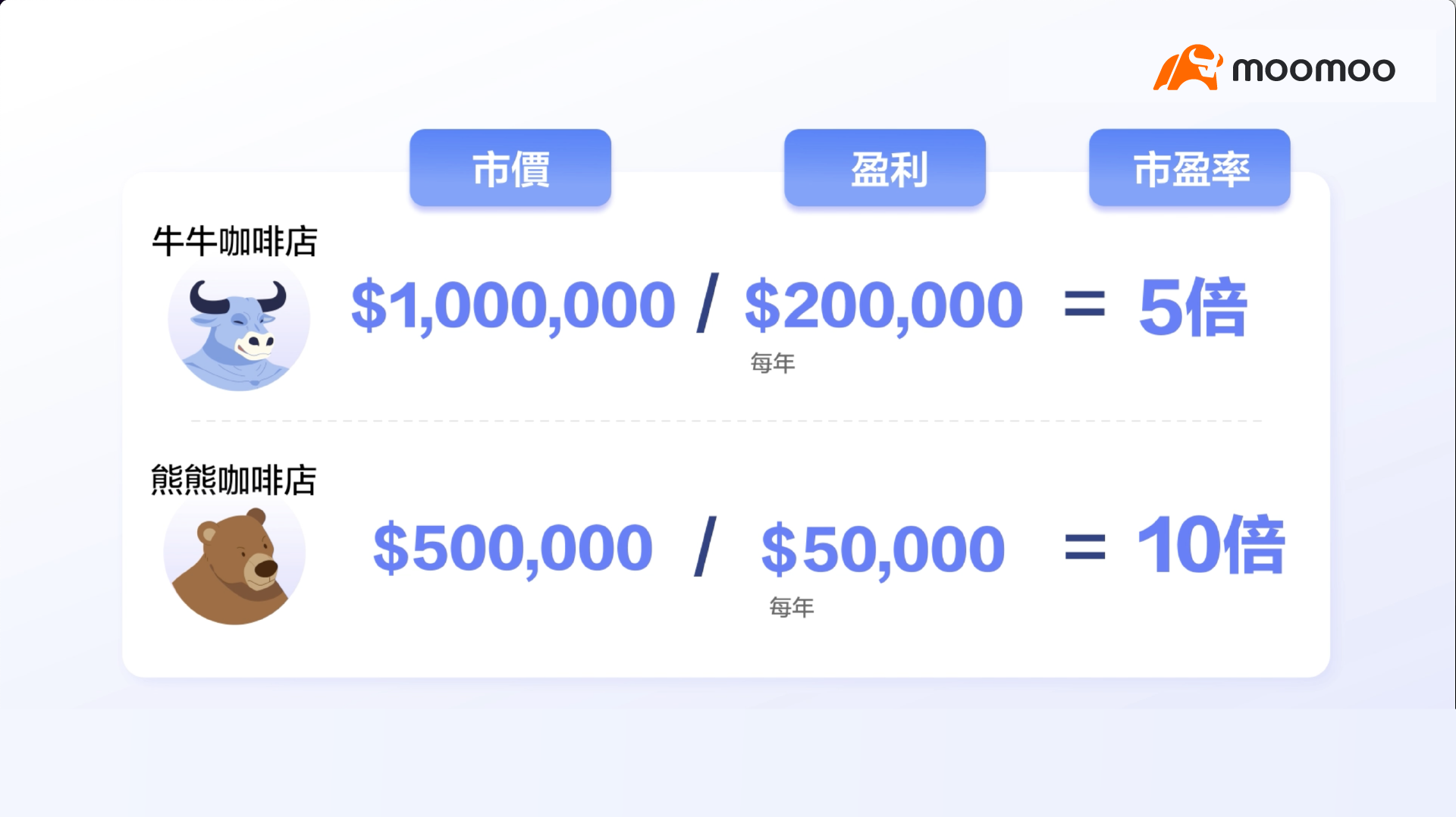
In the previous example, Niu Niu Coffee was priced at $1 million with earnings of $200,000.
Therefore, the P/E ratio of Niuniu Coffee Shop is 100/20 = 5x.
Similarly, the P/E ratio of Xiongxiong Coffee Shop is 50/5 = 10x.

In other words, if you acquire Niuniu Coffee Shop, it would theoretically take five years to recoup your investment.
Conversely, if you acquire Xiongxiong Coffee Shop, the payback period would be ten years.

Generally speaking, a higher P/E ratio may indicate that a stock is overvalued, and vice versa.

You might ask: "If a company is not profitable, how can we determine whether its stock price is overvalued or undervalued?"

In most cases, even if a company reports a loss, its book value (total assets minus total liabilities) often remains positive.

Therefore, when the P/E ratio is not applicable, we can use the Price-to-Book (P/B) ratio to assess the relative value of a stock.
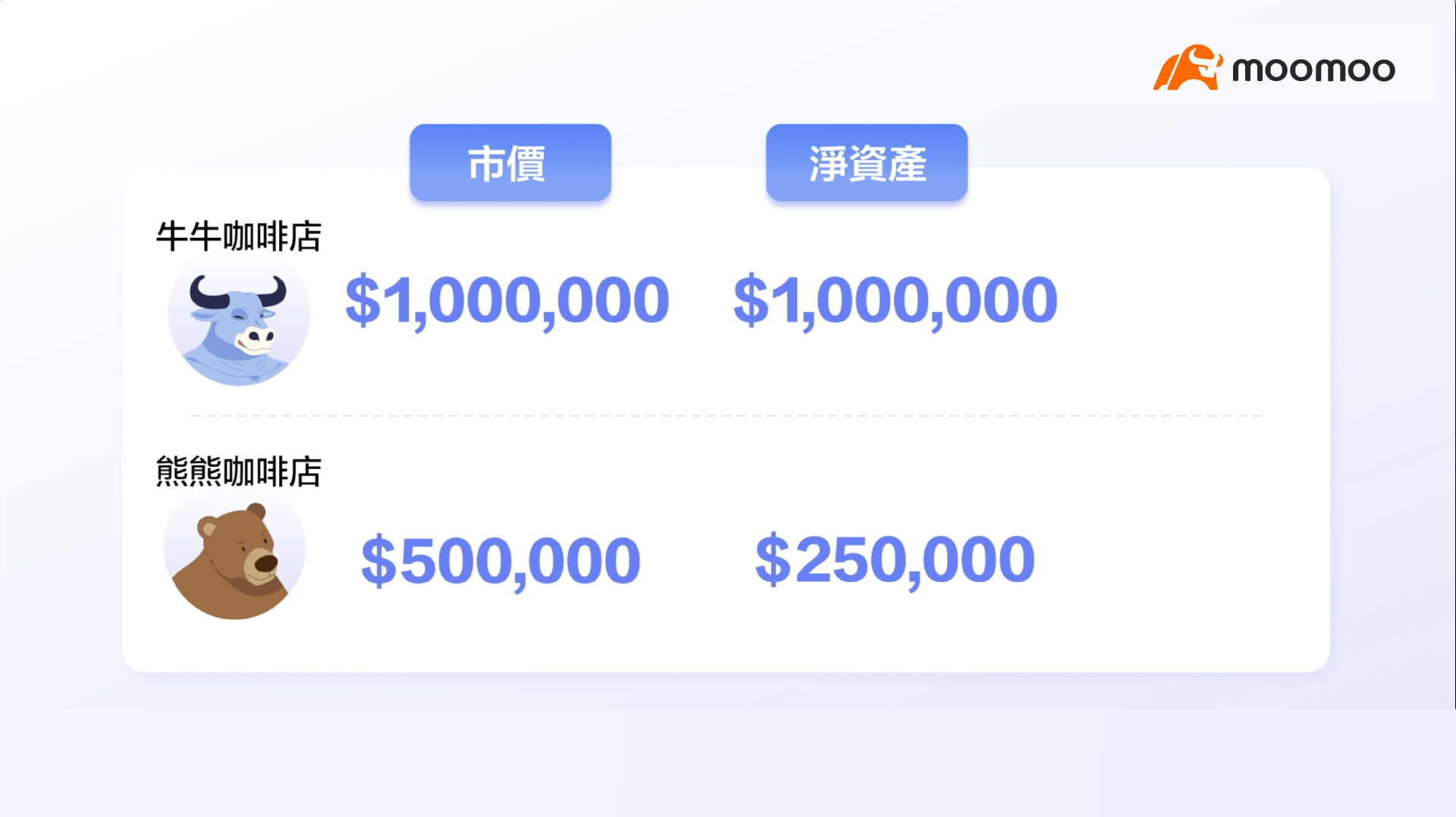
Let us continue with the case studies of the two coffee shops mentioned earlier.
Assume that the book value of Niuniu Coffee Shop is USD 1 million, while that of Xiongxiong Coffee Shop is USD 250,000, with the selling prices of both establishments remaining unchanged.
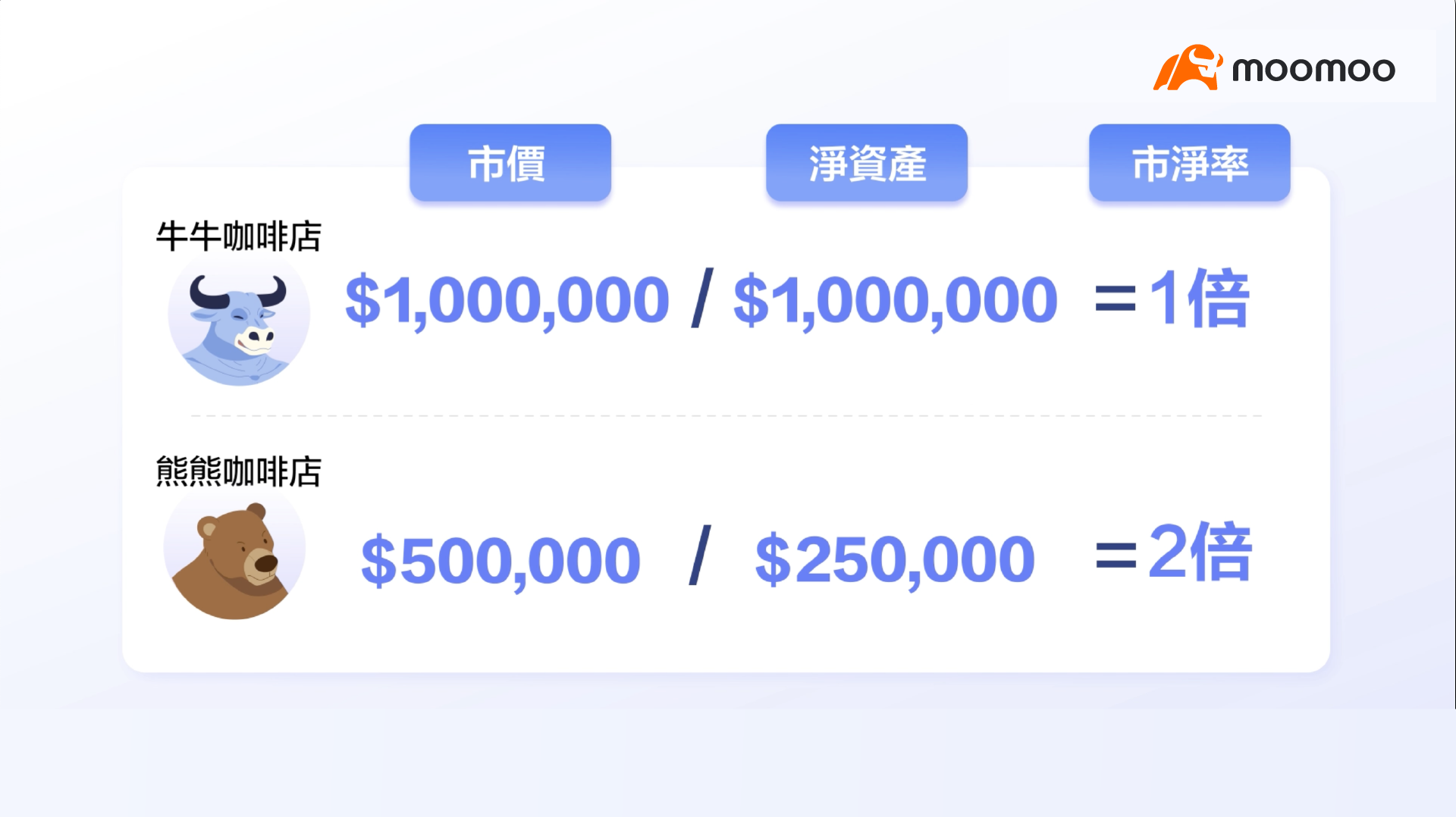
Thus, the P/B ratio of Niuniu Coffee is 100/100 = 1x, while that of Xiongxiong Coffee is 50/25 = 2x.

Generally speaking, a higher P/B ratio suggests that the stock price may be overvalued; conversely, a lower ratio may indicate undervaluation.

Using the P/B ratio as a metric, we can determine that acquiring Niuniu Coffee is more cost-effective, as you would pay less for each dollar of its net assets.

In summary, a sound investment decision hinges on two key factors: a quality company and an attractive price.
By analyzing the P/E and P/B ratios, we can broadly assess whether a company's current stock price represents good value.
That concludes the content for this chapter. In the next chapter, we will explore the secrets behind the charts together.
This presentation is for informational and educational use only and is not a recommendation or endorsement of any particular investment or investment strategy. Investment information provided in this content is general in nature, strictly for illustrative purposes, and may not be appropriate for all investors. Read more