What is a Bond and How to Buy U.S. Treasury Bond?
Key Takeaway
What is a Bond? A bond serves as a fixed-income tool representing an investor’s loan to a borrower, often a corporation or government.
U.S. Treasury bonds serve as the benchmark for the global lending market.
Top U.S. Bond ETFs: TLT/IEF/BIL/GOVT/TMF/TMV
 How to Buy U.S. Bond ETFs on Moomoo MY?
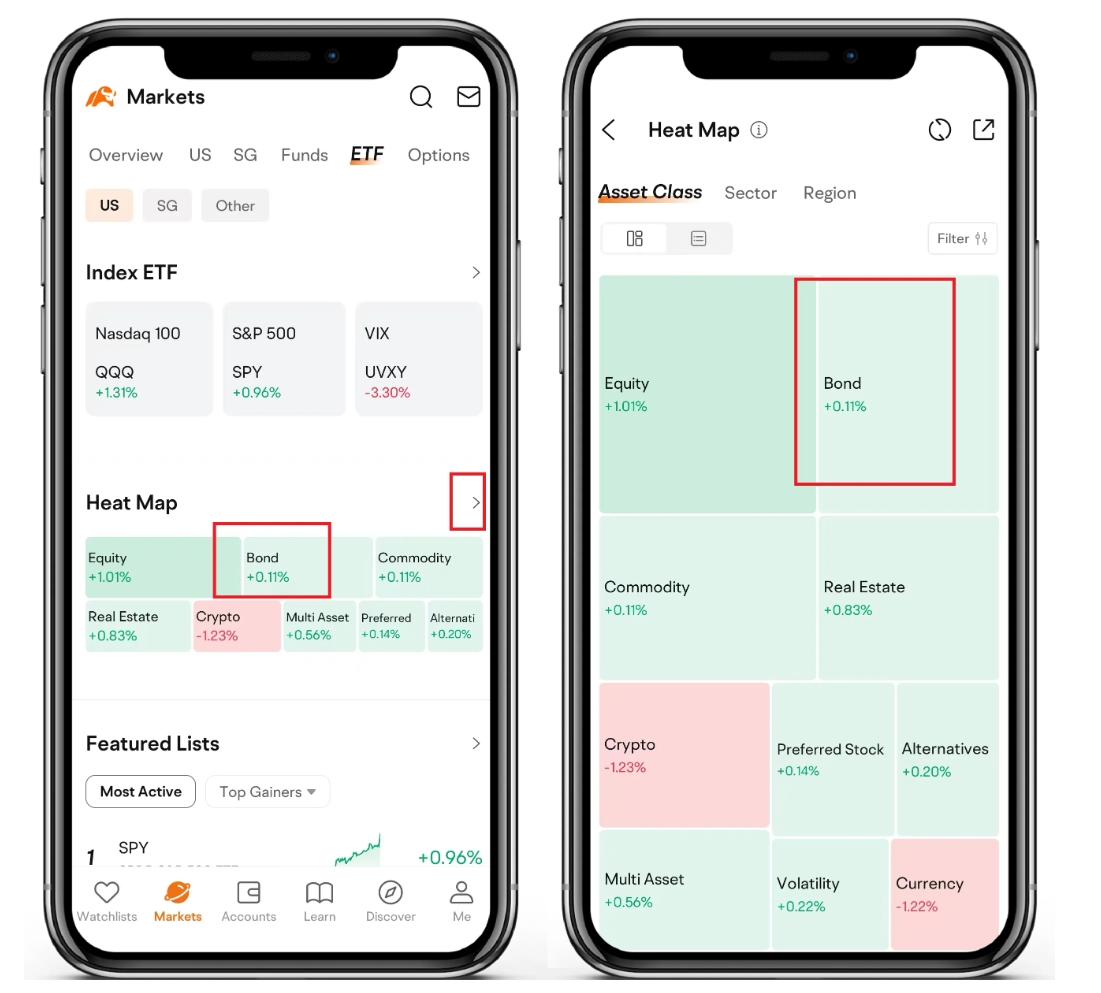
Open the app and go to [Markets]> [ETF]> [Heat Map] > [Bond]
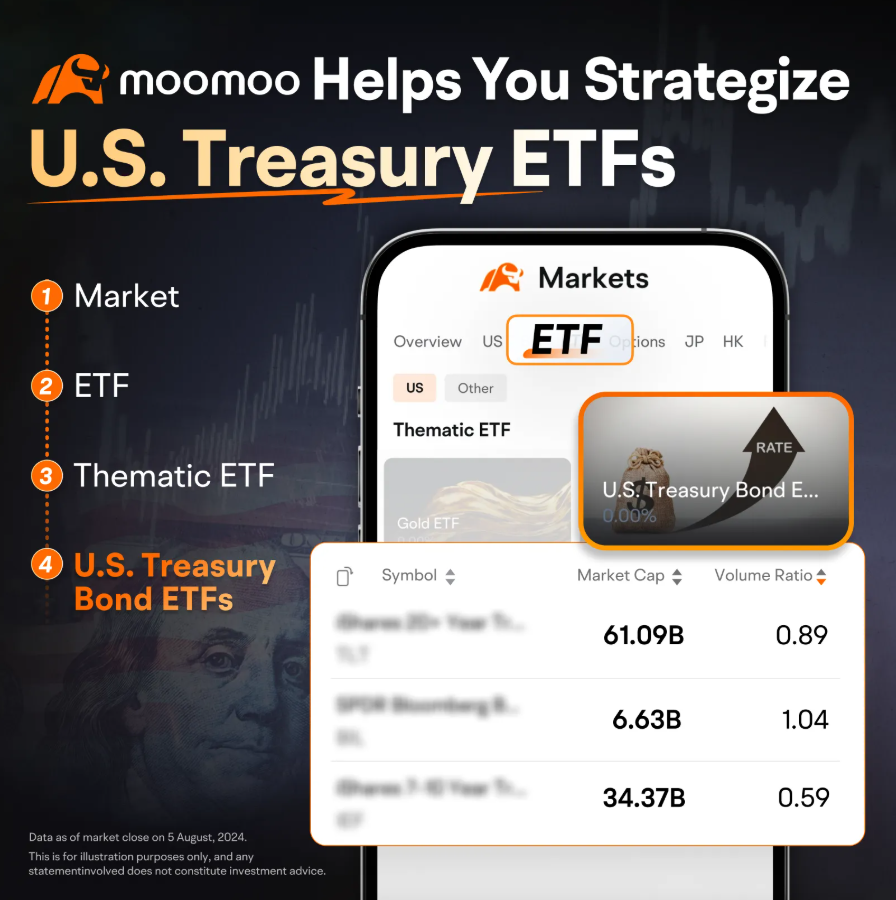
Get a list of U.S. Treasury Bond ETFs: On moomoo, go to Markets> ETF> Thematic ETF > U.S. Treasury Bond ETF
What is a Bond? A bond serves as a fixed-income tool representing an investor’s loan to a borrower, often a corporation or government.
U.S. Treasury bonds serve as the benchmark for the global lending market.
Top U.S. Bond ETFs: TLT/IEF/BIL/GOVT/TMF/TMV
How to Buy U.S. Bond ETFs on Moomoo MY?Open the app and go to [Markets]> [ETF]> [Heat Map] > [Bond]
Get a list of U.S. Treasury Bond ETFs: On moomoo, go to Markets> ETF> Thematic ETF > U.S. Treasury Bond ETF
In the world of investments, bonds stand as a cornerstone for both novice and seasoned investors seeking stability and income. Among them, U.S. Treasury Bonds are highly regarded for their reliability. What exactly is a bond, and how can you invest in these treasuries in Malaysia? Let's dive in.
The Impact of Trump Tariffs on the Bond Market: What is a Bond?
After Trump declared extensive "reciprocal" tariffs on the United States' trading partners on April 2, both bond yields and US stock prices dropped. However, soon after that, bond yields started to increase steadily, which was contrary to what people usually expect. A bank plays a crucial role in trading Treasury securities, and Douglas Porter, the chief economist at the Bank of Montreal, commented that this was "not normal behavior."
Last week witnessed substantial volatility in the 10-year Treasury yield. It ascended from 3.86% to surpass 4.5%, reaching a peak of 4.59% on April 11. The period from April 7 to April 11 saw the most significant weekly increase in more than twenty years. This notable rise was probably propelled by extensive bond sell-offs in the market.
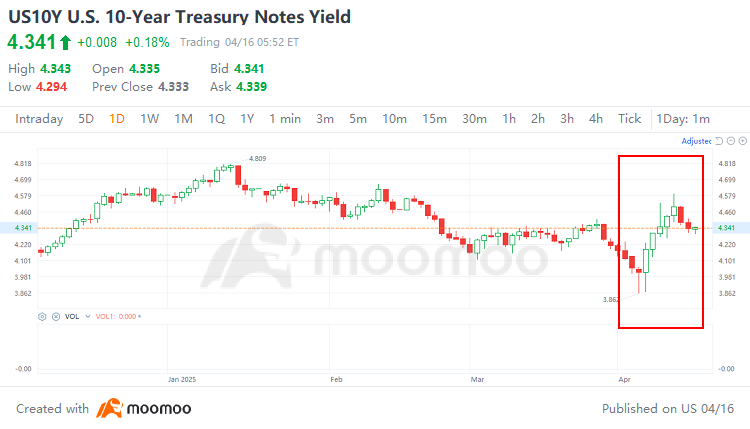
Nevertheless, when viewed from a long-term perspective, it is improbable that a high-interest-rate environment can be maintained over an extended period. Instead, interest rate cuts will likely materialize in the not-too-distant future. Once the interest rates are lowered, Treasury bonds are expected to experience additional upward momentum, thereby creating a promising investment prospect.
Now is the time to add US Treasury bond-related ETFs to your watchlist, such as the iShares 20+ Year Treasury Bond ETF, iShares 7-10 Year Treasury Bond ETF, and iShares 1-3 Year Treasury Bond ETF.

What is a Bond? Types & Features
A bond serves as a fixed-income tool representing an investor's loan to a borrower, often a corporation or government. Bonds can be newly issued or previously issued, and they are purchased through auctions or secondary markets. Bonds have long been a cornerstone of financial markets, tracing their origins back centuries to facilitate capital accumulation. Initially used by governments to fund wars and infrastructure, bonds evolved into versatile instruments embraced by corporations and individuals seeking investment avenues.
Analogous to an I.O.U., it outlines the loan specifics and payment schedule, commonly employed by corporations, municipalities, states, and sovereign entities for funding initiatives. Bondholders, essentially creditors, await repayment. Pertinent details encompass the maturity date for principal repayment to the bondholder and stipulations regarding the borrower's variable or fixed interest payments, including the face value of the bond, which is the amount the issuer agrees to pay back at maturity.
U.S. Treasury bonds serve as the benchmark for the global lending market. Banks across the globe utilize them to set prices for other financial instruments. As a result, any abnormal activity within this bond market has the potential to generate ripple effects across a wide range of other markets.
How do Bonds Work?
Bonds, issued by governments and corporations, serve as a means to raise capital from investors. Selling bonds is akin to borrowing from the issuer, while buying them is an investment for the purchaser, returning repayment of principal and a stream of interest. Certain bonds provide additional advantages, like the option to convert into shares of the issuing company's stock.
Trade U.S. Treasury Bond ETFs Smarter with Moomoo Malaysia! Get your exclusive Welcome Rewards!
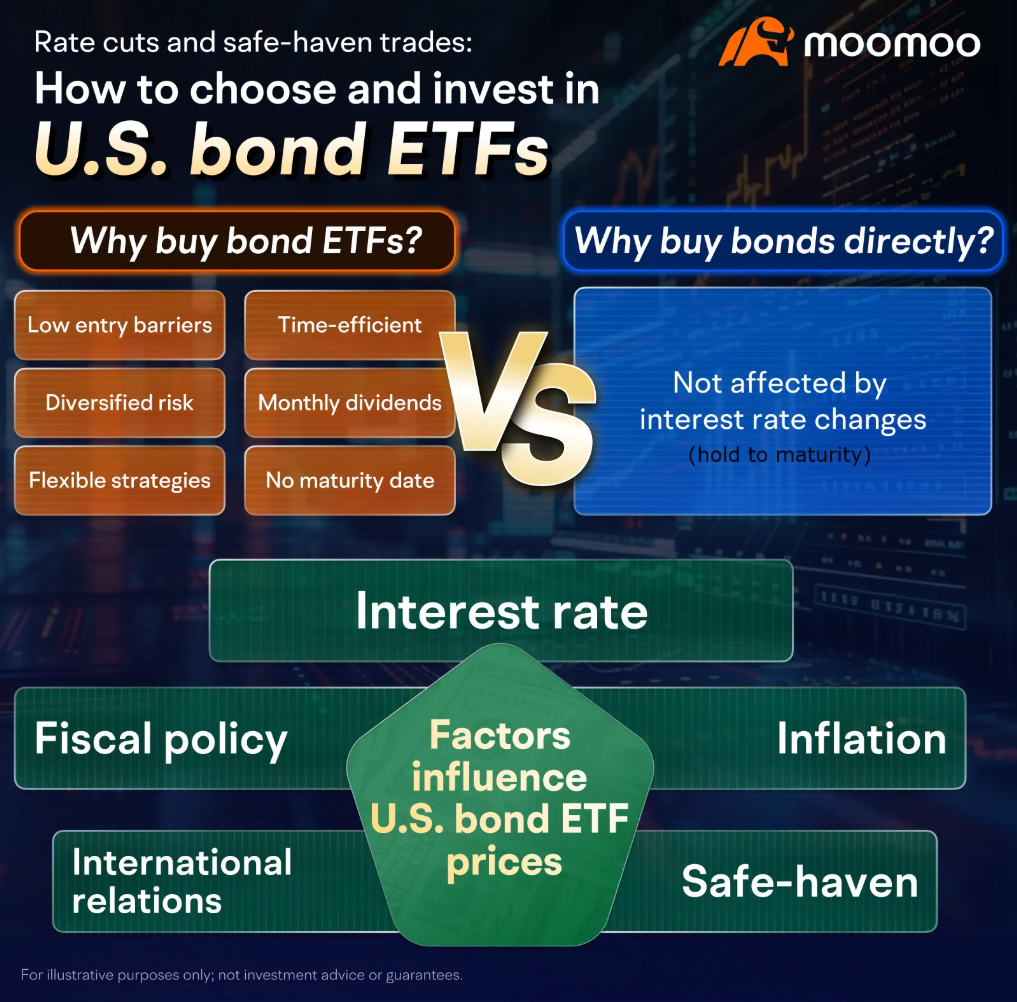
The bond market typically reacts inversely to interest rates, with bonds trading at a discount during rate hikes and at a premium during rate decreases. The price of the bond can fluctuate based on market conditions, including changes in interest rates and economic factors. The value of the bond can change over time due to market demand and interest rates.
Types and Features of Bonds
A bond constitutes a contract between the issuer and bondholders, with key features including issuer identity, maturity date, coupon, face value, bond price, and yield. These attributes shape a bond's cash flows, influencing an investor's anticipated and actual returns. The yield of a bond can vary based on its maturity and the issuer's credit rating.
There are four main categories of bonds:
Bond Type | Description | Sub-types | Characteristics of Sub-types |
Corporate bonds (Issued by private and public corporations) | Debt instruments issued by corporations | Investment-grade bonds | Characterized by a superior credit rating, indicating lower credit risk compared to high-yield corporate bonds |
High-yield bonds | Have a lower credit rating, signifying higher credit risk than investment-grade bonds. | ||
Municipal bonds (Issued by states, cities, counties, and other governmental entities; also known as "munis") | Debt securities issued by governmental entities | General obligation bonds | Issued by state or local governments and payable from either a general fund or specific taxes, such as property tax |
Revenue bonds | Backed by revenues from a specific project or source, like highway tolls or lease fees. | ||
Conduit bonds | Issued by governments on behalf of private entities, like non-profit colleges or hospitals. Conduit borrowers repay the issuer, who then pays bond interest and principal. | ||
U.S. Treasuries (Issued by the U.S. Department of the Treasury on behalf of the U.S. government) | Carry the full faith and credit of the U.S. government, a secure and popular investment | Treasury Bills | Short-term securities maturing in 4 to 52 weeks |
Notes | Longer-term securities maturing within ten years | ||
Bonds | Long-term securities typically maturing in 30 years and paying interest every six months | ||
TIPS (Treasury Inflation-Protected Securities) | Notes and bonds with a principal adjusted based on changes in the Consumer Price Index. | ||
Agency bonds | Commonly issued by specific U.S. government agencies, especially those related to housing | N/A | The majority of agency bonds are liable to federal and state taxes |
How to Buy U.S. Treasury Bonds in Malaysia?
With the right guidance and resources, buying U.S. Treasury Bonds from Malaysia can be a straightforward and rewarding endeavor. Here's a step-by-step guide on how to buy U.S. Treasury Bonds in Malaysia:
Open an International Trading Account
Since U.S. Treasury Bonds are traded on international markets, you'll need to open an international trading account with a reputable brokerage that offers access to these markets. Moomoo MY provides a seamless solution with its Universal Account. You may need to transfer funds from a bank account to your trading account. By opening a universal account on Moomoo MY, investors gain a world of opportunities at their fingertips, such as US stocks, MY stocks, and HK stocks etc.
How to Open a Universal Account on Moomoo MY?
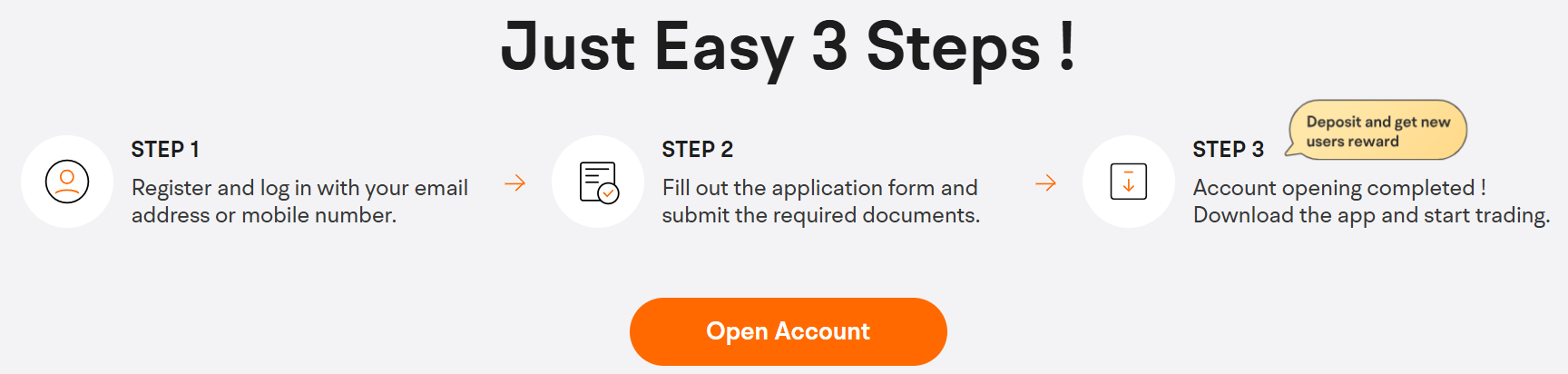
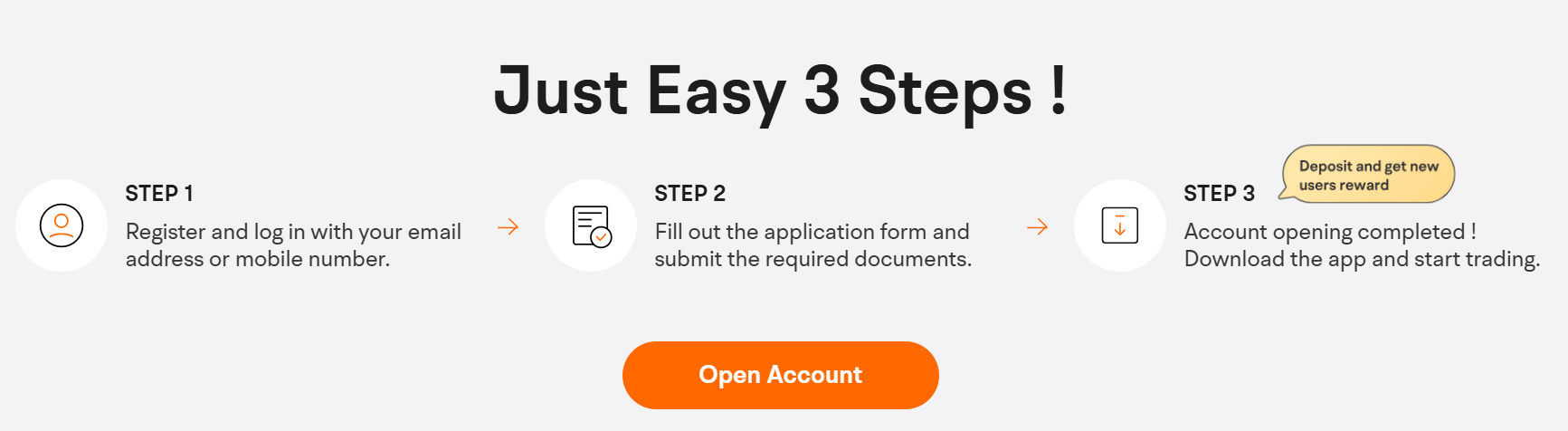
Step 1: Sign up and log in using either your email address or mobile phone number.Step 2: Complete the application form and upload the necessary documents.
Step 3: Congratulations! Your account has been successfully opened. Download our app and begin trading right away.

Fund Your Trading Account and Place an Order
Once your international trading account is set up, you have to fund it. This typically involves transferring funds from your Malaysian bank account to your trading account. After selecting the U.S. Treasury Bonds you want to buy, it's time to place your order through your trading platform. You'll typically need to specify the number of bonds you wish to purchase, the price of the bonds you're willing to pay, and any other relevant details.
How to Buy U.S. Bond ETFs on Moomoo MY?
1. Open the app and go to [Markets]> [ETF]> [Heat Map]> [Bond]
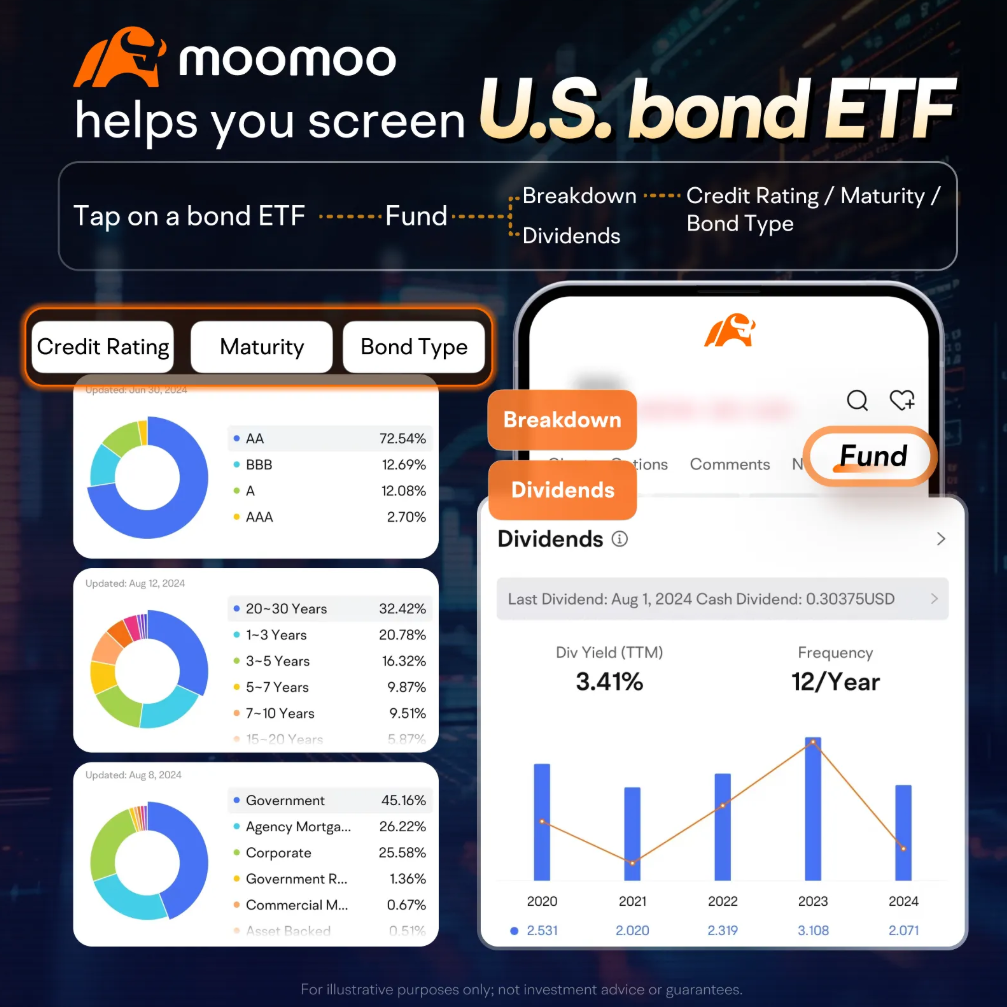
2. Evaluate Bond ETFs: On the moomoo platform, once you've accessed the detailed quotes page of a bond ETF, simply tap on the Fund> Breakdown/Dividends /Profile to access and view relevant metrics for analysis, such as historical performance, expense ratio, etc.
3. Get a list of U.S. Treasury Bond ETFs: On moomoo, go to Markets> ETF> Thematic ETF> U.S. Treasury Bond ETF
Why Choose U.S. Treasury Bonds in Malaysia?
For investors in Malaysia seeking a secure, stable, and potentially lucrative investment option, the U.S. Treasury Bonds stand out as an excellent choice. Here are several compelling reasons why you might consider adding these bonds to your investment portfolio:
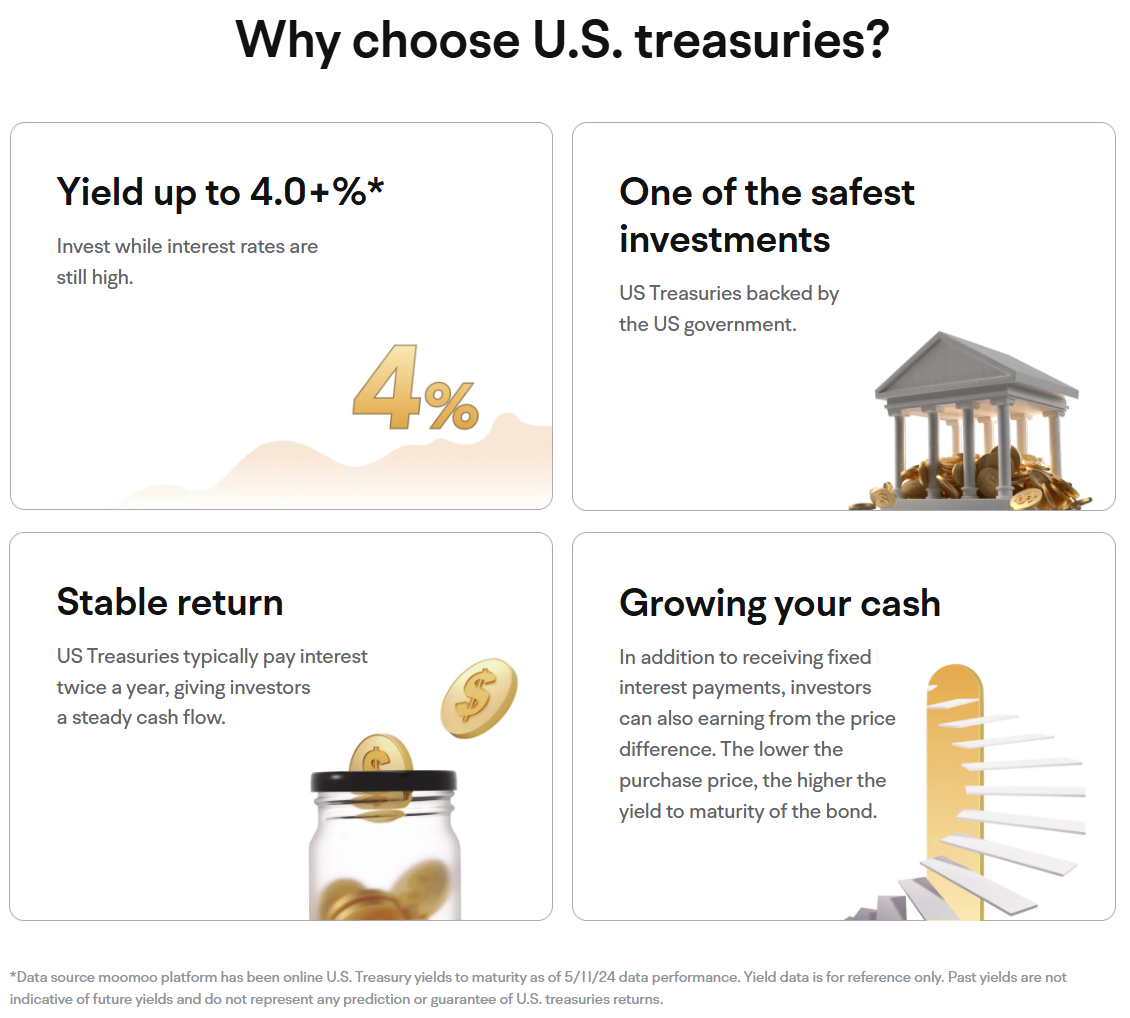
Yield up to 4.0+%*: With yields consistently above 4.0%*, U.S. Treasury Bonds offer an attractive return on investment, especially when compared to other fixed-income options available in Malaysia.
Unparalleled Safety and Security: One of the most significant advantages of U.S. Treasury Bonds is their safety. Backed by the full faith and credit of the U.S. government, these bonds are considered one of the safest investments globally.
Stable and Reliable Income: U.S. Treasury Bonds typically pay interest twice a year, ensuring a steady cash flow for investors.
Potential for Capital Appreciation: In addition to the fixed interest payments, U.S. Treasury Bonds also offer the potential for capital gains. If you purchase a bond at a discount to its face value, you can benefit from the difference when the bond matures or if you sell it before maturity at a higher price.
Liquidity and Marketability: U.S. Treasury Bonds are highly liquid and easily tradable on the secondary market. This means you can sell your bonds quickly if you need to access your funds, without significant loss of value.
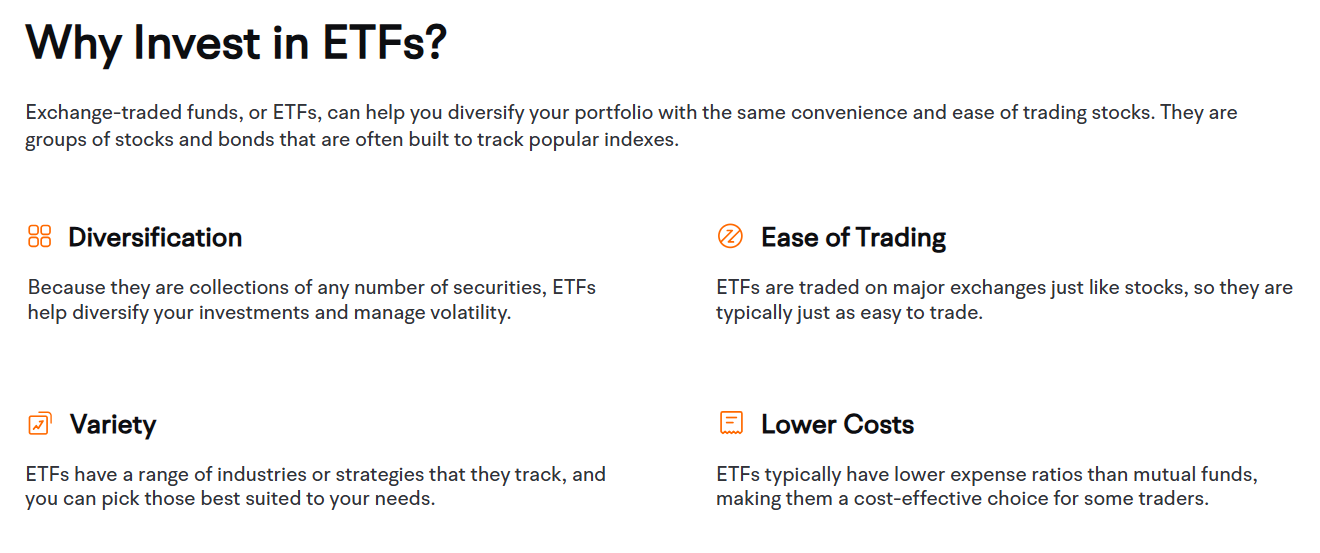
Why Trade U.S. Bond ETFs on Moomoo Malaysia?
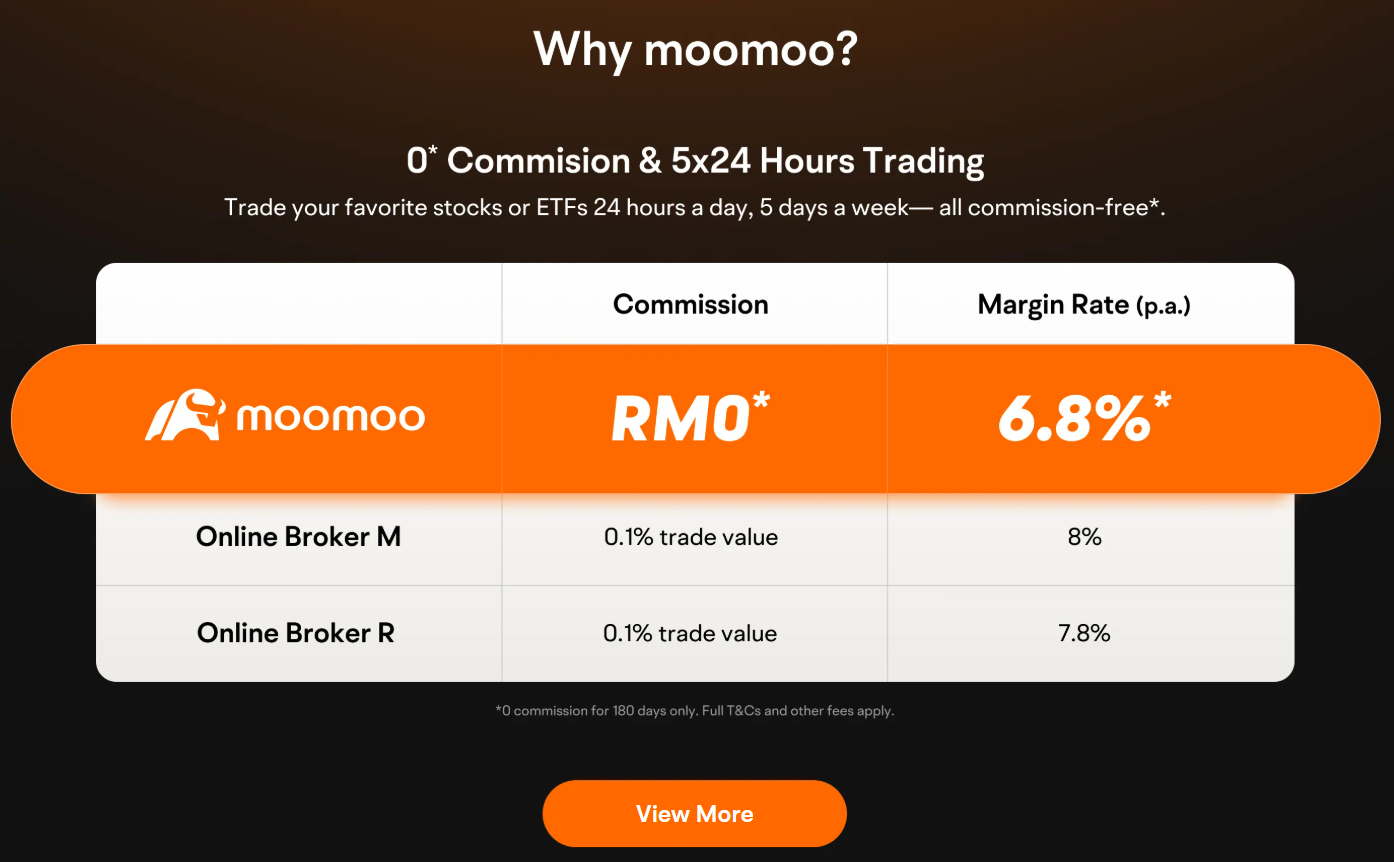
Moomoo Malaysia, a cutting-edge investment platform, stands out for its exceptional product offerings, particularly its commission-free trading and robust security measures. Here's why trading U.S. Bond ETFs on Moomoo Malaysia is a smart choice:
1. Commission-Free Trading: Moomoo Malaysia offers a significant advantage to investors by providing commission-free trading for Bond ETFs.
2. Robust Security and Safety: Security is paramount when it comes to investing, and Moomoo takes this responsibility seriously. Moomoo Malaysia is regulated by the Securities Commission Malaysia, ensuring that it operates in compliance with stringent industry standards.

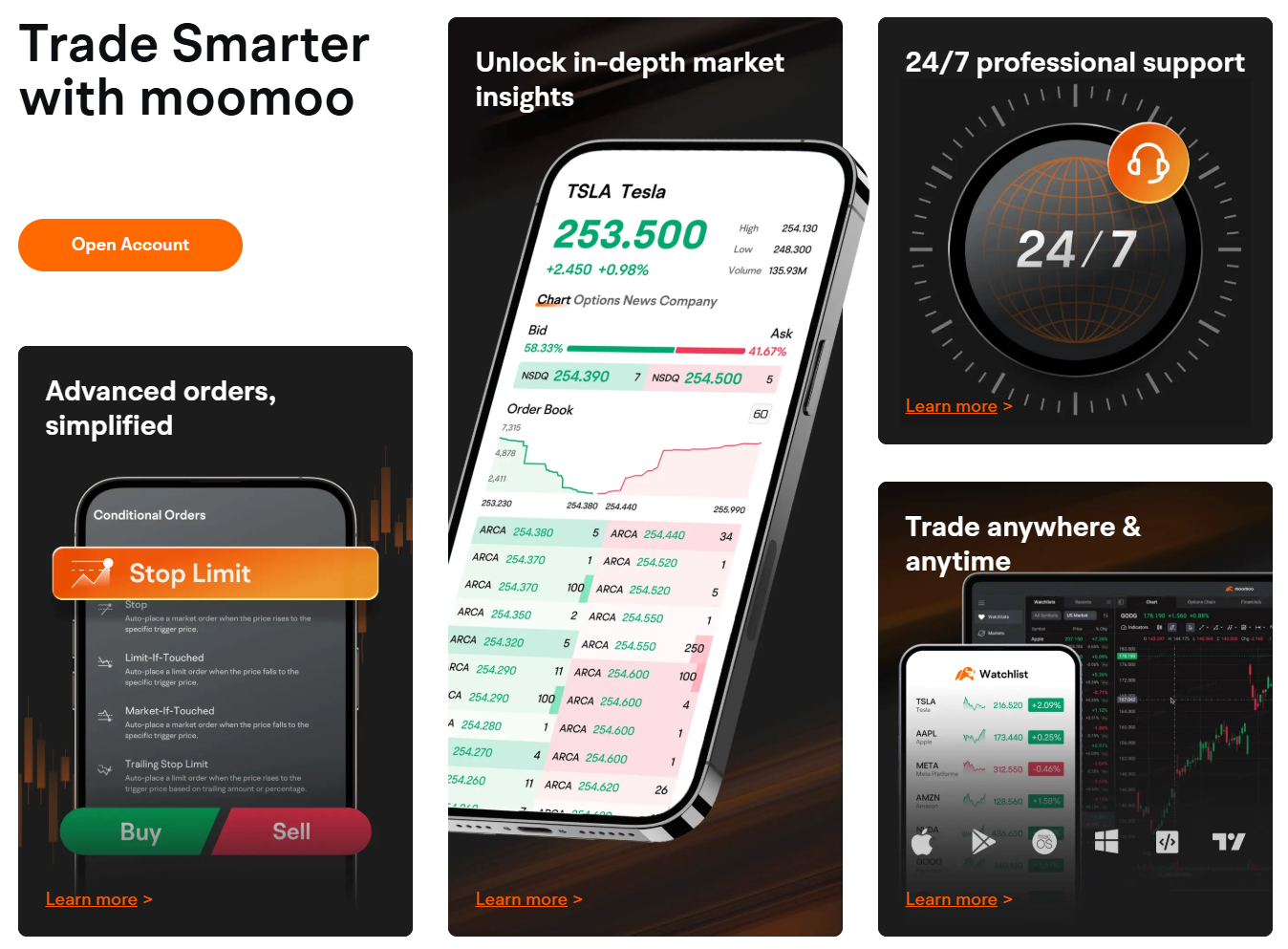
3. Real-Time Market Data and Analysis: Staying informed is crucial in the world of investing, and Moomoo provides you with real-time market data and analysis to help you make informed decisions.
Top U.S. Treasury Bond ETFs to Consider in Malaysia
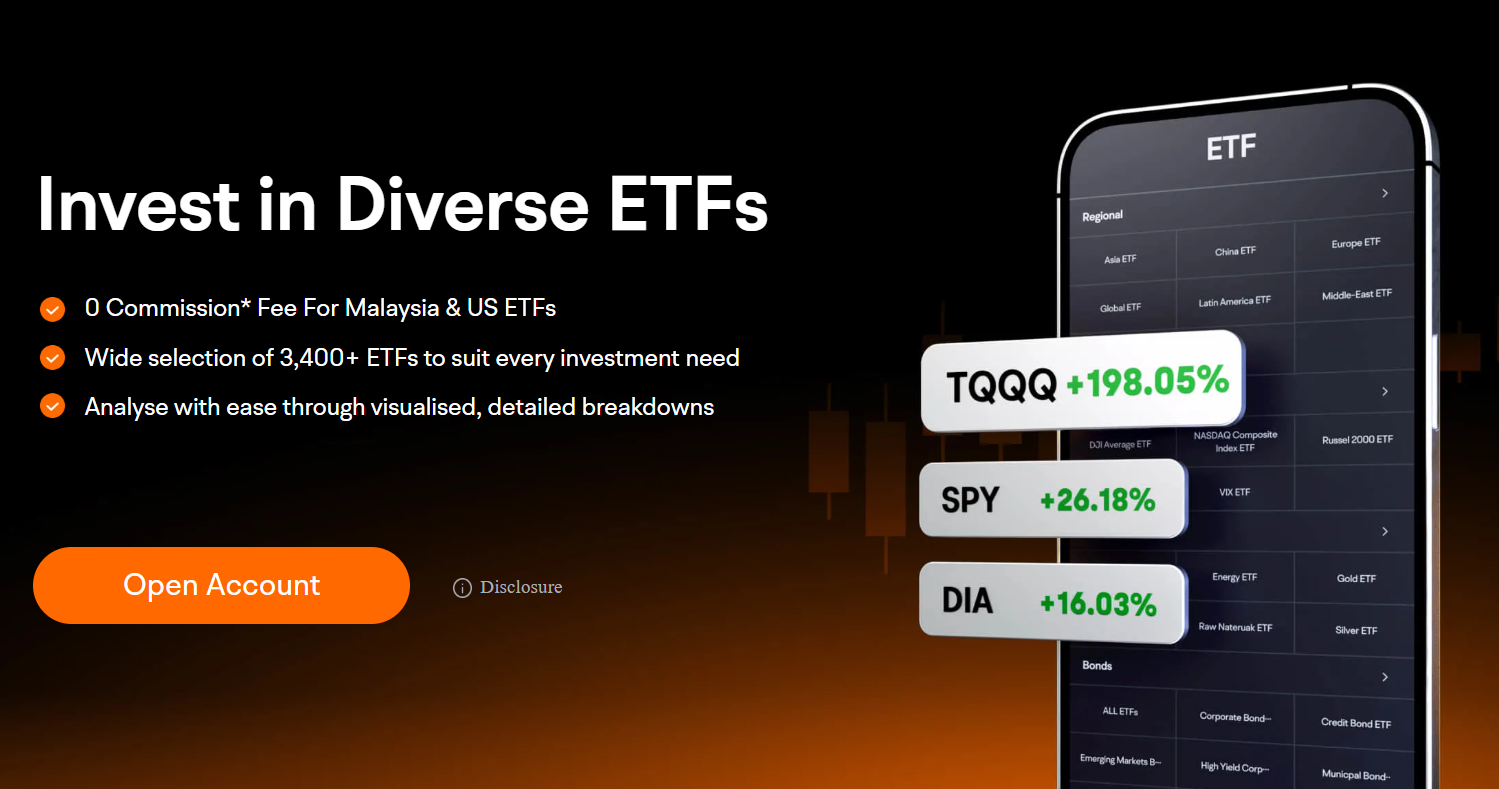
Issued by the U.S. federal government, U.S. Treasury bonds are regarded as among the safest investment options globally. The price of these bonds can fluctuate based on various economic factors, like interest rates. These bonds feature high liquidity, enabling investors to easily buy and sell them. Moreover, they play a crucial role in spreading risk across different assets, protecting investment portfolios from market volatility. How to choose your ideal ETF in Malaysia?
The value of the bond can change over time due to market demand and interest rates.
Among the popular investment vehicles tracking Treasury bonds, the following are some of the most actively traded Treasury-related exchange-traded funds (ETFs): (Source: moomoo content)
iShares 20+ Year Treasury Bond ETF (TLT)
The iShares 20+ Year Treasury Bond ETF (TLT) offers investors exposure to long-term U.S. Treasury bonds, providing a potential hedge against inflation and market uncertainty. With a focus on bonds with maturities of 20 years or more, TLT is ideal for investors seeking stable returns and a long-term investment horizon.
iShares 7-10 Year Treasury Bond ETF (IEF)
The iShares 7-10 Year Treasury Bond ETF (IEF) provides investors with a diversified portfolio of medium-term U.S. Treasury bonds. This ETF is suitable for those who prefer a balanced approach to fixed-income investing, offering a compromise between yield and duration risk. IEF's holdings are carefully selected to reflect the performance of the U.S. Treasury bond market within the specified maturity range.
SPDR Bimberg 1-3 Mth T-Bill ETF (BIL)
The SPDR Bimberg 1-3 Mth T-Bill ETF (BIL) offers investors a low-risk, short-term investment option by tracking the performance of U.S. Treasury bills with maturities ranging from 1 to 3 months. This ETF is ideal for investors seeking to preserve capital while earning a modest return, as well as for those who wish to park their cash in a safe, liquid asset.
iShares U.S. Treasury Bond ETF (GOVT)
The iShares U.S. Treasury Bond ETF (GOVT) provides investors with broad exposure to the entire U.S. Treasury bond market, including bills, notes, and bonds with varying maturities. This ETF is suitable for investors who want a comprehensive fixed-income portfolio that reflects the overall performance of the U.S. Treasury market.
Direxion Daily 20+ Year Treasury Bull 3X Shares (TMF)
The Direxion Daily 20+ Year Treasury Bull 3X Shares (TMF) is a leveraged ETF that seeks to provide investors with three times the daily return of the long-term U.S. Treasury bond market. This ETF is designed for investors with a strong conviction in the performance of long-term Treasury bonds and who are willing to accept the higher risk associated with leveraged investments.
Direxion Daily 20+ Year Treasury Bear 3X Shares (TMV)
The Direxion Daily 20+ Year Treasury Bear 3X Shares (TMV) is a leveraged ETF that aims to deliver three times the inverse daily return of the long-term U.S. Treasury bond market. This ETF is suitable for investors who anticipate a decline in the performance of long-term Treasury bonds and are seeking to capitalize on potential market downturns, while acknowledging the higher risk associated with leveraged and inverse investments.
Understanding U.S. Treasury Yield: Bond Market Guide
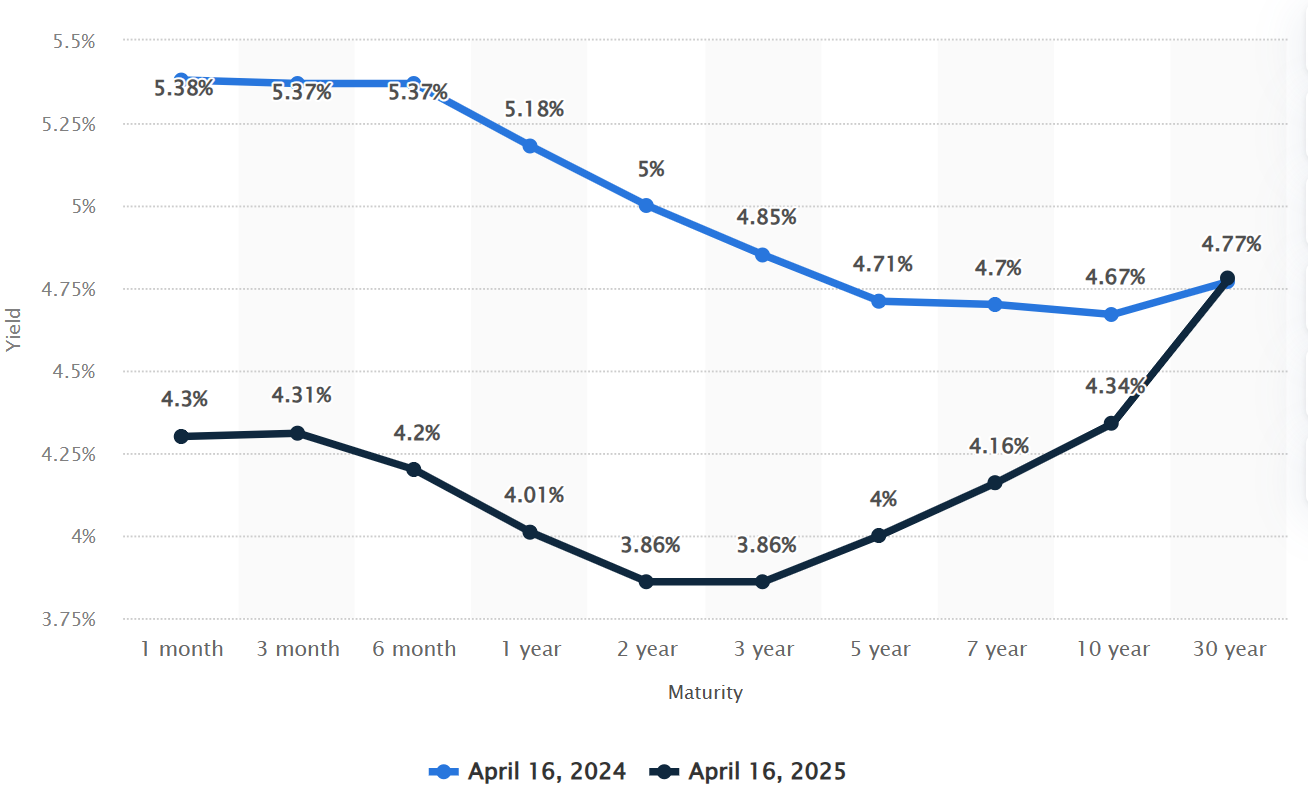
The above chart shows the US Treasury yield curve in the United States as of April 16, 2025, categorized by maturity. (Source: Statistics) As of April 16, 2025, the ten-year U.S. government bond yield stood at 4.34%, compared to 3.86% for the two-year bond. The yield of a bond can vary based on its maturity and the issuer's credit rating. This situation reflects an inverted yield curve, where longer-maturity bonds offer lower yields. This inversion signals investors' anticipation of a drop in long-term interest rates.
The value of the bond can change over time due to market demand and interest rates.
As a result, long-term debt holders face heightened risks, given the unpredictable future of financial markets. The market's uncertainty is evident when examining both the short-term gyrations and the long-term downward trajectory of U.S. government bond yields from 2006 to 2021. In the subsequent years, the treasury yield curve experienced a substantial upward surge, further highlighting the volatility and complexity of the financial landscape.
Bond Market Volatility
The bond market can be volatile, with prices and yields fluctuating in response to various economic and market factors. One of the primary drivers of bond market volatility is interest rates, which are influenced by the actions of central banks, such as the Federal Reserve. On the other hand, when interest rates fall, the value of existing bonds with higher interest rates increases, making them more attractive to investors. Other factors that can contribute to bond market volatility include inflation, credit risk, and liquidity.

Investment Strategies of the U.S. Treasury Bond
Investors can employ various strategies when investing in bonds, depending on their investment objectives and risk tolerance. One common strategy is to invest in a diversified portfolio of bonds with different maturities, credit qualities, and interest rates. This can help to reduce risk and increase potential returns. Another strategy is to invest in Treasury Inflation-Protected Securities (TIPS), which are designed to protect investors from inflation. Investors can also consider investing in floating-rate notes, which offer a variable interest rate that is tied to a benchmark rate, such as the London Interbank Offered Rate (LIBOR). By understanding the different types of bonds and investment strategies available, investors can make informed decisions and achieve their investment goals.
What Kinds of Investors Opt for US Treasury Bonds?
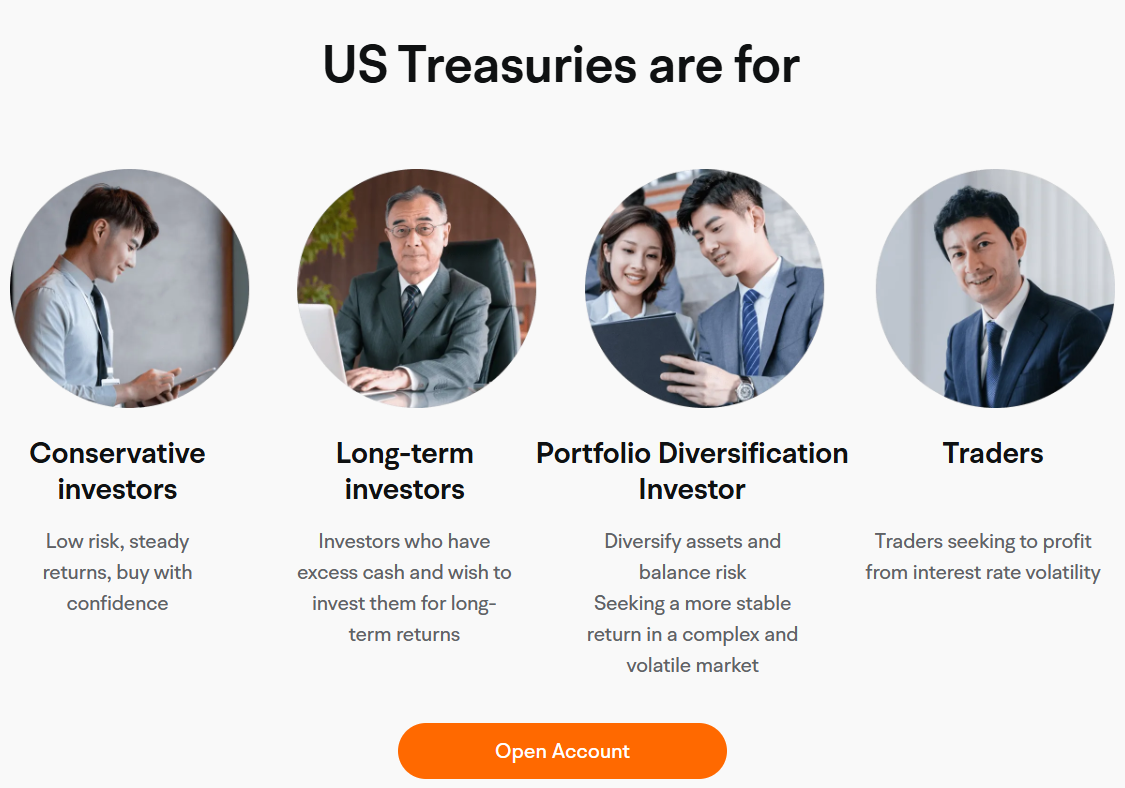
US Treasury bonds are a staple in the investment world, attracting various types of investors due to their unique features. U.S. Treasury Bonds are considered a secure investment due to their backing by the U.S. government.
Conservative investors are drawn to US Treasury bonds for their low-risk nature and steady returns. These investors prioritize capital preservation and seek a reliable income stream.
For long-term investors who have excess cash on hand, US Treasury bonds present an appealing option. Long-term investors are attracted to the yield of U.S. Treasury Bonds, which can contribute to their long-term financial goals.
In a complex and volatile market, investors aiming for portfolio diversification turn to US Treasury bonds. By adding these bonds to their asset mix, they can balance risk. Treasury bonds often have a low correlation with other asset classes like stocks.
Pros and Cons of Bond Investment in Malaysia
Pros
Stable Income: Bonds offer a fixed interest rate based on the face value of the bond, providing a predictable income stream.
Low Risk: U.S. Treasury bonds are considered one of the safest investments due to their backing by the U.S. government.
Diversification: Bonds can diversify your investment portfolio, reducing overall risk.
Cons
Lower Returns: Compared to stocks, bonds generally offer lower potential returns.
Interest Rate Risk: Bond prices can fall when interest rates rise, impacting the yield.
Inflation Risk: Long-term bonds may not keep pace with inflation, reducing real returns.
FAQs on Buying U.S. Treasury Bonds
1. How much interest does a Bond Pay?
The interest rate on a U.S. Treasury bond varies based on the bond's maturity, market conditions, and the specific issue. Generally, longer-term bonds offer higher interest rates to compensate investors for taking on more duration risk. The yield on a U.S. Treasury bond also varies based on these factors, reflecting the total anticipated return if the bond is held until maturity. Interest is paid out semiannually for most Treasury bonds.
2. How much money do you need to buy a U.S. Treasury bond?
The minimum purchase amount for U.S. Treasury bonds varies depending on the type of bond and the issuance. The minimum amount to buy a U.S. Treasury bond is typically $100, but some bonds may have higher minimum denominations based on the face value of the bond.
3. How Bonds Are Priced
The market values bonds based on their unique attributes, subject to daily fluctuations influenced by supply and demand. While bonds can be held to maturity, they can also be traded in the open market, where prices may vary significantly.
Bond prices respond to changes in overall interest rates. For instance, if a fixed-rate bond promises a $100 annual coupon at a 10% interest rate and prevailing rates drop to 5%, the bond becomes more attractive, leading to a price increase. Conversely, in a 15% interest rate scenario, the bond price adjusts to maintain yield equilibrium.
4. What's the Relationship Between Bond Prices and Interest Rates
The correlation between bond prices and interest rates is such that when interest rates rise, bond prices decrease to align the bond's interest rate with the current rates, and conversely, when interest rates fall, bond prices increase. Another way to illustrate this principle is by examining the yield based on price changes.
For instance, if the bond's price drops from $1,000 to $800, the yield increases to 12.5%. This shift occurs because the fixed $100 return on an $800 asset results in a higher percentage yield ($100/$800). Conversely, if the bond's price rises to $1,200, the yield decreases to 8.33% ($100/$1,200).
Invest in U.S. Treasury Bond ETFs on Moomoo MY
Investing in U.S. Treasury Bond ETFs can be a stable and secure way to grow your wealth. However, it's important to understand that the price of these ETFs can fluctuate based on market conditions, such as changes in interest rates and economic factors. The value of the bond can change over time due to market demand and interest rates, which means that while bondholders are guaranteed to receive the face value upon maturity, the market value may differ.
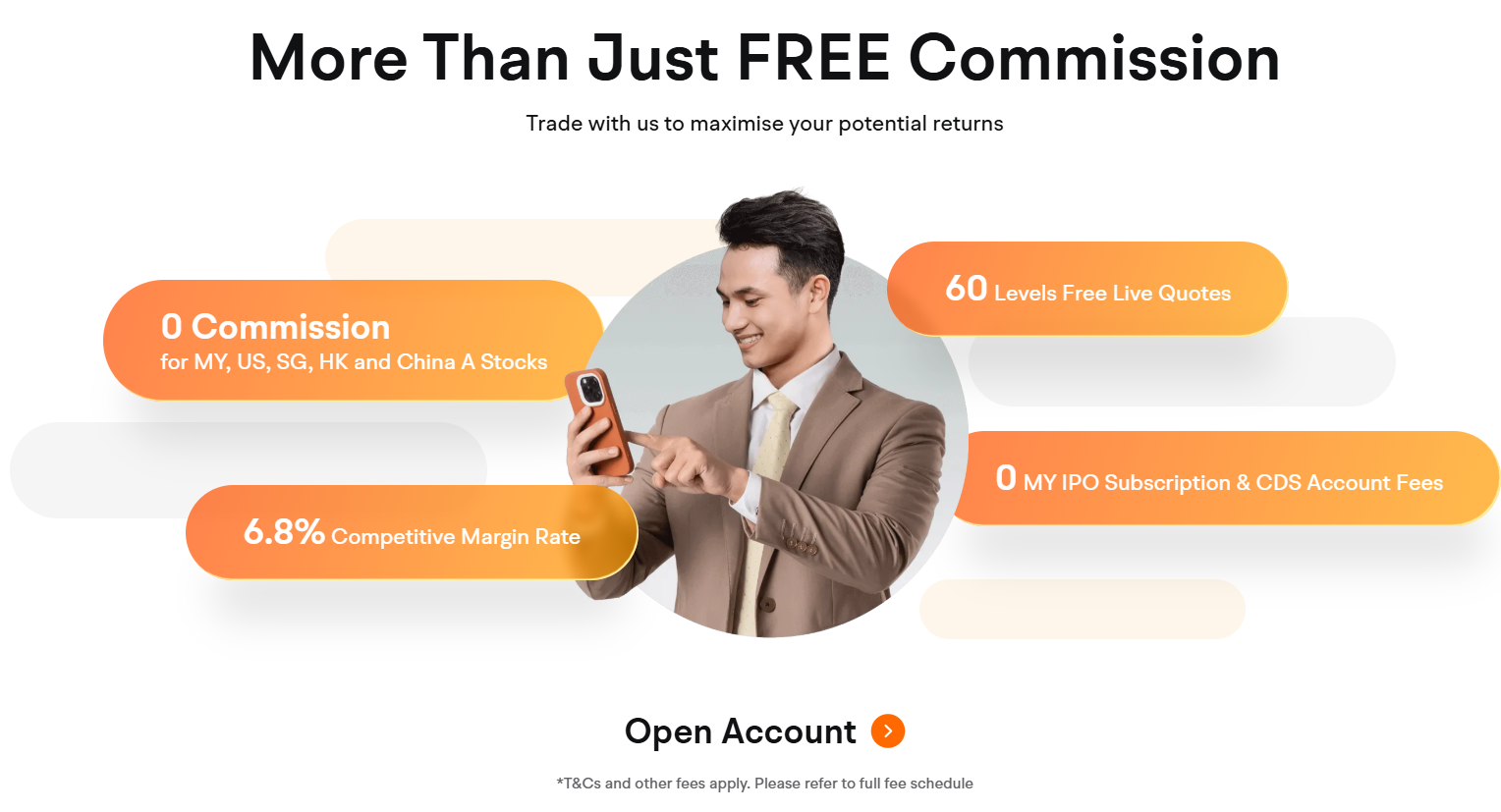
0 Commission*
Investing in U.S. Treasury Bond ETFs has never been more accessible or cost-effective, thanks to platforms like Moomoo MY. One of the most compelling features of investing through Moomoo MY is the 0 commission* policy for U.S. Bond ETF transactions.
Long-term Passive Income
U.S. Treasury Bond ETFs are renowned for their reliability and steady income streams, making them an ideal choice for investors seeking long-term passive income. When you invest in the U.S. Bond ETFs through Moomoo MY, you're not only taking advantage of the 0 commission policy but also positioning yourself to receive regular interest payments over the bond's term.

Conclusion
In conclusion, bonds, especially U.S. Treasury bonds, are a vital component of the investment landscape. We've explored that bonds are essentially debt securities where investors lend money to an entity in exchange for regular interest payments and the return of the principal amount at maturity based on the face value of the bond. U.S. Treasury bonds, backed by the U.S. government, offer features like relatively low risk, steady interest payments, and a range of maturities, making them attractive to diverse investors.
When it comes to purchasing U.S. Treasury bonds, there are multiple avenues. In the Malaysian stock market, platforms like Moomoo MY provide accessible ways to invest, whether directly in bonds or through U.S. bond ETFs, offering attractive yields. These platforms often come with benefits such as zero commission, which enhances the appeal for investors looking to build long-term passive income.
While Trump tariffs had an impact on the bond market, it's important to note that the fundamental nature of U.S. Treasury bonds as safe-haven assets remained intact. They continue to serve as a reliable option for conservative investors seeking capital preservation, long-term investors aiming for steady growth, those diversifying their portfolios, and traders looking to capitalize on market movements.
In summary, understanding the basics of bonds and having knowledge of the purchasing process equips investors in Malaysia to make informed decisions about incorporating U.S. Treasury bonds into their investment strategies, leveraging their unique advantages in an ever-changing financial market.
This presentation is for informational and educational use only and is not a recommendation or endorsement of any particular investment or investment strategy. Investment information provided in this content is general in nature, strictly for illustrative purposes, and may not be appropriate for all investors. Read more