What You Need to Know about Short Squeeze
Keith Gill, also known as 'Roaring Kitty,' posted an image of a man sitting forward in his chair while playing video games. Following that, GameStop and AMC stocks surged significantly and triggered the market wondering whether the meme stock frenzy 2.0 will happen.
The frenzy occurred due to short squeeze in the market. Then, what is a short squeeze, how can you recognize it, and what risks are involved? This article will delve into those details.
What is Short Squeeze?
Short selling is a strategy in which investors borrow shares of a stock at a certain price, expecting the market value to fall. They then buy back the shares at a lower price to return them.
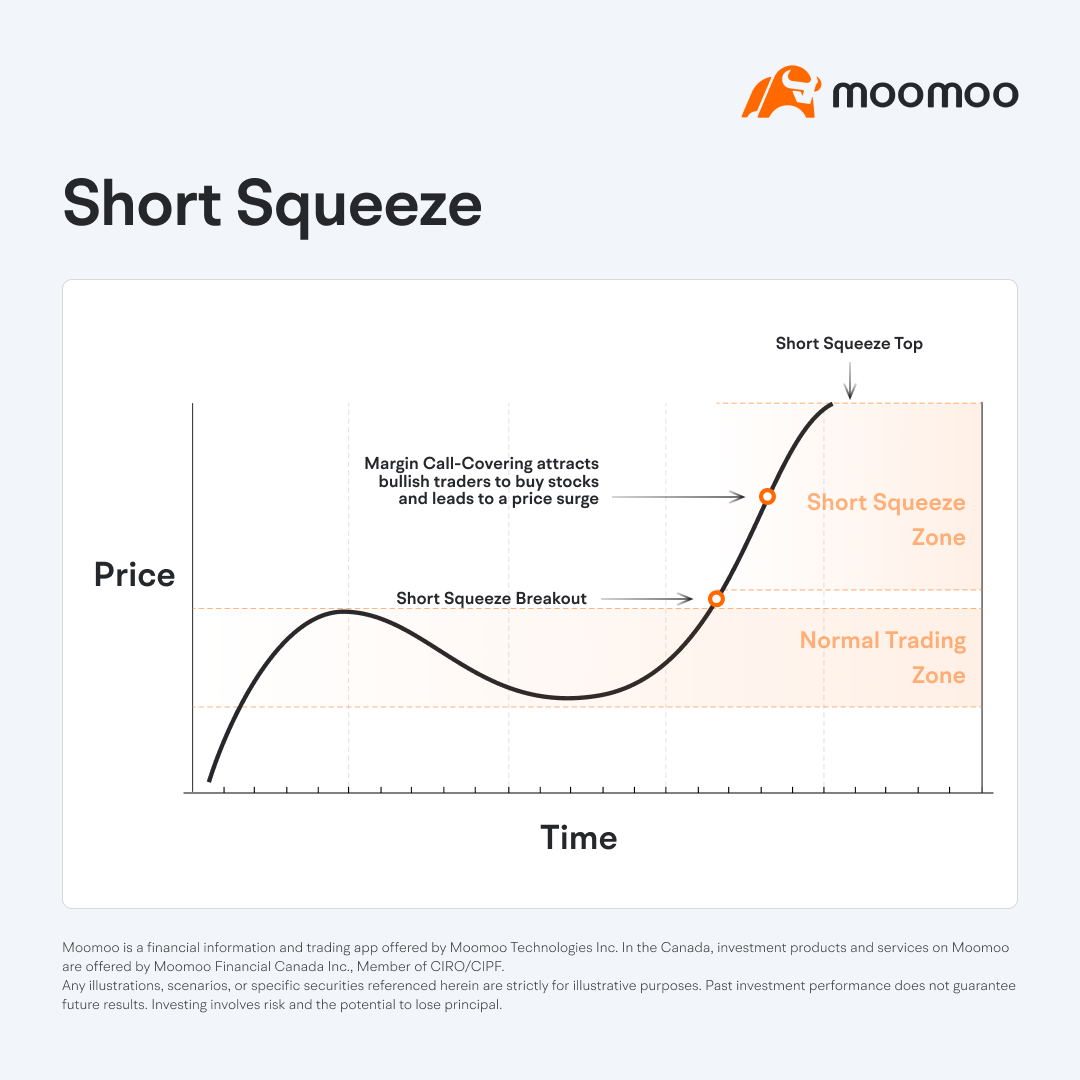
A short squeeze occurs when short sellers bet incorrectly, causing the asset price to rise sharply. This forces traders who sold short to close their positions. As short sellers cover their positions, it drives the stock price higher. Bullish investors observe this buying activity and join in, further increasing upward pressure on the share price, triggering a cascade of buying activity.
Let's look at an example. An investor believes that shares of A are overvalued at their current share price of $100. Then, he can borrow shares and sell them for $100. If he is in the right direction, he sells the borrowed shares at $100, repurchases them at $70 to return them, and can pocket the difference of $30 as a profit.
If the investor's position goes against them and the stock price jumps to $120, they might rush to close their position before the price climbs further. They need to buy back the stocks in the market at $120, which in turn increases the stock price. This surge may attract many bullish investors, leading to more buying activity and pushing the price even higher. The sudden increase in demand could drive the stock price up to $130 or $140, resulting in a significant price jump that "squeezes" those who shorted the stock.
How can we Recognize the Short Squeeze ?
There are several ways to recognize a short squeeze in action.
High Short Interest Ratio: Short interest shows how many shares have been sold short and remain outstanding. If a stock experience a short squeeze, it usually has high short interest. The best way to identify short squeeze candidates is to look at the number of shares short relative to a stock’s average daily trading volume.
The Moomoo app provides short sale analysis, detailing daily short volume and short interest. Investors can use this information to better understand short sale situations.
Low Float: The float represents the total number of shares available for trading in the stock market. Stocks with low floats are particularly vulnerable to short squeezes. With fewer shares available for public trading, short sellers often struggle to cover their positions. Additionally, low float stocks tend to be more volatile compared to those with high floats, which can contribute to triggering a short squeeze.
High volatility and relative volume: High volatility could be a sign of a short squeeze. Increased volatility could result from short sellers exiting their positions in a rush. Besides, high trading volume may signal that short sellers are buying shares to close their short positions. As bullish traders aim to trade around on the squeeze, trading volume will likely escalate.
The Risks of Short Squeeze
Short squeezes can be extremely volatile, and there are associated risks for investors who participate by taking short positions in stocks.
Losses: Short sellers may incur substantial losses if they are forced to cover their short positions at higher prices than they initially sold the shares for. This can result in significant financial losses for short sellers.
Margin Calls: Short sellers may receive margin calls from their brokers if the value of shorted shares rises sharply. Margin calls require short sellers to deposit additional funds or securities to cover potential losses or meet margin requirements.
Liquidity Issues: During a short squeeze, it may become difficult for short sellers to find available shares to buy and cover their short positions. This liquidity crunch can exacerbate the upward pressure on the stock's price and lead to even greater losses for short sellers.
Moomoo can Help you Navigate the Short Squeeze
Every investor seeks a way to stay ahead of market trends. The moomoo app offers three essential functions designed to help users navigate short squeezes.
Extended Trading Hours Trade from 4 AM to 8 PM, including pre and post-market sessions, providing a total of 16 hours to take advantage of trading opportunities. |
Free Real-Time Level 2 quotes Real-time buying and selling orders of meme stocks provide you with in-depth visibility of order books, helping you execute well-informed trades. |
24/7 News and community Provide you 24/7 news updates and join our community to stay informed about the latest news on meme stocks. |
Keep in mind that short squeezes entail high levels of volatility and risk. Before making any investment decisions, it's crucial to thoroughly consider your investment objectives and risk tolerance.
This presentation is for informational and educational use only and is not a recommendation or endorsement of any particular investment or investment strategy. Investment information provided in this content is general in nature, strictly for illustrative purposes, and may not be appropriate for all investors. Read more