Best Day Trading Platforms in Canada: 2026 Comparison & Reviews
Key Takeaways
 The best day trading platform in Canada depends on your style. Active traders often prioritize real-time data, fast execution, advanced charts, and flexible order types over beginner-friendly design alone. Moomoo stands out for active traders with free Level 2 data, advanced charting, stock screeners, price alerts, and a broad set of order types in one platform. Questrade remains a solid choice for options-focused traders, while IBKR is often considered by more experienced users seeking global market access and competitive margin pricing. In Canada, regulation matters as much as features. Look for platforms regulated by CIRO and backed by CIPF protection before comparing pricing or trading tools.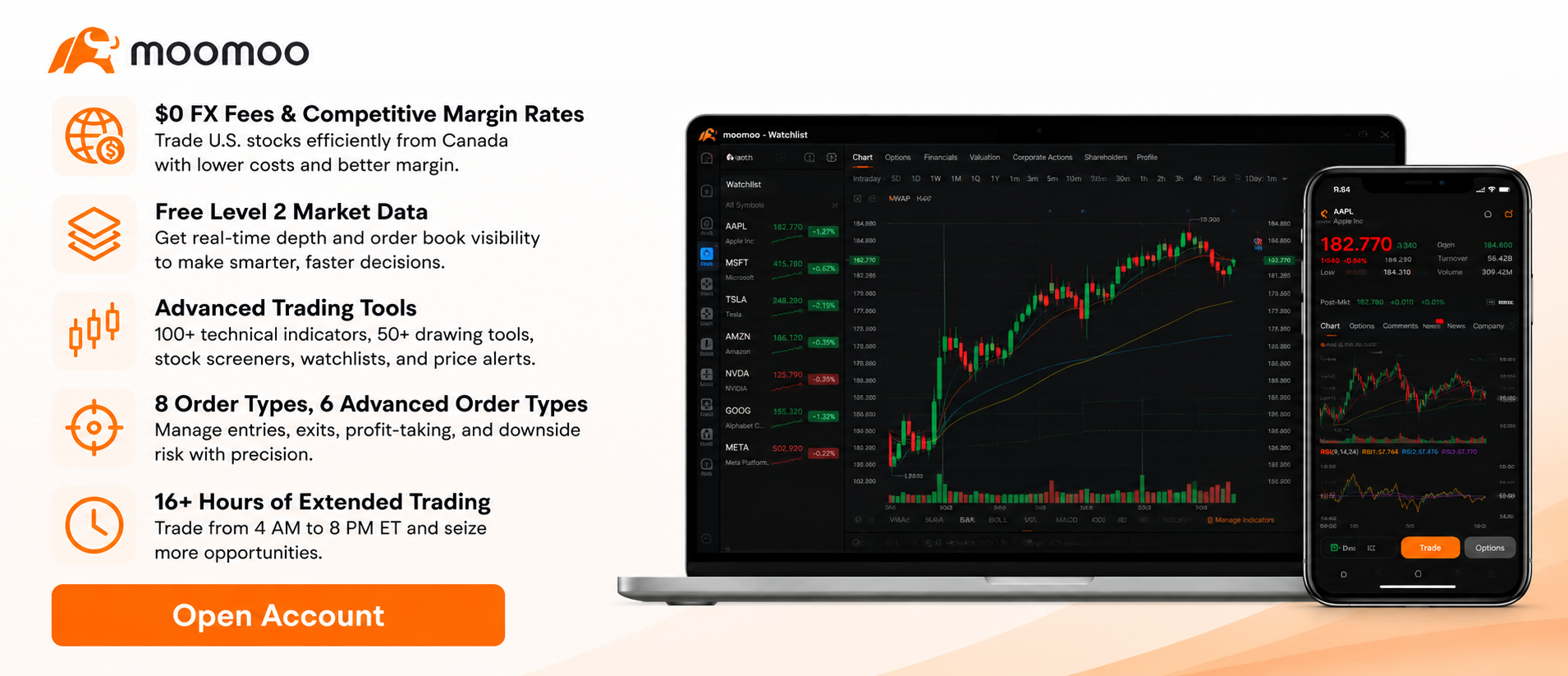
Choosing the best day trading platform in Canada has become increasingly complex in 2026 as the gap between retail tools and institutional-grade technology continues to shrink. For Canadian investors, the landscape is no longer limited to high-fee traditional bank brokerages. Today, the priority has shifted toward finding an intraday trading platform that offers a "trifecta" of essential features: ultra-low latency execution, comprehensive real-time market data—including Level 2 quotes—and a competitive fee structure that doesn’t erode daily profits. Whether you are looking for the best day trading platform in Canada for beginners or a professional suite for high-volume scalping, selecting a CIRO-regulated partner is the first step toward a disciplined trading career.
In this 2026 comparison, we evaluate the best day trading platforms based on their technical indicators, margin rates, and mobile accessibility to help you identify which day trading platform in Canada aligns with your specific strategy.
Top 5 Best Day Trading Platforms in Canada Reviewed
To succeed in the fast-paced world of intraday trading, you need a partner that offers more than just a place to execute trades. The following day trading platforms represent the best the Canadian market has to offer in 2026, categorized by their specific strengths to help you find your perfect fit.
1. Moomoo Canada — Best Overall Day Trading Platform in Canada
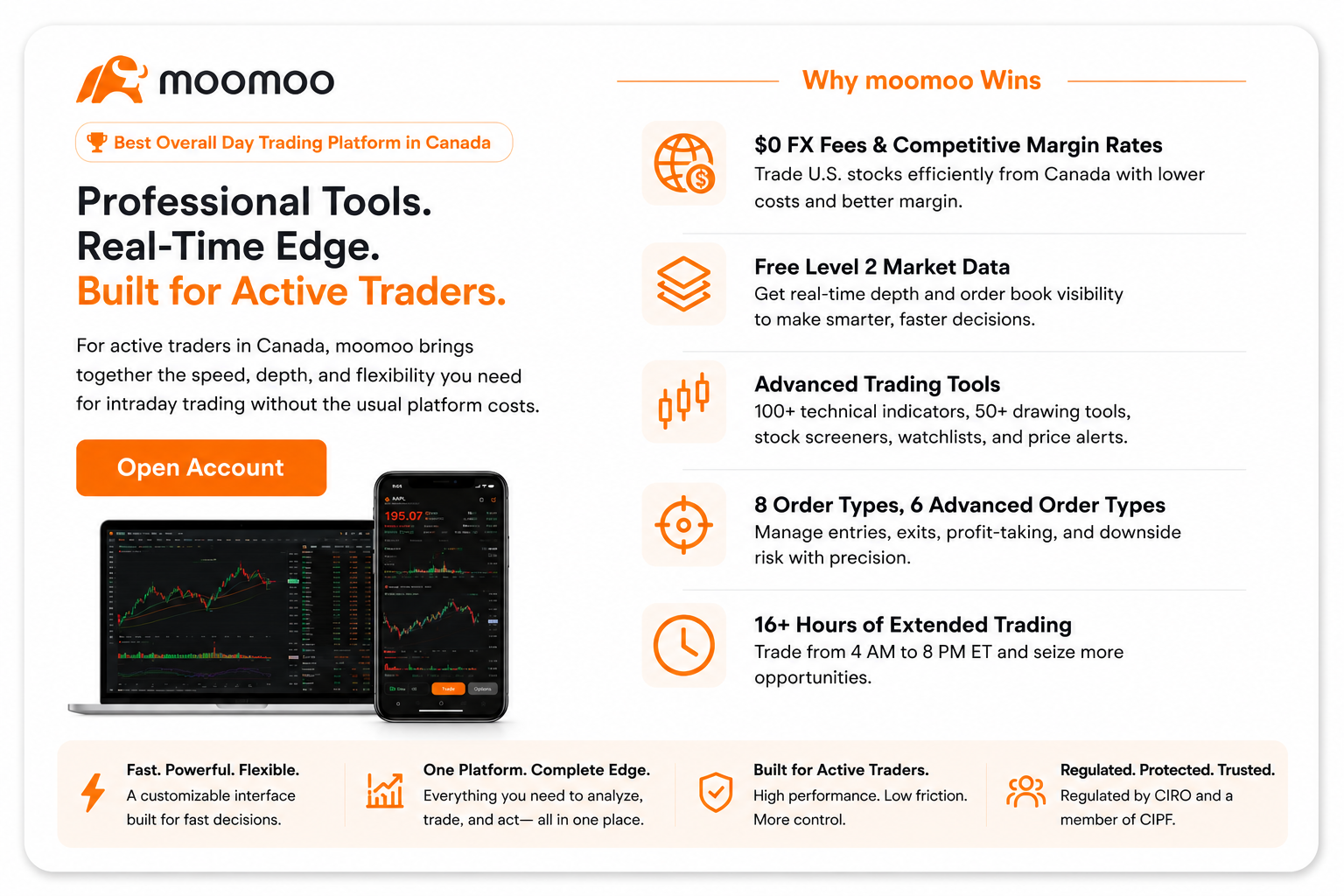
For active traders in Canada, moomoo brings together the speed, depth, and flexibility needed for intraday trading without the usual platform costs. From free Level 2 market data with deep order book visibility to advanced charting, smart screeners, and precision order controls, moomoo is built to help you react faster, plan better entries and exits, and stay on top of fast-moving markets.
Best For:
Active traders looking for a high-performance day trading platform with professional-grade tools, real-time insight, and low trading friction.
Why It Wins:
Trade U.S. and Canadian stocks commission-free, access 16+ hours of extended trading from 4 AM to 8 PM ET, and use a highly customizable trading interface designed for fast decisions.
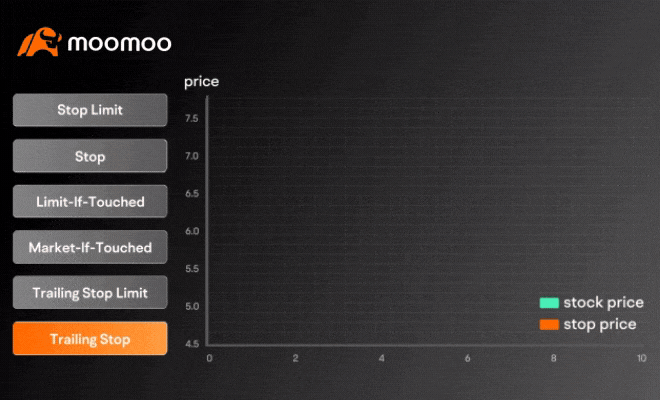
Moomoo also supports 8 order types, including 6 advanced order types, so you can manage entries, exits, profit-taking, and downside risk with more precision as market conditions change.
Key Advantage:
Moomoo gives traders a more complete decision-making toolkit in one place: free Level 2 data, 100+ technical indicators, 50+ drawing tools, stock screeners, watchlists, and price alerts to help surface opportunities as they emerge.
For active U.S. stock traders in Canada, it also offers $0 FX fees and competitive margin rates, making it especially efficient for trading across borders without unnecessary cost drag.

2. Questrade — Best for Options Day Traders in Canada
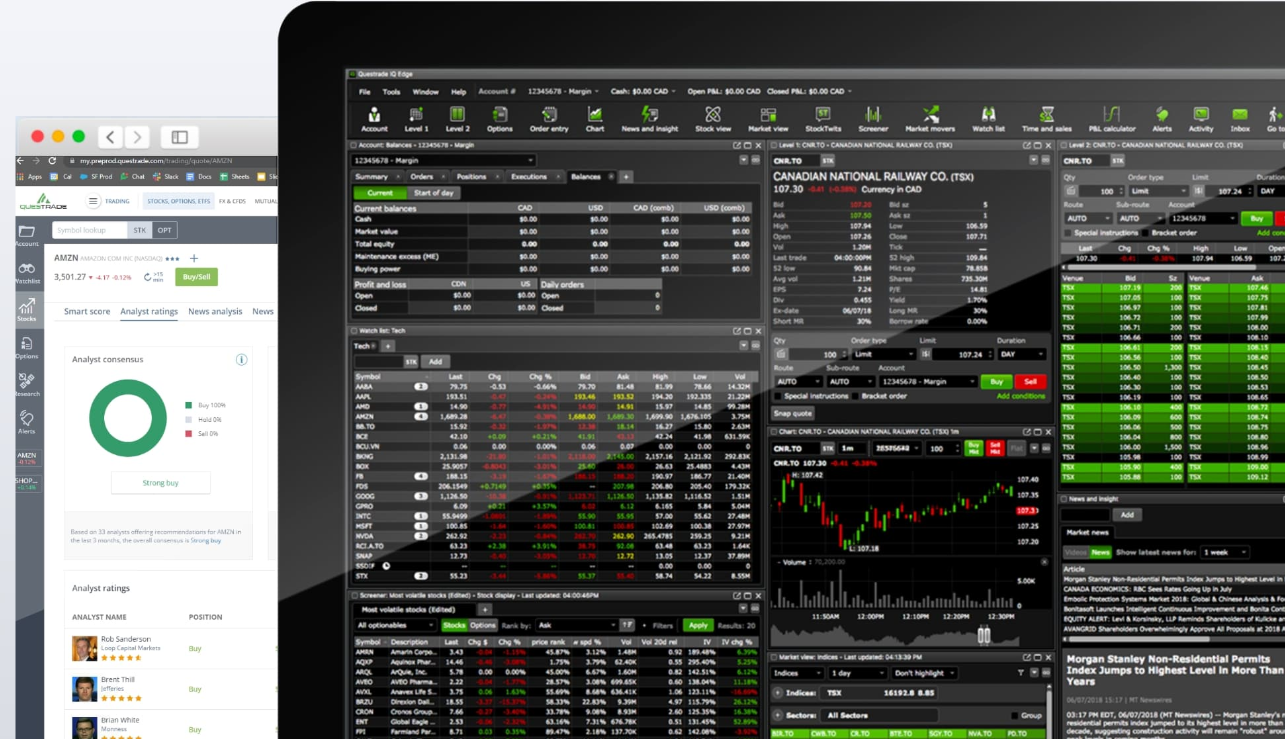
Questrade remains a well-known choice among Canadian traders, particularly for those who want access to options trading alongside standard stock and ETF investing. Its Questrade Edge platform is geared toward more active users who need a wider range of order controls and a more advanced trading setup than entry-level investing apps typically provide.
Best For:
Traders who regularly use options strategies as part of their day trading routine.
Why It Wins:$0 commission on stock and ETF buys helps reduce entry costs, and the platform offers a solid mix of desktop, web, and mobile access for traders who want flexibility across devices.
Key Advantage:
Questrade also supports registered accounts such as TFSAs and RRSPs, which may appeal to users who prefer to keep both shorter-term trading activity and longer-term investing within the same brokerage ecosystem.
3. Interactive Brokers (IBKR) — Best for Professional-Level Tools
For those who consider themselves professional-grade traders, IBKR is often cited as the best platform for day trading in Canada. It provides unparalleled access to global markets and the lowest margin rates in the industry.
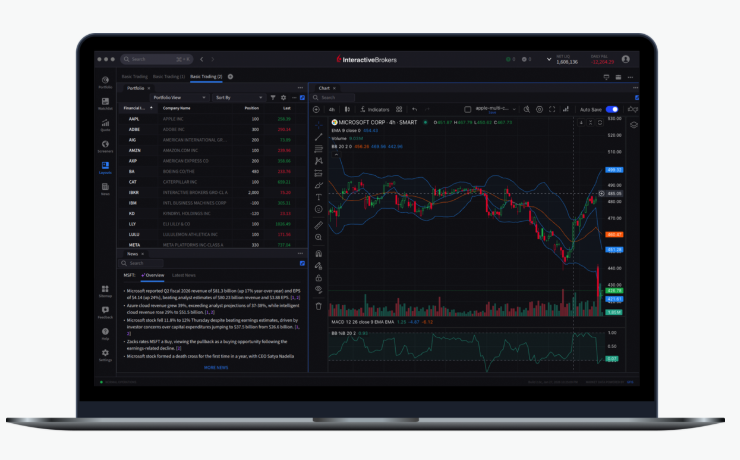
Best For: High-frequency traders and those trading international equities.
Why It Wins: Advanced SmartRouting technology ensures you get the best possible execution price for every intraday trading move.
Key Advantage: Access to the Trader Workstation (TWS), arguably the most powerful desktop platform for technical analysis and algorithmic trading.
4. Wealthsimple — Best for Beginner-Friendly Day Trading in Canada
Wealthsimple is often considered one of the easiest platforms for newer investors to get started with, thanks to its simple interface and low barrier to entry. For users who value convenience and a more streamlined experience over advanced trading depth, it can be an accessible option for basic stock and ETF trading.
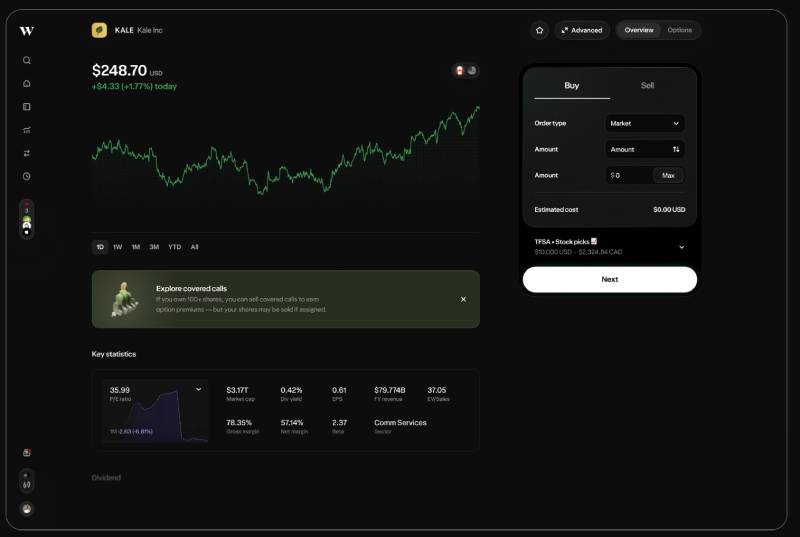
Best For:
Beginners who want a simple, easy-to-use platform for occasional trading.
Why It Wins:
Its clean mobile-first experience makes placing trades, managing positions, and monitoring a portfolio relatively straightforward, especially for users who are new to self-directed investing.
Key Advantage:
Wealthsimple may appeal to traders who prioritize simplicity and account convenience over more specialized tools like Level 2 data, advanced order functionality, or in-depth charting.
5. TD Direct Investing — Best for Big Bank Integration
If you prefer the security of a "Big Five" bank, TD Direct Investing is the best day trading platform in Canada within the traditional banking sector. Their Thinkorswim platform is a gold standard for technical analysis.
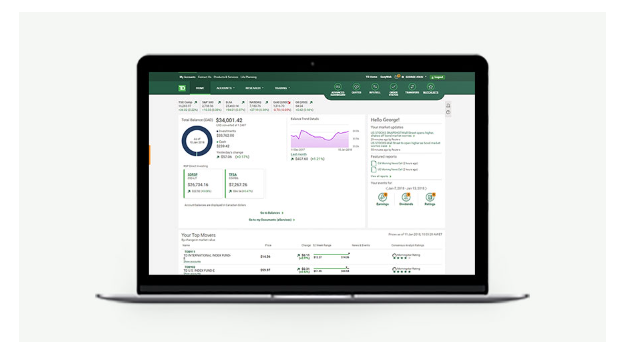
Best For: Existing TD customers who prioritize high-end research and premium charting.
Why It Wins: Superior customer support and the ability to instantly move funds between your bank and brokerage accounts.
Key Advantage: Access to the Thinkorswim desktop suite, which offers professional-grade backtesting and technical indicators.
How to Choose the Best Day Trading Platform in Canada?
Selecting the right day trading platform is a critical decision that can directly impact your profitability and risk management. In 2026, the Canadian market is highly competitive, meaning traders should look beyond basic functionality. To find the best platform for day trading in Canada, you must evaluate how a broker performs across these five technical and financial pillars.
1. Low Commissions and Transparent Trading Fees
For an active trader, high commissions are a silent profit killer. When searching for the best day trading platform, look for a "zero-commission" or low-fee structure on Canadian and US equities.
Pro Tip: Look for the cheapest day trading platform in Canada that also offers low currency exchange (FX) spreads, as frequent trading between CAD and USD can otherwise become expensive.
Compared with many banks that embed a 1.5% to 2.5% spread into foreign exchange pricing, moomoo gives Canadian traders a more cost-efficient way to convert CAD to USD. With $0 FX fees and competitive in-app exchange rates, more of each dollar goes toward your U.S. trades instead of conversion costs.

2. Real-Time Market Data and Level 2 Quotes
Speed is everything in intraday trading. Relying on delayed data is a recipe for failure. The best day trading platforms provide institutional-grade real-time stock data and Level 2 quotes, which show the full "order book." This allows you to see the depth of market liquidity and identify where large buy and sell orders are sitting before the price moves.
3. Extended Hours Trading Access
The market doesn't just move between 9:30 AM and 4:00 PM ET. Many of the biggest price swings occur during pre-market trading and after-hours trading. Ensure your chosen day trading platform offers full access to extended hours (starting as early as 4:00 AM ET), allowing you to react to overnight news or earnings reports before the general public.
4. Advanced Order Types and Execution Speed
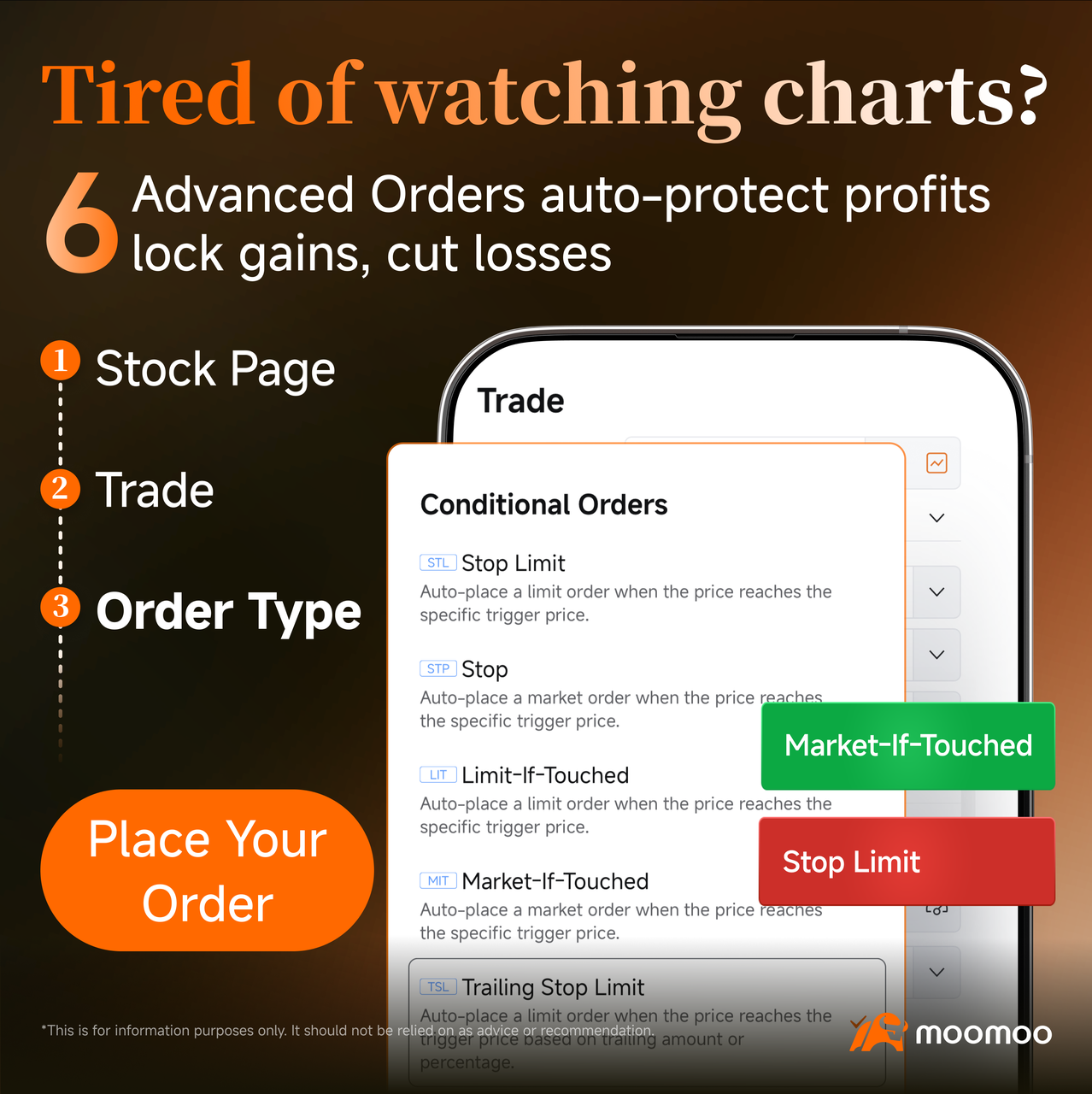
A strong intraday trading platform should offer fast, reliable execution and a full range of order types that help traders manage entry, exit, and risk in real time. For day traders, basic market orders are rarely enough. A better platform should support advanced and conditional orders such as:
Limit Orders: To control the exact price you are willing to pay or accept.
Stop Orders: To trigger an order once a stock reaches a specified price level.
Stop-Loss Orders: To help cap downside risk automatically.
Take-Profit Orders: To lock in gains without needing to monitor every move tick by tick.
Stop-Limit Orders: To combine trigger-based execution with more price control.
Trailing Stop Orders: To follow favorable price moves while helping protect gains.
Trailing Stop-Limit Orders: To add an extra layer of pricing precision to trailing exits.
5. Canadian Regulatory Compliance (CIRO & CIPF)
Security should never be compromised for features. Your best Canadian day trading platform must be regulated by the Canadian Investment Regulatory Organization (CIRO). Furthermore, verify that the broker is a member of the Canadian Investor Protection Fund (CIPF), which ensures your account is protected for up to $1 million in the unlikely event of a firm's insolvency.
Note: Many traders choose to open multiple accounts. For example, you might use a margin account for your primary day trading activities while maintaining long-term investments in a tax-advantaged RRSP or TFSA. Always ensure your platform supports the specific account types you need for your overall financial strategy.
Is Day Trading Legal in Canada? Regulatory & Tax Guide
Yes, day trading is legal in Canada. Canadian investors can legally buy and sell stocks, ETFs, and other securities through regulated brokerage platforms. If you want to day trade in Canada, the most important step is choosing a broker that is authorized to serve Canadian residents.
When comparing platforms, look for firms regulated by the Canadian Investment Regulatory Organization (CIRO) and members of the Canadian Investor Protection Fund (CIPF). CIRO oversight helps ensure the broker follows Canadian industry rules, while CIPF membership provides protection for eligible assets if a brokerage becomes insolvent. This does not protect you from market losses, but it does add an important layer of investor protection.
For many traders, the bigger question is not whether day trading is legal in Canada, but how day trading is taxed in Canada. In some cases, profits may be treated as capital gains. However, if your trading activity is frequent, short-term, speculative, or resembles a business, the CRA may treat your profits as business income instead. That distinction matters because capital gains and business income are taxed differently.
Several factors can affect your tax treatment, including how often you trade, how long you hold positions, whether you use margin, your level of trading knowledge, and whether trading is a meaningful source of income for you. Because of this, active traders should keep detailed records and consider speaking with a qualified tax professional.
In short, day trading in Canada is legal, but it is important to use a properly regulated broker, understand the rules that apply to your account, and be aware of the possible tax implications before trading actively.
How to Start Day Trading in Canada?
Starting your journey as an active trader in the Canadian market requires more than just capital; it requires a systematic approach to technology and regulation. Because Canada does not enforce the "Pattern Day Trader" (PDT) rule found in the U.S., you have more flexibility to start small, but the technical requirements for success remain high. Follow these four steps to set up your trading business correctly.
Step 1: Choose a CIRO-Regulated Day Trading Platform
Your first and most important move is choosing a CIRO-regulated day trading platform in Canada that matches your trading style. Safety should come first, so make sure your broker is regulated by the Canadian Investment Regulatory Organization (CIRO) and is a member of the Canadian Investor Protection Fund (CIPF). This helps ensure the broker follows Canadian rules and that eligible assets are protected up to CAD $1 million if the firm becomes insolvent.
For active traders, regulation is only part of the equation. The best day trading platform in Canada should also give you the tools to act quickly and manage risk effectively. For example, moomoo combines CIRO regulation and CIPF protection with features that day traders often look for, such as free Level 2 market data, advanced charting, multiple order types, watchlists, stock screeners, price alerts, and low-friction access to U.S. stock trading. Starting with a platform that is both regulated and built for active trading can give you a stronger foundation from day one.
Step 2: Open and Fund the Right Account Type
While many Canadians are familiar with the RRSP and TFSA, active day trading is most commonly performed in a Margin Account.
Margin Accounts: These allow you to leverage your existing capital to take larger positions, which is essential for many intraday trading strategies.

Step 3: Set Up Your Technical Infrastructure
Even the best day trading strategy depends on the quality of your setup. Before placing your first trade, make sure your platform is configured to help you monitor price action, spot setups, and react quickly. With a platform like moomoo, that means taking full advantage of the built-in tools available to active traders:
Market Data:
Make sure you are working with real-time market data, not delayed quotes. For example, moomoo offers free Level 2 data, giving traders deeper visibility into bids, asks, and order flow when monitoring fast-moving names.

Custom Watchlists:
Create watchlists around the stocks, sectors, or themes you plan to trade each day. On moomoo, watchlists can help you keep a close eye on volatile names, earnings movers, or sectors like technology and energy where intraday opportunities often emerge.
Screeners and Alerts:
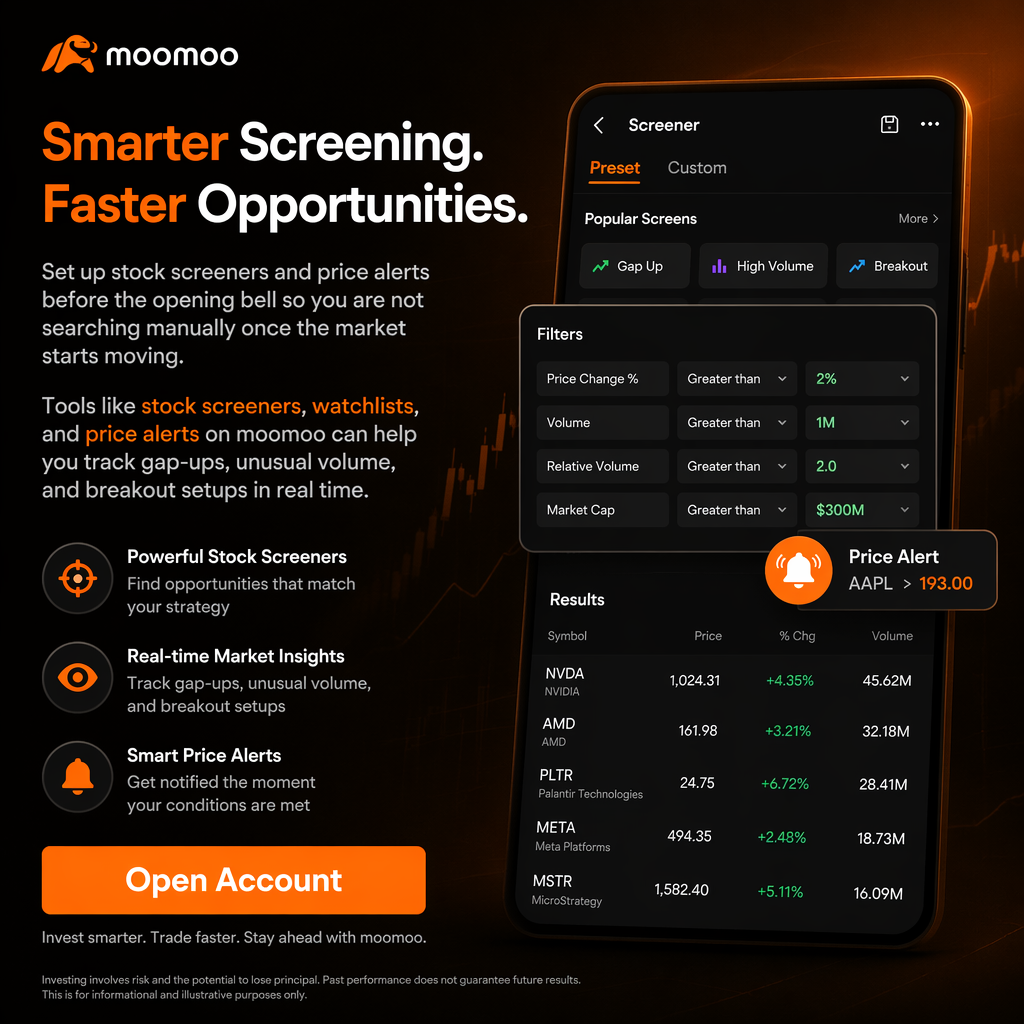
Set up stock screeners and price alerts before the opening bell so you are not searching manually once the market starts moving. Tools like stock screeners, watchlists, and price alerts on moomoo can help you track gap-ups, unusual volume, and breakout setups in real time.
A well-prepared trading environment can make it easier to stay focused, react faster, and avoid missing opportunities during volatile sessions.
Step 4: Master Your Execution Workflow
Having the right setup is only part of the process. The next step is turning that setup into a clear and repeatable execution workflow. In day trading, consistency matters just as much as speed. A good trade idea can still fail if your entries, exits, and risk decisions are made too late or without a plan.
Before the market opens, define what you are looking for and what conditions must be met before you enter a trade. Know your entry level, your stop, your profit target, and the maximum amount you are willing to risk. This helps reduce impulsive decisions once the market becomes volatile.
It is also important to build a routine around execution. That means reviewing your watchlist before the open, identifying key price levels, setting alerts where needed, and deciding in advance which setups are worth acting on. During market hours, your focus should be on following your process rather than reacting emotionally to every move.
The goal is to make each trade part of a structured decision-making system. Over time, a disciplined workflow can help you stay consistent, avoid unnecessary mistakes, and execute with more confidence under live market pressure.
Frequency Asked Questions
2. Is there a pattern day trader rule in Canada?
Canada does not apply the same Pattern Day Trader (PDT) rule used in the United States. That means Canadian traders generally have more flexibility to day trade without meeting a U.S.-style minimum equity threshold. However, broker-specific margin requirements and risk rules may still apply.
3. Which account is best for day trading in Canada?
For many active traders, a margin account is often the most practical choice for day trading in Canada because it offers greater flexibility, faster access to capital, and the ability to use leverage. It may also be better suited to frequent buying and selling than registered accounts. However, the best account depends on your trading strategy, risk tolerance, and whether you plan to trade Canadian stocks, U.S. stocks, or options. Before choosing an account, it is important to compare factors such as margin rates, order flexibility, foreign exchange costs, and platform tools.
4. What is the difference between a day trading platform and a regular investing app?
A regular investing app is often built for long-term investors and simple order placement. A day trading platform is usually more focused on active use, with features like advanced charts, faster execution tools, multiple order types, screeners, alerts, and deeper market data.
This presentation is for informational and educational use only and is not a recommendation or endorsement of any particular investment or investment strategy. Investment information provided in this content is general in nature, strictly for illustrative purposes, and may not be appropriate for all investors. Read more