An Overview of Options Strategies

To write a coherent essay, we must learn grammar and paragraph structure to string words and phrases.
Similarly, when it comes to options trading, we need options strategies to structure our contracts.
But today, we're not diving into a particular strategy. Instead, we want to answer the question of how to develop an options strategy generally.
Let's start with the approach and consider some examples later.
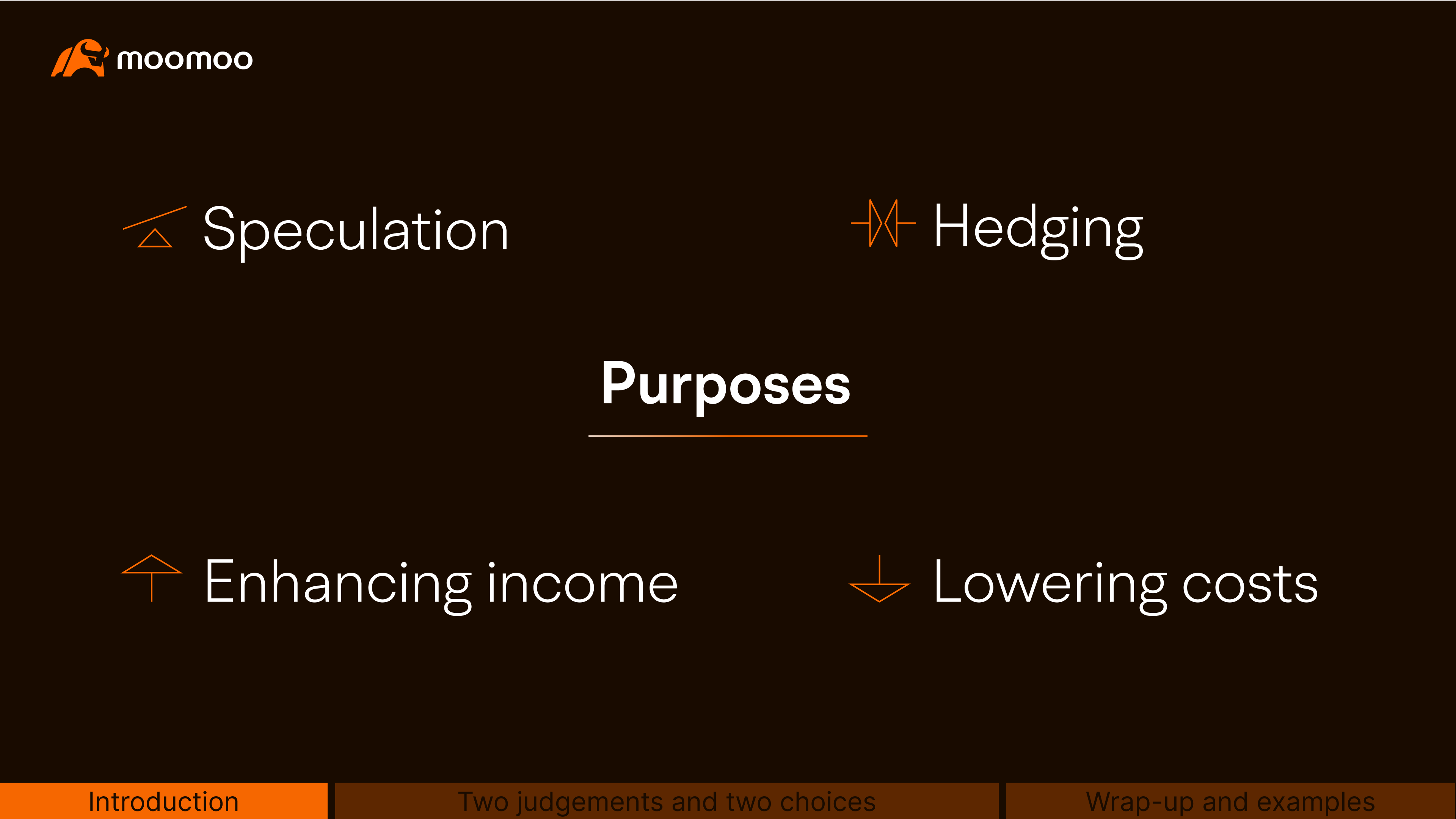
Investors have their own purposes in options trading, which include speculation, hedging, enhancing income, and lowering costs.
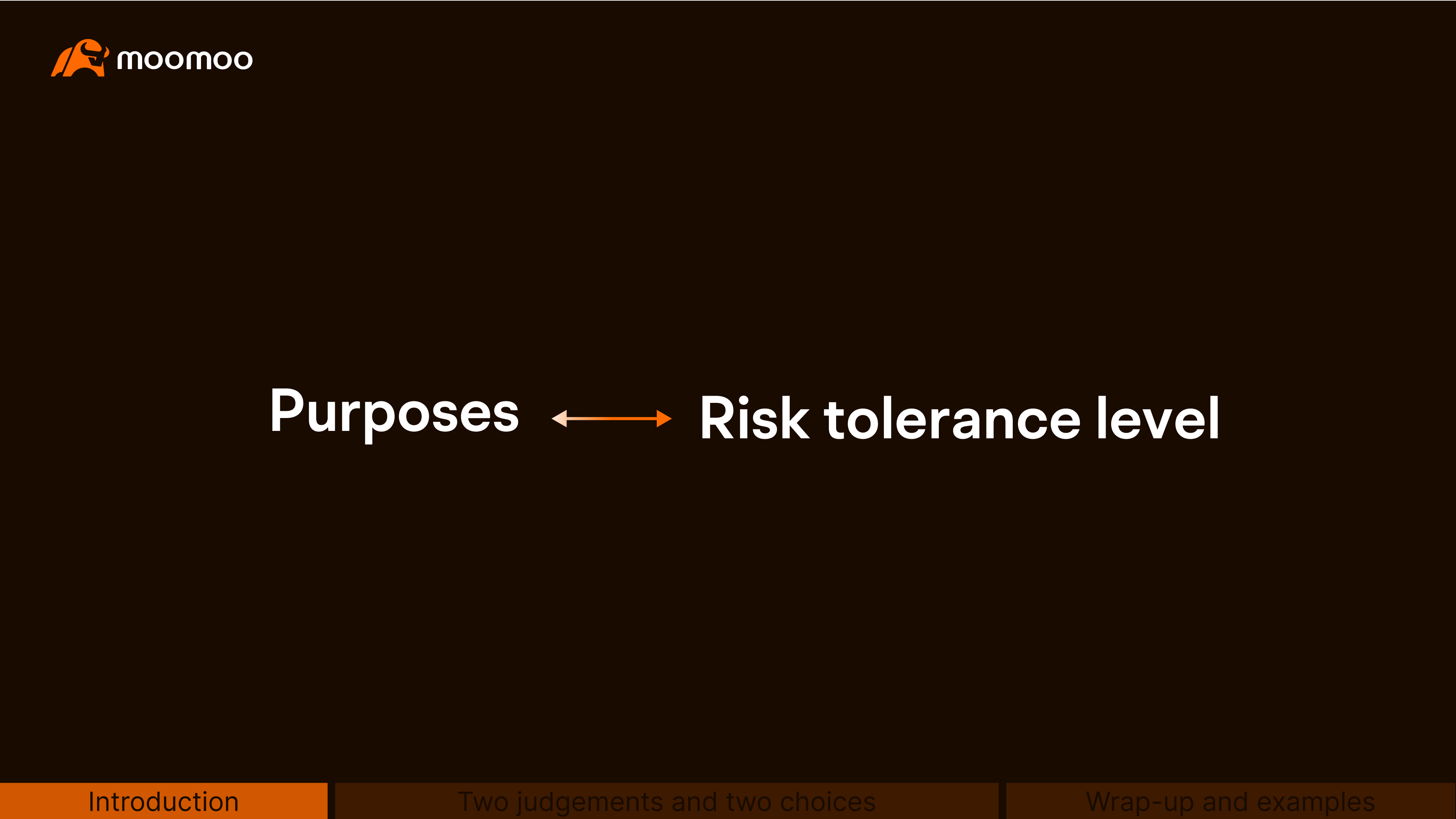
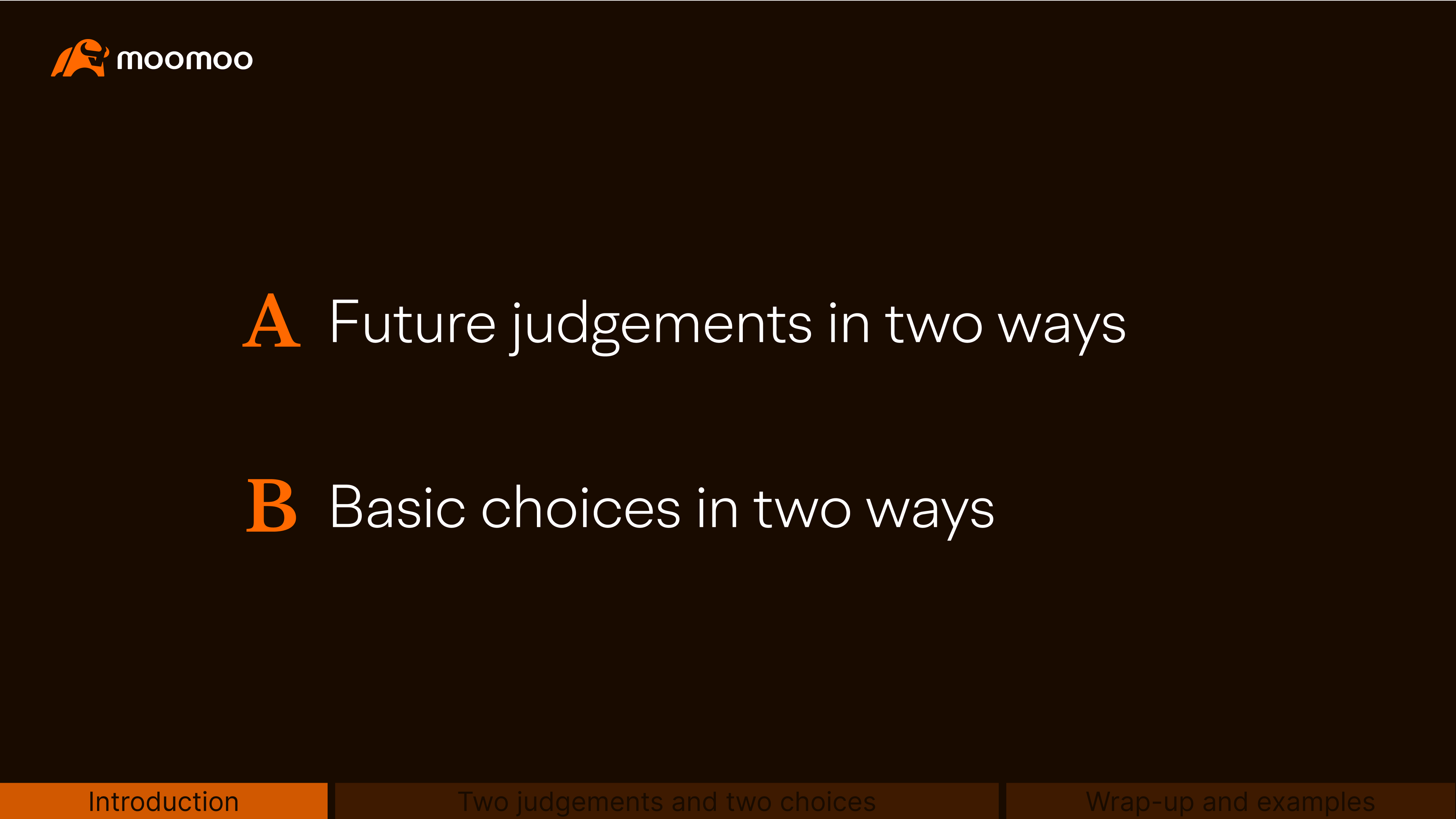
A general idea of developing a strategy is to figure out your purposes, which should align with your risk tolerance level, and then make judgments and choices based on them.

What can the judgments be?
Your judgment on the market's next move or the security's volatility matters when making trading decisions.
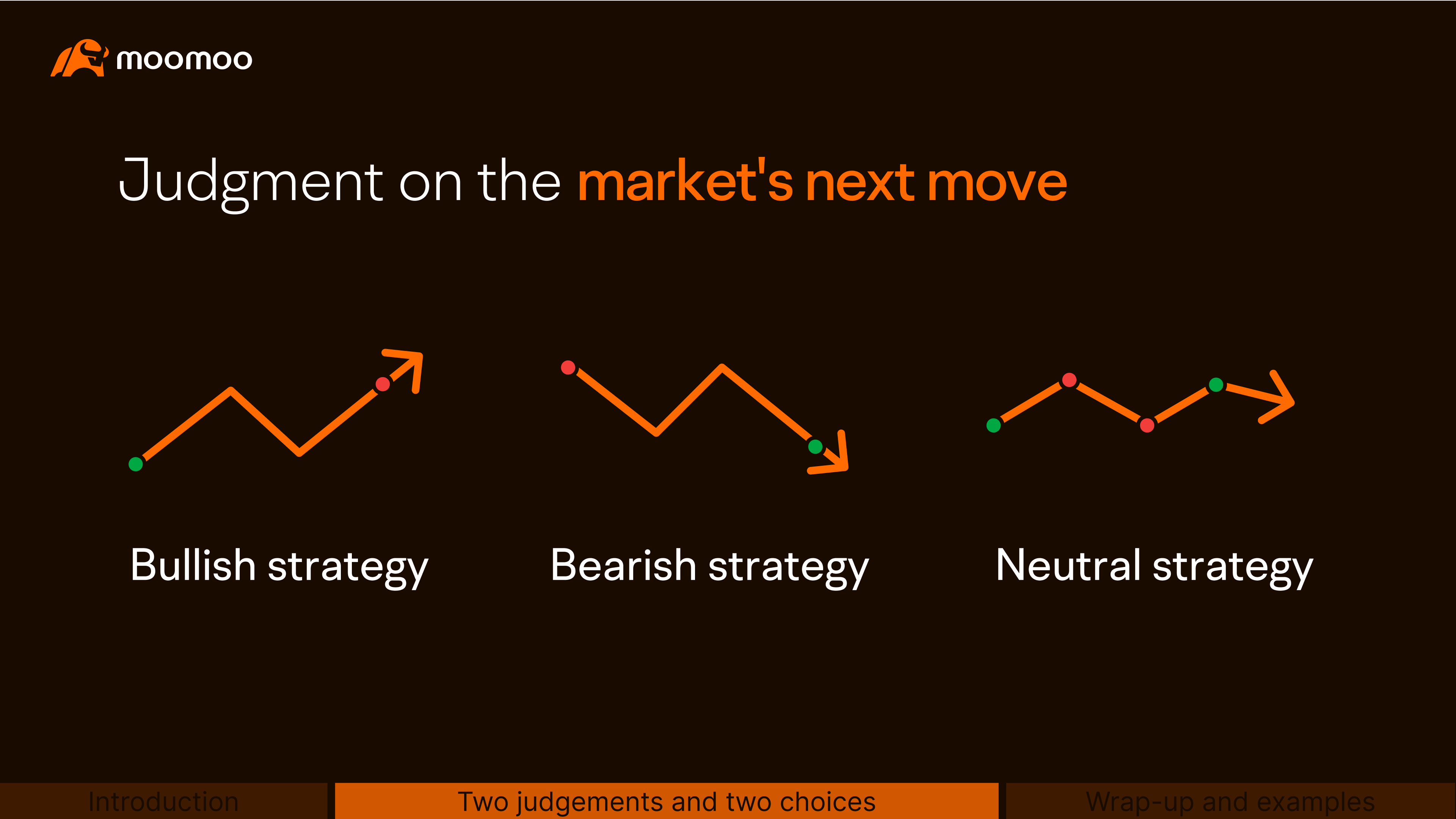
Just like you expect a stock to go up, down, or sideways, you can be bullish, bearish, or neutral in options trading.
A bullish options strategy may generate a profit from a rising underlying security, while a bearish one benefits from the underlying's price decline. Neutral strategies, on the other hand, do not rely on any specific direction of movement.
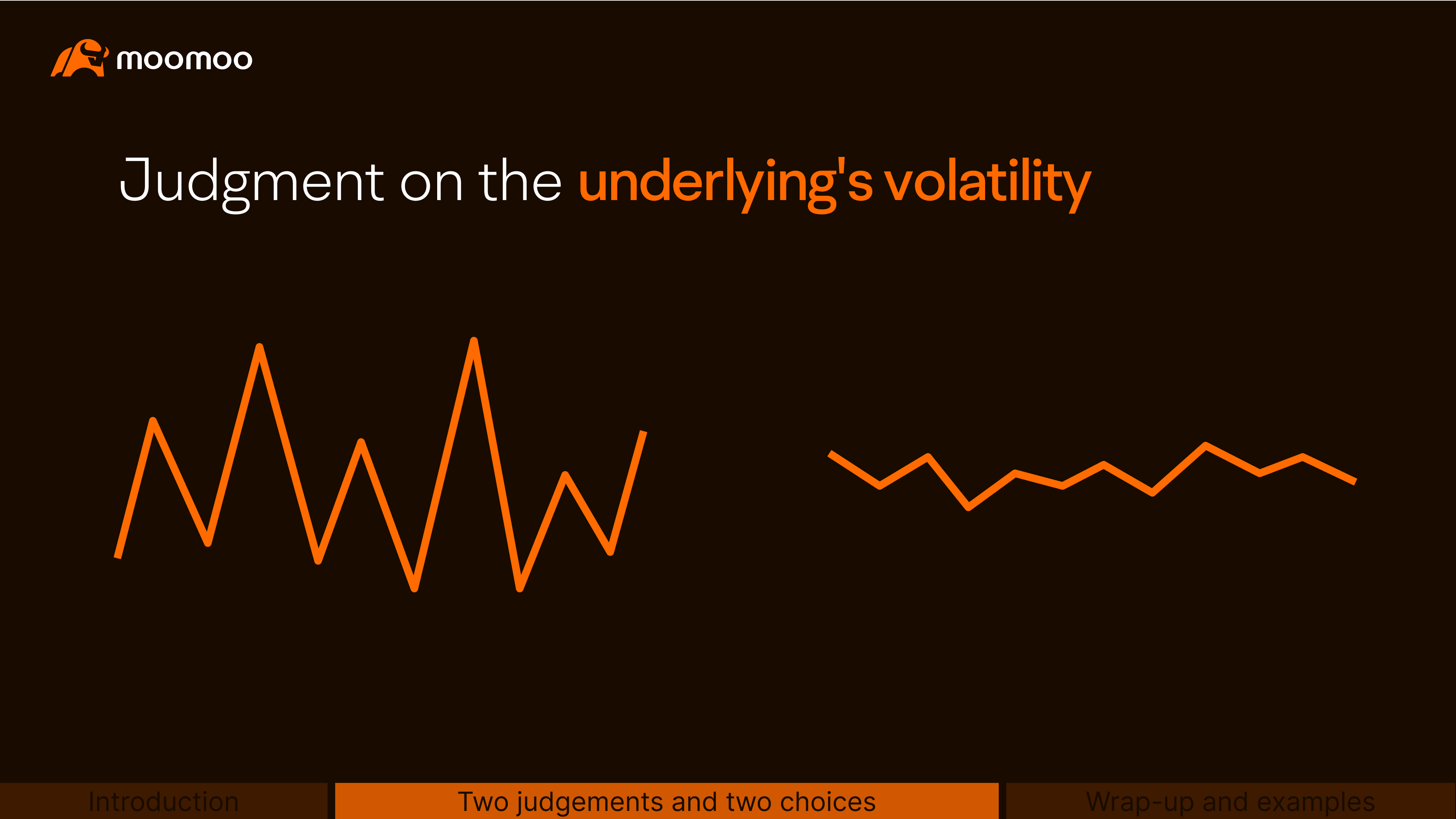
Apart from predicting the trend, anticipation of the underlying's volatility also matters in options trading, i.e., will the security move dramatically, or remain relatively stable?
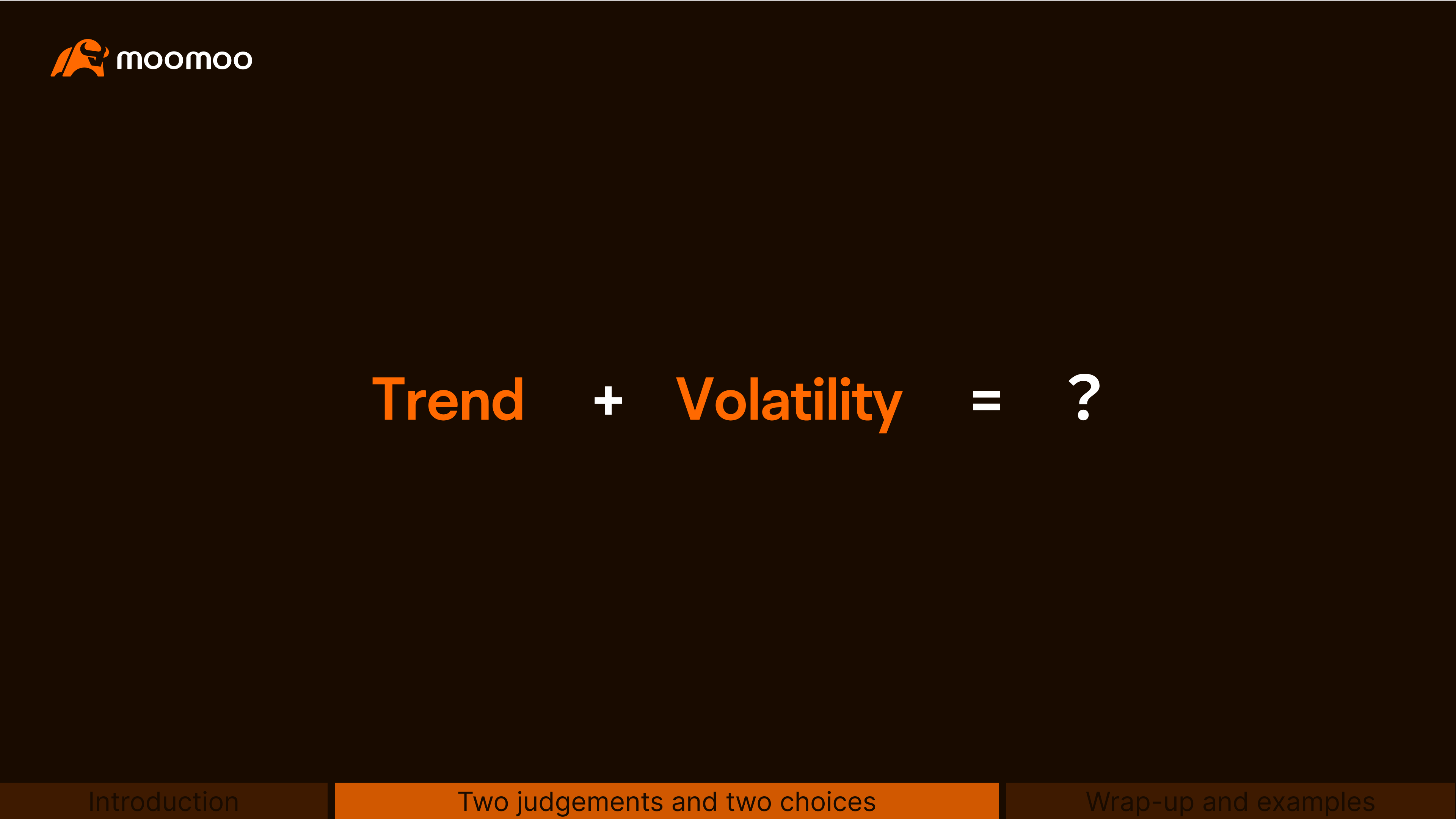
You can even draft your strategy based on expectations of both the trend and volatility.
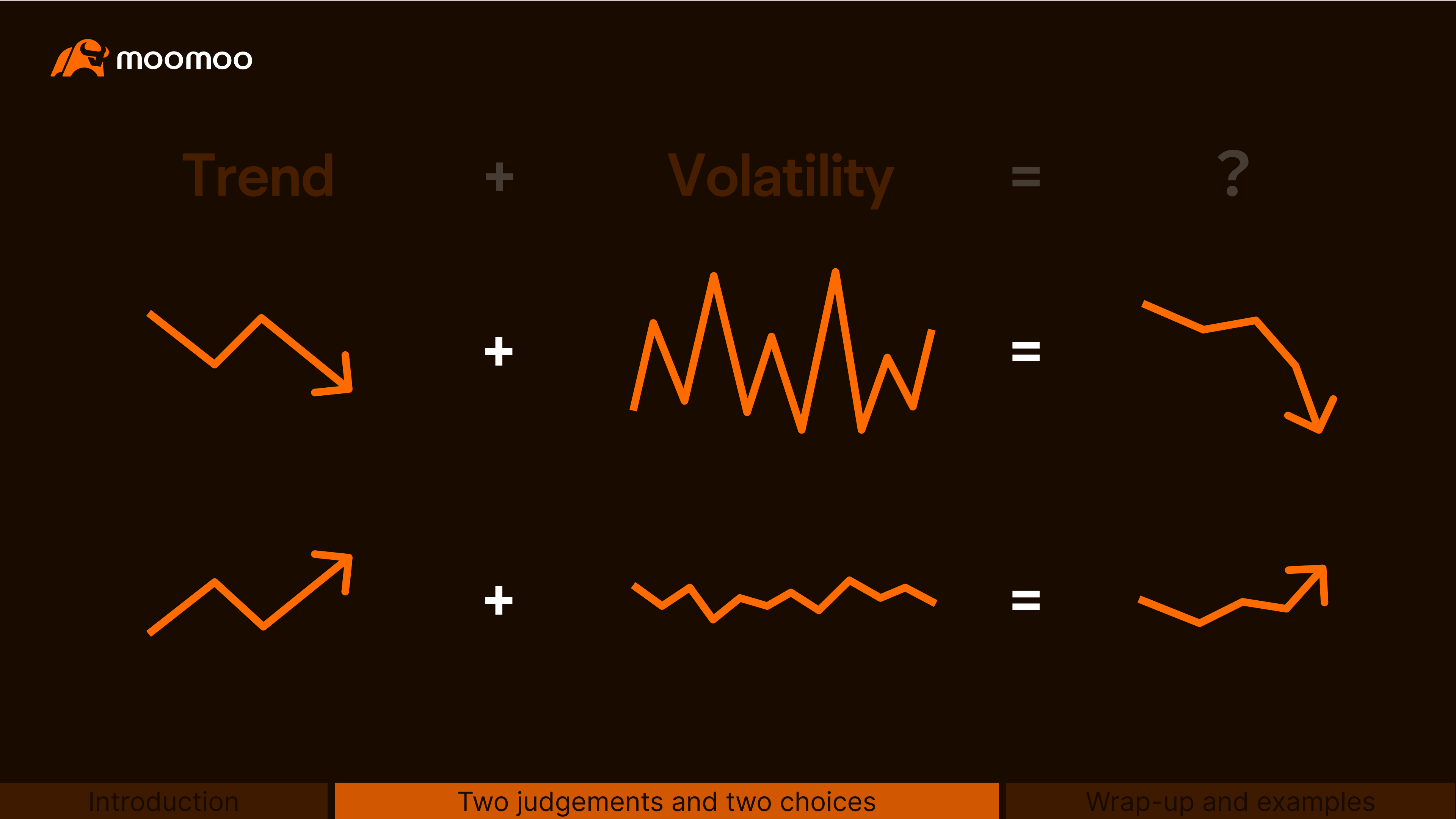
For example, there are strategies designed to benefit from a significant dip or a slight advance.
Next, you should make at least two more choices.
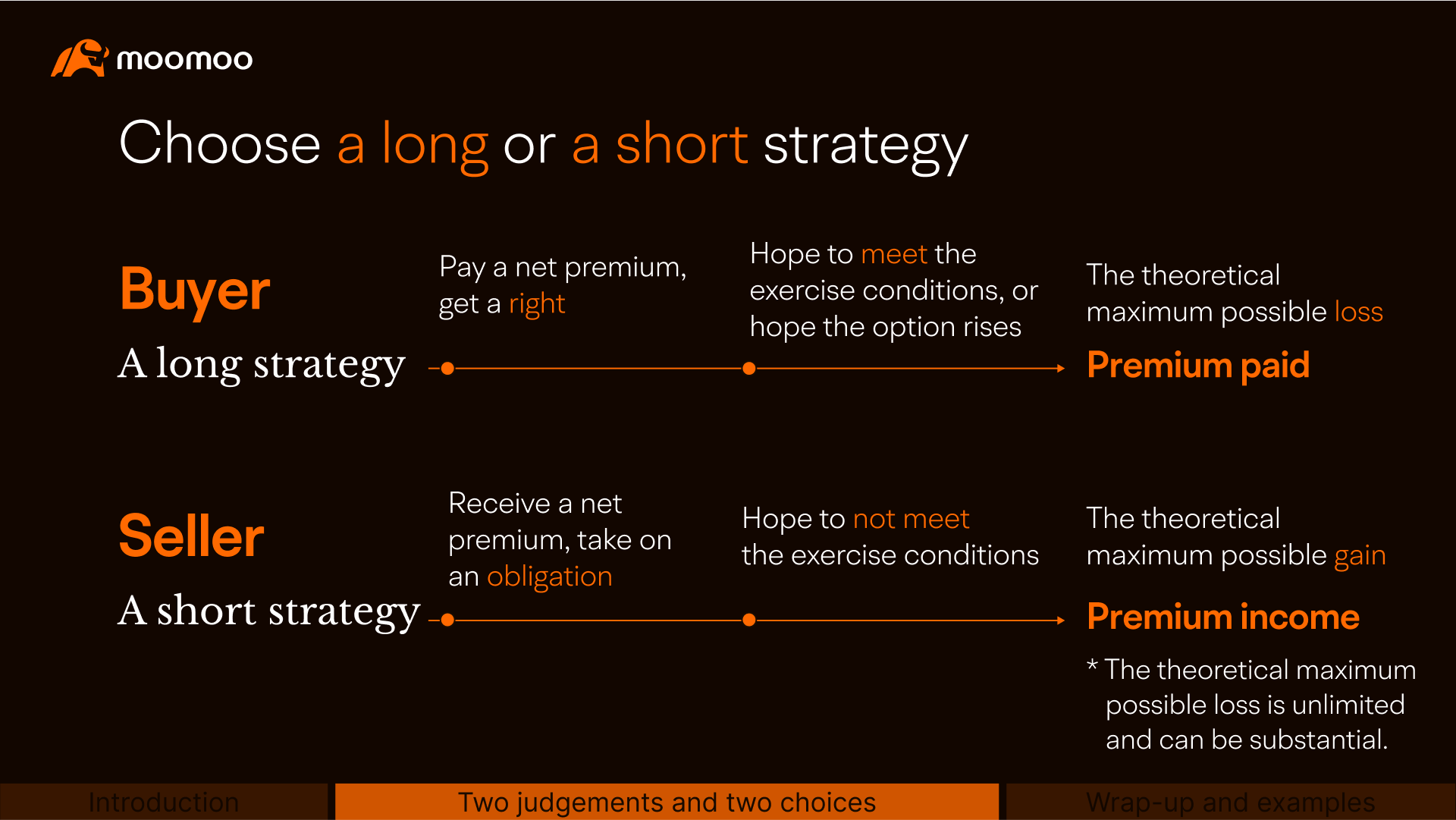
One is to consider a long or short options strategy. An investor can be a buyer or writer in the options market.
If you choose the first type, you have to pay a net premium upfront, and you get a specific right. Depending on your specific objective, you may hope to meet the exercise conditions when it expires, or, hope the option rises before it expires.
On the flip side, if you choose a short options strategy, you can receive a net premium when setting up the strategy, but you take on an obligation and generally hope to avoid meeting the exercise conditions when it expires.
Usually, the theoretical maximum possible loss of a long strategy, similar to purchasing insurance, is the initial net premium paid. In contrast, the initial net premium income is the theoretical maximum potential gain for a short strategy, similar to selling insurance.
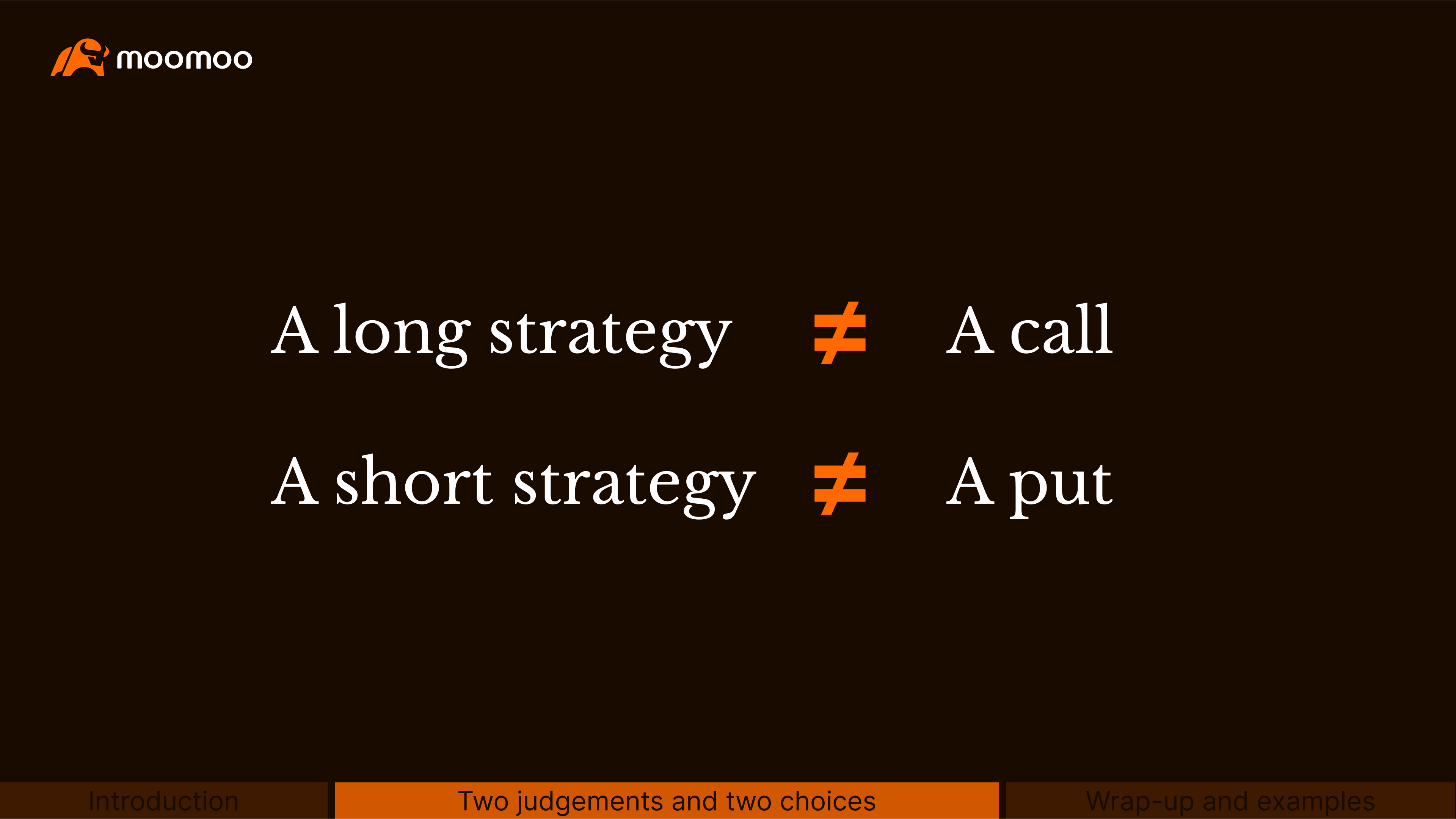
One thing to bear in mind is that long strategies do not always involve call options, and the same is true with short options and puts.
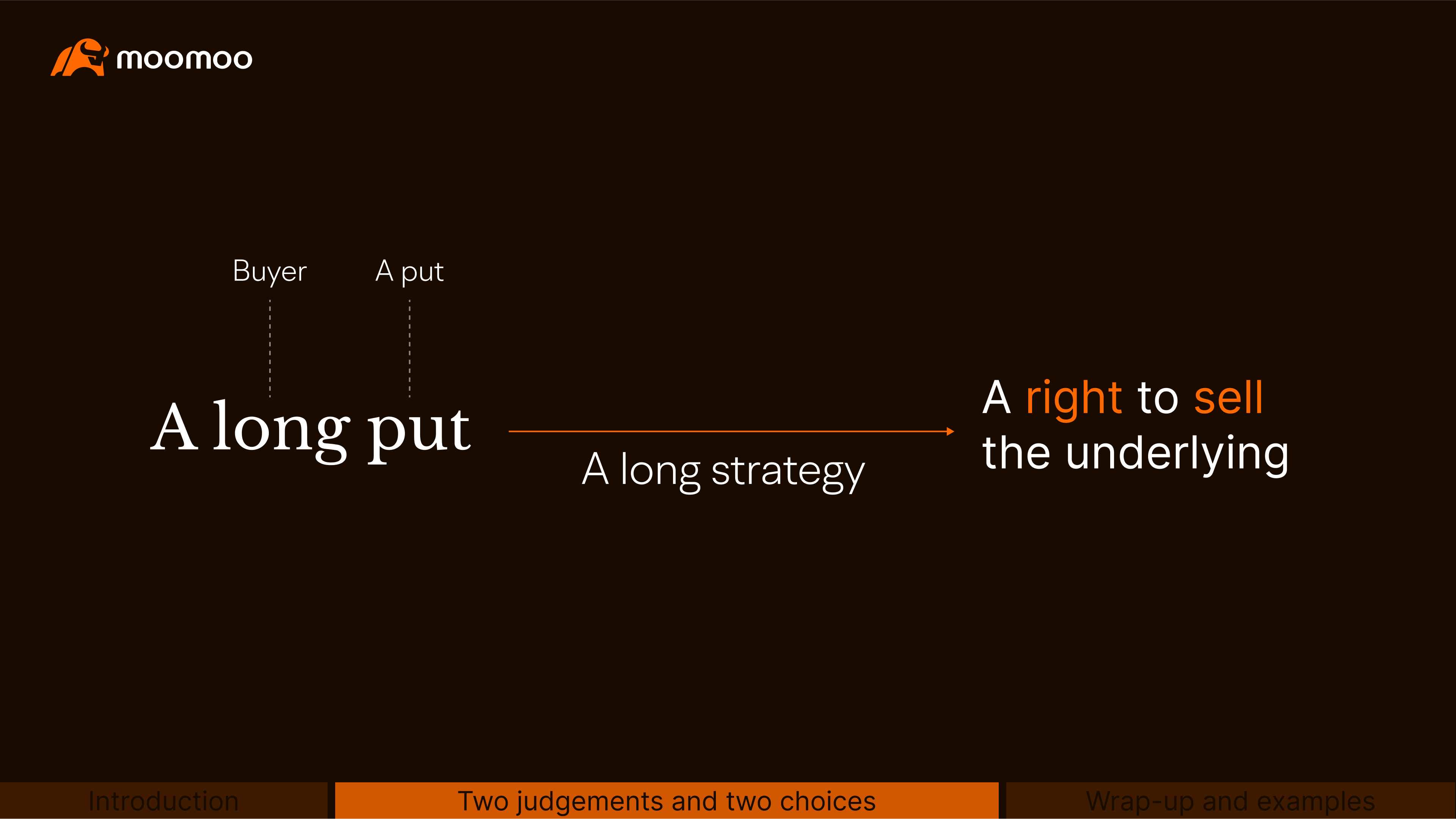
For example, a long put, meaning buying a put option, is a long strategy, and it gives the buyer the right to sell the underlying at the strike price by expiration.
Another choice is a single-leg or multi-leg strategy.
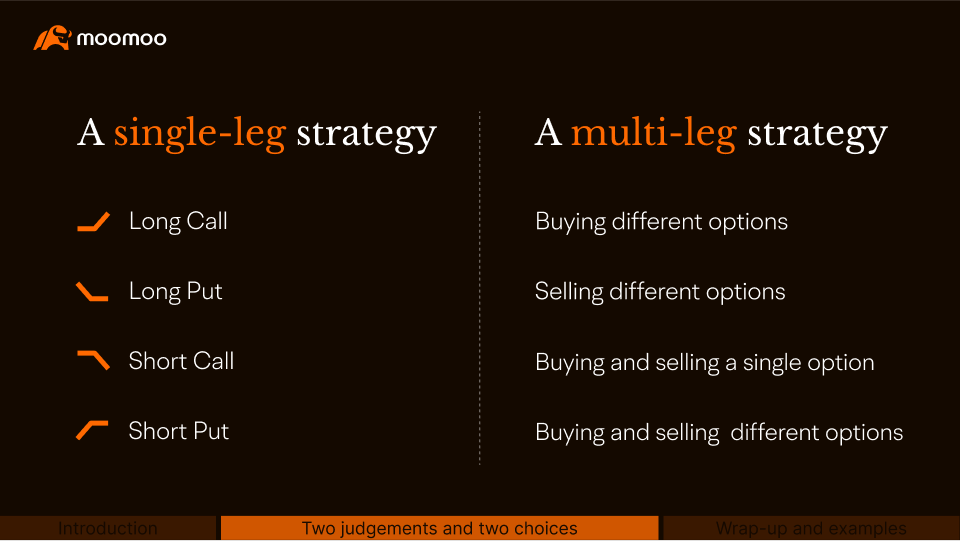
Single-leg strategies involve buying or selling a single option, including a long call, a short call, a long put, and a short put.
Multi-leg options, on the other hand, involve buying or selling two or more options contracts to create a more complex position, which could be buying different options, selling different options, buying and selling a single option, and buying and selling different options.
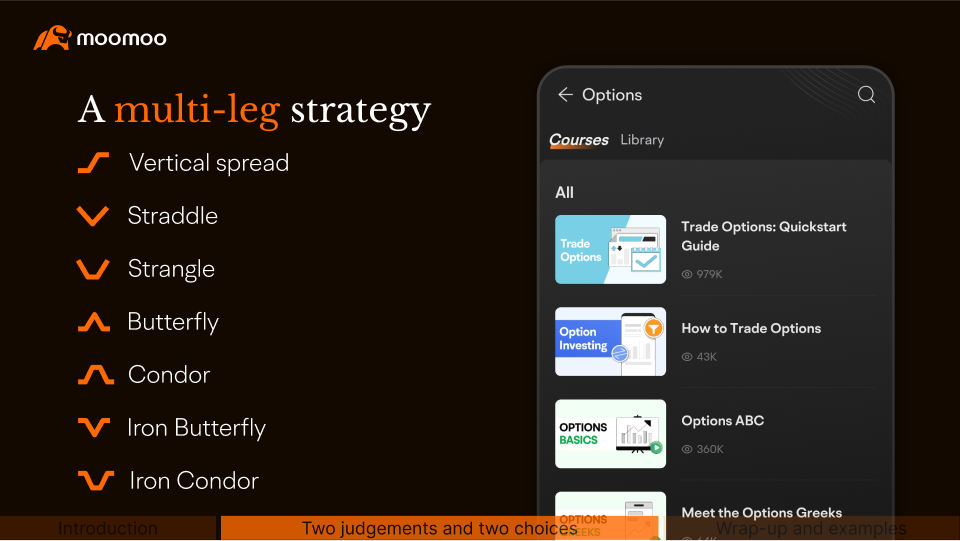
Common multi-leg options strategies include a vertical spread, a straddle, a strangle, a butterfly, a condor, an iron butterfly, an iron condor, etc. If you want to know more about these strategies, go to moomoo Learn and find related content.
Multi-leg options can be more than that. You may even create a tailor-made options strategy to help achieve a specific goal.
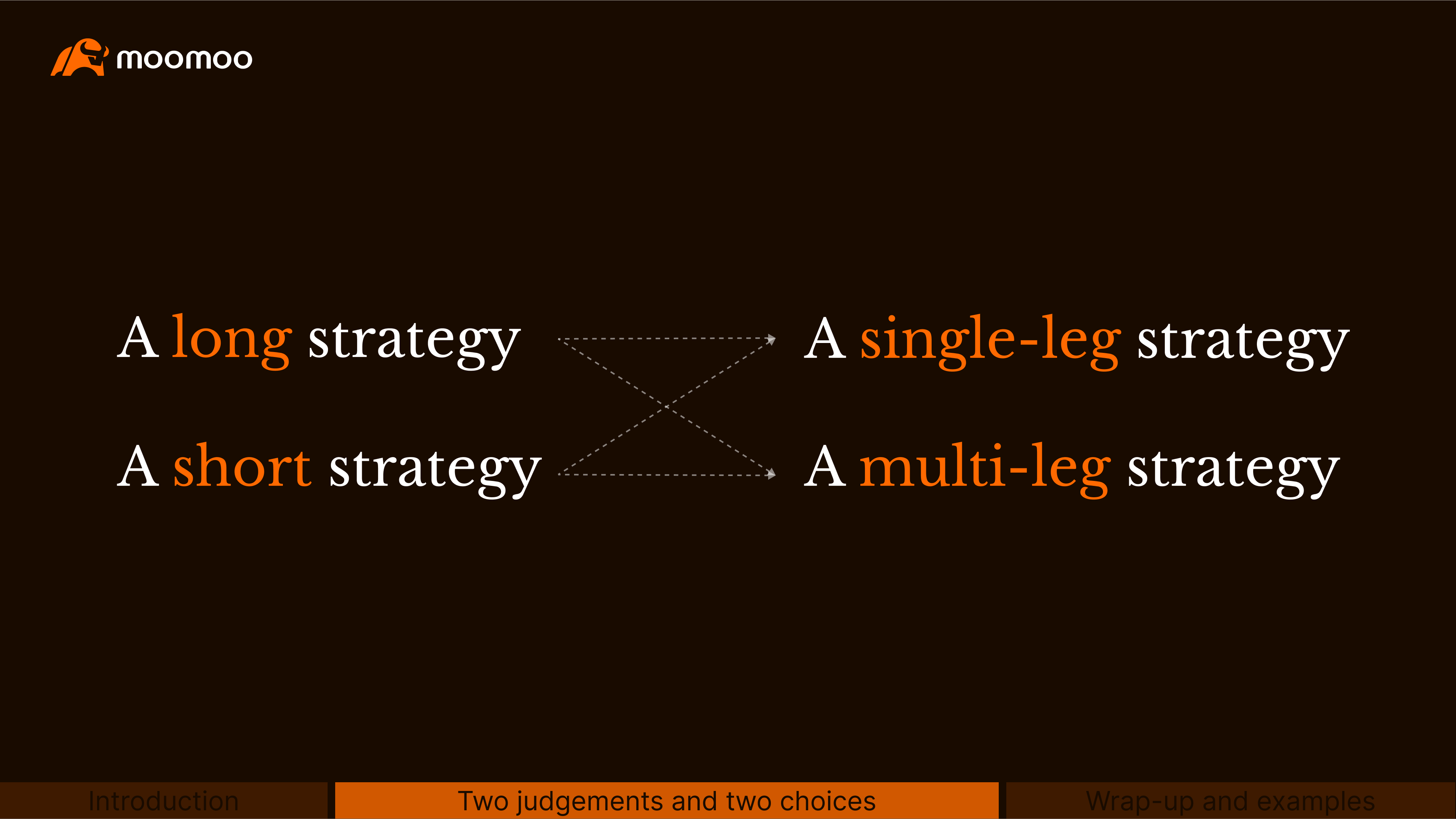
Also, you can long or short these single-leg and multi-leg strategies.
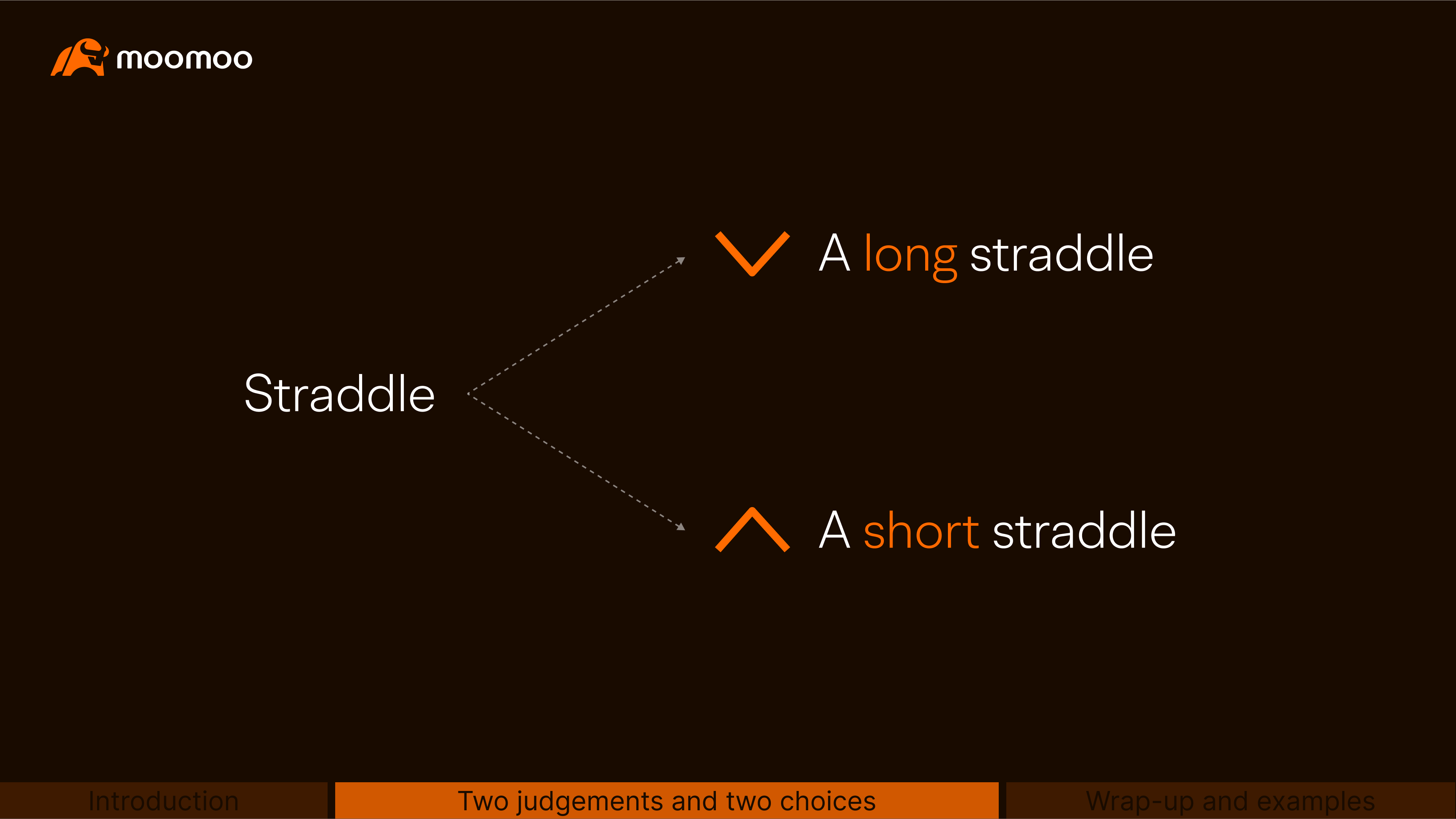
For example, the straddle strategy can either be a long straddle or a short straddle.
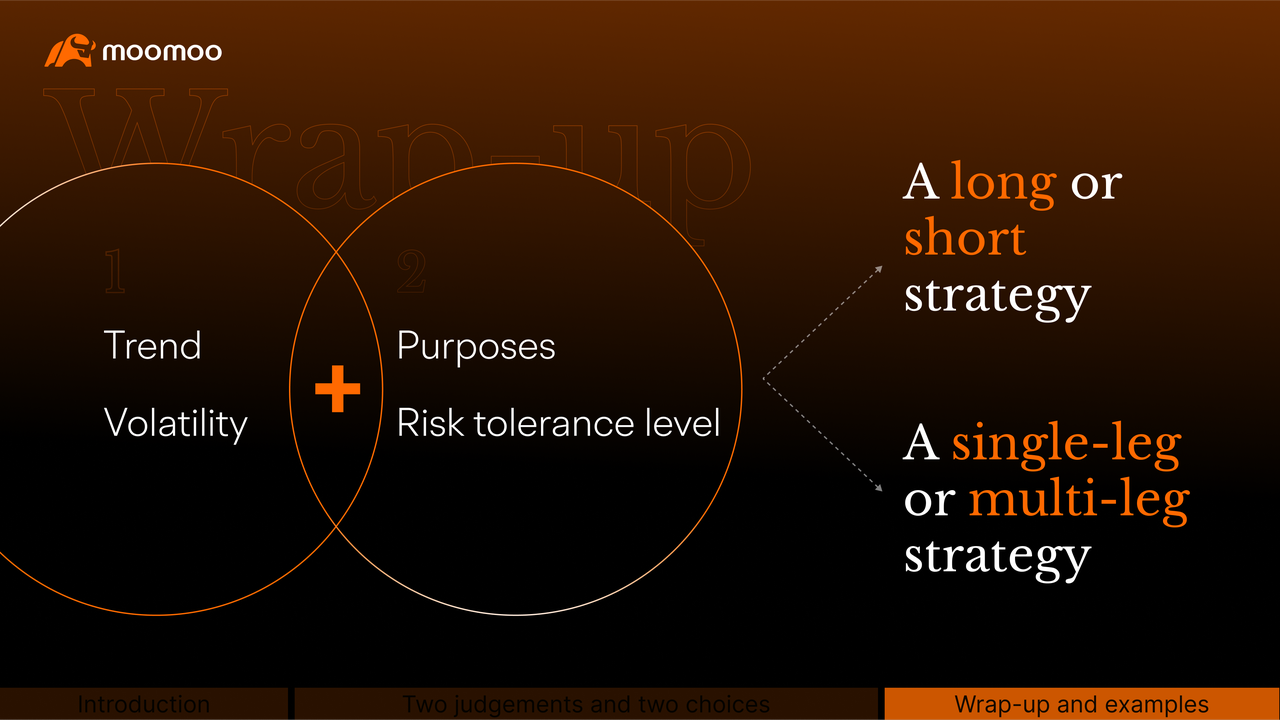
Let's wrap up what we've learned so far: we can structure a long or short single-leg or multi-leg option strategy based on our expectations of the underlying's price movement or volatility aimed at a specific goal that is consistent with our risk tolerance levels.
Remember making any trading decision involves risks. Before you jump into it, you must be aware of the risks and get prepared.
To help you understand, let's go through some examples.
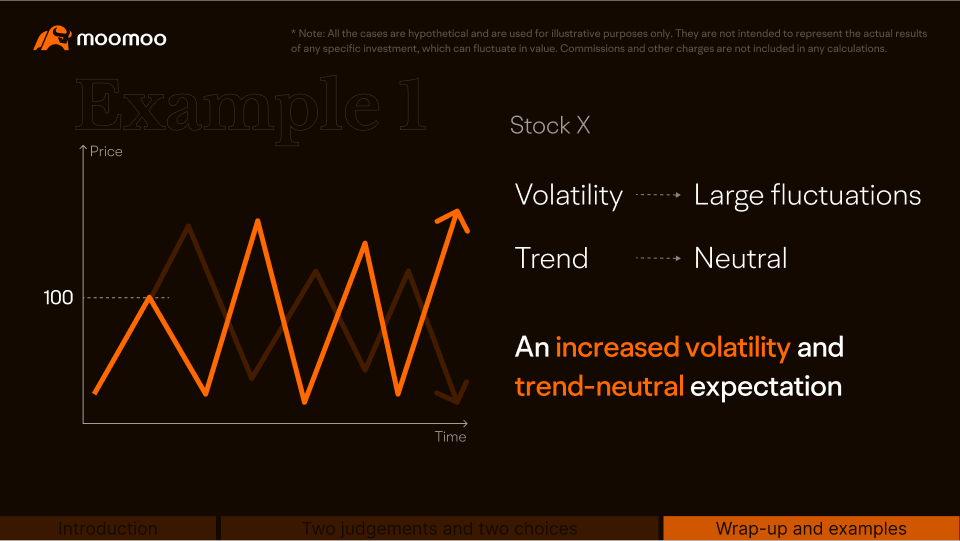
Suppose stock X is trading at $100.
Julia expects stock X to move sharply but is unsure about its direction. In other words, she has an increased volatility and trend-neutral expectation.
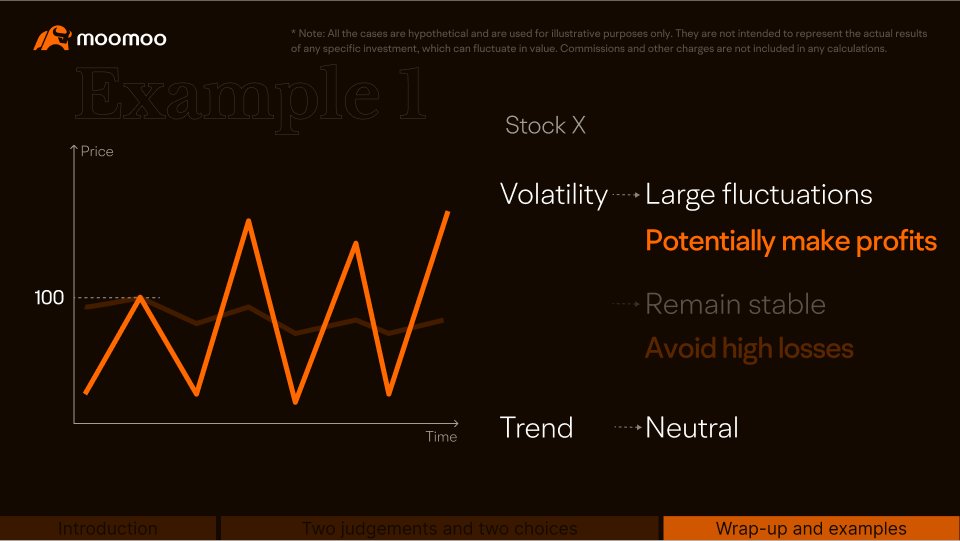
She aims to profit from large fluctuations of stock X by trading options. Still, she wants to avoid high losses should the stock remain relatively stable.
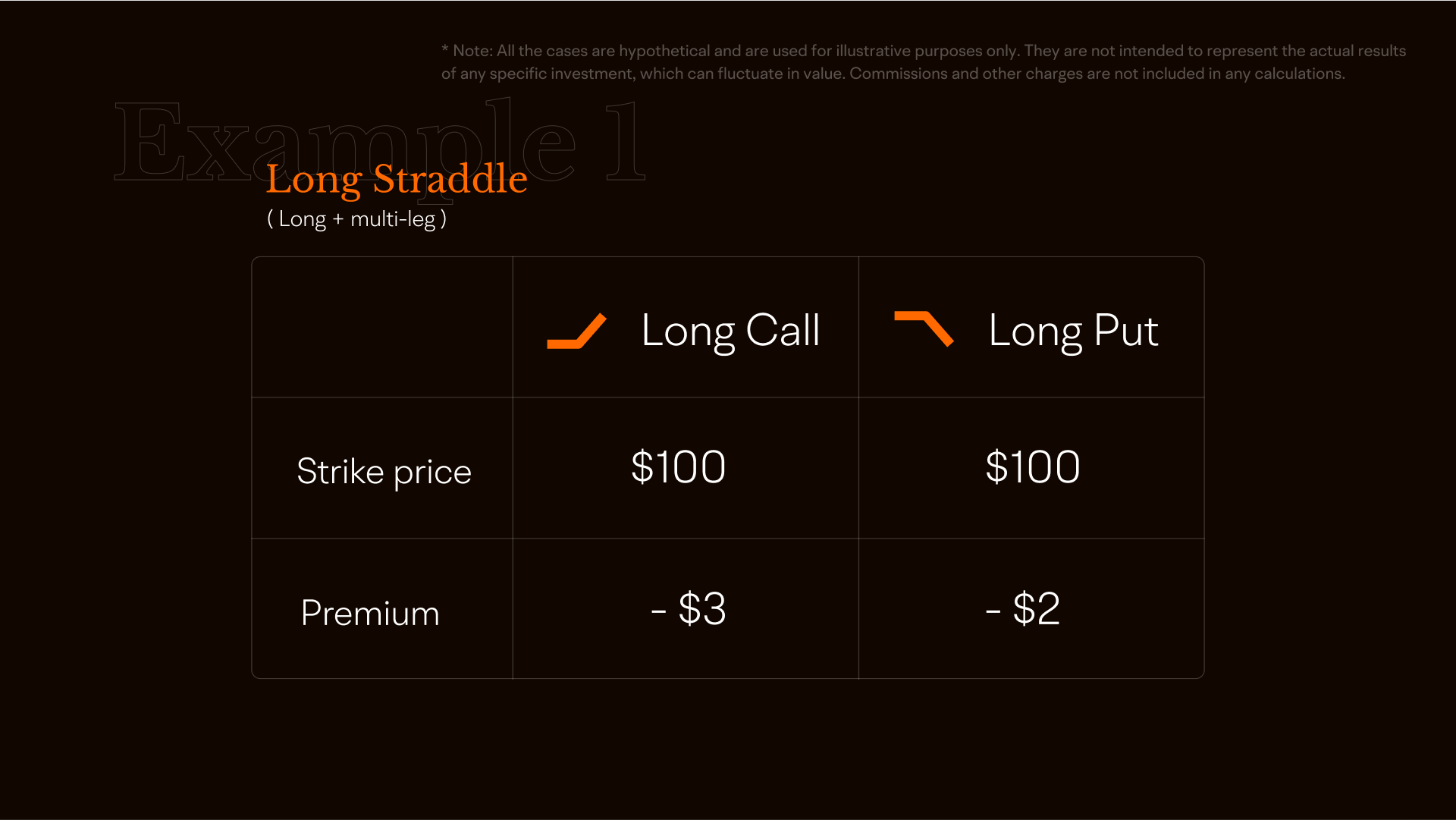
So after weighing all these up, she thinks this long straddle multi-leg strategy is appropriate for her: buying a call with a strike price of $100 at $3 and a put with a strike price of $100 at $2. Both options have the same expiration date.
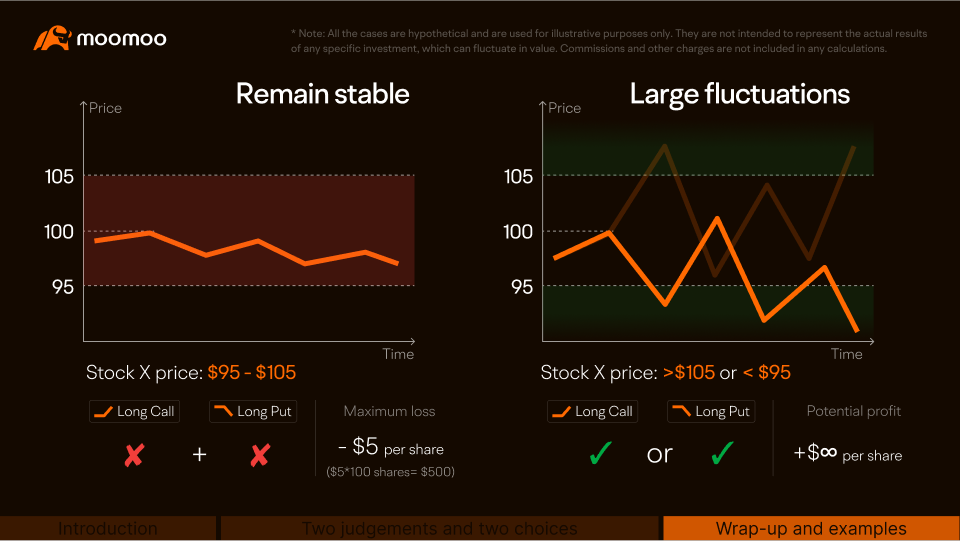
If the stock has barely moved at expiration, her theoretical maximum loss will be $3+$2=$5 per share or $500 for one standard contract.
She will likely earn a profit at expiration if the stock price rises above $100+$5=$105 or falls below $100-$5=$95. Theoretically, the potential profit is unlimited to the upside if the stock price keeps increasing.
Let's look at another example.
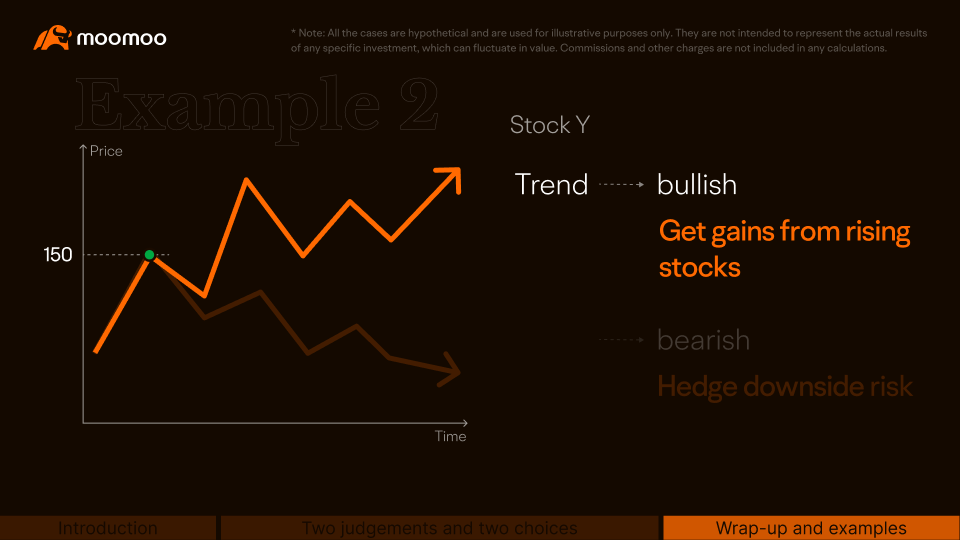
Logan buys stock Y at $150 but worries about a possible price decline.
He hopes to use options to hedge the stock's downside risk. In other words, he wants to reduce his potential losses should the fall occur.
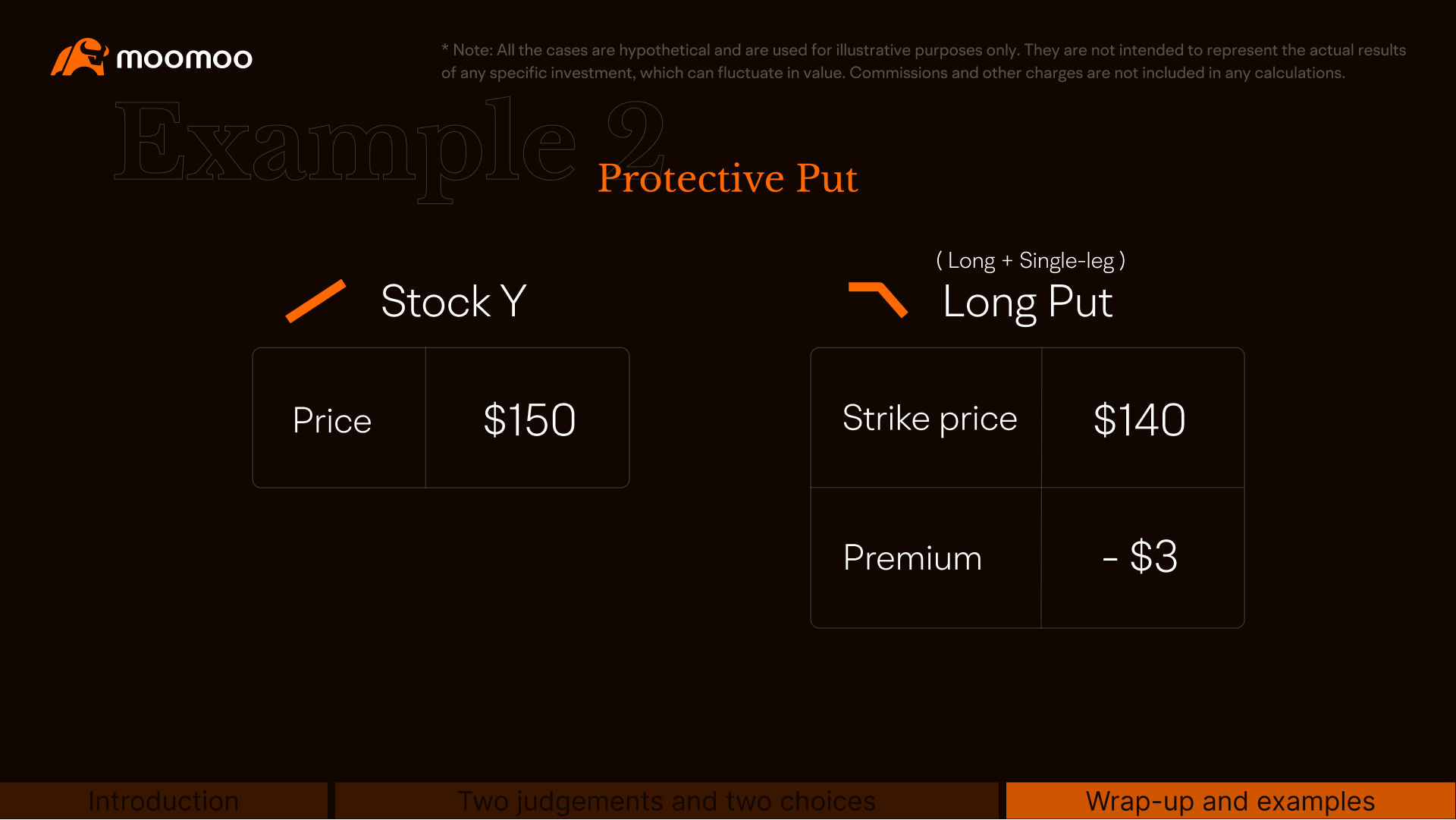
Finally, he chooses a long single-leg strategy: buying a put with a strike price of $140 at $3. The stock and the put are on a share-for-share basis. This is called a protective put strategy.
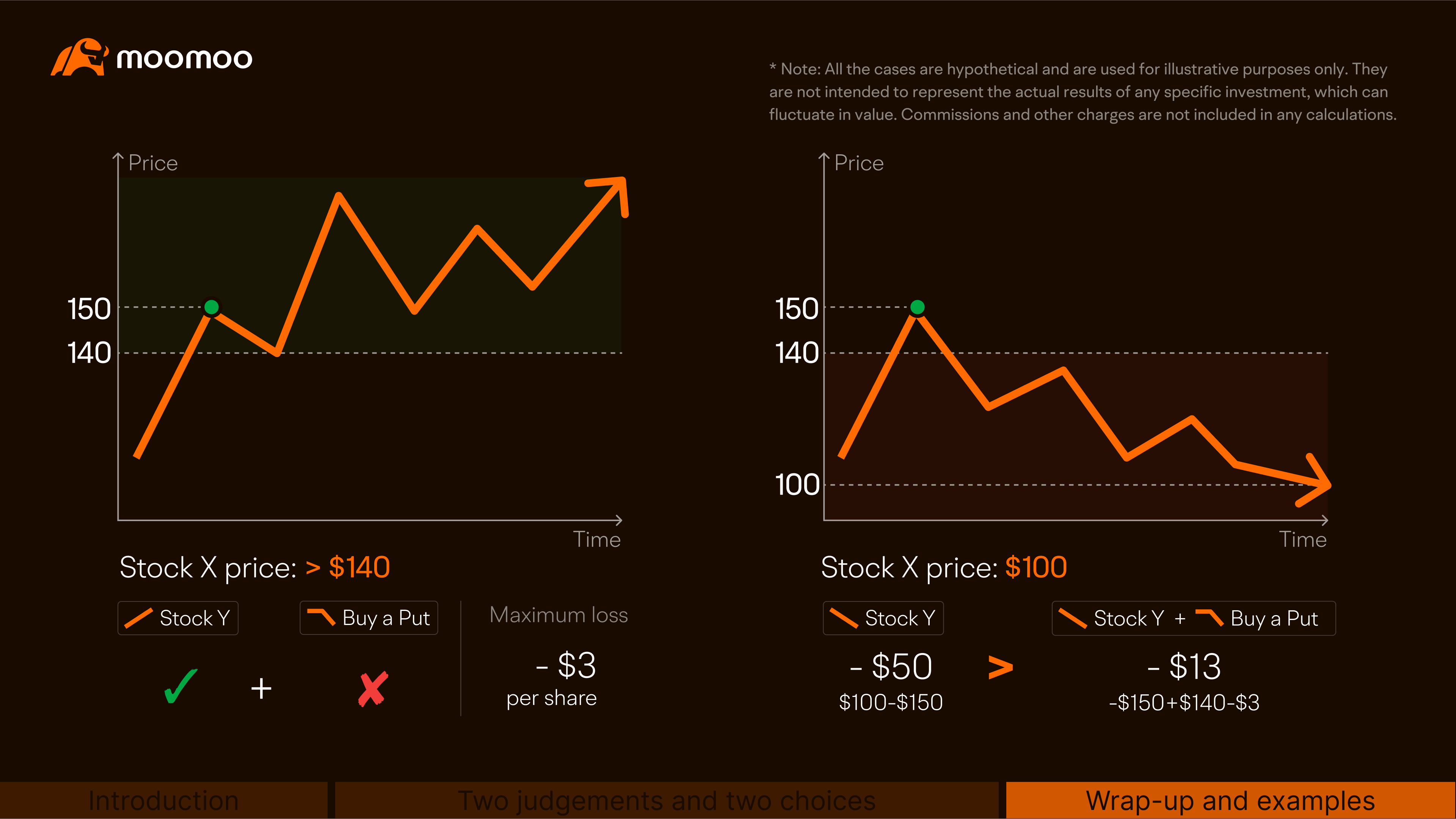
He will lose the premium paid, which is $3 per share or $300 for one standard contract, if the stock price is above $140 at expiration. It's like paying the premium of an insurance policy.
If the stock price falls to $100, his put option will provide protection, allowing him to sell the shares at $140. He would have lost more if he didn't buy the option.
A large drawback of the strategy described here is the cost of acquiring these options, which can be rather significant. As such, the premiums paid would reduce overall portfolio returns.
We've covered a lot here. Do you have any ideas about developing options strategies? Please share your thoughts with us in the Comments.
This presentation is for informational and educational use only and is not a recommendation or endorsement of any particular investment or investment strategy. Investment information provided in this content is general in nature, strictly for illustrative purposes, and may not be appropriate for all investors. Read more