What is Theta in Options Trading: Overview and Strategies
In options trading, understanding the impact of time decay is crucial to evaluating overall risk and strategy. Theta, one of the key "Greeks" (risk metrics—Delta, Gamma, Theta, Vega, and Rho—that help traders assess how different factors affect an option's price), quantifies this effect, influencing trading decisions and strategies. As time passes, an option's extrinsic value erodes, affecting both buyers and sellers. Traders should consider Theta to help optimize their positions and manage risks effectively.
What is Theta?
Theta measures the rate at which an option's price declines due to time decay. It is typically expressed as a negative value, indicating how much the option's premium decreases daily, assuming all other factors remain unchanged. As expiration approaches, Theta accelerates, particularly for at-the-money options.
Since options derive value from time and volatility, Theta can play a crucial role in determining profitability. Sellers benefit from Theta decay as the option loses value, while buyers experience a loss if the underlying asset does not move significantly. Understanding Theta helps traders anticipate price erosion and adjust their strategies accordingly.
How Theta in options trading works
Theta's impact varies depending on whether a trader is an option buyer or seller. As time passes, the extrinsic value of an option (the part of an option's price based on time, volatility, and demand, not its intrinsic worth) declines, affecting the premium. Traders who write options (sellers) benefit from this decay, while buyers experience a loss in value. The rate of decay is not linear; it accelerates as expiration nears. Theta also interacts with market volatility, meaning sudden price swings can offset its effect. By understanding how Theta functions, traders can implement strategies that better align with their risk tolerance and market outlook.
Positive and negative Theta
Theta can be either positive or negative depending on the trader's position:
Positive Theta: Option sellers (covered calls, credit spreads) can benefit from time decay. As expiration nears, the option loses extrinsic value, increasing profitability for sellers.
Negative Theta: Option buyers (long calls or puts) can experience losses as time decay reduces the option's premium. If the underlying asset doesn’t move significantly, the position becomes less valuable.
Understanding Theta’s impact can help traders to structure positions that align with their market outlook. Sellers seek to capitalize on time decay, while buyers should consider factoring in potential losses due to declining option premiums.
Example of Theta
Suppose a trader buys a call option for $5.00 with a Theta of -$0.10. Each day, the option's value decreases by $0.10, assuming other factors remain constant. After one day, the option would be worth $4.90, and after five days, $4.50. As expiration nears, Theta accelerates, causing the premium to decline more rapidly. If the underlying stock does not move significantly, the buyer may incur a loss. Conversely, an option seller would benefit from this decay. This example highlights the importance of timing in options trading and why traders should consider monitoring Theta when managing their positions.
What information does Theta provide
Theta helps traders assess the impact of time decay on their options positions. It provides insight into how quickly an option's extrinsic value will diminish, guiding decisions on trade duration and exit strategies. A high Theta value indicates rapid time decay, favoring sellers, while a low Theta suggests slower premium erosion. Additionally, Theta interacts with other Greeks, influencing risk management strategies. Understanding Theta can help traders determine optimal expiration dates, structure trades to minimize losses, and adjust portfolios accordingly. Properly utilizing Theta data can potentially enhance profitability by aligning option positions with expected market conditions and volatility trends.
Time decay and option values
Time decay accelerates as expiration nears, affecting at-the-money options most significantly. Out-of-the-money options experience slower Theata decay, while in-the-money (ITM) options retain more intrinsic value. As a result, Theta has a non-linear effect on option pricing. Traders who sell options can capitalize on this decay, collecting premiums that decrease over time. This differs from buying options; options buyers must ensure their trades move favorably before significant value erosion occurs.
Understanding time decay can help traders make more informed decisions about entry and exit points, potentially improving their risk management and profitability. Theta's impact varies with volatility and market conditions, making it an important factor in making informed options trading decisions.
How to calculate Theta
Theta is calculated using options pricing models like Black-Scholes, which consider factors such as strike price, time to expiration, volatility, and interest rates. The formula involves partial derivatives and complex mathematical computations. Thankfully, most trading platforms display Theta values, eliminating the need for manual calculations. Traders rely on these values to gauge the expected daily premium decay. A higher Theta means a faster decline in option value, favoring sellers. While calculations can be intricate, understanding Theta's significance can allow traders to manage positions more effectively. Monitoring Theta can assist traders making an informed decision on when to enter or exit trades for potentially increased profitability.
How to find Theta using moomoo
Moomoo provides an intuitive platform to access options Greeks, including Theta. To locate Theta on Moomoo, follow these steps:
Log in to moomoo: Open the app or website and sign in.
Go to the Options Section: Search for the stock or ETF of interest.
Select an Option: Open the details of the specific contract.
View Option Greeks: Locate Theta under the “Greeks” section.
Moomoo simplifies trading by offering real-time Theta values, helping traders manage time decay effectively.
Options strategies based on Theta
Theta plays a key role in various options strategies.
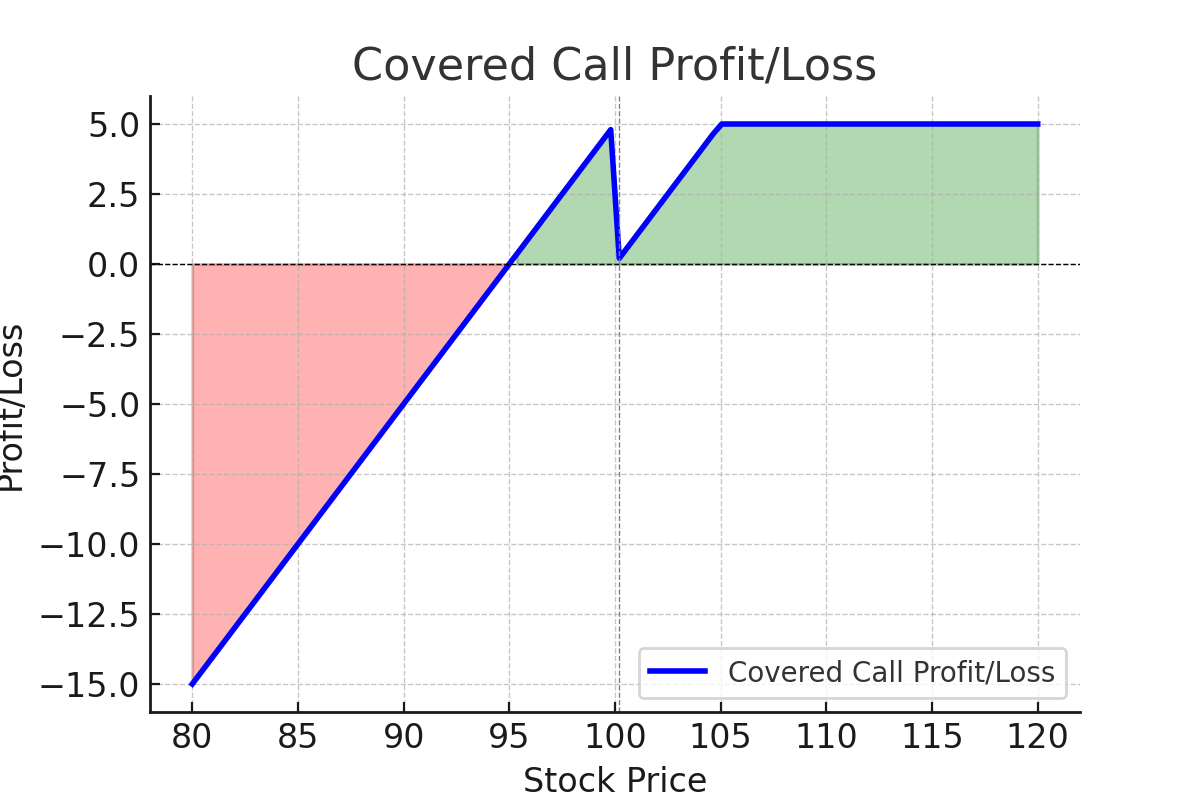
Covered call
A covered call strategy involves holding shares of a stock while selling a call option on the same stock. This approach generates income from the premium received while benefiting from positive Theta as time decay erodes the option’s value. The strategy works best in a neutral to slightly bullish market, where the stock price remains stable or increases moderately. If the option expires worthless, the seller keeps the premium as profit. However, if the stock price rises above the strike price, the seller is obligated to sell the shares at that price.
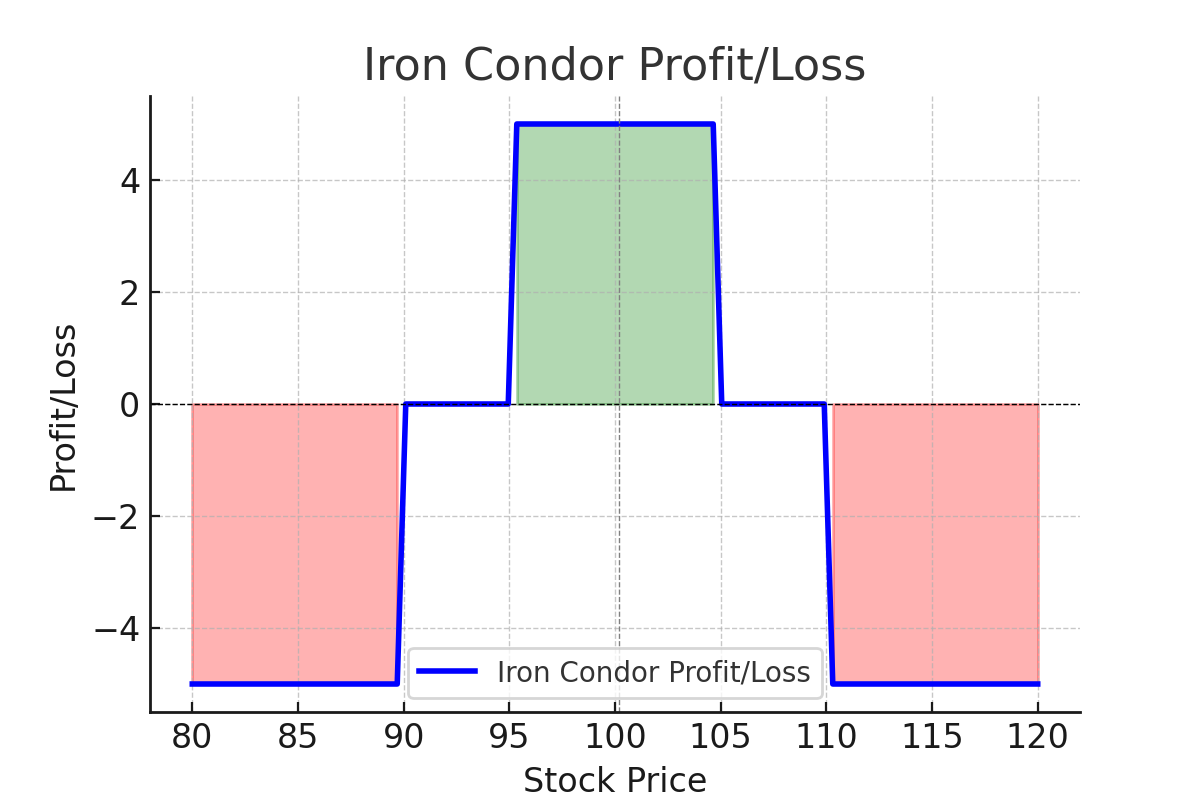
Iron condor
Selling an iron condor is a non-directional strategy that profits from low volatility by selling an out-of-the-money put spread and an out-of-the-money call spread simultaneously. As time passes, the short options within the spread lose value due to Theta decay, allowing the seller to profit if the stock price remains within the range of the spreads. This strategy is generally used when a trader expects minimal price movement and seeks to generate returns from Theta decay. However, it carries the risk of significant losses if the stock moves beyond the established strike prices, requiring careful risk management.
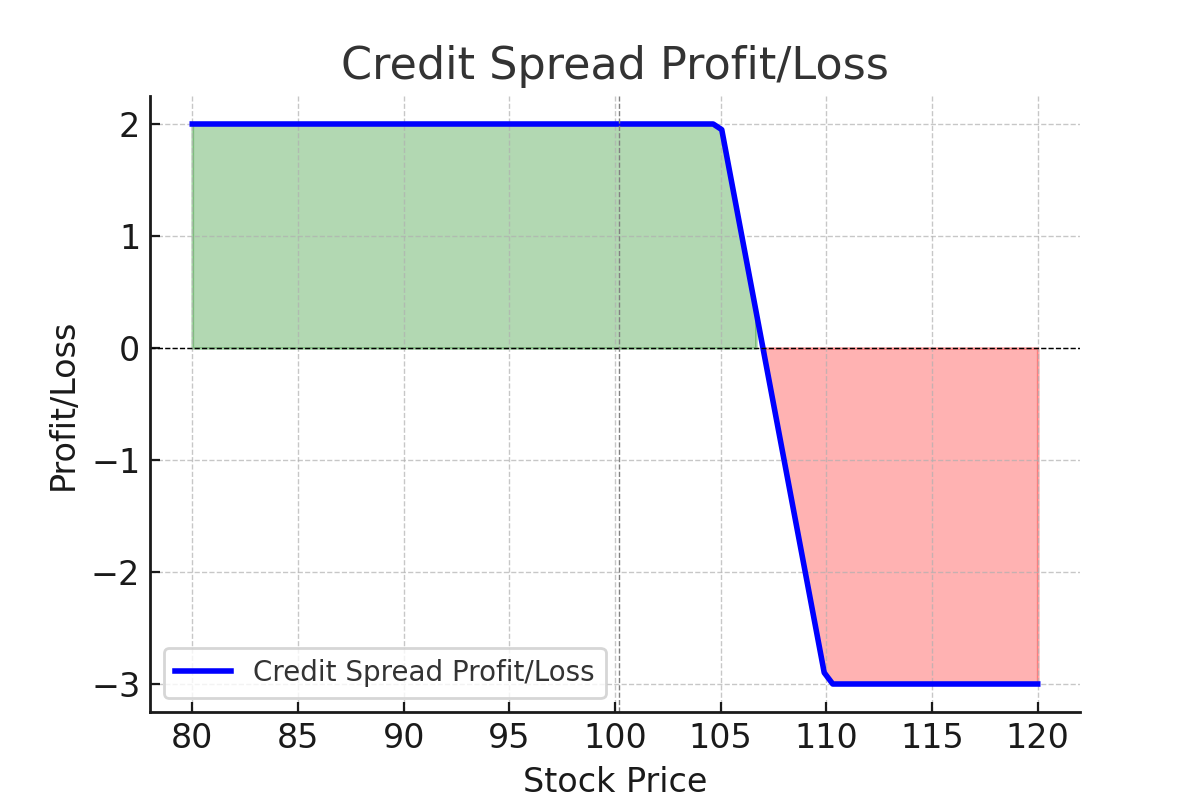
Credit spread
A credit spread involves selling an option with a higher premium while purchasing another option with a lower premium. The difference in premiums results in an upfront credit to the trader’s account. This strategy generally benefits from positive Theta because the time decay reduces the value of the short option at a faster rate than the long option. Common variations include bull put spreads and bear call spreads, both designed to generate income while limiting risk. This strategy is particularly useful when traders anticipate moderate market movements but want to protect against large swings. Credit spreads in options trading offer limited profit potential but come with the risk of significant losses if the underlying asset moves unfavorably. While they provide defined risk, factors like market volatility, early assignment, and liquidity issues can increase the chances of a larger-than-expected loss.
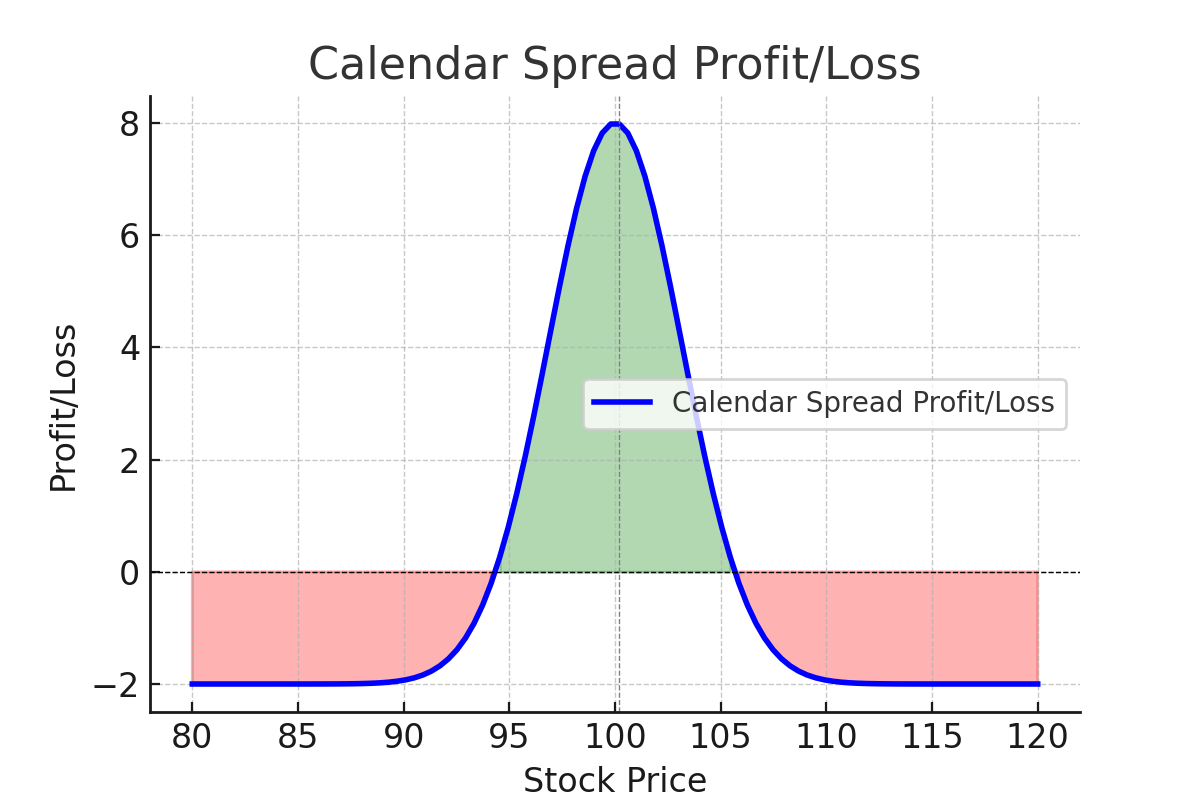
Calendar spread
A calendar spread consists of buying an option with a later expiration date and selling an option with a closer expiration date with the same strike price. Since short-term options experience Theta decay at a faster rate than long-term options, this strategy benefits from the disparity in time decay. It is most effective when traders expect a gradual price movement in the underlying asset over time. Calendar spreads carry the risk of time decay, where the short option loses value faster than the long option, especially if the underlying asset remains stagnant. They are also sensitive to volatility changes, and significant price movement in the underlying asset can lead to losses, making them require careful monitoring and management.
Strangle and straddle
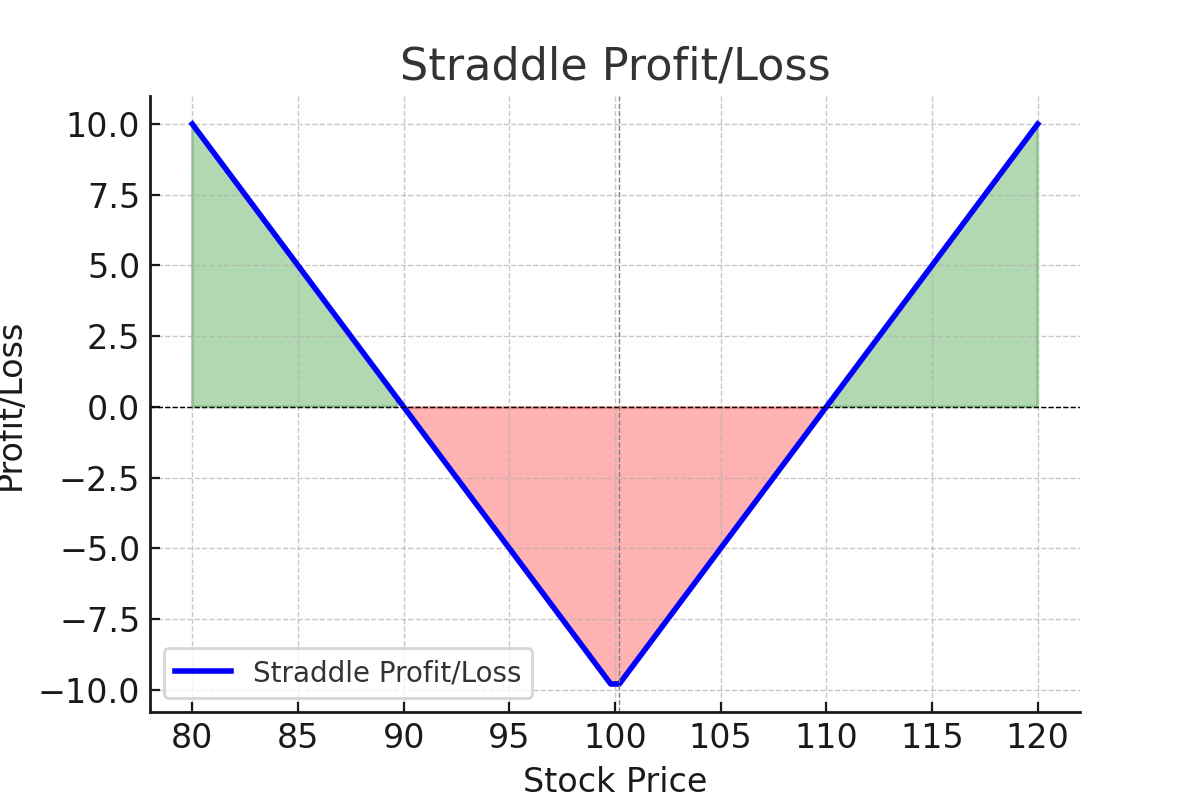
Long straddles and strangles are strategies used when a trader anticipates significant price movement but is unsure of the direction. Long straddles involve purchasing a call and a put at the same strike price, while a long strangle involves buying a call and a put at different strike prices. While both strategies can provide substantial profit potential if the stock moves significantly, they are highly susceptible to Theta decay. If the stock price remains stagnant, the options lose value over time, leading to potential losses for the trader. Managing these strategies requires careful timing to capitalize on anticipated market movements.
Cash-secured put
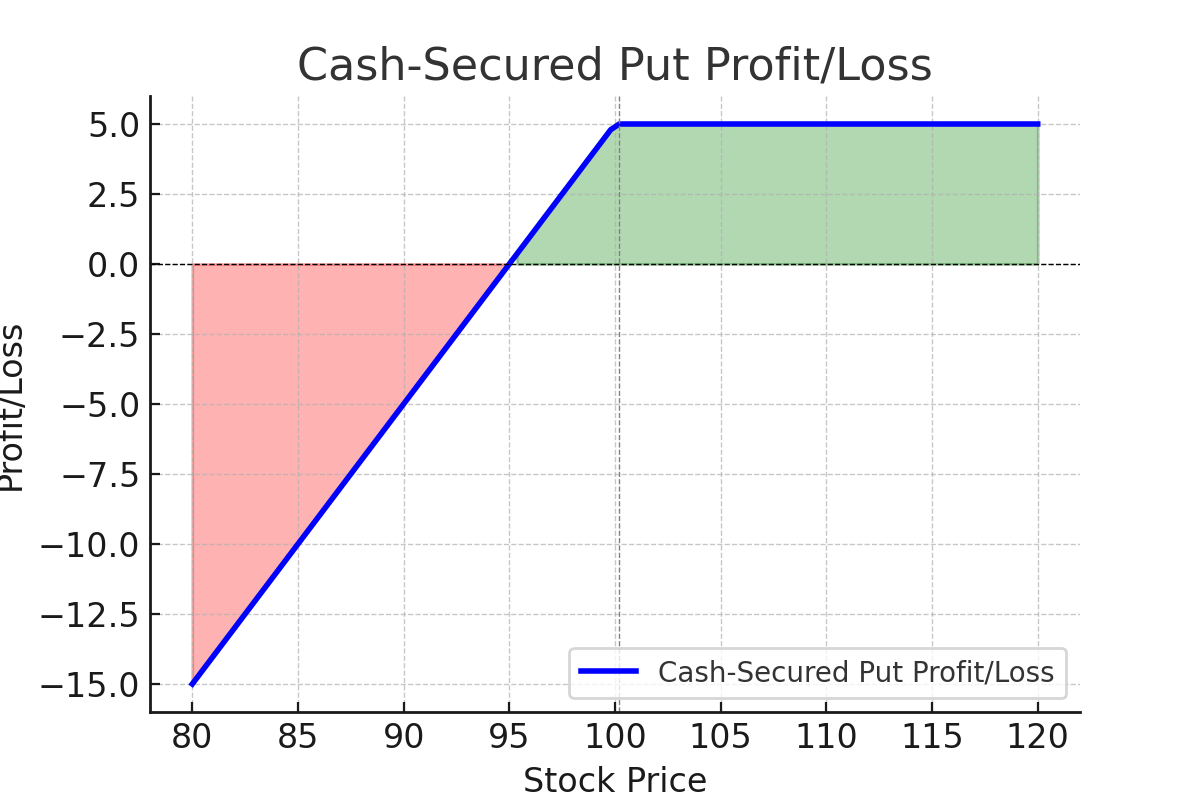
A cash-secured put strategy involves selling a put option while keeping enough cash in reserve to buy the underlying stock if assigned. Traders use this strategy to generate income from the option premium while potentially acquiring stock at a lower price. The strategy benefits from positive Theta as time decay erodes the option’s value. If the option expires worthless, the trader keeps the premium as profit. However, if the stock price declines below the strike price, the trader must purchase the stock, making this a potentially effective strategy for those willing to take ownership of shares at a predetermined price.
By incorporating Theta-focused strategies into their trading plans, investors may better position themselves to take advantage of time decay, potentially enhancing their ability to generate income while managing risk effectively. Since cash-secured puts carry the risk of being obligated to buy the underlying asset at the strike price if the option is exercised, this could result in losses if the asset's market value falls significantly. While the premium received provides some buffer, large declines in the asset's price can still lead to substantial losses.
Theta vs. other Greeks
Theta is one of several important Greeks that influence options pricing, each measuring a different sensitivity to market variables. Delta represents how much an option's price moves concerning a $1 change in the underlying asset, while Gamma measures the rate of change in Delta, indicating how quickly an option’s sensitivity to price shifts evolves. Vega tracks the impact of volatility on an option’s price, reflecting how changes in implied volatility affect value. Lastly, Rho assesses the influence of interest rate fluctuations on option pricing. Understanding how Theta interacts with these Greeks helps traders make informed decisions about risk management and strategy selection.
By incorporating Theta-focused strategies into their trading plans, investors can potentially structure their positions to benefit from time decay, potentially improving income generation and risk management.
Frequency Asked Questions
How do you use Theta value in options?
Some traders use Theta to predict time decay’s effect on option pricing, helping to optimize strategies for profitability.
How does Theta go up and down?
Theta increases as expiration nears, particularly for at-the-money options, and decreases for out-of-the-money options.
How does Theta respond to market volatility?
High volatility can offset Theta’s effects, while low volatility enhances time decay's impact.
This presentation is for informational and educational use only and is not a recommendation or endorsement of any particular investment or investment strategy. Investment information provided in this content is general in nature, strictly for illustrative purposes, and may not be appropriate for all investors. Read more