Trump's Tariff Shock: How to Safely Buy the Dip in Malaysia
Trump's 2025 Tariffs: Implications for the Malaysian Market

President Donald Trump announced on Truth Social that January 20, 2025, would be his first day in office. This measure may signal the official initiation of Tariff Policy 2.0. As the US dollar strengthens, the Malaysian ringgit depreciates, helping export-oriented companies. Trump's tariff policy is reshaping the global supply chain. Malaysia, as an alternative production base, attracts more foreign investment, but trade uncertainty and costs may rise.
Due to U.S. President Trump's imposition of a universal import duty and reciprocal tariffs globally on April 2nd, stock markets around the world have experienced consecutive crashes. Last week, U.S. stock markets plunged about $6.6 trillion in just two days, the biggest fall yet. On April 9, 2025, the US imposed a 24% retaliatory tariff on Malaysian exports, with some semiconductors exempted. Malaysia's government is seeking clarification from the US as it denies imposing a 47% tariff on US goods.
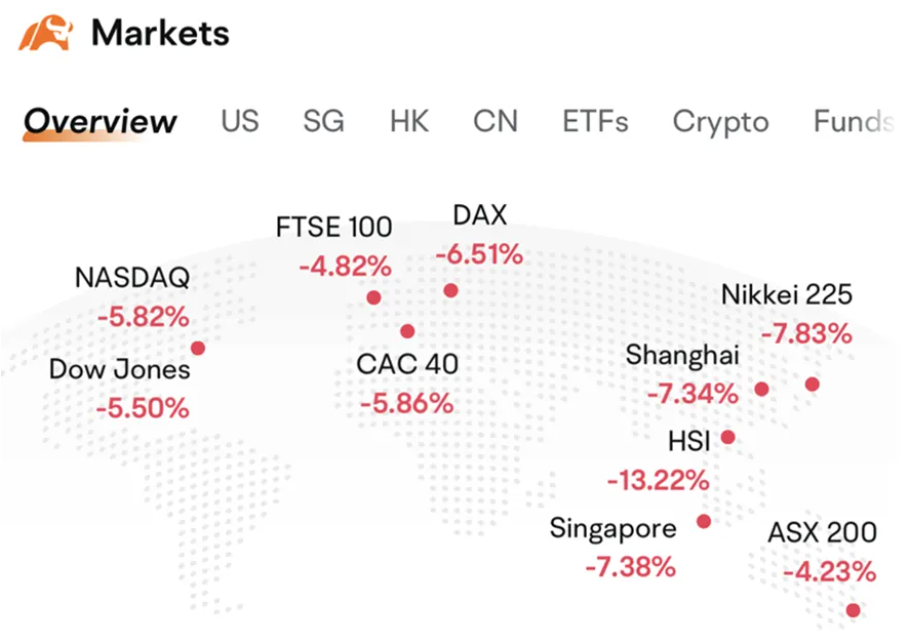
Why Does the "Buy the Dip" Strategy Work?

The “buy the dip” strategy, often employed by investors during times of market volatility or uncertainty, has proven to be effective for several reasons when applied thoughtfully. Assets have been impacted by market sentiment due to tariff announcements, leading to sell-offs during periods of downward price pressure. Here's why this approach can work, particularly in the context of Trump's tariff shocks and their impact on Malaysian markets:
Market Overreaction: Markets often overreact to news, especially in the short term. Trump's tariff announcements often led to knee-jerk reactions, causing stock prices to drop sharply. By buying during these dips, investors can capitalize on the market's irrational behavior and acquire quality assets at a discount.
Long-Term Fundamentals: Focusing on long-term fundamentals rather than short-term noise is crucial. While tariffs may create immediate headwinds for certain sectors, they do not necessarily alter the underlying growth potential of companies or the broader economy.
Mean Reversion: Markets usually revert to their average over time. After a big decline, there's often a rebound as the market corrects itself. Buying during a dip positions investors to gain from this mean reversion if the assets are fundamentally sound.
Government and Central Bank Responses: In response to economic shocks like tariffs, governments and central banks often implement measures to stabilize the economy. These can include fiscal stimulus, tax cuts, or monetary easing. Such policies can provide a tailwind to markets, supporting a recovery from dips and potentially enhancing returns for investors who bought during those periods.
Top Trump's Tariff Markets to Watch for Malaysian Investors

As Malaysian investors navigate the complexities of Trump's tariff policies, it's crucial to identify the markets most affected by these trade disputes. The ongoing trade war, characterized by heightened tariffs and escalating trade tensions between the US and China, has significant economic implications for these markets. Here are some key areas to watch and consider for potential investment opportunities:
VIX Index (Fear Index)
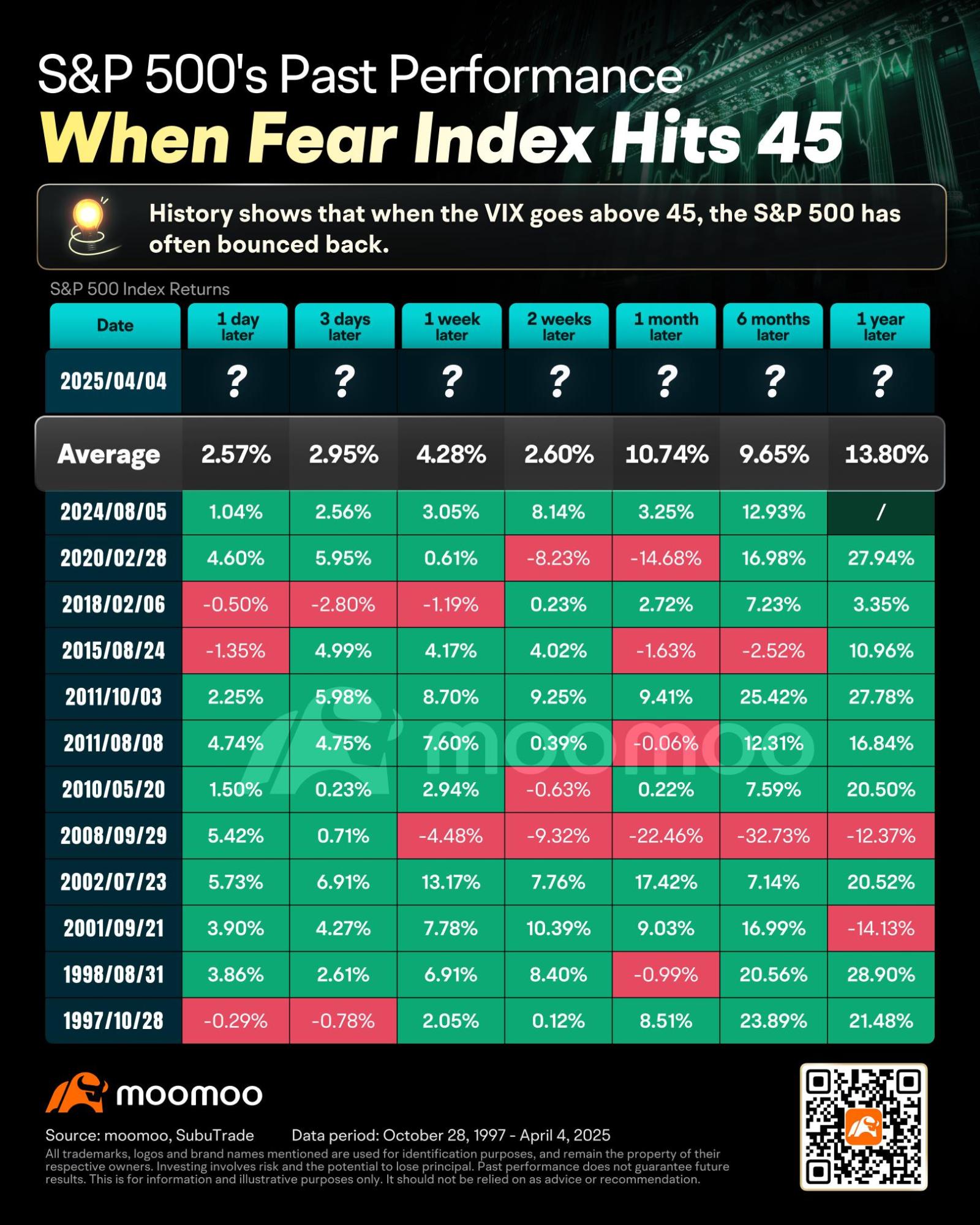
The VIX, also known as the Fear Index, serves as a gauge of investors' nervousness. During market panics, investors typically purchase options, causing the VIX index to rise. The VIX index is a tool for forecasting short-term troughs and peaks within the S&P 500 index. A very high VIX value can indicate that the stock market has already suffered substantial losses and might be on the verge of a rebound. In fact, when the VIX gets extremely high, it suggests the S&P 500 may have bottomed, possibly starting an upward (bullish) trend. What is the S&P 500?
Last Friday, the VIX reached 45. Since 2000, it has only climbed to such a level on a few occasions. Many experts consider this situation to be reminiscent of what transpired in 2011 and 2015. Given the role of the VIX in signaling market reversals and considering the current high VIX value, if the risks associated with tariffs begin to subside, stocks may experience a volatile phase followed by a recovery.
Gold
Gold has traditionally been a haven asset during times of economic uncertainty and trade disputes. Gold, as well as other defensive assets, can provide stability during market volatility. Currently, this precious metal is trading at a record high, and it's difficult to predict its next price movement. With Trump's tariff policies causing market volatility, Malaysian investors may look to gold as a hedge against potential losses in other asset classes.
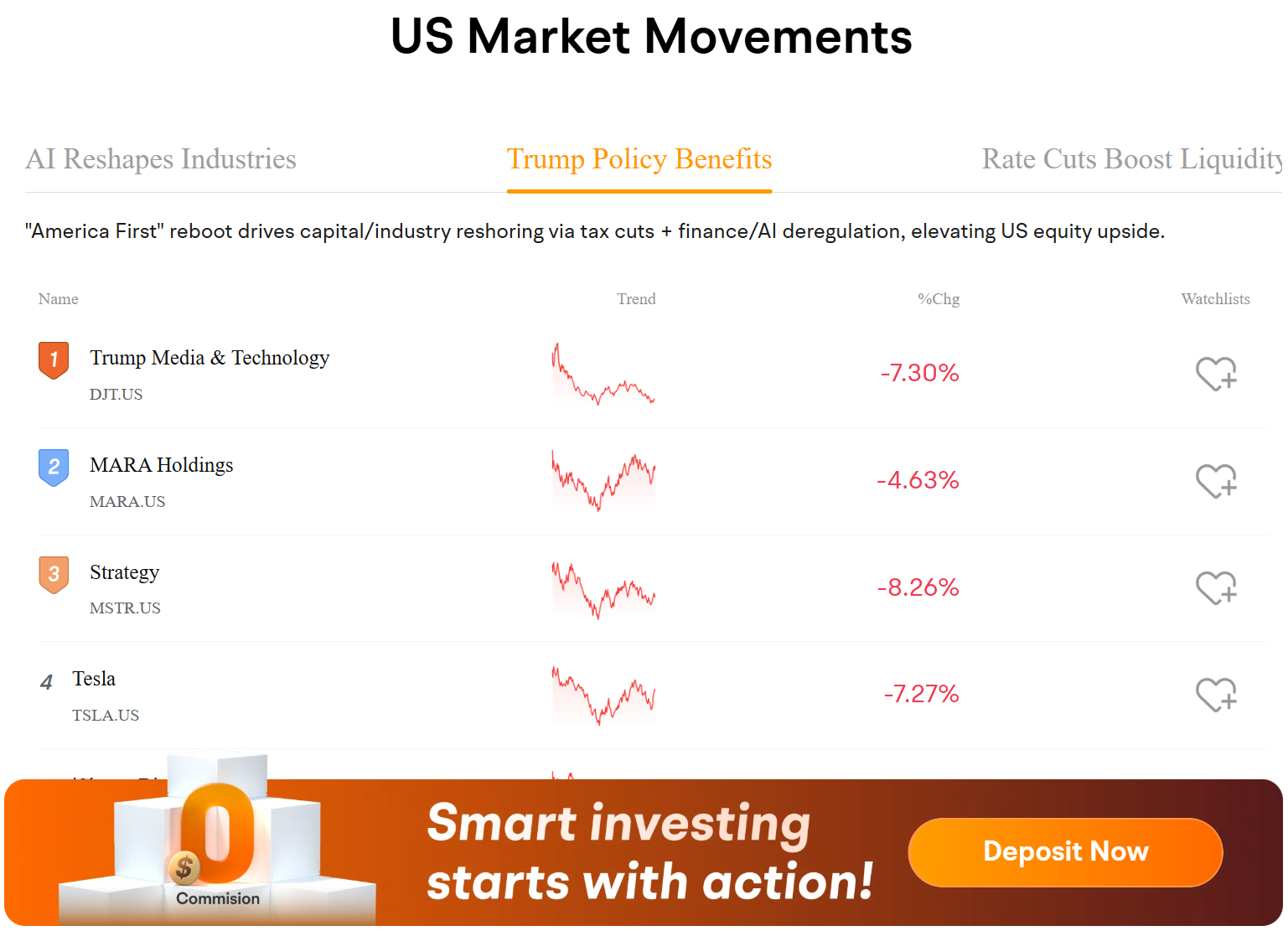
(Source from: Moomoo Malaysia, as of April 11, 2025)
NASDAQ 100 Futures
The NASDAQ 100 Futures contract provides exposure to a broad basket of technology and growth-oriented stocks listed on the NASDAQ exchange. With the impact of tariffs, technology stocks present opportunities for investors. Given the significant impact of tariffs on the technology sector, Malaysian investors may find opportunities in this market to buy the dip and capitalize on potential rebounds. What is NASDAQ?
Option Strategies to Reduce Tariff Volatility
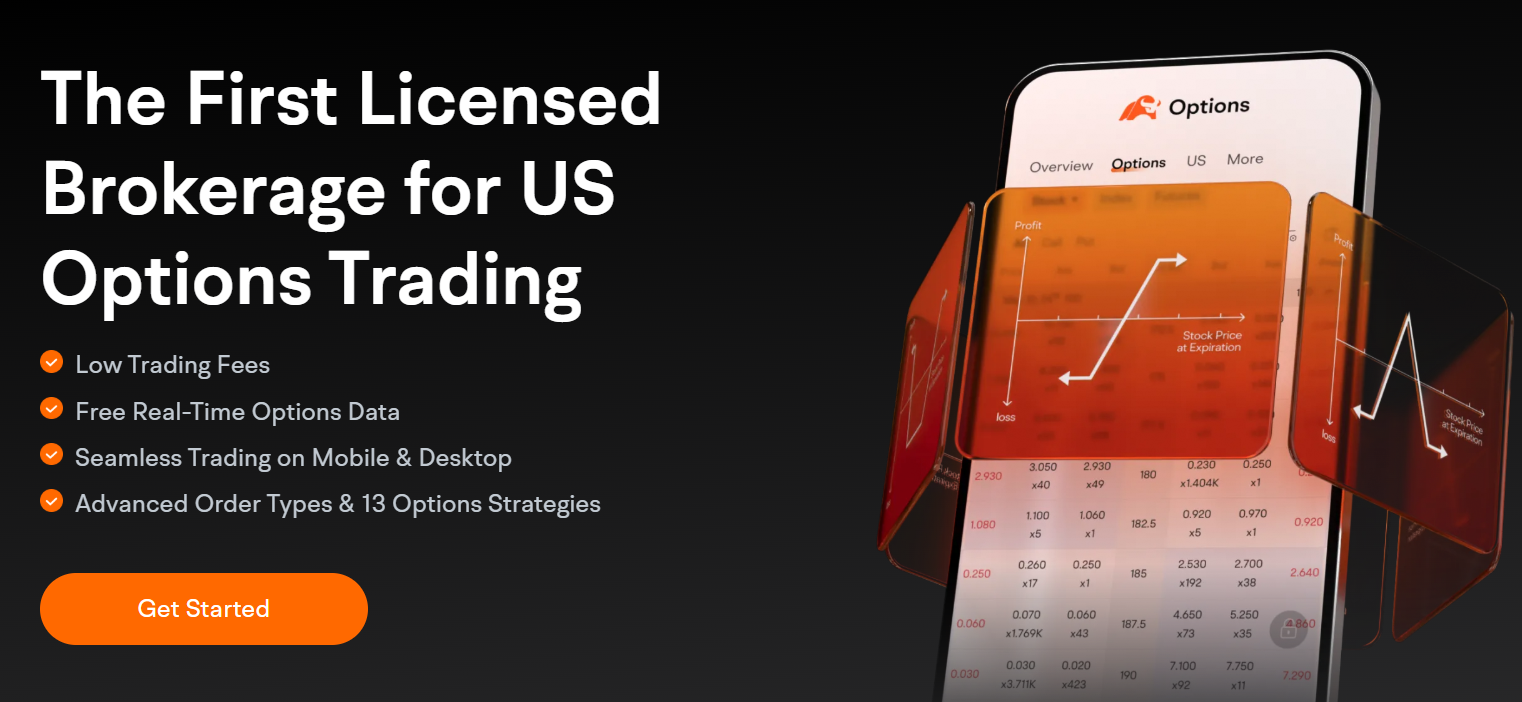
In the face of Trump's tariff shock, Malaysian investors seeking to mitigate the potential risks and volatility associated with these trade policies can utilize various option strategies. Using options is also a way to hedge against tariff-related risks.
For example, there's the protective put, where investors purchase a put option for a stock they already possess. Then there's the covered call, which requires holding a long position in a stock while concurrently selling a call option on that same stock.
Protective puts involve buying and putting options on the underlying assets in your portfolio. This strategy acts as an insurance policy, allowing you to limit potential losses if the market experiences a significant downturn due to tariff-related uncertainty.

How to Set Up a Long Put on Moomoo
Tap on an individual stock, then select “Options” > “Single Option”. Choose the specific expiration date and strike price, and then tap “Trade”.
On the Trade page, set the sell/buy option, trading price, contract quantity, and order type. After that, click “Buy”.
Successfully purchased option contracts can be found in “Positions”. You have the option to trade, roll, or exercise the contract. These options will be managed based on market conditions and investor strategies moving forward.
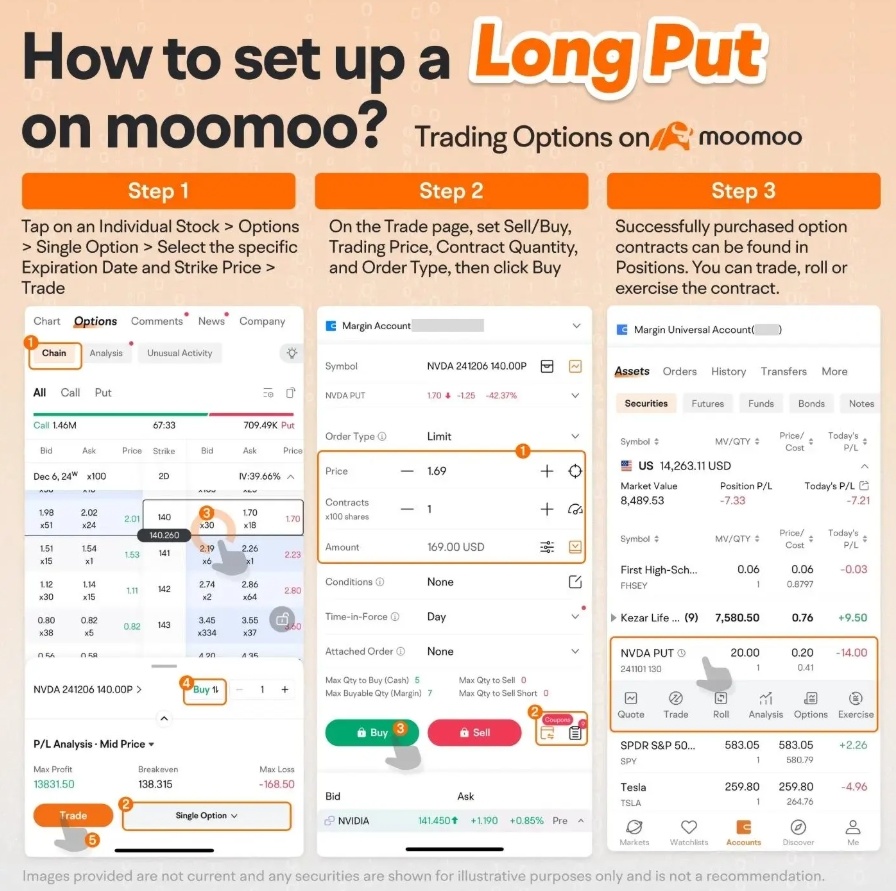
Note: The images provided are not current, and any securities shown are for illustrative purposes only and do not constitute a recommendation.
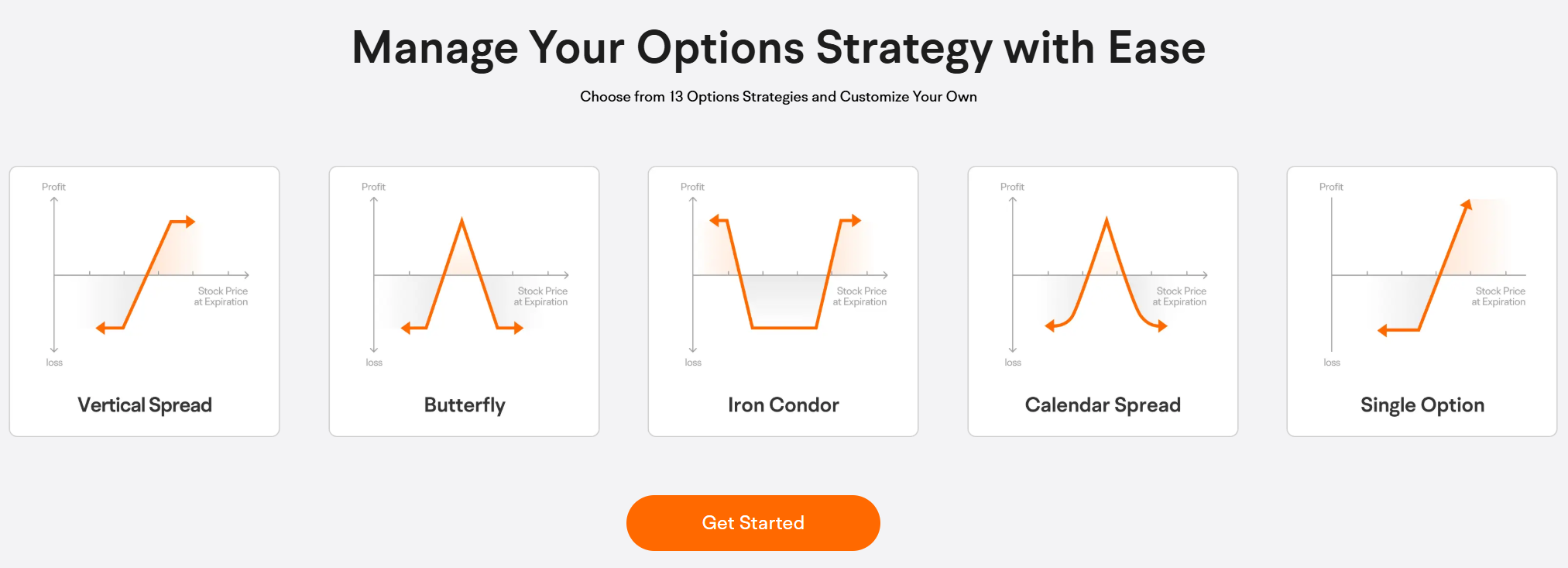
Moomoo offers a wide-ranging array of option strategies. On the individual stock options page, investors are able to obtain analyses of option volatility and option pricing.
5 Steps to Buy the Dip in Malaysia
Malaysian investors seeking to “buy the dip” can follow these five strategic steps to safely navigate and capitalize on potential opportunities. The market is now presenting opportunities for buying the dip due to recent fluctuations and economic conditions.
Step 1: Monitor the VIX Index
Regularly monitor the VIX Index. When it crosses the threshold at the 30 mark, consider it a green light to start exploring potential buying opportunities.
Step 2: Target Tariff-Proof Sectors
Focus on local industries that are less exposed to US tariffs. Sectors such as domestic tourism and agritech are less affected by tariffs with China. For example, domestic tourism and agritech sectors can provide some shelter from the direct impacts of tariffs. Conduct thorough research to identify sectors and stocks within Malaysia that have minimal reliance on exports to the US or are less affected by the specific tariffs imposed.
Step 3: Diversify with Defensive Assets
Diversifying your portfolio with defensive assets can help mitigate risks associated with tariff volatility. Gold, as well as other defensive assets, can provide stability. Consider pairing equity investments with assets like gold, MYR-denominated bonds, or even stablecoins that offer stability amidst uncertainty.
Step 4: Dollar-Cost Averaging (DCA)
Dollar-cost averaging involves investing a fixed amount of money at regular intervals, regardless of the market's price. This strategy can have a positive impact on investment returns by smoothing out the effects of market volatility. This approach helps mitigate the timing risks inherent in a volatile tariff environment.
Step 5: Stay Updated on Policy Shifts
Keeping abreast of policy shifts, particularly in US-Malaysia trade negotiations and ASEAN bloc responses, is crucial. An industry expert said that staying updated is essential for making informed investment decisions. Changes in policies or tariff structures can rapidly alter investment outlooks. Follow news sources, attend relevant seminars, and engage with industry experts. Understand the nuances of trade deals and how they might impact various sectors within Malaysia.
Tariff Policy Shifts: How US Stocks are Navigating Trade Volatility
As global trade dynamics grow increasingly fragmented under escalating tariff pressures, U.S. companies are deploying divergent strategies to mitigate supply chain disruptions and price volatility. In this climate of heightened uncertainty, the adaptability of corporate operational models is being tested. These three US stocks - Campbell's, ExxonMobil, and International Flavors & Fragrances - offer unique advantages for investors looking to navigate the complexities of the market during tariff-related chaos. (Source from: morningstar)
Campbell's (CPB)
Campbell's trades at a 36% discount to fair value, a great entry for investors. Campbell's has the potential to grow despite market challenges. It has strong brands, good retailer ties, and cost-saving features, creating a wide economic moat. Despite a poor last-quarter performance that made the market too negative, Campbell's is rebranding, adapting to consumer trends, and changing its product mix. Analysts expect its operating margin to rise from 14.6% this year to 17% in 2029, which the market may not fully account for. Also, as a domestic-focused food firm, it's little affected by tariffs.
ExxonMobil (XOM)
ExxonMobil is 23% below fair value, attractive for value investors. It has the highest performance metrics in areas such as cost efficiency and industry standing. It offers a 4% dividend yield for stable income. In the uncertain energy sector, ExxonMobil has a narrow economic moat from cost advantages and a strong industry standing. During tariff issues, it meets investment criteria: its valuation doesn't need quick growth, with a slow-declining revenue forecast but a reasonable 2025 P/E of about 12. Its AA-rated balance sheet (by Moody's and S&P) and value-stock status make it a safe pick. Plus, as an oil company, it hedges against inflation.
International Flavors & Fragrances (IFF)
IFF has a 40% discount to fair value. Although its 2.2% dividend yield is low, it has good capital growth potential. IFF has a wide economic moat from intangibles and product switching costs. 50% of its revenue comes from food & beverage, and 20% from medical & bioscience, making it defensive. Since the pandemic and shipping-related disruptions, it's recovering. While global raw-material sourcing brings tariff risk, 70% of its revenue is from outside the US, reducing tariff impact and keeping it stable in the current market. The significant increase in U.S. tariffs on China, which have escalated to 145%, impacts the company's global sourcing, adding complexity to its supply chain.
Read More: Top Sectors in the US Stock Market for Malaysian Investors
Key Considerations for Buying the Dip Under Trump's Tariffs
In the tumultuous market environment influenced by Trump's tariffs, buying the dip can present attractive opportunities but also comes with its own set of considerations and potential pitfalls. Future market conditions will impact how effective buying the dip will be as economic policies and global trade dynamics evolve. Here are key points to keep in mind:
1. Timing is Crucial
Getting the market timing right is essential. Miscalculating can mean missing the market dip or buying at a false bottom. Patience and a good grasp of market cycles are needed.
2. Reassess Risk Tolerance
Buying the dip often demands more risk tolerance. Make sure your risk comfort level matches this strategy. Risk-averse investors may not be suited to buying during dips.
3. Understand Tax Implications
Know the tax differences between short-term and long-term gains. Short-term capital gains are usually taxed at a higher rate. If you plan to hold long-term, keep this in mind.
4. Do Fundamental Analysis
Don't rely only on short-term tariff news. Analyze a company's fundamentals, like financial statements, growth prospects, and competitive edges, to know its real value beyond just the tariff impact.
Trading Trump Tariff Markets with Moomoo MY
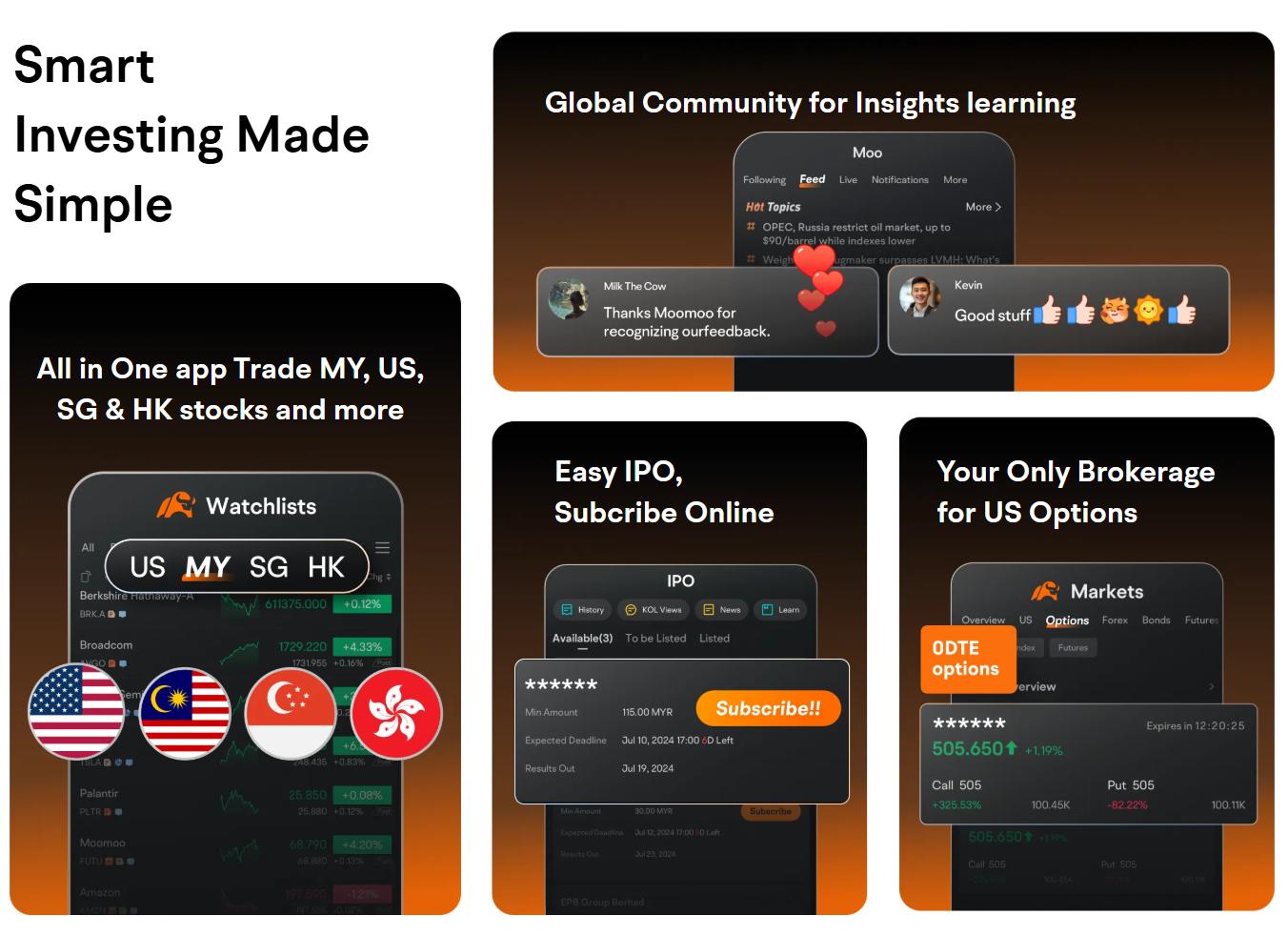
Navigating the complexities of Trump's tariff markets requires not only a keen understanding of market dynamics but also the right tools and platform. With the right trading strategies, Moomoo MY's features can help investors make informed decisions. Moomoo MY emerges as a powerful ally for investors seeking to safely buy the dip in Malaysia. Here are the key features that make Moomoo MY an ideal choice for trading in Trump tariff markets:
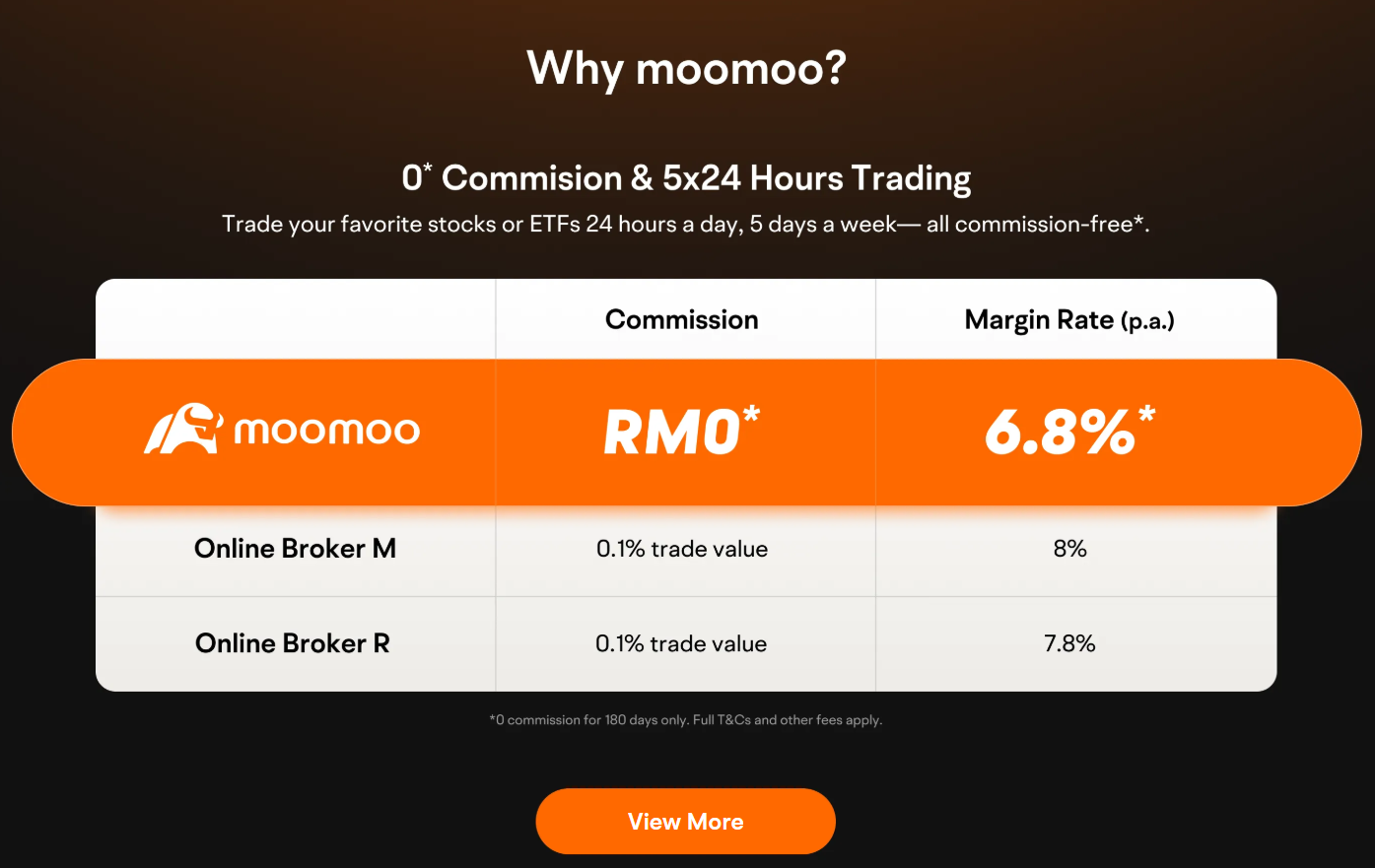
0* Commission Trading
Moomoo MY offers commission-free trading, allowing investors to maximize their returns without the burden of trading fees. This is particularly advantageous in volatile markets where every penny saved counts. For detailed information about 0-commission, you can check moomoo pricing.
5x24 Hours Trading
With extended trading hours, Moomoo MY enables investors to react swiftly to market changes, including those triggered by tariff announcements. Hours ago, there were significant market movements that investors needed to respond to promptly. This flexibility ensures you're never caught off guard by after-hours news or global market movements.
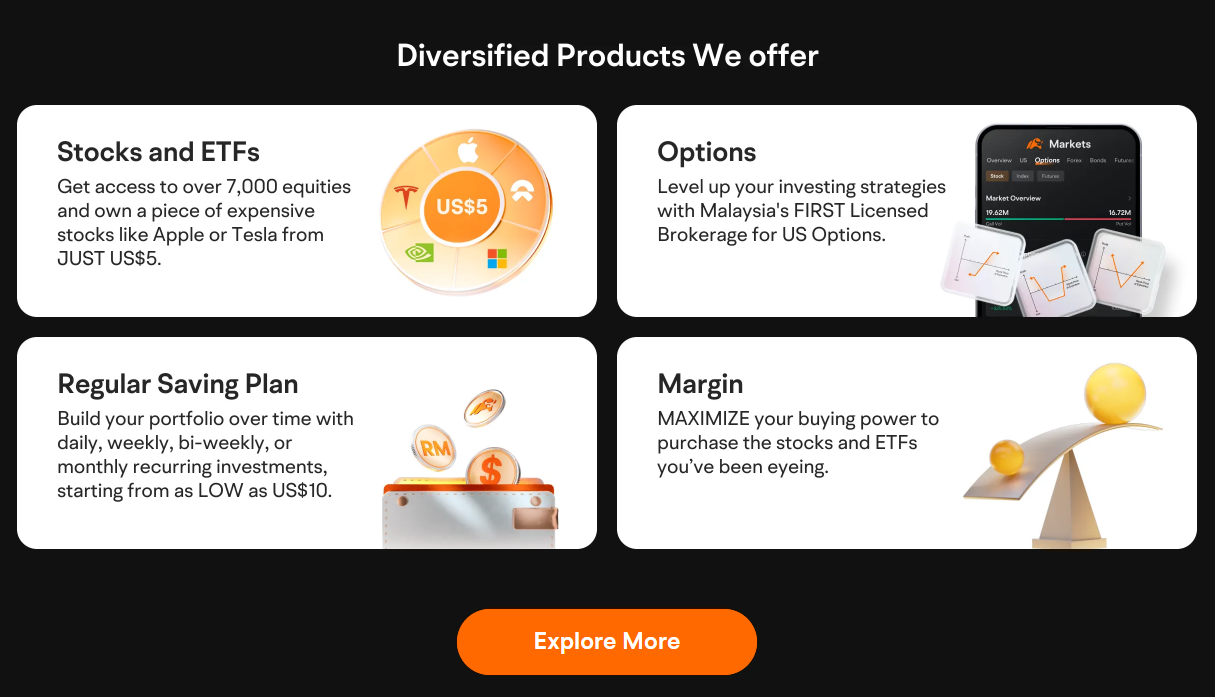
Global Community with 24 Million Users
Joining Moomoo MY means becoming part of a vibrant global community of over 24 million users. You need to join this community to access exclusive tools and platforms that effectively analyze trading activity in VIX Options and the broader U.S.-listed options market. This network provides valuable insights, shared strategies, and a collective wisdom that can help you make more informed trading decisions in the unpredictable Trump tariff markets.
Conclusion
In conclusion, navigating Trump's tariff shock requires a blend of strategic foresight, emotional resilience, and the right tools at your disposal. April 10, 2025, marked a significant date with President Trump's remarks on tariffs, influencing market stability and trade policies. By understanding the market dynamics, maintaining a disciplined approach, and utilizing advanced trading platforms like Moomoo MY, you can position yourself to safely buy the dip in Malaysia.
Remember, the key to successful investing in these tumultuous times is not just about timing the market but about timing your decisions with wisdom and prudence. Stay informed, stay patient, and let the power of knowledge and technology guide your investment journey through the unpredictable waters of Trump's tariff markets.

This presentation is for informational and educational use only and is not a recommendation or endorsement of any particular investment or investment strategy. Investment information provided in this content is general in nature, strictly for illustrative purposes, and may not be appropriate for all investors. Read more