Option Trading Strategies for Malaysian Beginners

Key Takeaways
Options trading provides Malaysian investors with flexible strategies that involve the right, but not the obligation, to buy or sell assets at a set price before expiry—ideal for managing risk and amplifying returns.
Learning beginner strategies like long call, long put, covered call, married put, and cash-secured put can help Malaysian traders limit potential losses while gaining market exposure.
Each strategy comes with defined risk and reward profiles, with most beginner-friendly approaches designed to cap losses to the premium paid, making them safer for new investors.
Options can be used to hedge existing stock positions or to speculate on major price movements, depending on the trader’s outlook and risk appetite.
Moomoo MY offer Malaysian investors with options trading tools including paper trading, real-time data and educational resources, plus strong regulatory safeguards, to serve both beginners and seasoned traders effectively.
Options trading provides Malaysian investors with flexible strategies that involve the right, but not the obligation, to buy or sell assets at a set price before expiry—ideal for managing risk and amplifying returns.
Learning beginner strategies like long call, long put, covered call, married put, and cash-secured put can help Malaysian traders limit potential losses while gaining market exposure.
Each strategy comes with defined risk and reward profiles, with most beginner-friendly approaches designed to cap losses to the premium paid, making them safer for new investors.
Options can be used to hedge existing stock positions or to speculate on major price movements, depending on the trader’s outlook and risk appetite.
Moomoo MY offer Malaysian investors with options trading tools including paper trading, real-time data and educational resources, plus strong regulatory safeguards, to serve both beginners and seasoned traders effectively.

When considering options, the core idea is having a choice—a fundamental feature of all options contracts. As a Malaysian trader, having flexibility is key: you can decide whether to exercise an option based on market conditions, giving you control over your trades. In simple terms, an option lets you act or hold back—it's up to you to decide when (or if) to buy/sell the underlying asset, putting you in the driver's seat of your strategy.


Option strategies have the potential to both amplify returns and losses, making them valuable tools for managing risk. While some strategies may seem complex, many are straightforward enough for beginners to implement and can help you work toward your trading goals. In this article, we'll explore accessible option trading strategies for Malaysian beginners, complete with practical examples to illustrate how they work.
What Is Option Trading

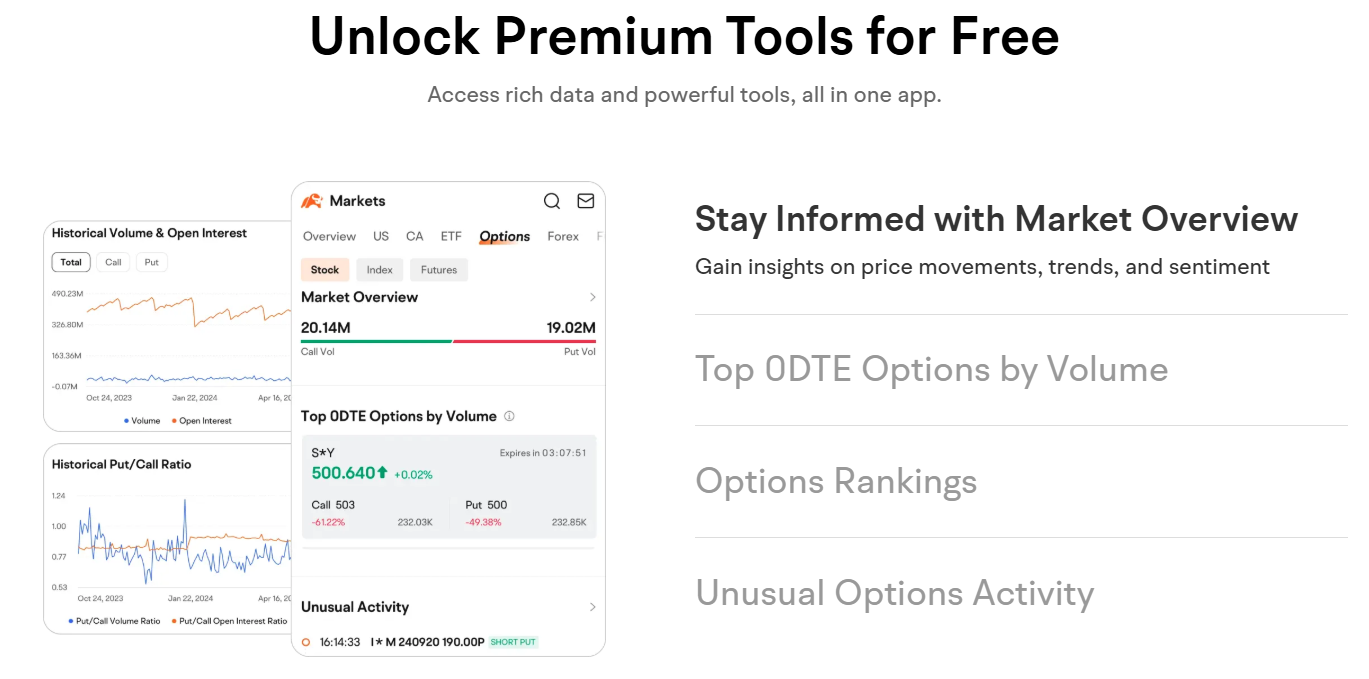
An option is a derivative contract that grants you the right—though not the obligation—to buy or sell an asset by a set expiration date at a predetermined strike price. A put option lets you sell the underlying asset, while a call option lets you buy it. To own an option, you pay a "premium"—typically a small percentage of the asset's price, which provides leverage. Options trading involves using puts and calls individually or combining them in strategies. Most liquid assets like stocks and bonds have active options markets.


Importance of Learning Option Strategies as a Malaysian Beginner
Options contracts aren't often talked about in the news because they require extra knowledge and can be completely new to beginner traders. When you buy an option, the most you can lose is the option premium, which caps your downside risk. That's why strategies involving buying options are generally safer than selling them, which can carry significant risk. For instance, if you're long call options, you might end up needing to buy the underlying stock—and you'll need the capital to do so, plus the ability to manage risks like falling share prices.
For beginner traders in Malaysia, strategies with limited losses are often useful to avoid potentially big losses. Once you master beginner strategies, you can explore advanced ones like the iron condor or iron butterfly.

Malaysian Starter Option Trading Strategies
Most Malaysian traders aren't adequately prepared, and experts typically recommend against trading options without foundational education. Start by learning the basics of options, trading strategies, and common pitfalls to avoid—such as insufficient preparation, poor discipline, or inconsistent strategy application. Below are several beginner-friendly option trading strategies (using stocks as the underlying asset) to help you get started.
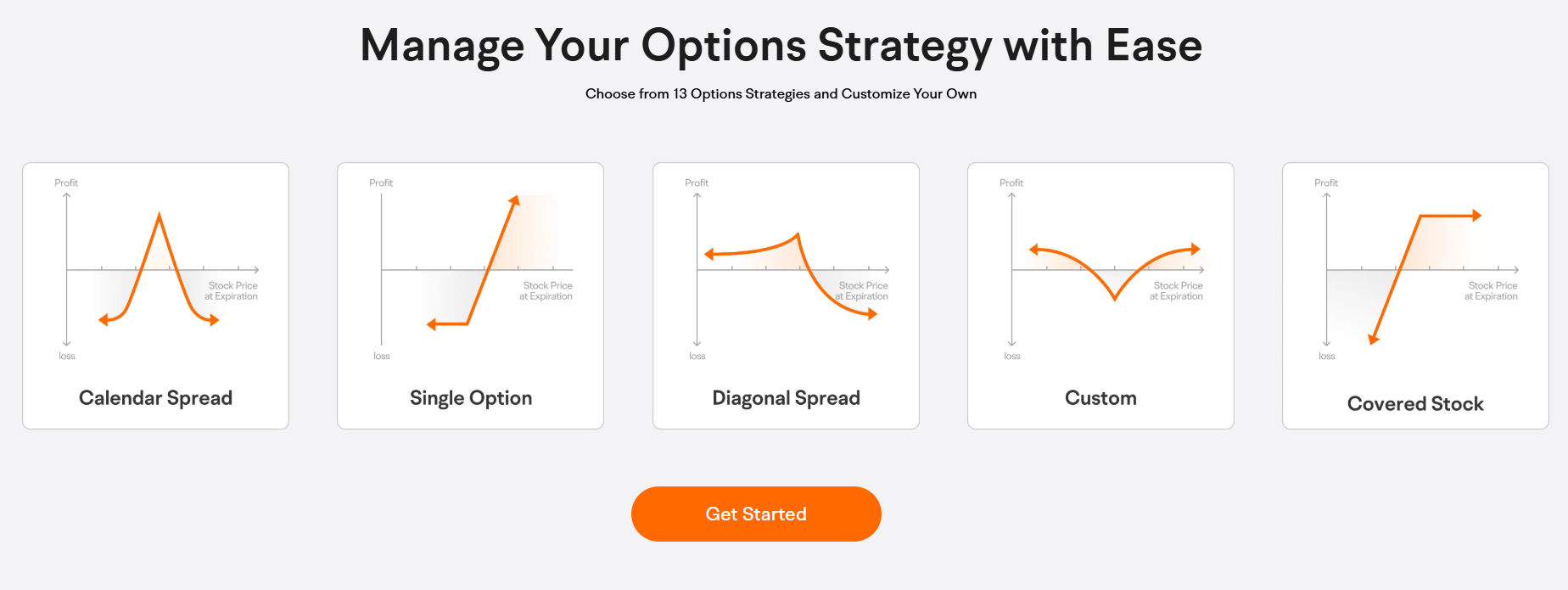
Long Call
A call option gives you the right to buy stock at the strike price by the expiration date. To take a long call position, you pay a premium to purchase the call option.
Risk & Reward: The maximum you can lose is the premium paid, and the option can expire worthless (i.e., if it's “out of the money” at expiration, meaning the stock price stays below the strike price). If the stock rises above the strike price plus the premium, you can profit by exercising the option.
Example: If a stock trades at RM50, and you buy a RM1 call option with a RM55 strike price, you profit if the stock hits RM56 or higher at expiration (fees excluded). Your max loss is limited to the RM1 premium.
Covered Call
A covered call strategy involves holding a long stock position while selling a call option on the same stock. While you face downside risk if the stock drops, you earn the premium from selling the call. In exchange, your potential upside is limited to the strike price plus the premium received.
Example: Suppose you buy a stock at RM50 and sell a RM1 call option with a RM55 strike price (as in the prior example).
Break-even point: You start losing money if the stock falls below RM49 (purchase price minus premium).
Profit potential: You keep the RM1 premium and profit on your stock position until the price reaches RM55 at expiration. Beyond RM55, gains are capped, as the call option buyer can exercise their right to buy the stock from you at RM55.

Long Put
To go long on a put option, you pay the option premium and receive the right to sell a stock at a strike price by or on the expiration date.
If you think a stock will fall by more than the cost of the put option, you could profit from buying a put. The most you can lose is the option premium, but the option can expire without value.
To illustrate, on a stock trading at RM50, you might buy a put option priced at RM1 with a strike price of RM45, you will profit if the stock falls below RM44 at expiration. Your maximum loss is the RM1 premium.
Short Put-Cash Secured
Holding a short put position involves selling a put option to collect the premium, which represents your maximum potential profit. However, you face risk if the stock price falls below the strike price minus the premium received. A cash-secured put—a strategy where you hold cash as collateral—lets you potentially buy a stock at a price below its current market value, though you must be willing to assume the risks of owning the stock.
How it works: If a stock trades at RM50 and you sell a RM1 put option with a RM45 strike price:
Max profit: You keep the RM1 premium if the option expires worthless (i.e., the stock stays above RM45).
Collateral requirement: You must hold RM4,500 in cash in your brokerage account. If the option is exercised, this cash is used to buy the stock at RM45 per share (total cost: RM45 × 100 shares = RM4,500, assuming standard contract sizes).
Risk zone: You start losing money if the stock drops below RM44 (strike price RM45 – premium RM1), as you'd be obligated to buy the stock at RM45 when it's worth less, offsetting the premium income.
Married Put
A married put (also called a **protective put**) is similar to a covered call in that it combines an option with a long stock position. This strategy involves buying a put option while holding the underlying stock, acting as "insurance" to limit losses if the stock price drops. Here's how it works:
- How it hedges risk: The put option gives you the right to sell the stock at the strike price, offsetting losses if the stock falls below that level.
- Max loss: The total maximum loss is the cost of the put premium plus any decline in the stock price below your initial purchase price. Unlike some strategies, the premium is a sunk cost and not recoverable.
In short, a married put limits downside risk for long stock positions, making it a popular strategy for risk-averse investors.
Long Straddle
A long straddle is a strategy where you buy both a call option and a put option with the same strike price and expiration date. This lets you profit if the stock makes a big move up or down, while limiting your loss to the premiums you pay upfront.
How it works:
You buy a call and a put at RM50 strike price, each costing RM5 (total premium: RM10).
Max loss: RM10 (if the stock stays at RM50 at expiration).
Profit kicks in: If the stock moves more than RM10 from RM50 (e.g., above RM60 or below RM40).
Example: If the stock jumps to RM70, the call gains RM20 (RM70 – RM50), minus the RM10 premium = RM10 profit.
Example: If the stock drops to RM30, the put gains RM20 (RM50 – RM30), minus the RM10 premium = RM10 profit.
When to use: When you expect big volatility (e.g., earnings announcements, mergers) but aren't sure which way the stock will move. The risk is capped, but the stock needs a significant swing to pay off.
You Can Learn Option Strategies
Option trading is an investment strategy that gives holders the right to use the option—but not the obligation. Most traders only exercise an option if it's profitable, which depends on factors like the premium paid, current stock price, expiration price, and strike price. Note: if an option expires "in the money," the broker will likely automatically exercise the long position.
While options can magnify both gains and losses, they're often used for risk management. For Malaysian beginners, strategies with limited downsides (like paying a premium upfront) are a good starting point—similar to how insurance limits risk.
Common beginner strategies include long call, covered call, long put, cash-secured put, and married put (all using stocks as the underlying asset). Whether you're a day trader or long-term investor, options can help manage risk and work toward your trading goals.

Frequently Asked Questions About Option Trading Strategies
What option strategies are suitable for Malaysian beginners?
Beginners often start with strategies involving buying options, where the maximum potential loss is limited to the premium paid.
What's the riskiest option strategy?
Selling uncovered call options is widely considered the riskiest, as it carries theoretically unlimited loss potential.
What's a common option strategy?
A popular approach is speculating on stock price movements by buying call options (to bet on price increases) or put options (to bet on price declines).
This presentation is for informational and educational use only and is not a recommendation or endorsement of any particular investment or investment strategy. Investment information provided in this content is general in nature, strictly for illustrative purposes, and may not be appropriate for all investors. Read more