Canadian Bank Stocks Poised for Soaring: Top Investment Options in 2024
Canadian banks are key pillars in the Canadian economy. They participate in the growth of the country by lending and facilitating transactions across all industries. In the previous article, we briefly introduced the screening method for Canadian bank stocks. Today, we'll take a closer look at the top performers among them. We'll be answering:
What can we expect for Canadian bank stocks in 2024?
What could be the best-performing bank stocks in 2024?
What are the top Canadian bank ETFs?
What can we expect for Canadian bank stocks in 2024?
Improving Credit Conditions: Banks have been proactive with loan-loss provisions, and we expect these to ease. Buying banks when loan provisions peak can be advantageous, which seems to be the case now.
Rate Cut Expectation: Markets anticipate rate cuts from both the Fed and the Bank of Canada of 1 to 1.5 percentage points by year-end. This would benefit businesses and borrowers, as the current 5% benchmark rate is likely too high given the 3% CPI. Lower rates should positively impact banks, especially with attractive valuations.
Potential Outperformance: Financial stocks, being cyclical, tend to benefit more from an improved economic backdrop. It’s rare for Canadian financials to underperform the index two years in a row, suggesting they are due for a rebound.
Best-performing bank stocks in 2024
1. Royal Bank of Canada: the largest bank in Canada
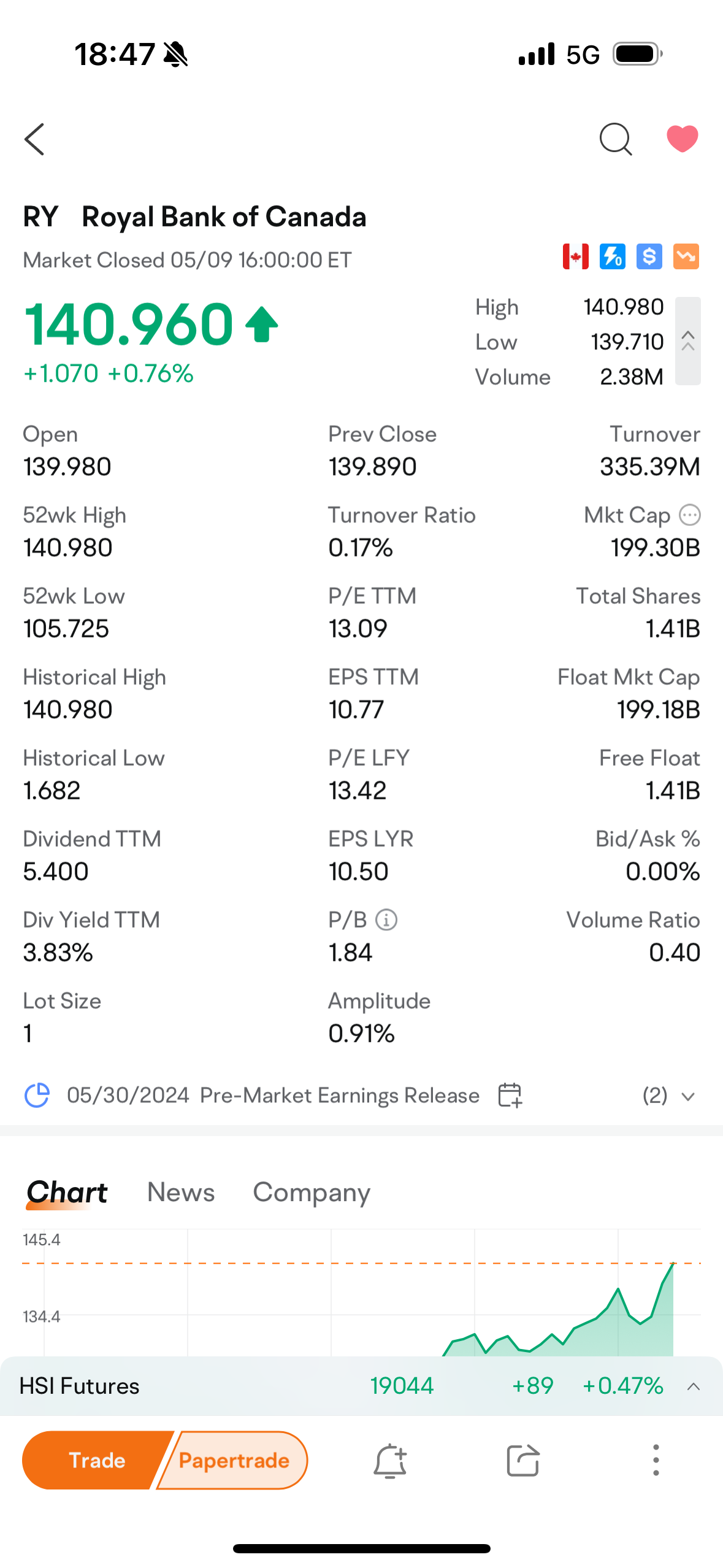
Royal Bank of Canada (RBC, TSX: RY) is the largest bank and publicly traded company in Canada, with a market capitalization of around $191 billion as of May 9th, 2024. It also ranks among the top U.S. banks in various categories, including high-net-worth clients. With a presence in 29 countries, its global footprint is impressive.
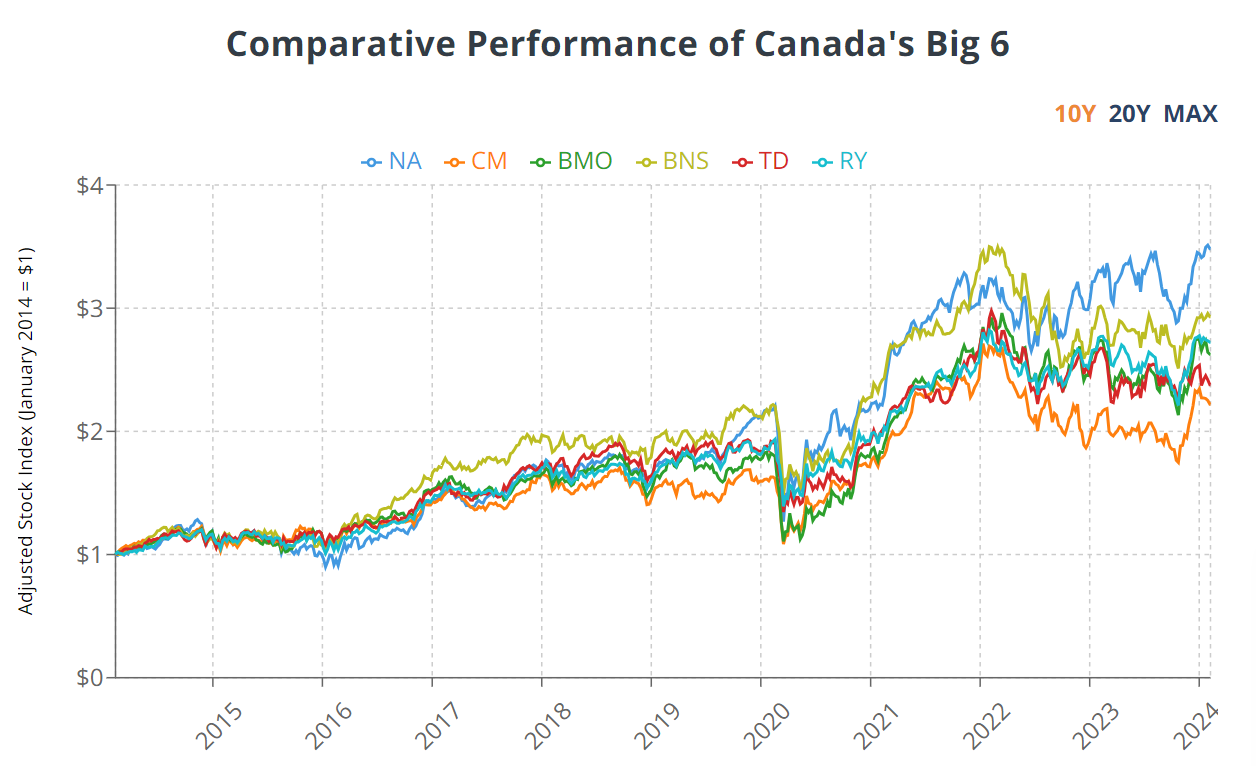
As a Dividend Aristocrat—a company that has consistently increased its dividends for at least 25 consecutive years—the Royal Bank of Canada offers a solid dividend yield of about 4% and maintains rock-solid payout ratios. Over the past decade, its stock has grown approximately 85%, with total returns reaching 175%.
Why Royal Bank's stock is a good buy
The RBC stock been performing strongly, surging over 20% since hitting lows during the October 2023 market downturn. But there are many good reasons why Royal Bank stocks are a wise investment choice. Here are some of the top reasons:
Industry leader: As Canada's largest financial institution, RBC offers diverse products and services, including capital markets, insurance, investment, and wealth management. It consistently outperforms its Big Six competitors, often beating analysts' earnings estimates. Additionally, its strong balance sheet is well-positioned to handle further loan losses.
HSBC mega-deal: Royal Bank's acquisition of HSBC's Canadian unit is another compelling reason to invest in its stocks. By April 1, 2024, all HSBC offices in Canada will become RBC branches, adding over 780,000 HSBC clients. Although the deal cost 13.5 billion CAD, it solidifies RBC's position as Canada's largest lender and enhances its domestic and global business prospects.
Stable earnings: Despite concerns about the Canadian economy, RBC reported strong first-quarter results, with a profit of 3.58 billion CAD, up from 3.13 billion CAD the previous year. RBC earned 2.85 CAD per share on an adjusted basis, surpassing the 2.80 CAD average estimate by analysts. This consistent performance and reasonable valuations make RBC a solid investment choice.
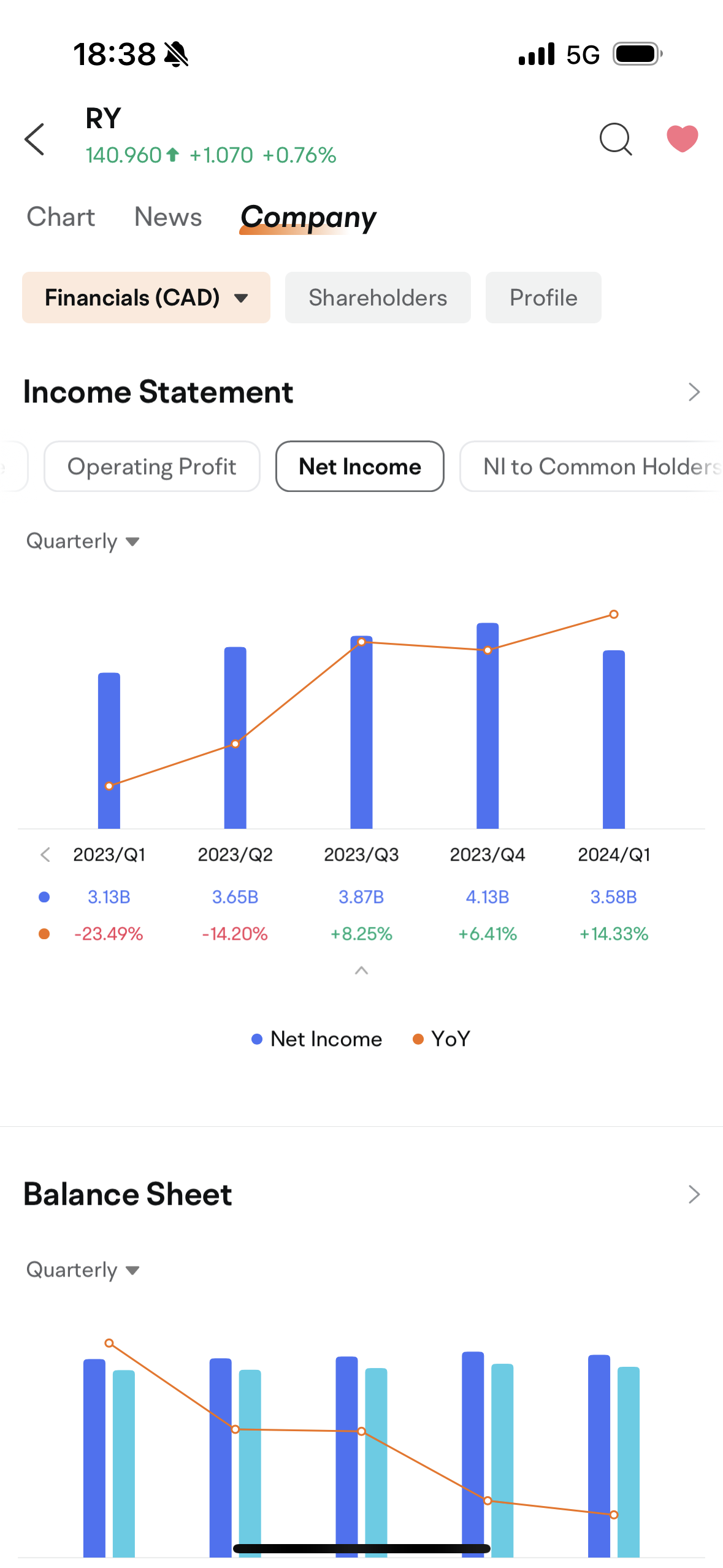
Dividend yield: Royal Bank increased its dividend twice in 2023, suggesting a positive profit outlook for 2024. At the current share price of around 140 CAD (as of May 10th, 2024), investors can expect a dividend yield of approximately 3.83%. Additionally, the bank's price-to-earnings ratio of 13.09 and price-to-book ratio of around 1.84 indicate stronger value compared to its peers.
Workforce expansion: Royal Bank's plan to establish a Global Banking Hub in Vancouver will create over 1,000 jobs in sectors like technology, data science, cybersecurity, fraud detection, risk management, and client credit adjudication. This move positions Vancouver as a key hub for financial services.
2. National Bank of Canada: a nimble leader in the Big Six
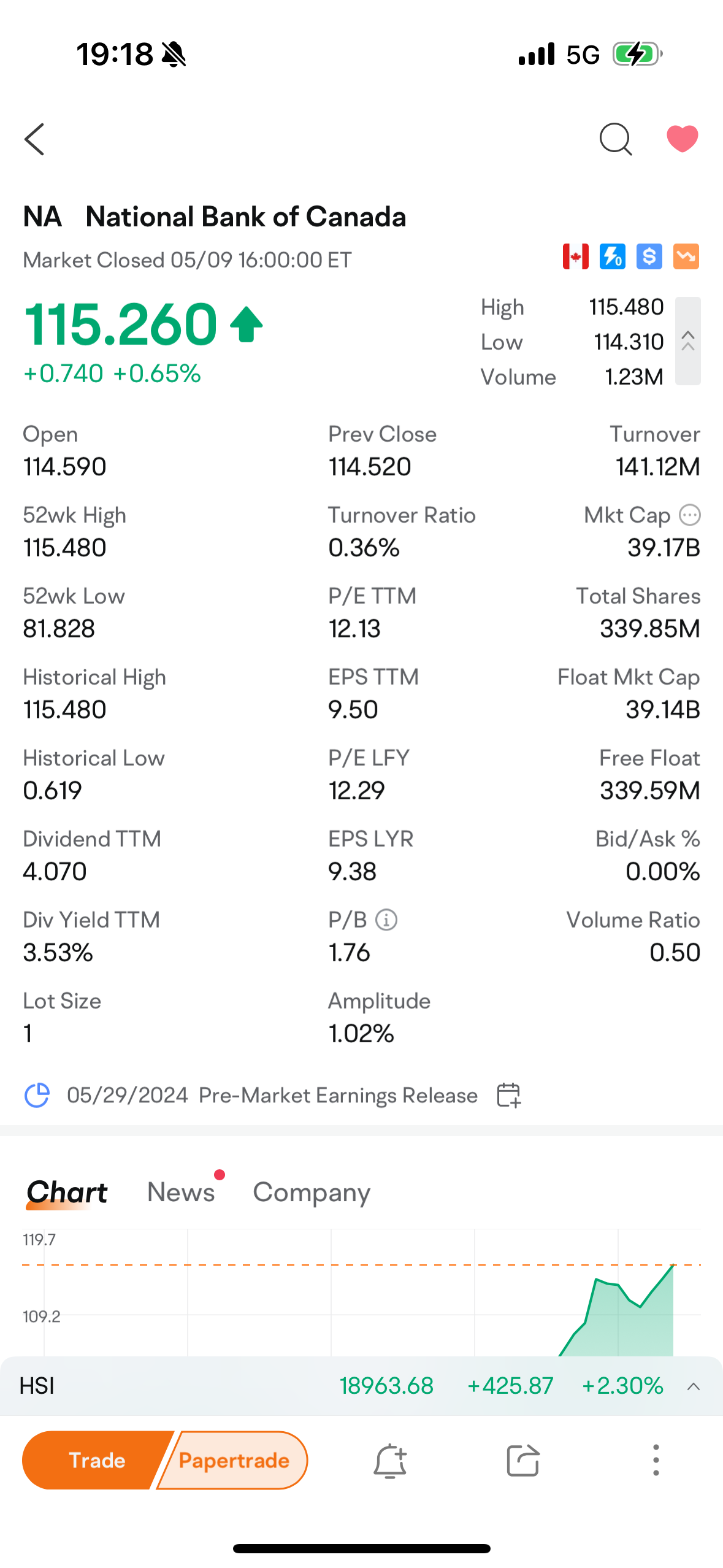
National Bank of Canada (TSX: NA) may be the smallest of the Big Six banks with a market capitalization of approximately 38 billion CAD, but it serves around 2.7 million customers, primarily in Quebec where it has the largest footprint. Nearly half of the company's revenues come from Quebec.
Why National Bank's stock is a good buy
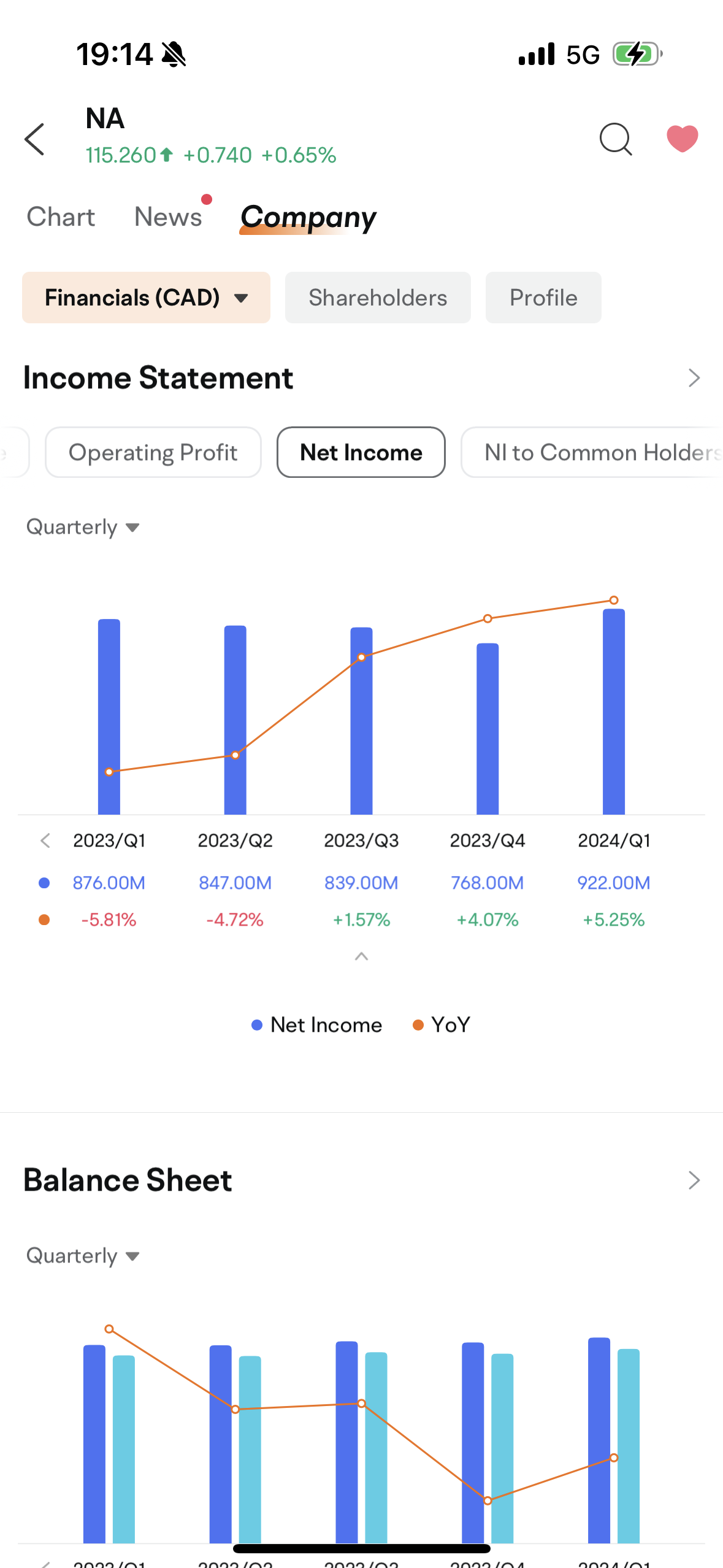
Strong financials: In fiscal Q1 of 2024, National Bank reported a net income of 922 million CAD, up 5% from 876 million CAD in the same period last year. Earnings per share also rose from 2.47 CAD to 2.59 CAD. The bank attributed these increases to revenue growth across business segments, effective capital deployment, and active cost-management measures.
Steady dividend growth: National Bank's diversified business segments allow it to raise dividends at a steady rate each year. Since 2004, the bank has hiked dividends by 9.6% annually, which is among the highest in the banking sector.
Strong stock price performance: Despite being the smallest of the Big Six banks, National Bank has been the most rewarding for investors, growing its market value by approximately 146% over the last 10 years. This growth is over 70% higher than that of the next best performer, Royal Bank of Canada.
Summary
Current market volatility offers an opportunity to invest in quality stocks at a discount. Cyclical sectors like banking and automobiles have underperformed over the past two years due to rising interest rates and inflation, but this pullback has increased dividend yields, making them attractive for income-seeking investors.
Considering overall returns, capital appreciation, and dividend yield, National Bank of Canada is a strong choice. However, it lacks the weight, reach, stability, and market share of Royal Bank of Canada.
For those prioritizing stability and market share, particularly in retirement planning, Royal Bank of Canada may be a better fit for your portfolio.
Top Canadian bank ETFs
While holding individual Canadian bank stocks might yield slightly higher returns, some investors prefer the lower risk of ETFs.
Here are some Canadian bank ETFs to consider in 2024:
1. BMO Equal Weight Banks Index ETF – ZEB
Objective: Replicates the Solactive Equal Weight Canadian Banks Index.
Holdings: Roughly equally weighted investments in the Big Six Canadian banks.
Performance: Annualized return of 9.88% since inception; 3.72% return over the past year due to COVID-19 impacts.
Dividend Yield: 3.98%, lower than the 4.465% average yield of its individual holdings (e.g., BNS 5.14%, BMO 4.32%, TD 4.24%, RY 4.01%, CIBC 5.23%, NA 3.85%).
Management Expense Ratio (MER): 0.61%, relatively high given it only holds six stocks.
2. BMO Covered Call Canadian Bank ETF – ZWB
Objective: Provides exposure to Canadian banks while earning call option premiums through covered calls.
Holdings: Includes BMO Equal Weight Bank Index ETF (ZEB), the Big Six individual stocks, and various covered calls.
Strategy: Dynamically writes covered call options to offer limited downside protection and higher yield.
Performance: 7.89% return since inception (including dividends); 8.38% return over the past five years.
Dividend Yield: Slightly higher than other ETFs due to covered call premiums.
Management Expense Ratio (MER): Higher compared to other Canadian bank ETFs due to the active covered call strategy.
3. iShares Equal Weight Banc & Lifeco ETF – CEW
Objective: Provides a diversified, equal-weighted portfolio of the largest Canadian banks and life insurance companies.
Holdings: 58% allocated to the Big Six Canadian banks; includes life insurance companies and a small percentage in iShares S&P/TSX Capped Financials Index ETF (which holds smaller banks like Canadian Western Bank and Laurentian Bank of Canada).
Strategy: Tracks the broader Canadian financial services industry, offering monthly distributions.
Performance: Annualized return of 7.49% since inception; 9.07% 5-year return; -0.56% return in the past year.
4. iShares S&P/TSN Capped Financials Index ETF – XFN
Objective: Achieves long-term capital growth by replicating the S&P/TSX Capped Financial Index.
Holdings: Mix of Canadian banks and financial companies; over 67% in Canadian banks, including smaller banks like Canadian Western Bank and Laurentian Bank of Canada.
Performance: Annualized return of 8.97% since inception; 8.84% 5-year return.
5. RBC Canadian Bank Yield Index ETF – RBNK
Objective: Replicates the performance of a portfolio of Canadian bank stocks, tracking the Solactive Canada Bank Yield Index.
Holdings: Differently weighted Big Six banks, heavily weighted on BNS and CIBC; Royal Bank constitutes 7.9% of the fund.
Performance: 4.2% annualized return since inception; 3.1% 3-year return.
Dividend Yield: Provides tax-efficient income via dividends.
Management Expense Ratio (MER): 0.32%, significantly lower than other ETFs covered.
Canadian Bank ETFs comparison
The table below is a summary of the top Canadian bank ETFs.
MER% | Yield% | # of holdings | Distribution Frequency | |
ZEB | 0.28 | 3.98 | 7 | Monthly |
ZWB | 0.71 | 5.6 | 30 | Monthly |
CEW | 0.6 | 3.75 | 11 | Monthly |
XFN | 0.61 | 3.6 | 26 | Monthly |
RBNK | 0.32 | 3.6 | 6 | Monthly |
This presentation is for informational and educational use only and is not a recommendation or endorsement of any particular investment or investment strategy. Investment information provided in this content is general in nature, strictly for illustrative purposes, and may not be appropriate for all investors. Read more