
Moomoo Insights
Jul 16 15:38
TSMC Earnings: AI Demand Is Stronger Than the Chip Selloff Suggests
Moomoo Insights
Sep 30 05:04
Live Take | Anthropic’s $518B Compute Bet: Who Wins From the AI Buildout?
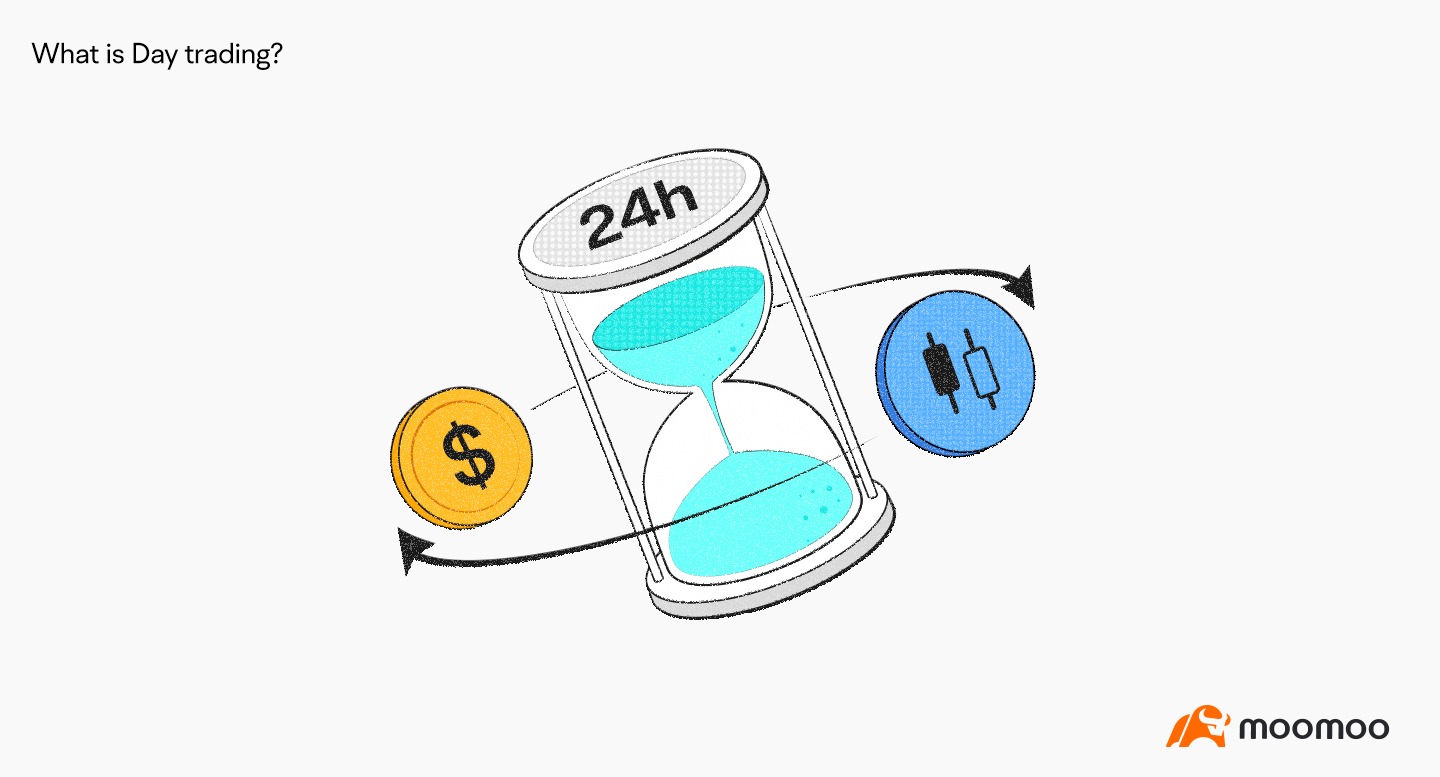
● When traders buy and sell securities multiple times within the same trading day, it is called day trading.
● Day trading includes a variety of securities, including stocks, commodities, and currencies.
● Day traders can make significant profits but are also at risk of severe losses since the market can move against them quickly.
Day traders buy and sell the same security multiple times within the same day. The idea behind these trades is to take advantage of any price increases that the securities may have experienced during the day. Technically, anyone can engage in day trading, and both individual traders and financial services firms frequently do so. Day trading is not for everyone because it carries a lot of risks. Profit margins are often fragile, and you might lose a considerable sum of money quickly if the market moves quickly. Additionally, you should budget a lot of time for planning, conducting research, and engaging in deals.
Day trading comes in a variety of forms, each with qualities appropriate for a particular sort of trader. They span the spectrum from short-term trading, such as scalping, when assets are only held for a few seconds or minutes, to longer-term swing and position trading, where an asset may be kept throughout the trading day but not held overnight.
The majority of day trading systems are adaptable and permit positions to be held open for any amount of time, from a few minutes to a few hours. The performance of the transaction or whether there are forthcoming events that have not yet reached the market may affect how long the trade is left open. Futures, options, currencies, and stock markets are the primary financial instruments for day trading.
● Day trading is unaffected by overnight risks.
● Day traders can make a lot of money in a relatively quick amount of time.
● Numerous trades can increase the traders' experience.
● Day trading requires a high degree of technical analysis and self-discipline.
● Day trading is a full-time trading strategy that is often stressful and expensive.
● Day trading may miss the long-term investment value.
As two short-term trading strategies, the simple difference between them is holding time. Day trading holds are limited to one day, while swing traders may hold overnight for several weeks. Therefore, swing trading is exposed to the overnight risk that doesn't impact day trading.
In addition, these strategies have different transaction costs. Day trading requires more frequent trading, which causes higher transaction costs.
This presentation is for informational and educational use only and is not a recommendation or endorsement of any particular investment or investment strategy. Investment information provided in this content is general in nature, strictly for illustrative purposes, and may not be appropriate for all investors. Read more
Recommend
Brokerage Account

What is Qualitative Analysis?

What Is Moving Average Convergence Divergence(MACD)?

What is Quantitative Analysis?
What is a Value Stock?
What is the Debt Ratio?
What is a Balance Sheet?
What is Market Sentiment?
What is Retirement Planning?
What is Sector Rotation?
What is Deflation?
What is Simple Moving Average (SMA)?
What is Paper Trading?
What are CPI, PPI and PMI?
What is a Candlestick?
What Is an Initial Public Offering (IPO)?
What is a Stock?
What is Swing Trading?
What are Bull and Bear Markets?
What is Circuit Breakers?
What is EPS?
What is the Stock Market?
What is ADR?
What is Technical Analysis?
What is the Nasdaq Composite?
What is the S&P 500?
What is Return on Investment (ROI)?
What is the Federal Open Market Committee (FOMC)?
What is Net Margin?
How to read level 2 market data - using an order book for trading strategies
What Is Equity?
What is the Dow Jones Industrial Average
What is an Investment Portfolio?
What is a Security?
What is an Investment?
What is Price-Volume Relationship?
What is Over-the-Counter (OTC)?
What is a Fiscal Year?
What is Day Trading?
What are Dual Listing and Secondary Listing?
What is the Securities and Exchange Commission(SEC)?
What is competitive bidding?
Brokerage Account
What is Qualitative Analysis?
What Is Moving Average Convergence Divergence(MACD)?
What is Quantitative Analysis?
What is a Value Stock?
What is the Debt Ratio?
What is a Balance Sheet?
What is Market Sentiment?
What is Retirement Planning?
What is Sector Rotation?
What is Deflation?
What is Simple Moving Average (SMA)?
What is Paper Trading?
What are CPI, PPI and PMI?
What is a Candlestick?
What Is an Initial Public Offering (IPO)?
What is a Stock?
What is Swing Trading?
What are Bull and Bear Markets?
What is Circuit Breakers?
What is EPS?
What is the Stock Market?
What is ADR?
What is Technical Analysis?
What is the Nasdaq Composite?
What is the S&P 500?
What is Return on Investment (ROI)?
What is the Federal Open Market Committee (FOMC)?
What is Net Margin?
How to read level 2 market data - using an order book for trading strategies
What Is Equity?
What is the Dow Jones Industrial Average
What is an Investment Portfolio?
What is a Security?
What is an Investment?
What is Price-Volume Relationship?
What is Over-the-Counter (OTC)?
What is a Fiscal Year?
What is Day Trading?
What are Dual Listing and Secondary Listing?
What is the Securities and Exchange Commission(SEC)?
What is competitive bidding?

