
Moomoo Insights
Jul 16 15:38
TSMC Earnings: AI Demand Is Stronger Than the Chip Selloff Suggests
Moomoo Insights
Sep 30 05:04
Live Take | Anthropic’s $518B Compute Bet: Who Wins From the AI Buildout?

A security is a certificate which proves that the holder has a particular right, such as ownership or creditor's rights.
In some cases, securities allocate capital more efficiently by connecting investors to those who demand financing.
There are four types of securities: equity, debt, hybrid, and derivative securities.
Securities have different risk, profitability, and liquidity profiles. It's almost impossible to find one with low risk, high profitability, and good liquidity at the same time. Moreover, many securities have maturity dates.
In the 17th century Netherlands, the East India Company raised money from the public and engaged in voyages, which generated huge profits. In the form of notes, which are considered the predecessor of securities, it promised to pay dividends to investors.
In short, a security is a certificate that proves that the holder has a particular right, such as ownership or creditor's rights. Over time, securities have gradually become paperless.
To be more precise, when we say financial securities, we actually refer to securities that can be seen as financial assets or instruments. They have values and prices. They can be traded and can generate income for their holders.
Stocks are a type of security that easily pops into our mind, but there are other examples like bonds, mutual funds, options, and so on.
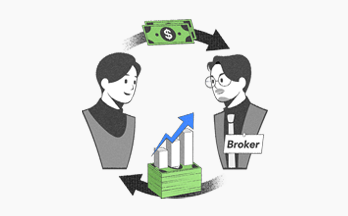
What can securities do? Governments or companies use securities to raise capital, for example, issuing bonds or through IPOs. Investors trade securities to make a profit.
Based on this situation, securities can allocate social capital more efficiently by connecting investors to those who demand financing.
Financial activities related to securities are regulated by the securities regulatory agency. In the U.S., the agency is called the Securities and Exchange Commission (SEC). In addition, there are some self-regulatory organizations to help coordinate securities-related activities.
There are four types of securities.
A stock is a typical example of equity securities. An equity security provides the holder with a proportion of ownership of a company.
Holders may get dividends at certain times. When they sell a security at a higher price than what they paid, they can also get capital gains.
An equity security rises and falls in value according to many complex factors. So, on the one hand, holders may get returns from the company's growth. But on the other hand, they face high risks also.
Corporate bonds, government bonds, and certificates of deposit are all debt securities.
When you buy a debt security, it means that you lend a certain amount of money to the security issuer, which can be a bank, a company, or a government.
The issuer usually should give you a regular interest payment at a pre-determined rate and repay you the principal amount of money on the maturity date. But some particular securities like zero-coupon bonds don't work that way.
It seems that debt securities are safer than equity securities, but we shouldn't ignore the risks, for example, default, which means the issuer fails to repay principal or interest.
Some securities combine the characteristics of both equity and debt securities. We can call them hybrid securities.
Hybrid securities include convertible bonds which can be converted into common shares and preferred shares whose payments of capital returns will be prioritized over ordinary shares.
The value of a derivative is based on its underlying assets. Futures, forwards, options, and swaps all belong to this category.
For example, an option gives its buyer the right to buy or sell a specified quantity of assets at a pre-agreed price in a given time frame.
Investors usually use derivative securities to speculate or hedge against risks.
There are four main characteristics of securities.
All securities have risks. Different securities have different levels of risk.
Investors usually can profit from securities. But since risks are involved, returns are not guaranteed. Risks are related to returns. The higher the returns may be, the greater the risks will be. But don't jump to the conclusion that securities with high risks will certainly lead to high returns.
It means the ease at which a security can be traded. It's almost impossible to find a security that has low risk, high profitability, and good liquidity at the same time.
Maturity means the date on which the life of a security ends. Many securities have certain maturities.
This presentation is for informational and educational use only and is not a recommendation or endorsement of any particular investment or investment strategy. Investment information provided in this content is general in nature, strictly for illustrative purposes, and may not be appropriate for all investors. Read more
Recommend
Brokerage Account

What is Qualitative Analysis?

What Is Moving Average Convergence Divergence(MACD)?

What is Quantitative Analysis?
What is a Value Stock?
What is the Debt Ratio?
What is a Balance Sheet?
What is Market Sentiment?
What is Retirement Planning?
What is Sector Rotation?
What is Deflation?
What is Simple Moving Average (SMA)?
What is Paper Trading?
What are CPI, PPI and PMI?
What is a Candlestick?
What Is an Initial Public Offering (IPO)?
What is a Stock?
What is Swing Trading?
What are Bull and Bear Markets?
What is Circuit Breakers?
What is EPS?
What is the Stock Market?
What is ADR?
What is Technical Analysis?
What is the Nasdaq Composite?
What is the S&P 500?
What is Return on Investment (ROI)?
What is the Federal Open Market Committee (FOMC)?
What is Net Margin?
How to read level 2 market data - using an order book for trading strategies
What Is Equity?
What is the Dow Jones Industrial Average
What is an Investment Portfolio?
What is a Security?
What is an Investment?
What is Price-Volume Relationship?
What is Over-the-Counter (OTC)?
What is a Fiscal Year?
What is Day Trading?
What are Dual Listing and Secondary Listing?
What is the Securities and Exchange Commission(SEC)?
What is competitive bidding?
Brokerage Account
What is Qualitative Analysis?
What Is Moving Average Convergence Divergence(MACD)?
What is Quantitative Analysis?
What is a Value Stock?
What is the Debt Ratio?
What is a Balance Sheet?
What is Market Sentiment?
What is Retirement Planning?
What is Sector Rotation?
What is Deflation?
What is Simple Moving Average (SMA)?
What is Paper Trading?
What are CPI, PPI and PMI?
What is a Candlestick?
What Is an Initial Public Offering (IPO)?
What is a Stock?
What is Swing Trading?
What are Bull and Bear Markets?
What is Circuit Breakers?
What is EPS?
What is the Stock Market?
What is ADR?
What is Technical Analysis?
What is the Nasdaq Composite?
What is the S&P 500?
What is Return on Investment (ROI)?
What is the Federal Open Market Committee (FOMC)?
What is Net Margin?
How to read level 2 market data - using an order book for trading strategies
What Is Equity?
What is the Dow Jones Industrial Average
What is an Investment Portfolio?
What is a Security?
What is an Investment?
What is Price-Volume Relationship?
What is Over-the-Counter (OTC)?
What is a Fiscal Year?
What is Day Trading?
What are Dual Listing and Secondary Listing?
What is the Securities and Exchange Commission(SEC)?
What is competitive bidding?

