Understanding What Options Trading Are: A Simple Guide for Beginners
Options trading is a method of buying and selling contracts that give you the right to buy or sell an asset at a set price before a specified date. These contracts are versatile tools used for hedging, speculating, and leveraging investments. By understanding what are options trading, you can manage risk and enhance returns in ways that aren’t possible with traditional stock trading.
Key Takeaways
Options trading allows investors to buy and sell contracts that give the right to buy or sell an underlying asset at a predetermined price within a specified timeframe, enabling strategies for hedging, speculation, and leverage.
Understanding the key components of options contracts—strike price, expiration date, and premium—is essential for determining trading strategies and managing risk effectively.
Options trading encompasses various strategies, including long calls, short puts, and covered calls, which cater to different market conditions and investor risk profiles, providing flexibility and opportunities for profit.
What is Options Trading?
Options trading involves the buying and selling of options contracts, which grant the holder the right, but not the obligation, to buy or sell an underlying asset—such as stocks, ETFs, or other underlying securities—at a predetermined price within a specific time frame. These contracts are versatile financial instruments used for various purposes, including hedging, speculation, and leveraging capital for potentially high returns. Unlike stock trading, where you directly own a portion of the company, options trading offers a form of derivative trading that can provide significant financial leverage. Options derive their value from the underlying stock and its price movements.
Participants in the options market include both buyers and sellers of these contracts. Establishing an option position allows traders to take strategic stances in the market. Buyers, often referred to as an option holder, buy options and pay a premium—also known as the option's premium or option's price—to the seller, or writer, for the rights granted by the option. The option's premium reflects both intrinsic value and time value, and represents the cost to acquire the option. The right to buy or sell the underlying asset is set at a specific price, called the option's strike price or certain price.
Whether you aim to hedge against potential market downturns or speculate on future price movements, understanding the fundamentals of options trading and market knowledge is the first step towards crafting a robust trading strategy.
How Options Trading Works
At its core, options trading provides buyers the right, but not the obligation, to buy or sell an underlying asset at a designated price before a specified date. This flexibility means that if market conditions are unfavorable, the option does not have to be executed. If the option expires out of the money, the buyer loses only the premium paid. Buying options allows sellers, or writers, to collect an option's premium (also known as the option's price) for granting this right, which compensates them for the risk undertaken.
Options trading takes place on regulated exchanges, such as the international securities exchange, which ensure transparency and facilitate price discovery. These all-electronic options exchanges offer continuous live markets where option prices and market prices are determined based on supply and demand, with the underlying's price being a key factor in this process, enabling independent price discovery.
Options trading allows investors to manage risk, predict price movements, and enhance their overall investment strategies with an options trading strategy, option trading, exchange traded funds, and financial markets.
Types of Options: Calls and Puts
Options can be broadly classified into two types: call options and put options. Call options give the holder the right to buy an underlying asset, such as a particular stock, at a specified price, while put options grant the right to sell an asset at a predetermined price. The profitability of these options depends on the stock's price relative to the strike price.
Each type of option serves different strategic purposes and can be used to capitalize on varying market conditions. For example, if you expect the price of a particular stock to rise, you might buy a call option on that stock. If the stock's price increases above the strike price, the option becomes in the money, and its intrinsic value is the amount by which the stock's price exceeds the strike price. This intrinsic value contributes to the total premium and potential profit of the options contract.
Call Options
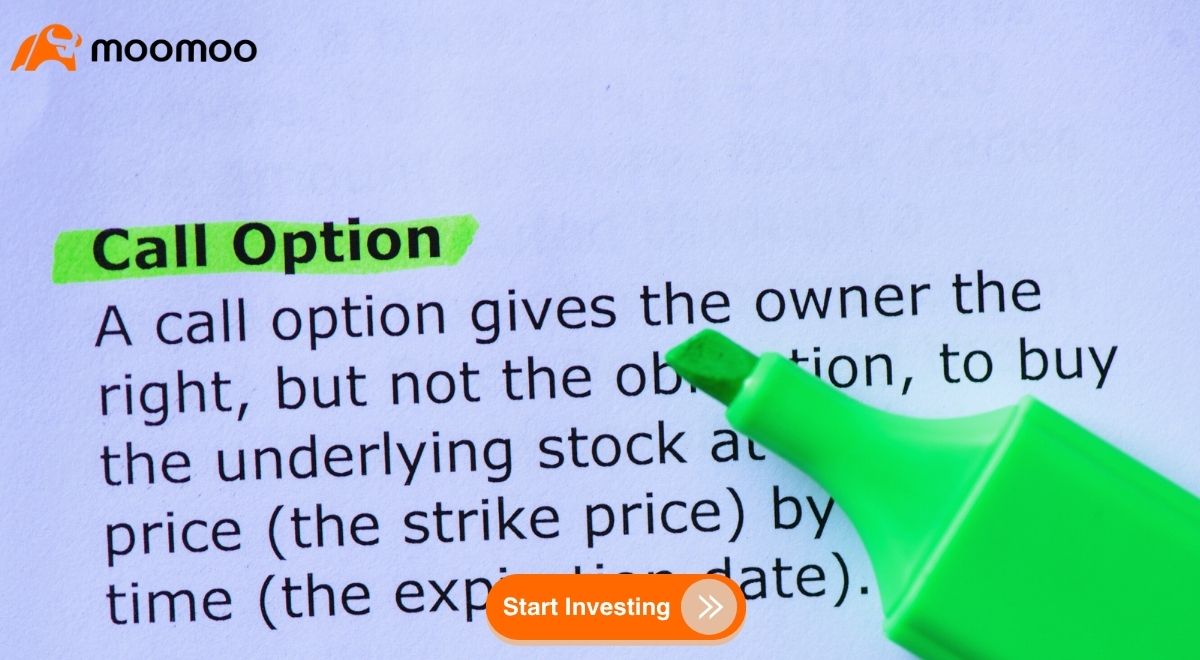
A call option is a financial contract that grants the holder the right to buy an underlying stock at a specified price, known as the strike price. Traders often buy options, specifically call options, when they expect the price of the underlying stock to increase. This strategy is based on their predictions of market movement. For instance, if a trader expects a stock’s price to increase, they might buy a call option to profit from that rise.
Imagine a potential homeowner paying a deposit to secure the right to buy a home at a future date; similarly, a call option allows a trader to lock in a buying price for an underlying stock they expect to appreciate. The potential profit from a long call option is theoretically unlimited, as the underlying stock’s price can rise indefinitely, while the maximum loss is limited to the option's premium paid for the option.
Put Options
On the other hand, a put option provides the holder the right to sell the underlying asset at the option's strike price. Traders purchase put options when they anticipate a decline in the price of the underlying asset. This strategy allows them to hedge against potential losses or profit from falling asset prices.
For example, if a trader believes a stock’s price will decrease, they can buy a put option to sell the stock at the option's strike price, regardless of how low the market price drops. The value of a put option increases as the price of the underlying asset decreases below the option's strike price, providing a means to profit from a bearish market.
If the market price stays above the option's strike price and the put is not exercised, the option expires worthless. The maximum loss for buying a put option is limited to the premium paid, making it a controlled-risk strategy to limit risk.
Key Components of an Options Contract
Options contracts are intricate financial instruments that include several key components:
The strike price (also called the certain price)
The expiration date
The option's premium (also referred to as the option's price)
These elements are crucial for understanding how option contracts function and influence the overall trading strategy involving financial contracts.
The value of an options contract consists of intrinsic value and time value, and depends on various factors beyond the underlying asset’s value, making them complex to evaluate.
Strike Price
The strike price, also known as the option's strike price, is the predetermined price at which the underlying asset can be bought or sold in an options contract. This specific price significantly influences the profitability and decision-making process for options traders. The option’s strike price acts as a benchmark for determining whether an option is “in the money” or “out of the money” and plays a critical role in the execution of trading strategies. For example, in spreads or butterflies, traders may use a higher strike price in combination with a lower strike price to define the risk and reward profile of the trade. The underlying price significantly impacts these dynamics.
Expiration Date
The expiry date is the deadline by which the holder of an options contract must exercise their rights. If the option expires out of the money, it becomes worthless. Options have a finite lifespan, requiring traders to make timely decisions based on market conditions. The expiration date adds a time-sensitive element to options trading, influencing the option’s time value and overall strategy. European options, for example, can only be exercised at expiration, unlike American options which can be exercised at any time before expiry.
Premium
The premium received is the price paid by the buyer to the seller for the rights granted by the options contract. For buyers, the maximum possible loss is only the premium paid if the option expires worthless. This upfront payment compensates the seller for the risk undertaken and is influenced by factors like the underlying asset’s price movement, time to expiration, and option’s premium market volatility.
Option Contract Specifications
Option contracts are standardized agreements that form the foundation of options trading. Each contract gives the buyer the right, but not the obligation, to buy or sell an underlying asset—such as a stock, exchange traded fund, or index—at a specified price, known as the strike price, on or before a predetermined expiration date. These contracts are carefully structured to ensure clarity and consistency in the marketplace.
The main specifications of an option contract include the type of option (call or put), the underlying asset, the strike price, the expiration date, and the premium paid by the buyer to the seller. The strike price is the fixed price at which the option holder can buy or sell the underlying asset, while the expiration date marks the last day the option can be exercised. The premium paid represents the cost of acquiring the rights granted by the contract.
Understanding these specifications is essential for anyone looking to trade options, as they determine the potential risks and rewards of each position. Whether you are looking to buy or sell an underlying asset, knowing the details of the option contracts you are trading will help you make informed decisions and manage your exposure effectively.
Popular Strategies in Options Trading

Options trading offers various options strategies that cater to different market conditions and risk appetites. Basic strategies include buying calls and puts, selling options, and selling covered calls. More advanced tactics involve establishing an option position through spreads and straddles, sometimes using multiple options on the same stock. Understanding these strategies helps investors manage portfolio risks and adapt to changing market conditions effectively.
Long Call Strategy
A long call strategy involves buy options, specifically purchasing call options, with the expectation that the underlying asset’s price will rise. This strategy is typically employed when traders predict a significant increase in the asset’s price. The cost to enter this position is the option's premium, which represents the price paid to acquire the call option. The maximum profit scenario for a long call option is theoretically unlimited, as the stock price can increase significantly, while losses are limited to the option's premium paid.
For example, if a trader buys a call option and the stock price rises, the trader can profit from the difference between the market price and the strike price, minus the option's premium. This makes the long call strategy an attractive option for traders seeking high returns with controlled risk, as the maximum profit is only limited by how high the stock price can rise.
Short Put Strategy
The short put strategy means establishing an option position by selling a put option. This is done without possessing the underlying asset. Traders often employ this strategy when they expect the price of the underlying asset to remain stable. They may also use it if they anticipate an increase in the asset’s price. When a trader sells a put option, they commit to buying the underlying asset. This obligation takes effect if the option buyer decides to exercise their right.
The potential maximum loss in a short put strategy can be significant, as the trader is exposed to the risk of the asset falling below the strike price. However, the maximum profit is only the premium collected from selling the option, making it a strategy that can generate income in stable or rising markets.
Covered Call Strategy
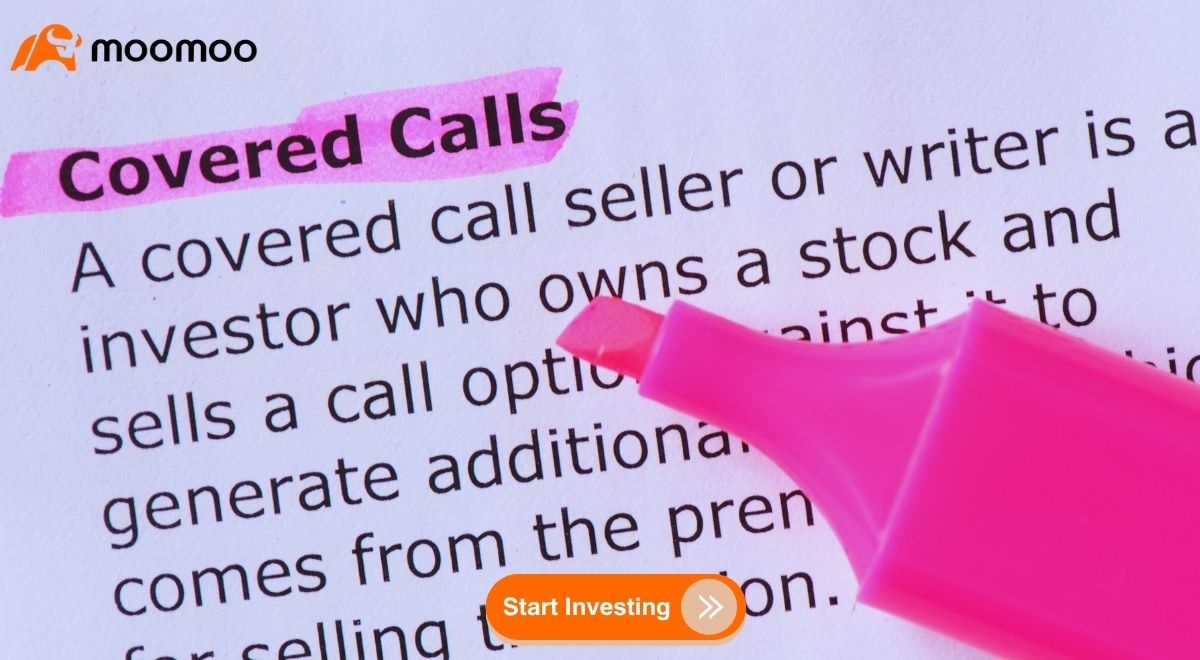
The covered call strategy requires owning the actual stock, specifically 100 shares. Additionally, it involves selling a call option against those shares. This strategy allows the trader to generate income from the option premium while potentially benefiting from the stock’s appreciation. Experienced traders utilize covered calls to offset tax gains from other trades. This strategy also helps them generate additional income from their stock holdings.
However, selling a call option limits the upside potential of the underlying position, as the trader must deliver the shares at the option's strike price if the option is exercised. The maximum profit in a covered call strategy is capped and is typically the sum of the premium received plus any gains up to the option's strike price. This makes the covered call strategy an excellent choice for conservative investors looking to enhance their income without significantly increasing their risk.
Hedging and Speculative Strategies in Options Trading
Options trading is a versatile tool that allows investors to both manage risk and seek profit from market movements. By employing different strategies, traders can tailor their approach to suit their financial goals and market outlook.
Hedging Strategies
Hedging strategies in options trading are designed to manage risk and protect a portfolio from adverse price movements. For example, purchasing a put option can serve as insurance against a decline in a stock’s price, allowing the investor to sell the stock at the strike price even if the market value drops. Similarly, buying a call option can safeguard against missing out on gains if the stock price rises unexpectedly.
A popular hedging approach is the covered call strategy, where an investor who owns shares of a stock sells a call option on those shares. This generates income from the premium received, providing a buffer against minor declines in the stock’s price. However, it also limits the upside potential, as the investor may be required to sell the stock at the strike price if the option is exercised. By using these strategies, investors can manage risk and enhance the stability of their portfolios.
Speculative Trading
Speculative trading with options involves taking positions based on expectations of future market movements, aiming to profit from changes in a particular stock’s price. Investors may buy call options if they anticipate a rise in the stock’s price, or purchase put options if they expect a decline. These strategies can offer significant profit potential, but they also carry the risk of losing the entire premium paid if the market moves in the opposite direction.
One well-known speculative strategy is the long straddle, where an investor buys both a call option and a put option with the same strike price and expiration date. This approach profits from significant price swings in either direction, making it suitable for periods of high market volatility. By carefully selecting strike prices and expiration dates, traders can tailor their speculative strategies to match their market outlook and risk tolerance.
Benefits of Options Trading
Options trading offers several benefits, including leverage, risk management, and flexibility. Options enable traders to enhance returns, manage potential losses, and adapt strategies to varying market conditions. This flexibility allows investors to quickly respond to market trends, making informed decisions based on current data and volatility.
Leverage
Options trading allows investors to control larger positions with less capital compared to outright stock trading. Purchasing a call option instead of the stock outright allows traders to leverage their investments for potentially significant returns through stock options and to trade stock options.
The value of a call option increases when the price of the underlying asset rises above the strike price, demonstrating the leverage effect.
Risk Management
Options trading provides an opportunity for substantial gains or hedging market risk. Options can act as a hedge, giving investors a way to protect against market downturns effectively. Additionally, those who wish to explore more strategies can consider how to trade options.
If the stock price falls below the strike price at expiry, losses are limited by the option’s gains, making it a valuable risk management tool.
Flexibility
Options trading allows for a range of strategies that can be customized based on market conditions, including:
Long calls
Short puts
Covered calls
More advanced tactics Options provide the flexibility to navigate different market scenarios while managing risk effectively.
Risks Involved in Options Trading
Despite the numerous benefits, options trading carries a significant risk. The potential for total loss exists, particularly for options holders who can lose their entire premium if the market moves against them. Additionally, selling options can lead to unlimited losses for writers, especially if the market moves unfavorably, since profits are limited to the premium received while risks can be unbounded.
Options are also decaying assets, meaning they lose value over time, particularly as expiration approaches. This time decay, combined with the leverage effect, can amplify both potential gains and losses, making it crucial for traders to understand the risk exposure of their option position and to employ effective risk management techniques.
How to Get Started with Options Trading
Getting started with options trading involves assessing your financial readiness, choosing the right broker—preferably one that provides access to major options exchanges such as the international securities exchange—and developing a comprehensive trading plan. When trading options, you can select contracts based on various underlying securities, including stocks, ETFs, and indexes. These steps are essential for navigating the complexities of options trading and achieving success in the market.
Assess Readiness
Before diving into options trading, it’s crucial to conduct a self-assessment of your financial health, risk tolerance, market understanding, and time commitment. Options trading is generally not recommended for beginner investors due to its complexities and risks.
Gaining a thorough education in options trading and consulting a financial advisor can help ensure you’re prepared to manage the associated risks.
Choosing a Broker
Choosing the right broker is crucial to successfully trading options. Evaluate a broker’s fees, platform features, and customer support to find one that meets your needs.
Approval for margin and options trading from a broker is required, and maintaining a margin account is typically necessary. Brokers offer various levels of approval for options trading, each with different risk levels.
Developing a Trading Plan
A successful trading plan should clarify the types of strategies to use and incorporate effective risk management practices. Defining your option position as part of your strategy is crucial, as it helps you determine how to leverage options for cost-effective investment, risk management, or strategic market positioning. Clearly defined entry and exit criteria, along with a comprehensive understanding of the risks involved, are essential for achieving consistent success in options trading.
Trading Platforms and Tools
The right trading platform is essential for successful options trading, providing the infrastructure needed to buy and sell options contracts efficiently. Modern trading platforms offer a range of features, including real-time market data, advanced charting tools, and risk management resources to help investors make informed decisions.
When selecting a platform for options trading, it’s important to consider factors such as transaction fees, the quality of the user interface, customer support, and the availability of educational materials. Many platforms also offer specialized tools for managing risk, such as position analysis and profit/loss calculators, which are invaluable for both new and experienced traders.
Security and regulatory oversight are also critical. Look for platforms regulated by authorities like the Securities and Exchange Commission (SEC) or the Financial Industry Regulatory Authority (FINRA) to ensure your trading activities are protected. By leveraging robust trading platforms and tools, investors can streamline their options trading process, effectively manage risk, and work towards achieving their financial objectives.
Example Scenarios in Options Trading
Exploring example scenarios in options trading can help bring these concepts to life by showing how options derive their value from the price movements of the underlying stock.
These examples will illustrate how different strategies can be applied in real-world situations involving an underlying stock.
Buying a Call Option
Imagine you buy options, specifically a call option, with a strike price of $10 for an option's premium (option's price) of $2. If the stock price rises to $12, the option becomes profitable:
You can buy the stock at the strike price of $10.
You can sell the stock at the market price of $12.
This nets a maximum profit of $2 per share, minus the option's premium paid.
If you choose not to exercise the option and the stock price remains below the strike price, the option expires worthless and you lose only the option's premium.
This scenario illustrates how buying a call option can lead to significant gains when the underlying asset’s price increases.
Acquiring the right to purchase an underlying asset at a predetermined price during a specific period leverages your investment for potentially higher returns, particularly when considering the underlying security and the underlying asset price. This strategy is particularly useful when you anticipate a bullish market and want to maximize your profits while controlling your risk exposure.
Selling a Put Option
Selling a put option involves obligating yourself to buy the underlying asset at the option's strike price if the buyer exercises the option. For example, if you sell a put option with an option's strike price of $44 and collect a premium of $1.23 per share, you will earn $1,230 for 10 contracts. If the stock price remains stable or increases, the put option may expire worthless, allowing you to retain only the premium earned from selling the option. In this case, your maximum profit is only the premium collected.
However, if the stock price falls below the option's strike price, you may be required to buy the asset at the strike price, incurring a loss. The premium collected can help offset potential losses, making this strategy suitable for traders who anticipate stable or rising underlying asset price stays.
This example demonstrates how selling put options can generate income while managing risk.
Differences Between Options Trading and Stock Trading

Options trading and stock trading differ significantly in terms of ownership and risk. Stocks represent ownership in a company, granting shareholders voting rights and the potential for dividends. In contrast, options are contracts that give the right to buy or sell the underlying stock at a predetermined price within a certain timeframe. This distinction makes options more flexible but also more complex and risky.
Stock prices are influenced by company performance and market conditions, while options prices are affected by the underlying's price movements and the time remaining until expiration. The value of an option is closely tied to changes in the underlying stock, so understanding the underlying's price is crucial for effective options trading. Options trading is not suitable for every investor due to the associated risks and requires a thorough understanding of rights and obligations.
The non-linear returns and leverage involved in options trading add to its complexity, making it more challenging than traditional stock trading.
Summary
In summary, options trading offers a versatile and potentially profitable way to engage in the financial markets. By understanding the mechanics of options, the different types of strategies, and the associated risks and benefits, investors can make informed decisions and tailor their trading approaches to their individual goals and risk tolerance. Whether you aim to hedge against market downturns, speculate on price movements, or generate additional income, options trading provides a range of tools to meet your needs.
As you embark on your options trading journey, remember that success requires continuous learning and careful risk management. Develop a comprehensive trading plan, choose the right broker, and stay informed about market conditions. With dedication and the right strategies, options trading can become a valuable addition to your investment portfolio. Happy trading!
Frequently Asked Questions

What is the main difference between options trading and stock trading?
The primary distinction between options trading and stock trading lies in ownership; stock trading entails owning shares of a company, whereas options trading involves contracts granting the right to buy or sell stocks at a specified price within a designated period.
How does leverage work in options trading?
Leverage in options trading enables investors to control larger positions with a smaller capital outlay, thus amplifying potential returns when the underlying asset's price moves favorably. It is a powerful tool that can enhance profits but also increases risk.
What are the risks involved in options trading?
Options trading involves substantial risks, including the potential for complete loss of the premium and unlimited losses for those who write options if the market moves unfavorably. Additionally, the impact of time decay can diminish the option's value as expiration nears.
What is a covered call strategy?
A covered call strategy involves holding the actual stock (owning shares of a stock) while selling call options on those shares to earn income from the option premium. While it creates a steady income stream, it also limits the potential for capital gains from the stock.
How do I get started with options trading?
To successfully embark on options trading, it is essential to evaluate your financial readiness, select a suitable broker, and formulate a detailed trading plan that incorporates risk management strategies along with specific entry and exit criteria.
This presentation is for informational and educational use only and is not a recommendation or endorsement of any particular investment or investment strategy. Investment information provided in this content is general in nature, strictly for illustrative purposes, and may not be appropriate for all investors. Read more