07 Howard Marks & Oaktree Capital

It's rare to discover an investment manager with a successful track record who is also willing to share his investing philosophies with others. Howard Marks is one such guru.
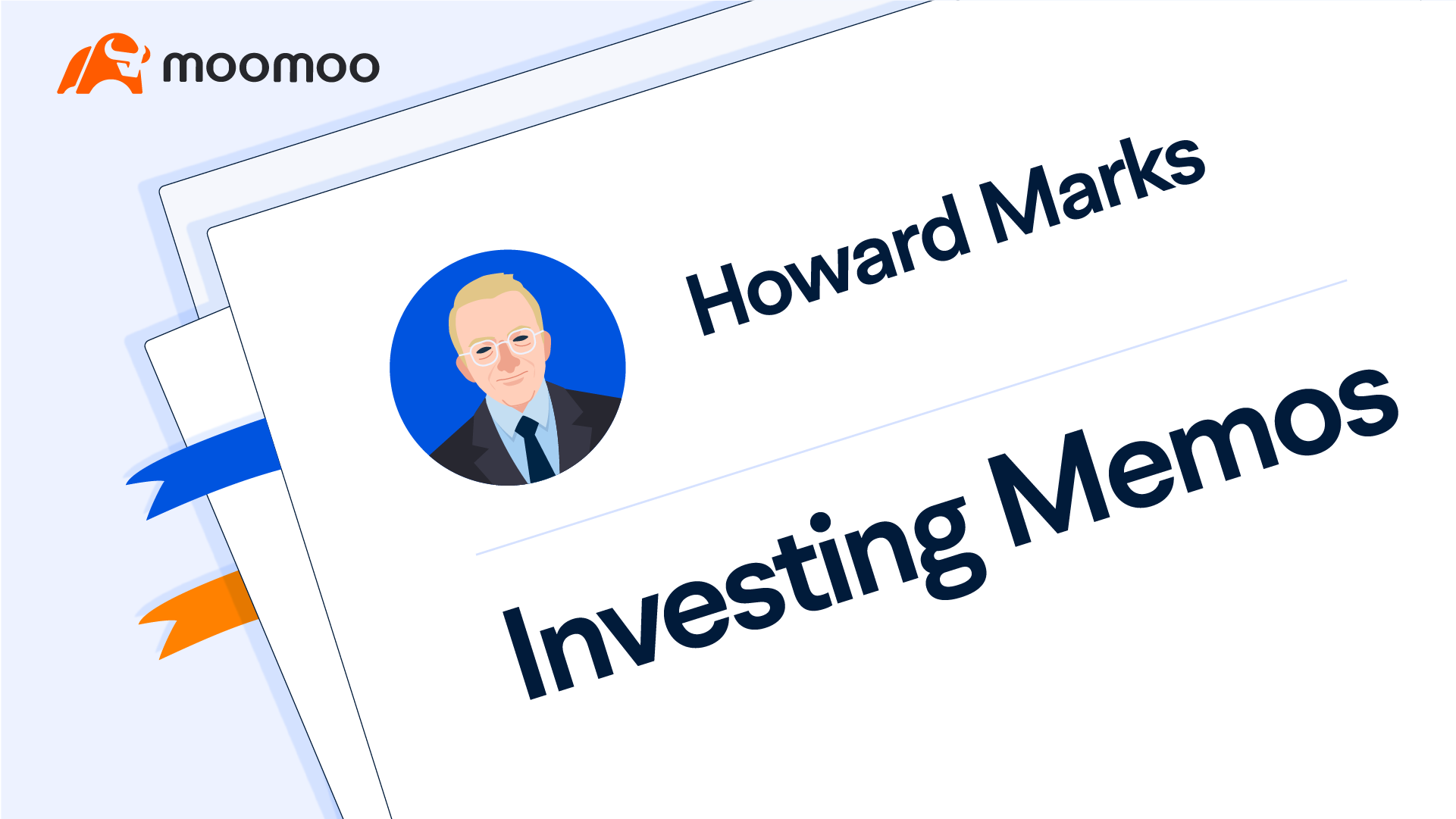
As a well-recognized investment guru on Wall Street, Howard Marks is admired in the investment community for his "memos", which detail his investment strategies and insight into the economy and are posted publicly online since the 1990s.
In his letter, he successfully predicted the crash of technology stocks in 2000 and the financial crisis of 2008.
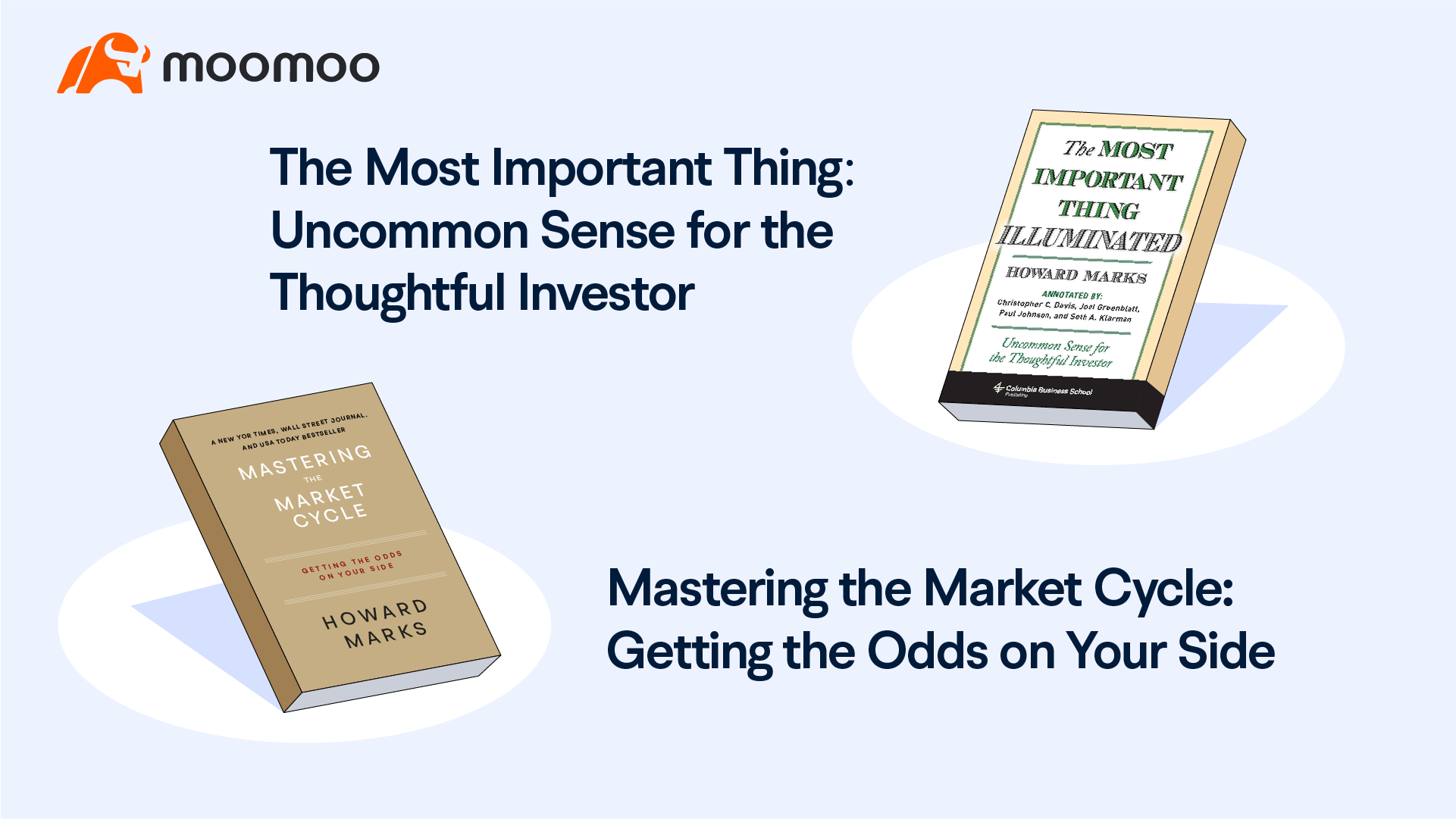
In addition, he is the author of 《The Most Important Thing: Uncommon Sense for the Thoughtful Investor》and 《Mastering the Market Cycle: Getting the Odds on Your Side》, which are regarded as classic of investment books.
According to Warren Buffett, "When I see memos from Howard Marks in my mail, they're the first thing I open and read. I always learn something, and that goes double for his book."

Howard Marks’ professional career began at Citicorp Investment Management, where he worked from 1969 to 1985.
He served as an equity research analyst and then director of research during his early career, which lasted from 1969 to 1978. After that, he held the positions of Vice President and Senior Portfolio Manager from 1978 until 1985, responsible for managing convertible and high yield securities.
During the second phase of his career, which spanned the years 1985 to 1995, Marks worked at TCW Group, Inc., where he oversaw the teams in charge of distressed debt, high yield bonds, and convertible securities investments.
In 1995, Howard Marks and Bruce Karsh founded Oaktree Capital Management, a fund with an emphasis on investing in alternative or niche markets

As of March 31, 2022, Oaktree Capital managed $164 billion for its clientele.

Oaktree's clientele includes U.S. pension plans, 40 state retirement plans in the United States, over 400 corporations and/or their pension funds, over 300 universities, charitable and other endowments and foundations, and 15 sovereign wealth funds.
According to The Wall Street Journal, Oaktree has “long been considered a stable repository for pension fund and endowment money.

Howard Marks has shared his guiding tenets for success in an interview.
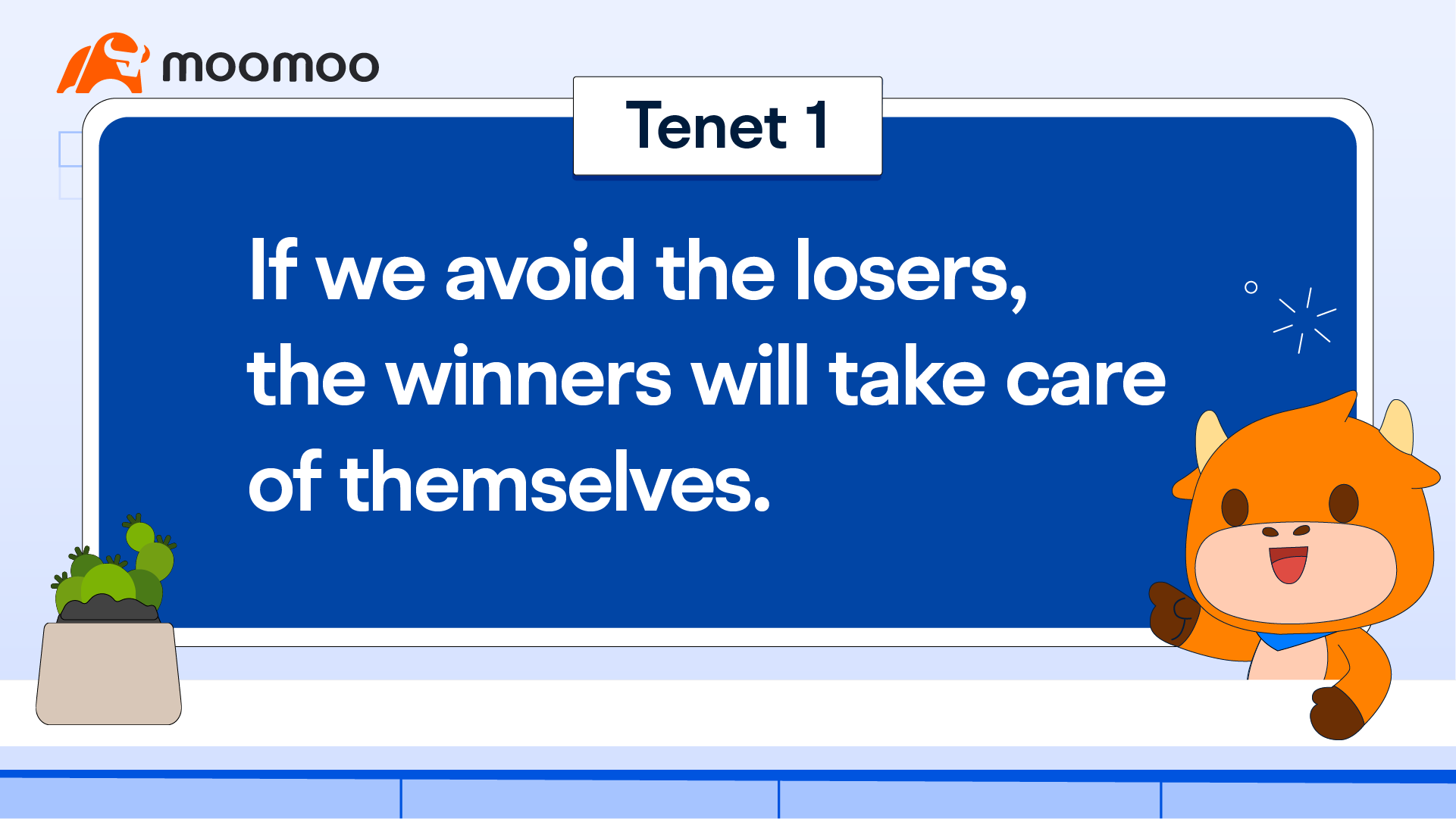
The first tenet is to control your risk.
“The most important thing for the money manager is not making a lot of money, it’s not beating the market, it’s not being in the top quartile - the most important thing is controlling risk. ”as Marks said, "If we avoid the losers, the winners will take care of themselves."
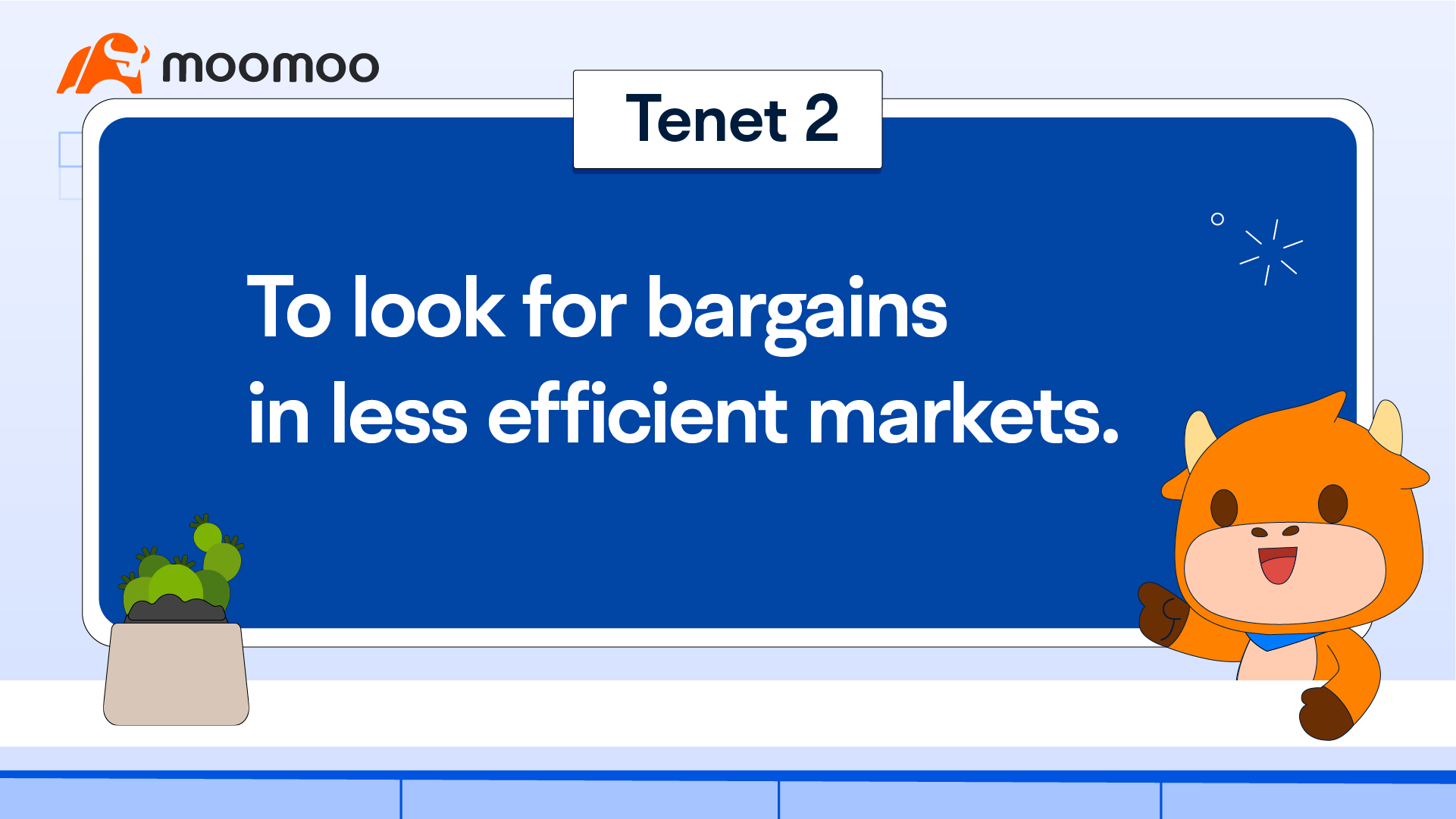
The second tenet is to look for bargains in less efficient markets.
Marks believes in the concept of market efficiency, but he doesn’t believe that any markets are fully efficient.
"There are less efficient markets in which dispassionate application of skill and effort should pay off for our clients, and it is only in such markets that we invest."Marks said.
In 1978, Marks keenly discovered an investment field that few people care about—the alternative fixed-income market (including leveraged loans, junk bonds, mezzanine financing, distressed bonds, etc.).
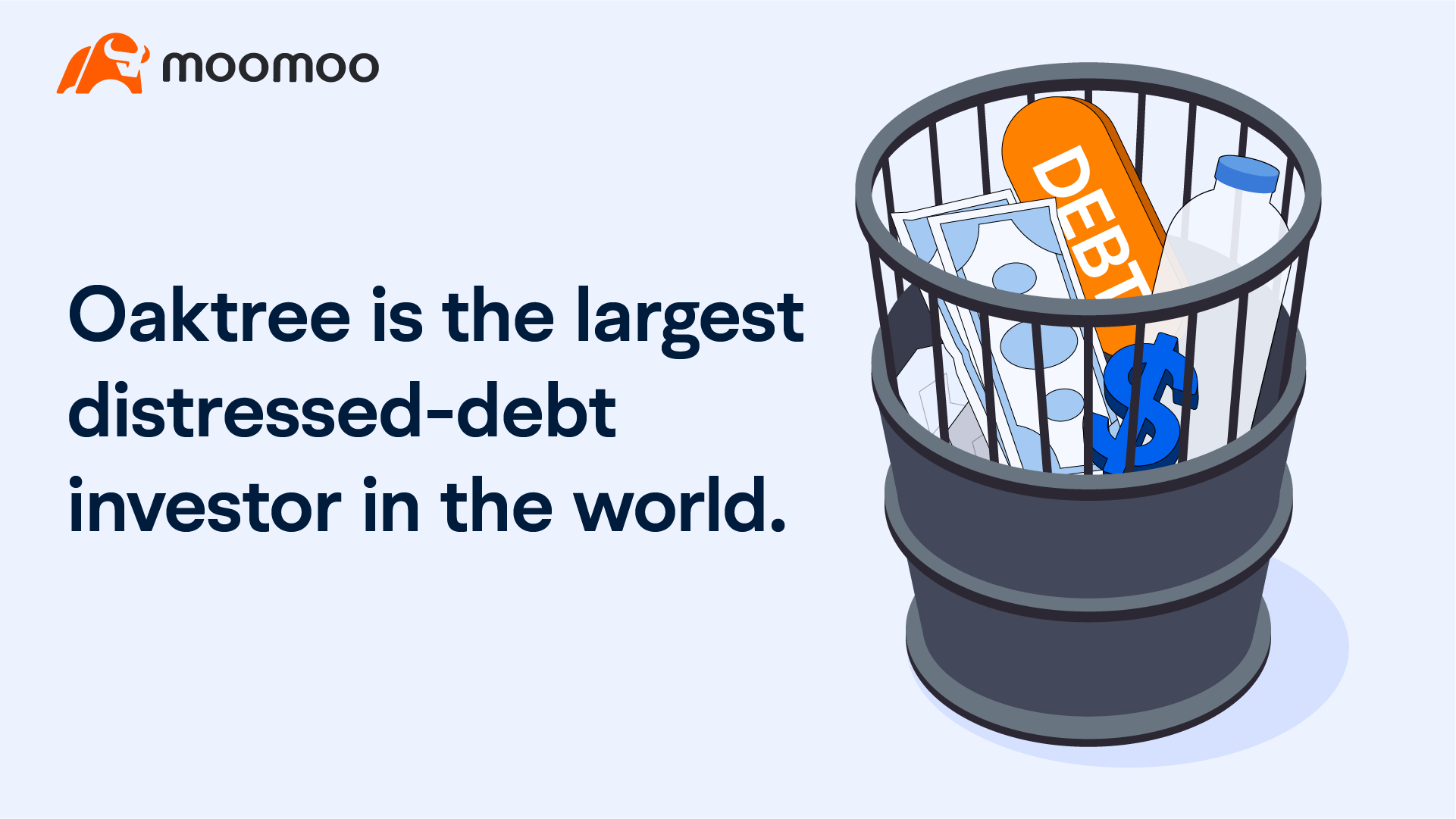
This space is a poster child for an inefficient market: little research, few transactions, and low liquidity. Because of this cold reception, alternative fixed-income products are underpriced, and the risk-adjusted point returns are extremely impressive.
Since its formation in 1995, Oaktree has become the largest distressed-debt investor in the world.
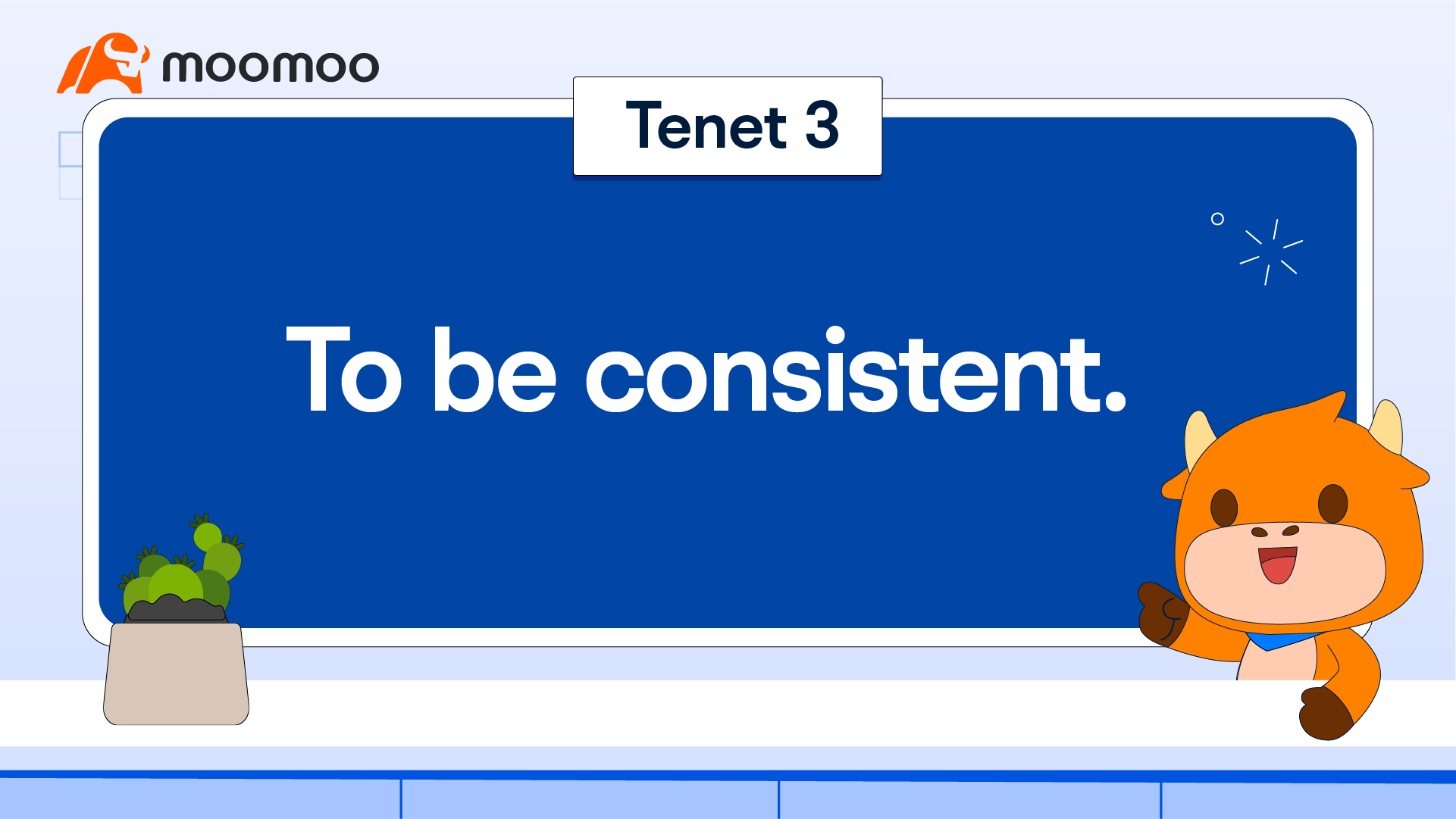
The third tenet is to be consistent.
According to Marks, it’s not important to beat the market when the market does well, he wants to beat the market when it does poorly.
"If we can deliver average returns in the good years and above-average returns in the bad years, we will have above-average returns overall, below-average volatility, and happy clients."
This presentation is for informational and educational use only and is not a recommendation or endorsement of any particular investment or investment strategy. Investment information provided in this content is general in nature, strictly for illustrative purposes, and may not be appropriate for all investors. Read more
Recommend
Mastering the Dollar Cycle: How to invest in a changing economy
How Will the US Dollar Perform in 2024? A Closer Look into the US Dollar Index
Unveiling Inflation: Why is Your Wallet Shrinking?

Why is the US dollar so powerful worldwide, and how can we tell?
How to interpret the Fed dot plot?
Why do oil ETFs lag behind oil prices in the long run?
Understanding Bessent's Fiscal Blueprint
Unpacking the U.S. Debt Issue
Meet Dr. Copper: Understanding the Copper Market
A look at employment: what other indicators are there?
Do Oil Price Swings Rock the Stock Market?
How Tariffs Could Impact the Copper Landscape?
Why is Oil Called the "Mother of All Commodities"?
GDP: The Barometer of National Prosperity
Are U.S. Treasuries still a safe haven?
How does nonfarm payroll impact the global market?
How Inflation Affects the Market
How to Decode Inflation: CPI, PCE, and PPI
Understanding Treasury Auctions: A Step-by-Step Guide
Gold vs. Gold Miners: A Comparison
Understanding the GDP
How does monetary policy steer our lives and investment
How to analyze the Federal Reserve's monetary policy?
Discussing the driving forces behind rises in gold prices
Strong Consumer Spending Despite Economic Slowdown: Here's Why
Rapidly Rising US Housing Prices: Opportunity or Risk?
The Underlying Conflicts Surrounding Crude Oil Prices
'Father of value investing' Benjamin Graham: Ten Stock Selection Criteria
'Oracle of Omaha' Warren Buffett:ROE>20% is preferable
07 Howard Marks & Oaktree Capital
Listen to the Fed's speakers: Hawks or doves?
Understanding the CCI
Understanding the Federal Reserve Interest Rate Decision
Understanding the Durable Goods Orders
Investing and Labor Market Indicators
Understanding the relationship between the stock market and the bond market
The Rise of the Fed: Can Trump Dismiss Powell?
01 Using 13F filings to learn from big investors
Why does Warren Buffett say don't piggyback on his trades?
Understanding the US Non-Farm Payroll Data
Understanding the US Crude Oil Inventories
Understanding the PPI
Understanding the Retail Sales
How to Preserve Your Wealth in a High Inflation Environment
What is the Debt Ceiling? A Deep Dive into US Fiscal Policy
Discover the bond market: A quick and easy guide
Analyzing the manufacturing industry may help you grasp economic trends
The Fed Dot Plot explained: What it says about US interest rates
What the Federal Reserve does?
08 Carl Icahn & Icahn Enterprises
09 Seth Klarman & Baupost Group
What's in the Fed's Toolbox?
Open the Fed's monetary policy toolbox
A brief history lesson on the Fed and U.S. economy
06 Ray Dalio & Bridgewater Associates
04 Warren Buffett & Berkshire Hathaway
03 How to Read Form 13F
02 Identify a fund's investment strategy
05 Bill Ackerman & Pershing Square Capital
Mastering the Dollar Cycle: How to invest in a changing economy
How Will the US Dollar Perform in 2024? A Closer Look into the US Dollar Index
Unveiling Inflation: Why is Your Wallet Shrinking?
Why is the US dollar so powerful worldwide, and how can we tell?
How to interpret the Fed dot plot?
Why do oil ETFs lag behind oil prices in the long run?
Understanding Bessent's Fiscal Blueprint
Unpacking the U.S. Debt Issue
Meet Dr. Copper: Understanding the Copper Market
A look at employment: what other indicators are there?
Do Oil Price Swings Rock the Stock Market?
How Tariffs Could Impact the Copper Landscape?
Why is Oil Called the "Mother of All Commodities"?
GDP: The Barometer of National Prosperity
Are U.S. Treasuries still a safe haven?
How does nonfarm payroll impact the global market?
How Inflation Affects the Market
How to Decode Inflation: CPI, PCE, and PPI
Understanding Treasury Auctions: A Step-by-Step Guide
Gold vs. Gold Miners: A Comparison
Understanding the GDP
How does monetary policy steer our lives and investment
How to analyze the Federal Reserve's monetary policy?
Discussing the driving forces behind rises in gold prices
Strong Consumer Spending Despite Economic Slowdown: Here's Why
Rapidly Rising US Housing Prices: Opportunity or Risk?
The Underlying Conflicts Surrounding Crude Oil Prices
'Father of value investing' Benjamin Graham: Ten Stock Selection Criteria
'Oracle of Omaha' Warren Buffett:ROE>20% is preferable
07 Howard Marks & Oaktree Capital
Listen to the Fed's speakers: Hawks or doves?
Understanding the CCI
Understanding the Federal Reserve Interest Rate Decision
Understanding the Durable Goods Orders
Investing and Labor Market Indicators
Understanding the relationship between the stock market and the bond market
The Rise of the Fed: Can Trump Dismiss Powell?
01 Using 13F filings to learn from big investors
Why does Warren Buffett say don't piggyback on his trades?
Understanding the US Non-Farm Payroll Data
Understanding the US Crude Oil Inventories
Understanding the PPI
Understanding the Retail Sales
How to Preserve Your Wealth in a High Inflation Environment
What is the Debt Ceiling? A Deep Dive into US Fiscal Policy
Discover the bond market: A quick and easy guide
Analyzing the manufacturing industry may help you grasp economic trends
The Fed Dot Plot explained: What it says about US interest rates
What the Federal Reserve does?
08 Carl Icahn & Icahn Enterprises
09 Seth Klarman & Baupost Group
What's in the Fed's Toolbox?
Open the Fed's monetary policy toolbox
A brief history lesson on the Fed and U.S. economy
06 Ray Dalio & Bridgewater Associates
04 Warren Buffett & Berkshire Hathaway
03 How to Read Form 13F
02 Identify a fund's investment strategy
05 Bill Ackerman & Pershing Square Capital