Top 8 Tips for Using Paper Trading for Singapore Investors
Paper trading serves as a risk-free avenue for both novice and seasoned Singapore investors to refine their trading strategies and skills. Notably, most reputable stock brokers in Singapore offer this feature, e.g., Moomoo Singapore. This virtual platform mirrors real-time market conditions, offering an extensive array of financial instruments such as stocks, derivatives, and indices. It provides a comprehensive environment where participants can deepen their understanding of market complexities.

For Singapore investors who are keen on entering the stock market but wary of potential losses due to inexperience, paper trading is an invaluable tool. It facilitates familiarization with the intricacies of trading platforms, the interpretation of market data, and the formulation and execution of strategies without any real financial risk. Most importantly, it empowers investors to cultivate a calm and analytical approach, enabling them to make swift, informed decisions — a crucial skill set for thriving in the ever-evolving market landscape and laying a robust foundation for future live trading endeavors.
Why Do You Need Paper Trading to Trade Singapore Stocks?
Paper trading is an essential tool for newcomers to the Singapore stock market, and it's particularly beneficial for Singapore investors looking to expand their investment horizons. Engaging in paper trading is not just advisable; it's a crucial step before diving into actual stock trading. Here's why this preparatory phase is so important:
Risk Reduction: Paper trading allows investors to explore the market without putting their capital at risk. It significantly reduces the chances of financial loss due to inexperience or poor decision-making.
Market Understanding: Through paper trading, investors can gain a deeper understanding of the stock market, including trading hours, market trends, ticker symbols, and regulatory rules. This knowledge is vital for making informed decisions.
Strategy Testing: Investors can experiment with various trading strategies and analytical techniques in a simulated environment. This allows them to see how these strategies perform under real market conditions, without the fear of losing money.
Psychological Training: Trading isn't just about technical analysis and market knowledge; it also involves emotional discipline. Paper trading helps investors practice managing their emotions and stress levels, which are critical for long-term success.
Familiarization with Platform: Most trading platforms offer virtual accounts, enabling investors to get comfortable with the software and tools, such as charts, indicators, stop-loss, and take-profit settings. This familiarity is key to smooth and efficient trading.
Improving Skills: Paper trading provides a hands-on platform where investors can hone their trading skills, including order execution, market analysis, and decision-making. These skills are essential for successful live trading.
Transitioning to Real Trading: As investors become more confident, they can gradually introduce real capital while maintaining the strategies and skills learned during paper trading. Continuous analysis and adjustment of trading approaches in real market conditions will further refine their expertise.
By leveraging paper trading, Singapore investors can build a solid foundation, reduce risks, and enhance their overall trading capabilities, setting the stage for a successful transition to real trading.
Tips for Using Paper Trading in Moomoo
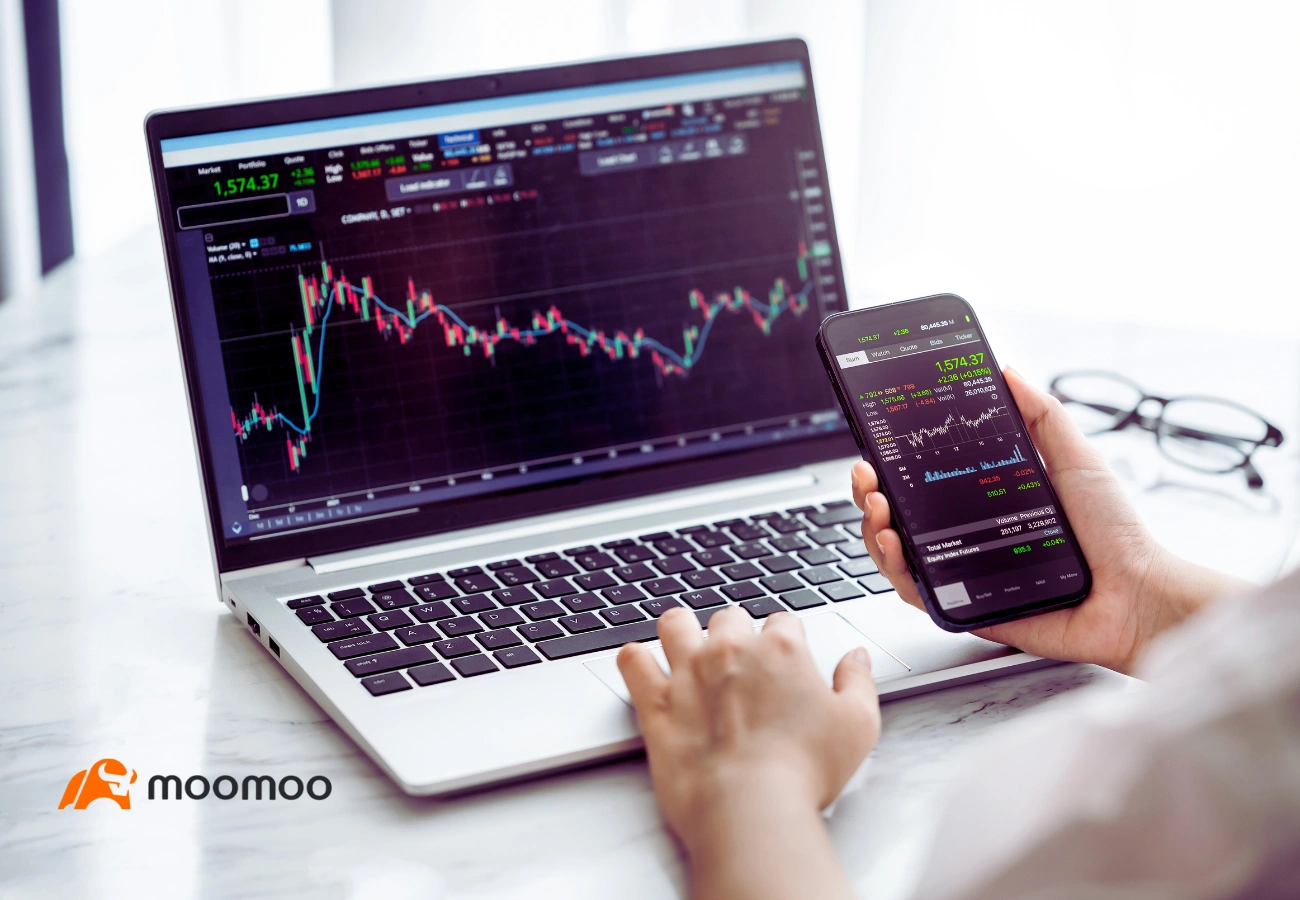
In the financial markets, paper trading is a risk-free practice that allows investors to test their trading strategies and skills in a real market environment. Below are the top 8 tips that you can employ when using moomoo's paper trading.
Familiarity with Trading Rules and Instructions
To effectively engage in paper trading on moomoo, Singapore investors must first become well-versed in Singapore’s trading rules. This includes understanding trading hours, order types, and limits, which are essential for avoiding common mistakes. Familiarizing themselves with these rules is a strategic step in their trading education, allowing them to align their activities with market liquidity and optimize the timing of their orders.
Grasping different order types, such as market orders for immediate execution and limit orders for specific pricing, is crucial for navigating the market with intention and purpose. For Singapore investors interested in day trading, this knowledge is particularly important. It helps in managing accounts under the pattern day trader rule and in selecting the right time frames for successful trades.
This preparatory phase is not just about following procedures; it's an investment in one’s trading knowledge. By thoroughly understanding the rules, Singapore investors can make informed decisions and effectively engage with the market’s dynamics, setting a strong foundation for their trading journey.
Test New Strategies with Accounts

Paper trading provides investors with a risk-free platform to test and refine new strategies using real-time market data. This is crucial for validating the effectiveness of both technical and fundamental analysis. Through paper trading, investors can apply technical indicators and chart patterns, as well as assess company financials and economic trends, without any financial risk.
By evaluating their strategies across various market conditions, investors can gain valuable insights into performance and identify areas for improvement. This process not only builds confidence but also enhances strategic readiness for live trading. As a result, investors can approach real market scenarios with a more informed and prepared mindset, ensuring they are better equipped to make sound investment decisions.
Experience Trading Tools
A paper trading platform equips investors with a comprehensive suite of tools that enhance their understanding of the market and improve decision-making. Real-time charts visually represent trends, making it easier to recognize patterns and base trading strategies on price movements. The market depth tool, or order book, provides insights into pending orders and market liquidity, helping investors identify support and resistance levels more effectively.
Option pricing tools offer theoretical valuations of options, which are essential for options traders who need to consider factors like stock prices, volatility, and expiration dates. Additionally, risk management tools on these platforms allow investors to set and monitor their exposure to market risks, promoting a disciplined and controlled trading approach.
By utilizing these tools, investors can practice a variety of trading scenarios, refining their analytical and strategic skills. This hands-on engagement with market dynamics deepens their understanding of financial markets and enhances the quality and accuracy of their trading decisions. Ultimately, this practical experience lays a solid foundation for successful live trading.
Learning Market Dynamics and Varieties of Securities
Paper trading is a powerful tool that enables investors to gain a deep understanding of the patterns and mechanisms of various securities through market trend analysis. It helps investors develop and refine effective trading strategies by observing key factors such as economic indicators and corporate news, which influence price movements. Understanding the unique trading dynamics of each security type is crucial for crafting tailored and effective strategies.
The platform allows investors to test these strategies in simulated market conditions, ranging from stable to highly volatile, without any financial risk. This practice enhances their ability to make informed decisions and adapt their strategies in real time. By using paper trading, investors can build the necessary knowledge and confidence to navigate the complexities of the market, ensuring they are well-prepared for live trading.
Risk Management and Stop Loss Setting
In paper trading, mastering risk control and setting stop-loss points is essential for investors. This practice mirrors the discipline required in live trading and helps protect investments from significant losses. It involves evaluating the potential impact of trades on your portfolio, determining acceptable loss levels, diversifying investments, and aligning position sizes with your risk tolerance.
Analyzing technical levels to set stop-loss points is crucial for limiting losses and maintaining rationality during market volatility. Paper trading provides a risk-free environment where investors can practice and refine these risk management strategies. This hands-on experience builds confidence and equips investors with the skills needed to effectively manage real market conditions.
Mindset Adjustment and Emotion Management
Trading is as much a psychological endeavor as it is a technical one, making emotional control a critical component. For investors, paper trading provides a risk-free environment to practice managing emotions such as greed, fear, and impatience, which can lead to poor decisions in live markets. This practice helps develop mental resilience and fosters a disciplined approach to trading.
By simulating various trading scenarios, investors can experiment with emotion management techniques. These include setting clear goals, adhering to a well-defined trading plan, and taking breaks to maintain composure. This hands-on experience is key to cultivating a rational mindset that can handle market volatility, an essential trait for building a robust trading temperament.
Paper trading allows investors to integrate emotional intelligence with technical skills, laying a strong foundation for successful real trading. By mastering both the psychological and technical aspects, investors can better navigate the complexities of the market and make more informed, disciplined decisions.
Learning New Knowledge
The financial markets are constantly evolving, and investors need to continuously update their knowledge. Paper trading is a valuable educational tool that allows investors to test and refine new strategies in a risk-free environment. It also helps them stay current with market trends, regulatory changes, and technological advancements.
Learning through paper trading should extend beyond trading techniques to include macroeconomic factors, geopolitical impacts, and market sentiment. Investors can leverage financial news, webinars, courses, and reports to expand their market knowledge, ensuring they are well-inspired and ready to adapt to market changes.
Gradual Transition to Real Transactions
Once you are confident in your paper trading performance, it's time to cautiously transition to live market trading. Start with a small portion of your capital to minimize risk while gaining real-world experience. Maintain the discipline developed during paper trading but stay flexible to adapt your strategies to the unique demands of live trading.
Continuously assess your live performance against your simulated results to identify any differences and adjust your approach accordingly. This practice will help manage trading stress and refine your strategy for better results in the real market. For investors, this gradual and thoughtful transition is key to building a successful and sustainable trading career.
Moomoo Paper Trading Platform

Moomoo offers a paper trading feature that allows users to practice and improve their trading skills without risking their money. Here are some key introductions to moomoo paper trading:
Multi-Market Support:
Moomoo's paper trading platform offers comprehensive support across multiple markets, providing a diverse range of investment opportunities for users. It covers major financial hubs including the US, HK, SG and JP, offering a truly global trading experience.
Initial Virtual Assets:
Upon opening a virtual account, users are provided with initial virtual assets in various markets. For example, a virtual account in Singapore will receive SGD1 million in assets, allowing investors to practice and refine their strategies in a realistic environment.
Trading Hours:
The moomoo paper trading platform aligns its trading hours with those of the actual markets, offering a realistic and immersive experience. By adhering to real market hours, users can practice trading during significant market movements, such as the opening and closing bells. This allows investors to experience the rush of peak trading times and observe how news and events impact market behavior.
Fee Structure:
Moomoo's paper trading fees are based on real market conditions, including commissions, platform usage fees, and trading system usage fees. However, all these fees are virtual and do not involve real expenses. This feature helps traders learn about budgeting and cost management without the risk of financial loss.
Advantages of Paper Trading:
Moomoo's paper trading system is free and provides a risk-free environment for users. It helps Singapore investors familiarize themselves with the trading platform, interpret market data, and formulate and execute trading strategies, all without any financial risk.
Internationalization Development:
Moomoo, as an international product, has achieved significant market share in the United States, Singapore, Australia, Japan, Malaysia, and Canada. In Singapore, it holds over 25% market share and continues to expand its influence globally.
By using moomoo's paper trading, users can hone their trading skills in a safe environment, laying a solid foundation for future real trading. Moomoo also continuously invests in self-research and technological innovation, enhancing the platform's functionality and user experience.
Conclusion

Paper trading is a valuable learning tool that enables investors to enhance their trading skills and market understanding without risking their capital in the Singapore stock market. By following the above tips, Singapore investors can familiarize themselves with market dynamics and master trading skills in a risk-free environment, thereby improving their investment decision-making abilities before entering the real stock market.
The ultimate goal of paper trading is to learn and improve, not just to chase virtual profits. Through continuous practice and reflection, investors can become more confident and adept, ensuring they are well-prepared for the challenges and opportunities of the real market.
This presentation is for informational and educational use only and is not a recommendation or endorsement of any particular investment or investment strategy. Investment information provided in this content is general in nature, strictly for illustrative purposes, and may not be appropriate for all investors. Read more