4 Effective Risk Management Strategies for the Singapore Stock Market
The Singapore stock market is renowned for its stability and growth potential in the global stock market. However, like any investment channel, the stock market is not without risks. Effective risk management is crucial for investors to navigate the market successfully and protect their capital. This article will delve into the concept of risk management, its importance in Singapore, the potential risks investors may face, and the best strategies to mitigate these risks.

What is Risk Management?
Risk management is the process of identifying risks, evaluating, and prioritizing potential risks present in the investment process. Once identified risks are documented, they can be systematically addressed to mitigate potential negative impacts. It is a crucial part of ensuring that objectives are achieved, with the aim of minimizing or eliminating negative impacts and maximizing the likelihood of realizing profits.
Risk and return are inseparable in investment. If you want a return, you must take risks. The main purpose of risk control in stock investment is to reduce the degree of risk while maximizing returns as much as possible. This requires us to analyze and summarize the sources and characteristics of stock investment risks, to distinguish between risk situations, so that we can avoid uncontrollable risk factors as much as possible. When uncontrollable factors in the market exceed the investor’s risk tolerance, investors can choose to exit the market to avoid these risks.
Importance of Risk Management in Singapore
Investing in the Singapore stock market aims to achieve greater profits. Still, regarding this goal, risk control is more important than profit itself, mainly manifested in the following aspects.
Expanding Profits and Reducing Losses
The risks in the stock market are omnipresent and ever-changing. Various factors, such as economic and political conditions, military policies, natural and man-made disasters, the rise and fall of industries and companies, and market trading behaviors, influence the fluctuations in the stock market. These factors determine that the stock market moves forward amidst volatility. Volatility itself is a form of risk. Risk control reduces losses caused by market fluctuations and preserves earnings, accumulates, and protects a substantial amount of capital. Long-term effective risk control and reduction are the foundation of stock investment returns.
Mastering Emotion
Investing is inherently fraught with risks and uncertainties, many of which stem from the unpredictable nature of human behavior. The allure of substantial profits can lead investors to make irrational decisions, often propelled by greed, fear, and a belief in luck, which may cause them to overlook the significant risks inherent in their investments. Establishing clear guidelines and maintaining discipline is crucial for investors to counteract the vulnerabilities of human nature. By setting boundaries and adhering to a risk control strategy, investors can practice risk avoidance and reduce the likelihood of making errors that could lead to financial losses.
Adapting to Change

Regardless of how skilled and experienced investors may be, market changes are often difficult to predict fully. Implementing risk mitigation strategies, such as setting reasonable profit-taking and stop-loss points, can help investors better control risks. Therefore, investors should take preventive measures and prepare in advance to avoid making hasty decisions when faced with sudden market changes. This includes setting reasonable profit-taking and stop-loss points and implementing effective position management strategies. By taking these measures, investors can better control risks and protect their capital even if the market trend deviates from expectations.
Boost Confidence
Investor confidence is crucial for stock market investment. An optimistic attitude often helps investors better cope with market fluctuations. However, many retail investors may face the risk of gradually depleting their principal due to the lack of effective risk control mechanisms. Investors can effectively control risks and safeguard their capital by establishing scientific position management and strictly implementing profit-taking and stop-loss strategies. This reduces unnecessary losses and helps investors maintain a positive attitude for long-term market participation, thereby seizing more investment opportunities.
Potential Risks in the Singapore Stock Market

The potential risks in the Singapore stock market can be categorized into several major types, including but not limited to systemic risk, policy risk, market risk, interest rate risk, and inflation risk. Here is a brief explanation of these risk types:
Effective risk management processes are essential for identifying and categorizing these potential risks.
Systemic Risk
Macroeconomic factors: Factors such as slowing economic growth, recession, and changes in inflation rates can affect the stock market's overall performance.
Political factors: Political instability, government changes, wars, or terrorist attacks can impact the market.
Policy factors: Changes in fiscal and monetary policies, such as adjustments in tax rates and central bank interest rate decisions.
Policy Risk
Economic policy: Adjustments in government economic policies, such as changes in tax laws or trade policies.
Regulatory risk: Introducing new regulations may affect companies' operating costs and profitability.
Market Risk
Price volatility: Stock prices fluctuate up and down due to market supply and demand.
Liquidity risk: Sometimes, it may not be easy to quickly buy or sell stocks without significantly affecting the price.
Interest Rate Risk
This usually decreases the attractiveness of stocks, as other fixed-income investments (such as bonds) become more attractive.
Inflation Risk
A higher inflation rate reduces money's purchasing power, affecting investors' real returns.
Other Financial Risks
Black swan events: Extremely low-probability, high-impact negative events, such as global pandemics or natural disasters.
Operational risk: Risks related to the execution of trades, such as technical failures or erroneous orders.
Top Risk Mitigation Strategies for Singapore Investors
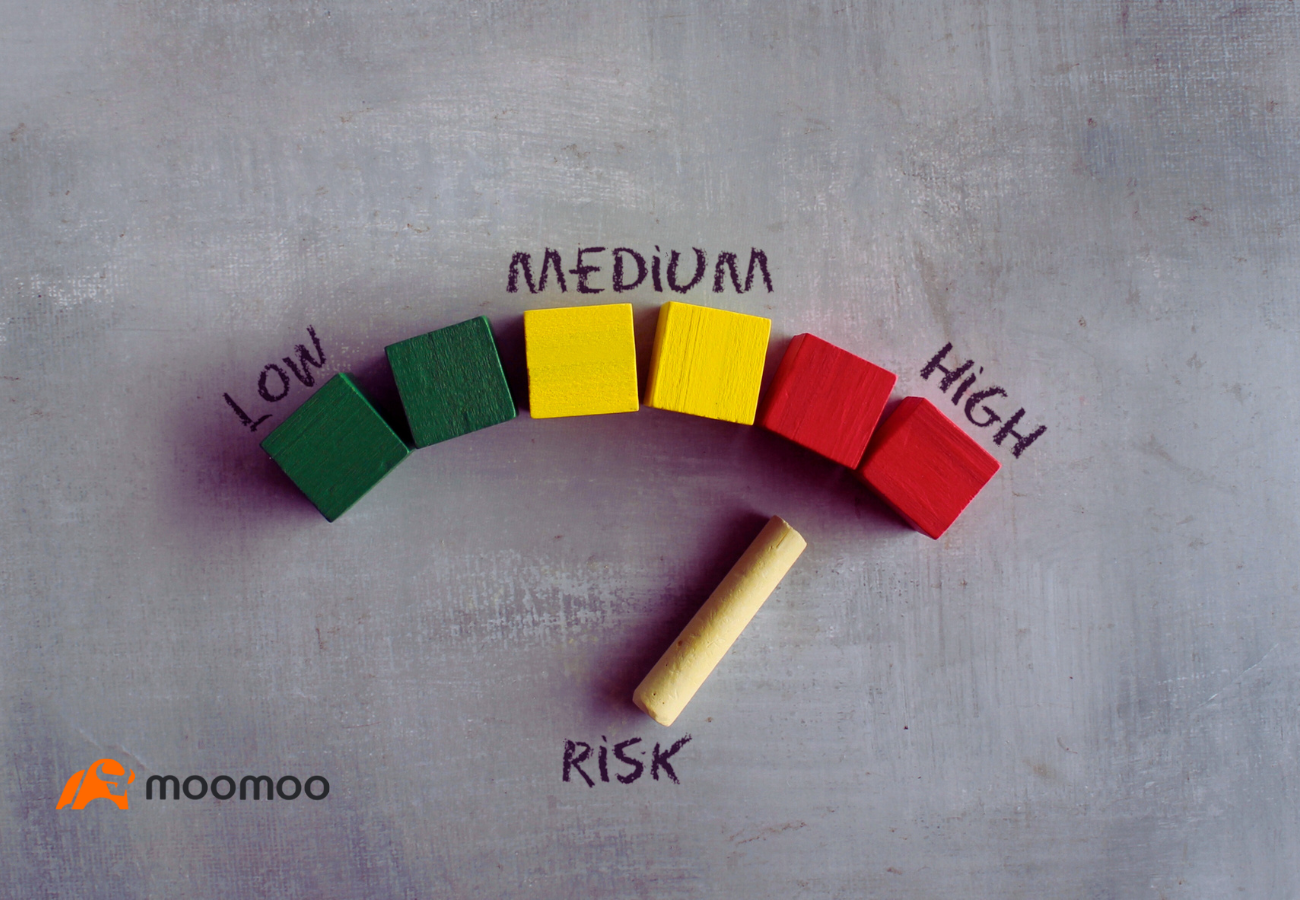
Risk management is crucial for any investor, especially in a dynamic market like Singapore’s, and having a solid risk management strategy is essential. Here are some top risk management strategies tailored for investors in Singapore.
Position Management
Position management is a crucial aspect of managing risks in investing and trading, involving allocating and adjusting your capital across different assets. Good position management can help you control risks, maximize returns, and ensure the stability of your investment portfolio. First, you need to clarify your investment goals and the level of risk you are willing to accept, set a reasonable target price for each trade, and close the position when the price reaches this point to limit potential losses. For each investment, only use a certain percentage (2% or 5%) of the account’s funds for a single trade to avoid a large loss due to a single misjudgment.
Diversified investment
Diversified investment can significantly help in reducing investment risks. In the stock market, you can opt for some high-dividend stocks for regular investment, buying at low points and holding for a long time to enjoy high stock dividends. Alternatively, you can purchase government bonds in the bond market, which are lower risk and offer stable returns. If you find buying bonds too troublesome and complex, you might consider bond funds, although they will charge a certain management fee.
Of course, if you are an experienced investor willing to take on higher risks for greater returns, you can choose leveraged products such as futures and options. However, be sure to carefully control the leverage ratio to avoid rapid fund loss due to market fluctuations. Proper leverage management and risk management are key to protecting your investment portfolio from the impact of extreme market changes. Diversified investment is one of the key risk management techniques that can help reduce investment risks.
Stop-Profit and Stop-Loss Settings
Setting clear stop-profit and stop-loss points can help investors lock in profits and limit potential losses by automatically selling once the stock price reaches these levels. This approach helps protect capital from being affected. Setting clear stop-profit and stop-loss points are effective risk response strategies to manage potential losses.
Stop-Loss Setting: Based on your risk tolerance, determine the maximum loss ratio you can accept. A common ratio is not exceeding 1%- 2% of the total account balance per trade. When setting the stop-loss, consider the asset's historical volatility. Assets with high volatility require a wider stop-loss range.
Stop-Profit Setting: Determine a reasonable profit target, such as a risk-reward ratio of at least 1:2 (i.e., for every 1 unit of loss, expect at least two units of profit)—partially close positions when part of the profit target is reached to reduce the risk of market reversals.
Hedging Strategy
Hedging strategies are a method to mitigate the risks in an investment portfolio by incorporating investments that are inversely or complementarily related to offset potential losses from market volatility. For example, if you hold a stock currently priced at $100 per share and you own 1,000 shares, the total value is $100,000. You would look for put options that correspond to the stock you hold. Suppose you purchase 10 put option contracts, each representing 100 shares of stock, with a strike price of $95, expiring in three months. If each option costs $2, you would pay $2,000 as the option premium. If the stock price falls to $90 before the option expires, you can exercise the option to sell the stock at $95, allowing you to sell at a higher price even if the market price is below $95. If the stock price remains stable or rises, the put option will lose value or become worthless. In this case, you can continue to hold the stock and only lose the option premium of $2,000. In some cases, risk acceptance may be a viable strategy when the cost of mitigation outweighs the potential loss.
How Moomoo SG Helps in Risk Management
Market Insights
Moomoo's platform is a versatile solution for investors looking to enhance their risk management capabilities. It provides real-time market updates and comprehensive macroeconomic analyses, offering users insights to predict and respond to economic trends. The platform goes further with in-depth analyses of various industries and companies, giving investors a clearer view of sector-specific dynamics and the financial health of individual corporations.
There also features insights from respected investors like Warren Buffett and Charlie Munger, offering guidance on value investing and long-term planning, which can aid in enhancing risk management practices.
In essence, Moomoo SG supplies a comprehensive toolkit for risk control, from immediate market reactions to long-term investment strategies. This wide array of resources is intended to help investors navigate the complexities of the stock market with confidence and resilience.
Trading Tools
Timely stop-loss and take-profit strategies are essential for investors aiming to manage risk in the volatile stock market effectively. The moomoo platform provides a suite of advanced trading tools designed to facilitate these critical risk management practices. In the following sections, we will delve deeper into these two trading tools, explaining how they work and how they can be leveraged to enhance your trading strategy. By understanding and utilizing these features, investors can streamline their risk management process, making their trading experience on the moomoo platform more efficient and secure.
Trailing Stop-Limit Order: This option allows users to set a trailing amount or percentage and a specified price gap. The system automatically adjusts the stop trigger price based on real-time market price changes. When the market price reaches the stop trigger price set by the user, the system automatically submits a buy or sell limit order to close the position.
Limit if touched order: When the market price reaches the user’s pre-set profit-taking trigger price, the system will automatically submit a buy or sell limit order. This type of order does not guarantee a specific execution price, and the actual transaction price may deviate from the profit-taking price. The difference from the stop-limit order is that the touch limit order (profit-taking) sell order is placed at a price higher than the current market price, while the stop-limit order sell order is placed at a price lower than the current market price.
In addition to these two types of orders, there are more options available for reference: Order Type
Conclusion

Investing in the Singapore stock market presents both growth opportunities and inherent risks. A balanced approach to risk management is essential for investors seeking to optimize their returns while mitigating potential downsides. This can be achieved through careful position sizing, strategic asset allocation, and selecting investment vehicles corresponding to individual risk thresholds. Stop-profit and stop-loss orders provide a structured framework for managing risk. At the same time, hedging techniques offer a means to diversify exposure and balance potential losses with gains. By integrating these practices, investors can cultivate a more objective and neutral stance towards market dynamics, thereby enhancing their ability to make informed decisions and maintain a steady accumulation of capital in the face of market volatility.
This presentation is for informational and educational use only and is not a recommendation or endorsement of any particular investment or investment strategy. Investment information provided in this content is general in nature, strictly for illustrative purposes, and may not be appropriate for all investors. Read more