Mutual Funds in Singapore
What are Mutual Funds?
Mutual funds are financial vehicles that pool together money from multiple investors and use that money to purchase a diversified portfolio of stocks, bonds, or other securities. They are a popular investment option in Singapore, offering investors the opportunity to gain exposure to a wide range of assets with a relatively small amount of capital.
One of the main advantages of investing in mutual funds is that they offer professional management of your investments. Rather than having to research and choose individual stocks or bonds, investors can rely on the expertise of professional fund managers to make investment decisions on their behalf. This can be particularly useful for those who do not have the time or knowledge to actively manage their own investments.
Types of Mutual Funds
There are various types of mutual funds available, each with its own specific investment focus and risk profile. Some common types of mutual funds include:
Equity Funds: Equity funds invest in stocks, with the goal of generating capital appreciation over the long term. They can be further sub-categorized based on the type of stocks they invest in, such as large cap, mid cap, or small cap, or based on the sectors or industries they focus on, such as technology or healthcare.
Bond Funds: Bond funds invest in fixed income securities, such as government bonds, corporate bonds, or municipal bonds. They can be used to generate income or to diversify a portfolio by adding a more stable asset class.
Balanced Funds: Balanced funds invest in a mix of stocks and bonds, with the goal of providing both growth and income. They can be a good option for investors looking for a moderate level of risk.
Money Market Funds: Money market funds invest in short-term, highly liquid debt securities, such as certificates of deposit and commercial paper. They are generally considered to be a low-risk investment option, with the goal of preserving capital and generating a small amount of income.
Specialized Funds: Specialized funds invest in specific sectors or industries, such as technology or healthcare, or in specific regions or countries. They can be more risky than more diversified funds, as they are more exposed to the performance of a specific sector or region.
Pros and Cons of Investing in Mutual Funds
Mutual funds can be a convenient and effective investment option for many investors, offering the opportunity to gain exposure to a diversified portfolio of stocks, bonds, or other securities with a relatively small amount of capital. However, like any investment, mutual funds also have their own set of pros and cons that investors should consider before making a decision.
Pros of investing in mutual funds:
Professional management: Mutual funds are managed by professional fund managers, who research and select the securities in the fund's portfolio. This can be particularly useful for investors who do not have the time or expertise to manage their own investments.
Diversification: Mutual funds offer investors the opportunity to diversify their portfolios by investing in a mix of stocks, bonds, or other securities. This can help to reduce risk and potentially enhance returns over the long term.
Convenience: Mutual funds are relatively easy to buy and sell, and they can be purchased through most brokerage firms or financial advisors.
Low minimum investment: Many mutual funds have low minimum investment requirements, making them accessible to investors with limited capital.
Cons of investing in mutual funds:
Fees: Most mutual funds charge annual management fees to cover the costs of managing the fund, as well as sales charges when you buy or sell shares in the fund. These fees can significantly impact your returns over time.
Risk: Mutual funds carry varying levels of risk depending on the types of securities they invest in. Some mutual funds may be more volatile than others, and there is always the risk that you could lose some or all of your investment.
Lack of control: As an investor in a mutual fund, you do not have direct control over the specific securities that are included in the fund's portfolio.
Potential for underperformance: While mutual funds are managed by professional fund managers, there is always the risk that the fund may underperform compared to other investment options.
Examples of Mutual Funds in Singapore
There are many mutual funds available in Singapore, offering a wide range of investment options to suit different investment objectives and risk tolerances. Some examples of mutual funds in Singapore include:
Aviva MM Capital Growth(0P00008T71.SI): This is an equity fund that has a larger portion of its portfolio allocated to equities, with significant positions in technology, finance, and consumer cyclical stocks.
LionGlobal Short Duration Bond Fund Class A (SGD) (Dist) (0P00006FYV.SI): This fund focuses on investing in bonds, with holdings diversified over both Singapore and international bonds, as well as high quality interest rate securities, business trusts, and REITs.
Nikko AM Singapore STI ETF(G3B.SI): This exchange-traded fund (ETF) tracks the performance of the Straits Times Index (STI), which consists of the 30 largest and most liquid companies listed on the Singapore Exchange.
Investing in Mutual Funds via moomoo
You can start investing in mutual funds through moomoo, which supports a wide variety of mutual funds on their platform. To begin, click on the 'Funds' tab at the bottom of the screen. After which, you will be able to select from a few categories of funds available, such as 'Equity Funds', 'Bond Funds', and 'Balanced Funds'. After selecting your desired category, you will be shown a list of mutual funds that belong to that category. You will then be able to look through the list and click on any mutual fund that you are interested in to find out more about that mutual fund.

Images provided are not current and any securities are shown for illustrative purposes only.
After clicking on a particular mutual fund, you will be able to see a summarised chart of its past performance. Upon scrolling down, you will be able to see the fund's historical returns and specific portfolio allocations as seen in the screenshots below. You can also navigate to the 'Analysis' tab to get an overview of the asset, portfolio, and region breakdown of the fund's assets. The information obtained can then help you to make a more informed investment decision. You can sign up and download the moomoo app to get the comprehensive information about the mutual fund.
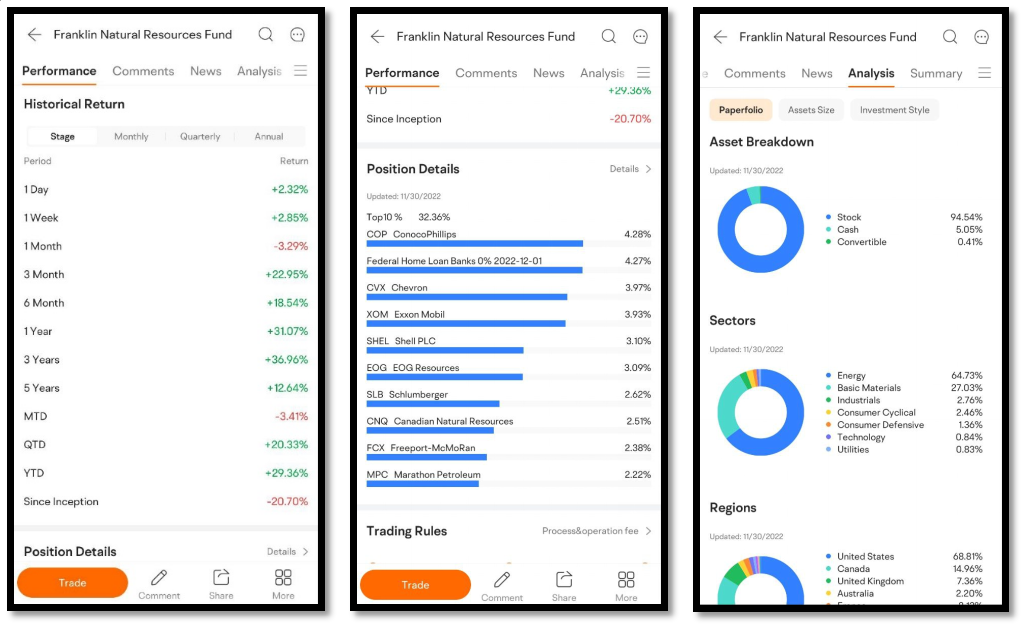
Images provided are not current and any securities are shown for illustrative purposes only.
This presentation is for informational and educational use only and is not a recommendation or endorsement of any particular investment or investment strategy. Investment information provided in this content is general in nature, strictly for illustrative purposes, and may not be appropriate for all investors. Read more
Recommend

How To Buy Bitcoin in Singapore 2025
Top 10 US Artificial Intelligence ETFs for Singapore Investors
Singapore Stock Sector List: Which to Invest?

Top 5 Health Technology Stocks in Singapore
Top 4 Technology Services Stocks in Singapore
Top 10 Industrial Services Stocks in Singapore
How to Buy Google Stock in Singapore: A Step-by-Step Guide
Top 7 Distribution Services Stocks in Singapore
Best Gold ETFs to Invest in Singapore 2026
Top 6 Health Services Companies and Stocks in Singapore
How to Buy Nvidia Stock in Singapore 2026
What is the S&P 500 Index and how to Invest in Singapore
How to Buy Hong Kong Stock in Singapore
8 Benefits of Trading Crypto with Moomoo
Top 7 Bitcoin Cash Trading Strategies in Singapore
How to Buy China Stocks in Singapore
Top 8 Tips for Using Paper Trading for Singapore Investors
8 Benefits of Using Paper Trading Apps for Singapore Traders
Top 6 Ethereum Trading Strategies in Singapore
Risk Management Strategies in Crypto Trading Singapore
HK Financial Stocks Make a Strong Comeback Amid PBOC Policies & Fed Rate Cuts: Are High-Dividend Inv
Top China Stocks for Singapore Investors to Consider
How to Choose the Right Crypto Trading Platforms for Singapore Investors in 2024
Cryptocurrency Investment in Singapore: Strategies and Insights
How Much Room is There for Valuation Recovery in China-Linked Stocks?
Top 6 Consumer Durables Companies and Stocks in Singapore
SK Hynix ADR: How to Trade in Singapore (2026 Guide)
How to Buy SIA Shares in Singapore
How to Buy OCBC Shares in Singapore
How to Buy the STI ETF in Singapore
How to Buy UOB Shares in Singapore
How to Buy Singapore Airlines Stock in Singapore?
Best Singapore Stock Screener for Stock Picks
DBS Earnings Preview 2025: Top Singapore Stock Opportunities
China-Linked Stocks Surge Amid Strong Policy Stimulus: Wall Street Says, “This Time Is Different!”
How to Buy DBS Stock in Singapore: A Step-by-Step Guide
Top 10 Consumer Services Companies and Stocks in Singapore
US-Listed Chinese Stocks Surge on Policy Boost: Who is Leading the Charge?
4 Effective Risk Management Strategies for the Singapore Stock Market
How to Buy Crypto in Singapore 2026
How to Implement Dollar Cost Averaging with ETFs in Singapore
Top 4 Utilities Companies and Stocks in Singapore
Top 10 Electronic Technology Companies and Stocks in Singapore
Top 7 Transportation Companies and Stocks in Singapore
Top 10 Manufacturing Companies and Stocks in Singapore
Top 10 Retail Trade Companies and Stocks in Singapore
Top 10 FMCG Companies and Stocks in Singapore
Top 8 Factors to Consider When Choosing a Stock Broker in Singapore
8 Costly Crypto Trading Mistakes to Avoid in Crypto Trading
Top 5 Communications Companies and Stocks in Singapore
How to Invest Nikkei 225 and TOPIX Indexes on Moomoo
What Is Social Trading
What Is Copy Trading
How Stock Charting Tools Can Help You
Company Earnings and Earnings per Share What Investors Need to Know
What Is Mirror Trading?
What is Thematic Investing?
How to Use Paper Trading to Test and Help Refine Your Trading Strategy?
6 ETF Concerns That Investors Shouldn’t Overlook
What Is Revenue?
What Is SWOT Analysis?
Choosing a Stock Simulator to Practice Stock Trading
How to Practice Trading Without Risking Money?
What Is Working Capital?
Mutual Funds in Singapore
Hedge Funds in Singapore
Forex Trading in Singapore
Index Funds in Singapore
What Does It Mean to Have a Certificate of Deposit (CD)?
Psychological Condition of the Market
What Is the National Best Bid and Offer (NBBO) in US Equities?
Using Volume Oscillators to Confirm Price Movements
What Is A Recession?
How to Analyse Short Sale Volume in Trading
What Is the Money Flow Index (MFI)?
What Is a Day Order?
On-Balance Volume (OBV): What Is It?
What Is Beta in the Stock Market?
Swing Trading vs. Day Trading: What's the Difference?
What Is Historical Volatility (HV)?
Spot Market: What Is It?
What Is the Spot Rate?
What Is a Trailing Stop and How to Use It?
Scalping Stock Trading: How Does It Work?
What Are Market Orders?
Price-to-Earnings (P/E) Ratio
What Is a Bellwether?
What Is a Volatility Smile?
What Is Trend Analysis?
What Is Market Depth?
Will ESG Investing Be The Future Of Investing?
U.S. Market Opening Time in Singapore and Other Basic Information
Trading Stocks Short: Overview
Level 2 Market Data: How Advanced Traders Can Identify Value
TOP 10 Day Trading Strategies for Beginners
Is Swing Trading More Profitable than Long-Term Trading?
What Is Barbell Strategy?
What is short selling?
How to Invest in the Hong Kong Stock Exchange - What Investors Should Know
How to Find A Stock's Number of Shorted Shares?
What Is Short Interest?
What is Maintenance Margin?
What is Buying on Margin?
Trading as a Side Hustle: How to get started
What is Short Covering?
Trade In A Bear Market With Short Sales
How To Buy Bitcoin in Singapore 2025
Top 10 US Artificial Intelligence ETFs for Singapore Investors
Singapore Stock Sector List: Which to Invest?
Top 5 Health Technology Stocks in Singapore
Top 4 Technology Services Stocks in Singapore
Top 10 Industrial Services Stocks in Singapore
How to Buy Google Stock in Singapore: A Step-by-Step Guide
Top 7 Distribution Services Stocks in Singapore
Best Gold ETFs to Invest in Singapore 2026
Top 6 Health Services Companies and Stocks in Singapore
How to Buy Nvidia Stock in Singapore 2026
What is the S&P 500 Index and how to Invest in Singapore
How to Buy Hong Kong Stock in Singapore
8 Benefits of Trading Crypto with Moomoo
Top 7 Bitcoin Cash Trading Strategies in Singapore
How to Buy China Stocks in Singapore
Top 8 Tips for Using Paper Trading for Singapore Investors
8 Benefits of Using Paper Trading Apps for Singapore Traders
Top 6 Ethereum Trading Strategies in Singapore
Risk Management Strategies in Crypto Trading Singapore
HK Financial Stocks Make a Strong Comeback Amid PBOC Policies & Fed Rate Cuts: Are High-Dividend Inv
Top China Stocks for Singapore Investors to Consider
How to Choose the Right Crypto Trading Platforms for Singapore Investors in 2024
Cryptocurrency Investment in Singapore: Strategies and Insights
How Much Room is There for Valuation Recovery in China-Linked Stocks?
Top 6 Consumer Durables Companies and Stocks in Singapore
SK Hynix ADR: How to Trade in Singapore (2026 Guide)
How to Buy SIA Shares in Singapore
How to Buy OCBC Shares in Singapore
How to Buy the STI ETF in Singapore
How to Buy UOB Shares in Singapore
How to Buy Singapore Airlines Stock in Singapore?
Best Singapore Stock Screener for Stock Picks
DBS Earnings Preview 2025: Top Singapore Stock Opportunities
China-Linked Stocks Surge Amid Strong Policy Stimulus: Wall Street Says, “This Time Is Different!”
How to Buy DBS Stock in Singapore: A Step-by-Step Guide
Top 10 Consumer Services Companies and Stocks in Singapore
US-Listed Chinese Stocks Surge on Policy Boost: Who is Leading the Charge?
4 Effective Risk Management Strategies for the Singapore Stock Market
How to Buy Crypto in Singapore 2026
How to Implement Dollar Cost Averaging with ETFs in Singapore
Top 4 Utilities Companies and Stocks in Singapore
Top 10 Electronic Technology Companies and Stocks in Singapore
Top 7 Transportation Companies and Stocks in Singapore
Top 10 Manufacturing Companies and Stocks in Singapore
Top 10 Retail Trade Companies and Stocks in Singapore
Top 10 FMCG Companies and Stocks in Singapore
Top 8 Factors to Consider When Choosing a Stock Broker in Singapore
8 Costly Crypto Trading Mistakes to Avoid in Crypto Trading
Top 5 Communications Companies and Stocks in Singapore
How to Invest Nikkei 225 and TOPIX Indexes on Moomoo
What Is Social Trading
What Is Copy Trading
How Stock Charting Tools Can Help You
Company Earnings and Earnings per Share What Investors Need to Know
What Is Mirror Trading?
What is Thematic Investing?
How to Use Paper Trading to Test and Help Refine Your Trading Strategy?
6 ETF Concerns That Investors Shouldn’t Overlook
What Is Revenue?
What Is SWOT Analysis?
Choosing a Stock Simulator to Practice Stock Trading
How to Practice Trading Without Risking Money?
What Is Working Capital?
Mutual Funds in Singapore
Hedge Funds in Singapore
Forex Trading in Singapore
Index Funds in Singapore
What Does It Mean to Have a Certificate of Deposit (CD)?
Psychological Condition of the Market
What Is the National Best Bid and Offer (NBBO) in US Equities?
Using Volume Oscillators to Confirm Price Movements
What Is A Recession?
How to Analyse Short Sale Volume in Trading
What Is the Money Flow Index (MFI)?
What Is a Day Order?
On-Balance Volume (OBV): What Is It?
What Is Beta in the Stock Market?
Swing Trading vs. Day Trading: What's the Difference?
What Is Historical Volatility (HV)?
Spot Market: What Is It?
What Is the Spot Rate?
What Is a Trailing Stop and How to Use It?
Scalping Stock Trading: How Does It Work?
What Are Market Orders?
Price-to-Earnings (P/E) Ratio
What Is a Bellwether?
What Is a Volatility Smile?
What Is Trend Analysis?
What Is Market Depth?
Will ESG Investing Be The Future Of Investing?
U.S. Market Opening Time in Singapore and Other Basic Information
Trading Stocks Short: Overview
Level 2 Market Data: How Advanced Traders Can Identify Value
TOP 10 Day Trading Strategies for Beginners
Is Swing Trading More Profitable than Long-Term Trading?
What Is Barbell Strategy?
What is short selling?
How to Invest in the Hong Kong Stock Exchange - What Investors Should Know
How to Find A Stock's Number of Shorted Shares?
What Is Short Interest?
What is Maintenance Margin?
What is Buying on Margin?
Trading as a Side Hustle: How to get started
What is Short Covering?
Trade In A Bear Market With Short Sales