Learning from Warren Buffett: Practical Tips
Renowned as a shrewd businessman and a benevolent philanthropist, Warren Buffett stands among the wealthiest individuals globally, regularly securing a top spot on the Forbes billionaires list. As of 2 May 2025, his net worth was estimated at just over $167.7 billion. (Source: Forbes) As the 2025 Berkshire Shareholder Meeting approaches, marking new chapters in his legacy, we explore how Buffett’s wisdom remains a compass for navigating today’s volatile markets.
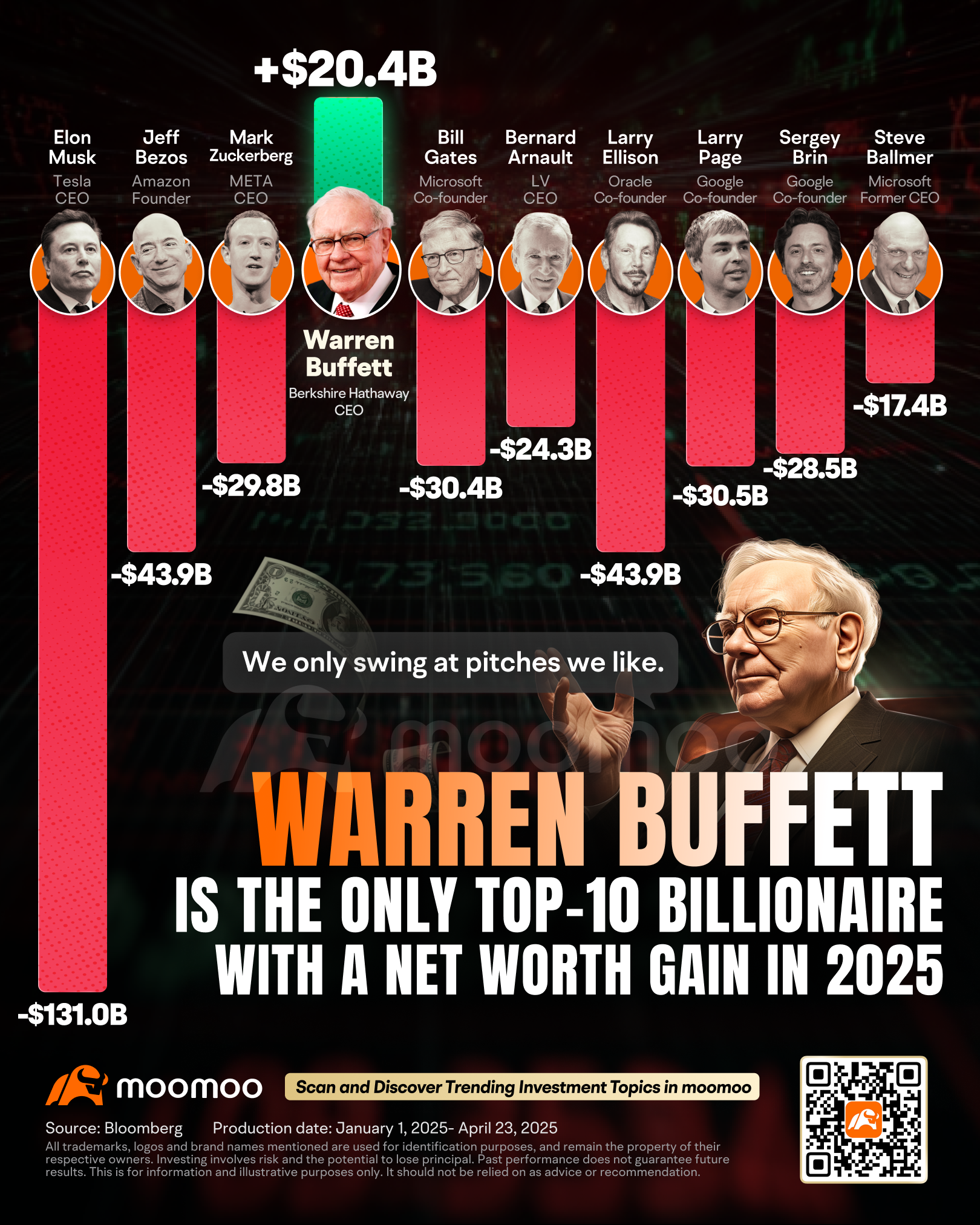
The Early Years: Warren Buffett's Career Timeline
Born in Omaha in 1930, Warren Buffett showed a keen interest in business and investing, particularly the stock market, from a young age. He initially studied at the Wharton School of the University of Pennsylvania, then transferred to the University of Nebraska, where he obtained an undergraduate degree in business administration. Subsequently, he attended Columbia Business School and earned a graduate degree in economics.
In the early 1950s, Warren Buffett started his career as an investment salesperson.
In 1956, Warren Buffett established Buffett Associates.
By 1965, within less than a decade, Warren Buffett had taken control of Berkshire Hathaway.
In June 2006, Warren Buffett declared his intention to donate his entire fortune to charity.
In 2010, Warren Buffett and Bill Gates launched the Giving Pledge campaign, aiming to inspire other affluent individuals to engage in philanthropy. (Source: Investopedia)
Introduction to Warren Buffett
Warren Buffett is one of the most successful investors in the world, with a net worth of over $159.7 billion as of May 2025. As the head of Berkshire Hathaway, a renowned multinational conglomerate holding company, he serves in dual roles as both chairman and CEO. Warren Buffett’s career spans over six decades, during which he has made numerous smart investment decisions, resulting in significant returns for his company and shareholders. His investment philosophy is based on value investing, which involves buying undervalued companies and holding them for the long term. This approach has earned him the nickname “Oracle” or “Sage” of Omaha, and he is widely regarded as one of the most successful investors in history.
Buffett & Berkshire: A Powerhouse Partnership
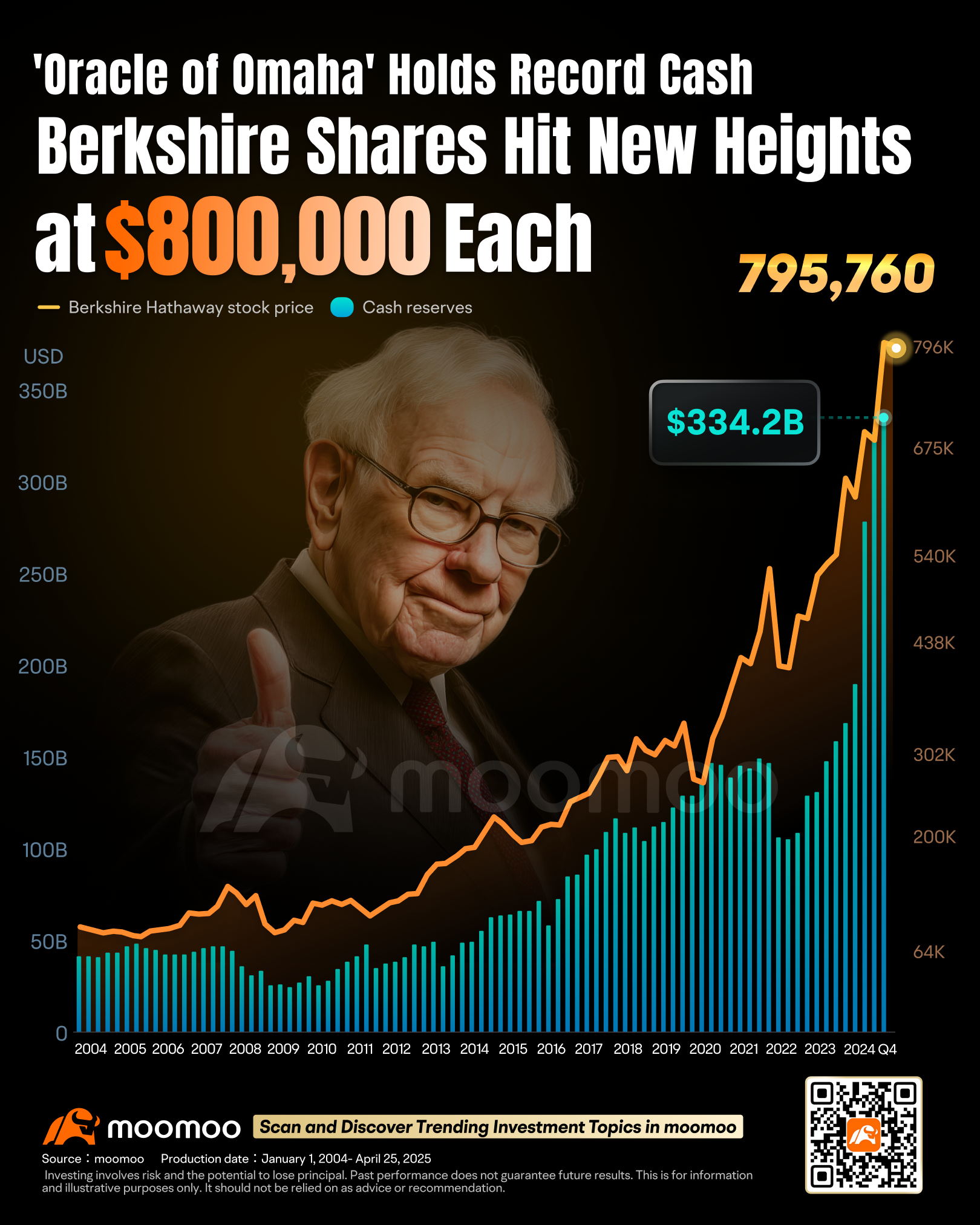
Warren Buffett turned Berkshire Hathaway from a failing textile firm into a global conglomerate after taking control in 1965. Using value investing, he diversified his portfolio across multiple sectors. His patient, long-term approach led to successful investments in companies like Coca-Cola and Apple.
Despite his immense success, Warren Buffett still lives in the same home he bought decades ago and remains actively involved as the chairman and CEO of Berkshire Hathaway.
Berkshire’s holding-company structure enabled seamless business integration, while its annual shareholder meetings became a major event. Together, Buffett and Berkshire Hathaway revolutionized value investing and shaped the financial world.
The Berkshire Hathaway Annual Shareholder Meeting is an eagerly awaited annual event for investors globally. It holds a paramount position in the investment community’s calendar. This year, it’s scheduled to occur on 3rd May 2025 in Omaha, Nebraska, the hometown of Warren Buffett.
The Berkshire meeting is a major gathering where investors from around the globe converge to gain insights into Buffett’s investment wisdom and Berkshire Hathaway’s strategies. Just like the Spring Festival Gala is a centerpiece event for Chinese New Year celebrations, bringing families together and being a cultural highlight, the Berkshire Hathaway Meeting is a focal point for investors.
Core Investment Philosophy of Warren Buffett
Warren Buffett adheres to the Benjamin Graham-influenced school of value investing. Value investors seek securities whose prices are disproportionately low relative to their inherent value. While there is no single, definitive way to calculate intrinsic value, it is commonly estimated through an in-depth analysis of a company's financial and operational fundamentals. These investors search for stocks that the market has undervalued or that have yet to catch the attention of most other investors.
Buffett elevates the practice of value investing. Many value investors reject the efficient market hypothesis (EMH), which posits that stocks always trade at their accurate, fair values. This theory implies that it is difficult for investors to find undervalued stocks to buy or to sell stocks at inflated prices. However, value investors, including Buffett, firmly believe that over time, the market will come to recognize and appreciate the true worth of high-quality, previously undervalued stocks.
Note: Warren Buffett has repeatedly emphasized that self-investment is crucial for achieving success. This involves making wise financial decisions and constantly expanding your knowledge in your chosen field.
Buffett pays little heed to the complex dynamics of supply and demand in the stock market. In fact, he isn't overly preoccupied with market activities in general. This sentiment is captured in his famous adaptation of a Benjamin Graham quote: "The market acts like a voting machine in the short term, but a weighing machine in the long term."
He assesses each company holistically, selecting stocks based solely on their overall business potential. Buffett's long-term investment strategy isn't centered around capital appreciation. Instead, he aims to acquire stakes in high-quality companies with a proven ability to generate substantial earnings.
When investing, Buffett doesn't worry about whether the market will eventually acknowledge a company's value. His focus is on the company's capacity to thrive and generate profits as a business entity.
Six Investment Methodologies from Warren Buffett
Warren Buffett uncovers undervalued stocks by posing key questions that assess the relationship between a company's quality and its stock price. While these questions are central, they merely scratch the surface of his comprehensive six-step investment methodology.
Company Performance
Return on Equity (ROE), a measure of shareholders' return on investment, reveals how effectively a company generates income for its shareholders. Warren Buffett compares a company's ROE to industry peers to gauge its consistent performance. Calculated as (Net Income ÷ Shareholders’ Equity) x 100, ROE analysis should span five to ten years to capture historical trends. A single year's ROE is insufficient for a full assessment.
Company Debt
Buffett closely examines the Debt-to-Equity (D/E) ratio, preferring companies that grow earnings through shareholder equity rather than excessive borrowing. The D/E ratio, calculated as Total Liabilities ÷ Shareholders' Equity, shows the balance between debt and equity financing. A high ratio may signal volatile earnings and heavy interest burdens, though industry norms vary. Some investors use long-term debt instead of total liabilities for a stricter evaluation.
In Moomoo Malaysia, key metrics like D/E ratio and ROE are at your fingertips.
Sign up today, unlock your welcome rewards!
Sign up today, unlock your welcome rewards!
Profit Margins
A company's profitability hinges on both a healthy profit margin and its consistent growth. Determined by dividing net income by net sales, profit margin analysis should cover at least five years. A high margin indicates operational efficiency, while rising margins suggest effective cost management.
Company Longevity and Public Status
Buffett typically focuses on companies with at least a decade-long track record, often excluding recent IPOs, especially in the tech sector, as he invests only in businesses he fully understands. Public companies offer the advantage of SEC-mandated financial filings, providing valuable data for performance analysis. However, while historical performance offers insights, it doesn't guarantee future success.
Commodity Reliance
Buffett avoids companies with undifferentiated products or heavy commodity dependence, such as those in the oil and gas sectors. He seeks companies with a "protective moat"—unique, hard-to-replicate characteristics that grant a competitive edge. The wider the moat, the more difficult it is for competitors to gain market share.
Valuation
Identifying companies that meet the first five criteria is just the start; determining their undervaluation is the crux of value investing. Investors must calculate a company's intrinsic value by analyzing fundamentals like earnings, revenues, and assets. This value often exceeds the liquidation value, which ignores intangibles like brand equity. Buffett compares a company's intrinsic value to its market capitalization to find undervalued opportunities.
While we can outline Buffett's investment criteria and attempt to replicate his strategies, his unparalleled ability to accurately assess intrinsic value is the key to his success. It's a skill that remains challenging to replicate, highlighting the complexity of value investing.
Top Investment Tips from Warren Buffett
Over the years, Warren Buffett has imparted his investment wisdom through several remarkable and insightful tips:
Bide Your Time, Then Seize the Opportunity
Buffett recommends a measured approach when eyeing a potential investment. Instead of rushing in, he urges investors to exercise patience and allow the stock's price to reach a reasonable valuation. Once the market corrects, that's the moment to make your move. This strategy emphasizes the importance of waiting for the right conditions rather than succumbing to impulsive decisions.
>> 24-hour US stock trading is here in Moomoo Malaysia! New members, don't miss out on the epic welcome rewards! Click here to open an account!
Stick to Your Strategy
After patiently waiting for the opportune time to invest, it's crucial not to lose your nerve. When your stocks face setbacks, as they inevitably will, at some point, Buffett advises against panic-selling. In fact, his stance is the opposite: view these downturns as buying opportunities. As he stated in a CNBC interview, "Just keep buying. American business is going to do fine over time, so you know the investment universe is going to do very well." This tip underscores the value of long-term commitment and a steadfast belief in the strength of the market.
Focus on Business, Not Just the Stock Ticker
Buffett's investment philosophy emphasizes looking beyond the surface of a stock. It's essential to thoroughly evaluate and analyze the underlying business. He suggests concentrating on industries and companies that you comprehend and have some familiarity with. This way, you can better anticipate a company's future trajectory, rather than merely focusing on its past performance and current position. By understanding the business fundamentals, investors can make more informed and strategic investment decisions.
Warren Buffett's 2025 Portfolio: Key Holdings
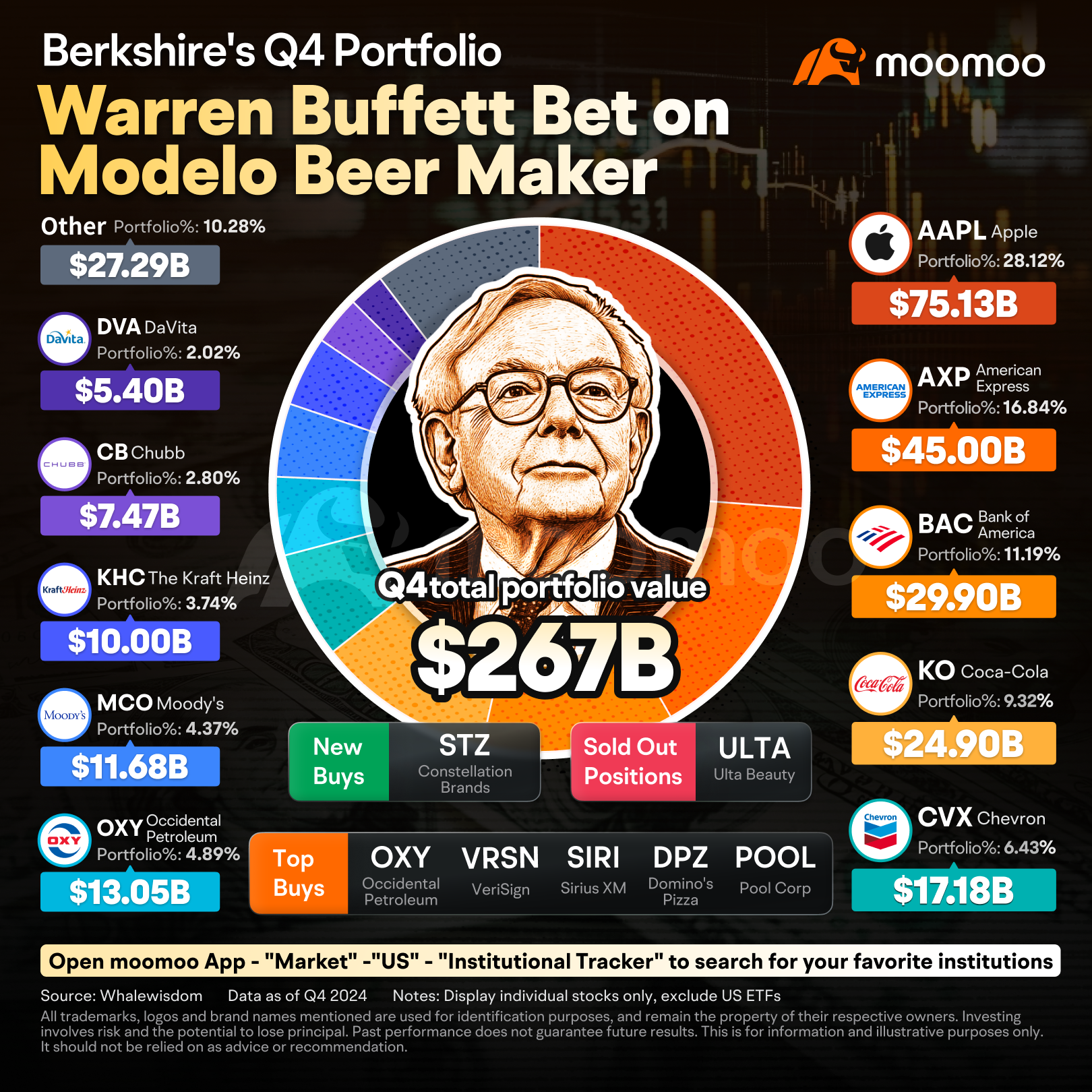
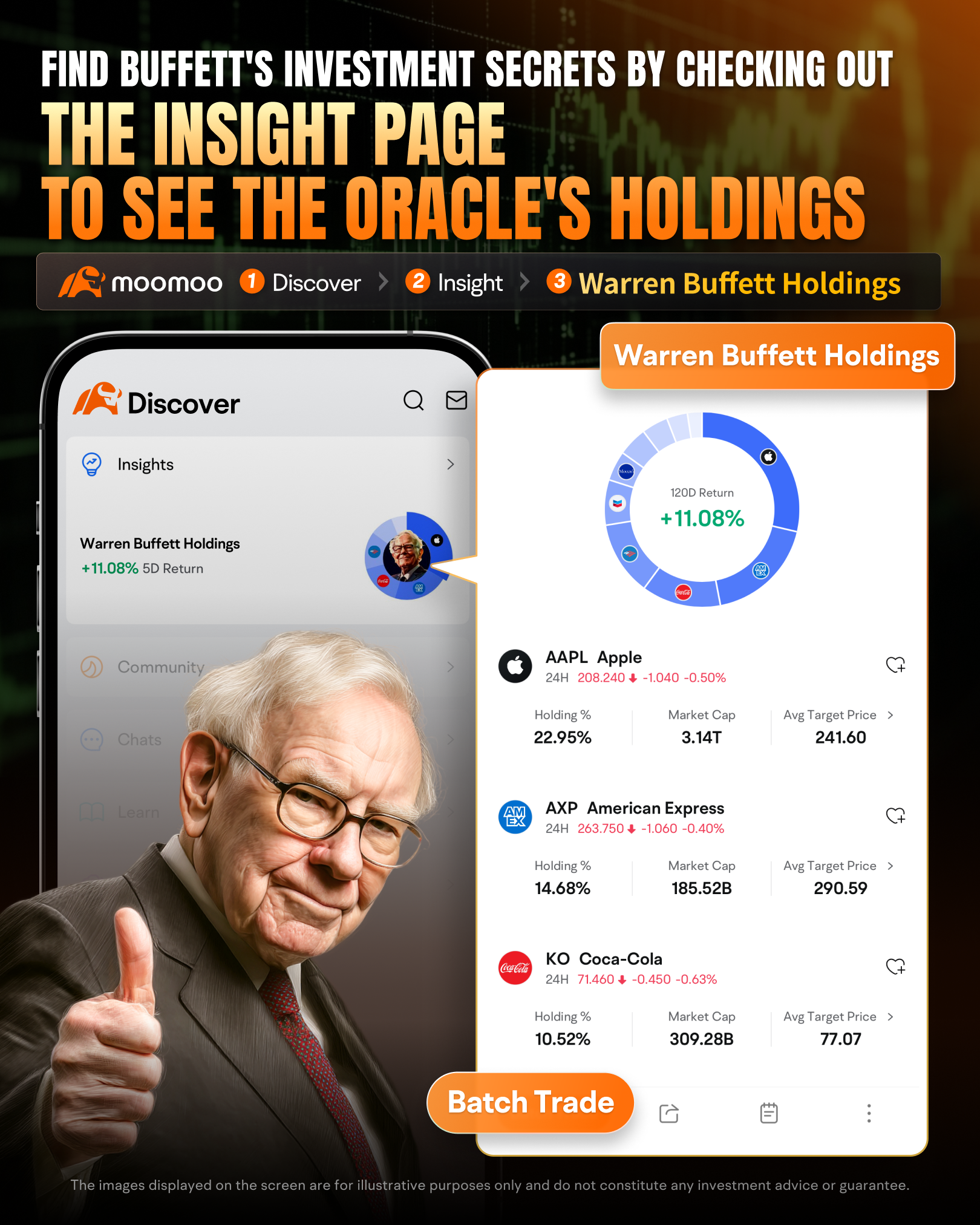
By examining regulatory filings from Warren Buffett's publicly traded holding company, Berkshire Hathaway (BRK.A), investors can gain insights into the stocks he deems worthy investments. As of May 2, some of his notable holdings included:
Read Also: How to Buy Apple Stock in Malaysia
Why pay extra? >> Moomoo offers commission-free trading on US stocks!
For detailed information about our commission-free offering, simply click to visit the pricing page.
For detailed information about our commission-free offering, simply click to visit the pricing page.

In addition to these publicly-listed stocks, Warren Buffett holds significant stakes in private enterprises. Prominent examples are the Burlington Northern Santa Fe (BNSF) Railroad and GEICO Insurance, both of which play integral roles in Berkshire Hathaway's diversified portfolio.
In the Moomoo app, navigate to "Discover" > "Insight" > "Warren Buffett Holdings" to see the oracle's holdings.
Read More: How to Buy US Stocks in Malaysia
2025 Berkshire Shareholder Meeting: Top 10 Highlights
After this year's shareholder meeting, Warren Buffett made a surprising announcement. Warren Buffett declared that he would step down as CEO of Berkshire Hathaway by the end of the year. He intends to recommend Greg Abel, the company's Vice Chairman and previously announced successor, to assume the role of CEO at year-end. Here are 10 highlights of Berkshire's shareholders meeting in 2025:
1. Succession Plan Unveiled
Warren Buffett announced that the time has come for Greg Abel to take the helm. He intends to propose to the board that Greg Abel succeed him as the chief by the end of the year, marking a significant transition in Berkshire Hathaway's leadership.
2. Resilient Stance on Berkshire's Value
Buffett stated that if Berkshire's value were to plummet by 50% next week, he would view it as a golden opportunity rather than a cause for concern. His focus remains firmly on the long-term growth of Berkshire's earnings, demonstrating his unwavering confidence in the company's fundamentals.
3. Trade Philosophy
Warren Buffett emphasized that "Trade should not be a weapon." He advocated for engaging in trade with the global community, where each party can capitalize on their strengths, promoting a more harmonious and productive international trade environment.
4. Cash Deployment Readiness
Despite nearly spending $10 billion recently, Buffett affirmed that Berkshire is prepared to invest up to $100 billion when the right opportunities present themselves. He noted that making such investment decisions is straightforward when favorable prospects arise.
5. Perspective on Market Volatility
Buffett regarded market volatility as an inherent part of investing. He downplayed recent market fluctuations over the past 30-45 days, suggesting that they are insignificant in the grand scheme of long-term investing.
Enjoy commission-free trading of US stocks 24 hours a day and access live quotes with Moomoo Malaysia! Click here to open an account!
6. Strategic Timing Insights
Buffett attributed Berkshire's success in making substantial profits to their willingness to act swiftly when opportunities arise. At the same time, he stressed the importance of patience in waiting for the right investment opportunities.
7. Concerns over Fiscal Deficits
Buffett warned that the current fiscal deficit is unsustainable in the long run. Although the exact timeline remains uncertain, he emphasized the need for proactive measures to address this critical issue.
8. Bullish on American Resilience
Despite doubts about U.S. leadership in the global economic arena, Buffett expressed optimism about America's resilience. He described being born in the U.S. as "the luckiest day of my life," highlighting his confidence in the nation's economic potential.
9. Cautious View on AI
Buffett acknowledged that Artificial Intelligence (AI) is a transformative force that will revolutionize the way we conduct business. However, he adopted a cautious approach, preferring to observe the development of AI technologies rather than making hasty investment decisions.
10. Valuable Advice for Young People
Buffett imparted wisdom to the younger generation, stressing the importance of the company one keeps. He also cautioned against the expectation of making flawless decisions, offering practical guidance for personal and professional growth.
Read More: Top 7 Sectors in the US Stock Market for Malaysian Investors
FAQs on Warren Buffett's Investment Strategies
What Investment Strategy Does Warren Buffett Employ?
Warren Buffett's investment prowess lies in his meticulous analysis of companies. By delving deep into their fundamentals, he makes well-informed investment decisions. This approach has enabled him to build stakes in some of the world's most successful enterprises, including Bank of America, Apple, American Express, and Coca-Cola. His strategy focuses on identifying undervalued companies with strong long-term growth potential and holding onto those investments for the long haul.
What Is Warren Buffett's 90/10 Rule?
Buffett proposed a portfolio allocation strategy for the trustee of his wife's trust account. He suggested that 90% of the trust's assets should be invested in a low-cost S&P 500 index fund. This allows for broad exposure to the U.S. stock market, capturing the overall growth of large-cap American companies. The remaining 10% was earmarked for short-term government bonds, providing stability and liquidity to the portfolio.
What Is Warren Buffett's 70/30 Rule?
While the 70/30 rule, which advocates for a portfolio composition of 70% stocks and 30% bonds, isn't typically exclusive to Buffett, he did reference a related concept in 1957. At that time, he informed his limited partnership partners that the company's investments consisted of a 70/30 mix between general stock issues and "workouts" – investments that hinge on specific corporate actions for profit. This shows that he has considered different asset-allocation models depending on the investment environment and goals.
What Is Warren Buffett's Most Fundamental Investing Rule?
Buffett's cardinal rule of investing is simple yet profound: never lose money. This principle underscores the importance of thorough research, staying informed about market trends and company-specific developments, and maintaining emotional discipline. By adhering to this rule, investors can minimize risks and make more rational investment choices, aiming for consistent long-term returns.
Read Also: Trading App Moomoo Malaysia: Download and Guide
Investing in US Stocks on Moomoo Malaysia

0 Commissions* on US Stocks
Moomoo Malaysia offers the alluring advantage of 0 commissions* on US stocks. This commission-free structure significantly reduces trading costs.
24-Hour Trading of US Stocks
With Moomoo Malaysia, you can trade US stocks around the clock. The US stock market has regular trading hours, but outside of these, there are pre-market and after-hours trading sessions. Moomoo enables you to access these extended hours and even trade during non-traditional times. This is particularly beneficial for Malaysian investors who may not be able to monitor the market during the US's regular trading hours due to time zone differences.
Free Lv2 Real-Time Quotes Refreshed Every 0.03 Seconds
Moomoo Malaysia provides free Lv2 real-time quotes that are refreshed every 0.03 seconds. These detailed quotes offer a deeper look into the market depth. You can see the bid and ask prices at multiple levels, not just the top-level prices. This helps you make more informed trading decisions.

Conclusion
Warren Buffett’s legacy transcends mere financial success; it is a testament to the enduring relevance of simplicity, integrity, and critical thinking in investing. His principles—whether valuing businesses like timeless assets or prioritizing management quality over short-term gains—offer a blueprint for both novice and seasoned investors.
As Berkshire Hathaway prepares to unveil pivotal insights at its 2025 Shareholder Meeting, the lessons from Buffett’s career remind us that true wealth is built not through speculation but through steadfast adherence to fundamental truths. In an era of rapid technological disruption and economic uncertainty, Buffett’s universe of strategies continues to illuminate the path toward sustainable growth, proving that the best investments are those rooted in clarity, discipline, and an unshakeable belief in the future.
This presentation is for informational and educational use only and is not a recommendation or endorsement of any particular investment or investment strategy. Investment information provided in this content is general in nature, strictly for illustrative purposes, and may not be appropriate for all investors. Read more