Top 6 Health Services Companies and Stocks in Singapore
Key Takeaways
Top 6 Health Services Companies and Stocks in Singapore
1. IHH Healthcare Bhd (Q0F)
2. Raffles Medical Group Ltd (BSL)
3. Thomson Medical Group Limited (A50)
4. TalkMed Group Ltd (5G3)
5. Q&M Dental Group Ltd (QC7)
6. ISEC Healthcare Ltd (40T)
>> Use Free Moomoo Investment Themes for Health Services Services Stocks after Account Opening!
Top 6 Health Services Companies and Stocks in Singapore
1. IHH Healthcare Bhd (Q0F)
2. Raffles Medical Group Ltd (BSL)
3. Thomson Medical Group Limited (A50)
4. TalkMed Group Ltd (5G3)
5. Q&M Dental Group Ltd (QC7)
6. ISEC Healthcare Ltd (40T)
>> Use Free Moomoo Investment Themes for Health Services Services Stocks after Account Opening!
In the ever-evolving landscape of the health services sector in the Singapore market, the country has established its position as a hub for medical excellence and innovation. Nowadays, the industry continues to thrive, harnessing the strengths of both local and international companies to drive market growth. Singaporean health service companies not only cater to local residents but also attract medical tourists from around the world due to their cutting-edge facilities, advanced technology, and experienced medical professionals. This article aims to delve into the intrinsic value and market performance of Singapore's health service stocks among stock sectors, analyzing their investment appeal in the current economic environment. Moving forward, we will gain insights into the unique aspects of these industry leaders and how they stand out in the fiercely competitive health industry.
Understanding Health Services Stocks in Singapore

Health services stocks refer to companies that operate within the healthcare sector, providing a variety of services such as medical care, hospital management, and other health-related services. These stocks can be categorized into several types based on the specific services they provide. Here are some common types of health services stocks:
Hospital Operators: These companies typically own and operate multiple hospitals and medical facilities, offering services such as acute care, rehabilitation, and mental health services.
Healthcare Service Providers: These entities provide a variety of medical services, including emergency hospitals, health centers, surgical hospitals, outpatient surgery centers, and radiation oncology centers.
Hospital Management Companies: These companies manage and operate hospitals and healthcare facilities. They may also offer additional services such as outpatient care and emergency services.
Home Healthcare Providers: Companies that provide in-home nursing care, physical therapy, and other medical services to patients in their homes.
Advantages of Investing in Health Services Stocks

Under the dual influence of globalization and an aging population, the health industry has become an indispensable part of the global economy. Singapore, as a highly developed economy, not only provides high-quality medical services to its citizens but has also become a focal point for investors. The following will delve into the investment advantages of Singapore's health service stocks, helping investors to better understand this field and make wise investment decisions.
Government Support
The Singaporean government plays a significant role in the healthcare system, managing and planning the entire medical system through agencies such as the Central Provident Fund Board, the Monetary Authority of Singapore, and the Ministry of Health. The government also supports the medical economy through the "S+3M" system, which includes government subsidies, Medisave accounts, MediShield Life, and ElderShield, ensuring that residents can afford medical expenses while encouraging individuals to take responsibility for their own health.
Aging Population and Increased Diseases
Singapore, like many other developed countries, is experiencing an aging population and a rise in chronic diseases such as diabetes and hypertension. As the population ages, healthcare spending increases, driving demand for healthcare services and products. This demographic trend creates a growing market for healthcare providers, making health services stocks more attractive to investors.
Professional Field Advantage
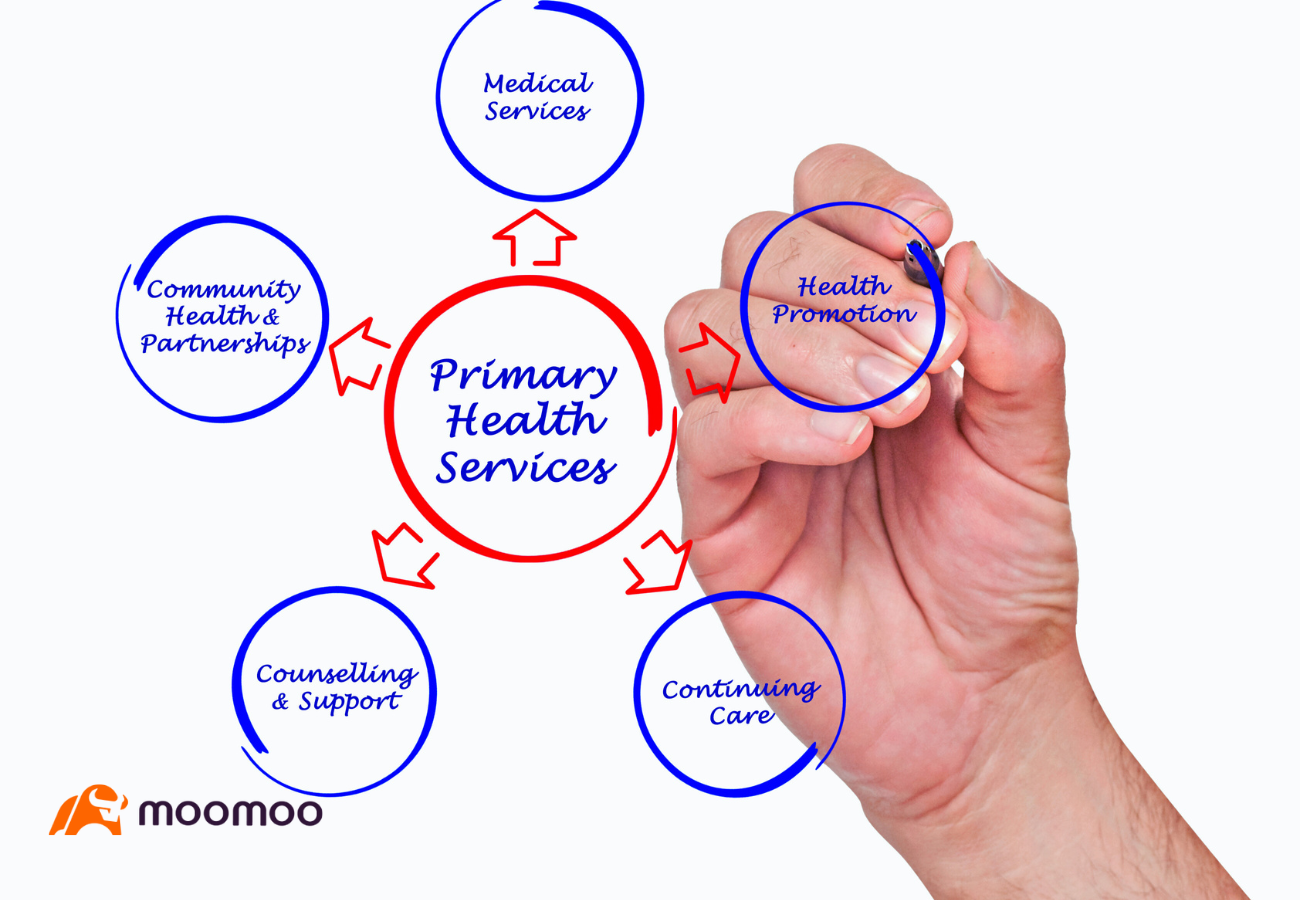
In specialized areas like ophthalmology and oral care, leading enterprises have established themselves with specialized services that meet specific needs. These companies often enjoy strong brand recognition and a loyal customer base, which translates into consistent growth and profitability.
Stability
Medical services are considered essential, and regardless of economic cycles, the demand for medical services remains relatively stable. This makes medical service stocks often seen as defensive stocks. Even during economic recessions, the medical service industry can usually maintain a certain level of revenue and profit.
Dividend Yields
Many singapore health service stocks offer dividend yields, making them appealing to investors looking for stable income streams. These Singapore dividend stocks can provide a regular source of income, especially important for long-term investors.
Diversification of Investment Portfolio
Healthcare service stocks can help diversify an investor's portfolio, reducing overall risk. The healthcare industry encompasses multiple sub-sectors, including hospital operators, healthcare service providers, and home health service providers, each offering unique investment opportunities and growth potential.
Risks of Investing in Health Services Stocks
In the rapidly advancing healthcare industry today, health service stocks have drawn the attention of many investors due to their potential for high returns. However, like any investment, investing in health service stocks is not without risks. Here are some of the main risks associated with investing in health service stocks, including policy risks, technological updates, market competition, and strategies for managing these risks.
Policy Risks
The healthcare industry is subject to strict government regulation. Changes in policy can affect a company's operating licenses, drug approval processes, and medical insurance reimbursement policies. For instance, the production and sale of drugs require the appropriate licenses and certifications, and any new regulations may increase corporate compliance costs or change market access conditions.
Technological Risks
The healthcare industry experiences rapid technological updates and replacements. The emergence of new technologies can quickly render old technologies and products obsolete. This requires companies to continuously invest in research and development to maintain a technological edge.
Competitive Risks
Competition within the healthcare service industry is fierce, especially with the continuous entry of new companies, making market competition even more intense. This could lead to price wars, which may affect a company's profit margins.
Legal Risks
The unique nature of the healthcare industry means that companies must comply with complex laws and regulations. Any non-compliant operations could lead to legal litigation or fines.
Operational Risks
The capabilities of the management team, strategic planning, and execution are crucial to a company's long-term success. Incorrect strategic decisions or poor execution could cause a company to lose its competitive edge.

Risk Management Strategies
To mitigate the risks associated with investing in health service companies, investors can adopt the following strategies:
Fundamental Analysis: Fundamental analysis is the process of conducting in-depth research on stocks, which includes evaluating a company's financial health, profitability, debt-paying ability, operational efficiency, cash flow, industry position, management quality, competitive advantages, risk factors, and valuation levels. It also involves monitoring industry trends, news announcements, and analyst reports to gain a comprehensive understanding of the company's long-term value and market performance.
Diversified Investment: Diversified investing involves allocating funds across different asset classes, industries, regions, and investment instruments to reduce risk and enhance the stability of the overall investment portfolio. It generally includes different types of investments such as stocks, bonds, cash equivalents, Real Estate Investment Trusts (REITs), and international markets. Additionally, it is important to regularly evaluate and adjust the investment portfolio to adapt to market changes and personal investment objectives.
Profit-Taking and Stop-Loss: First, investors need to set clear investment goals and risk tolerance levels. Then, based on these goals, they should establish reasonable take-profit points and stop-loss points. Typically, the take-profit point is set at the expected profit level, while the stop-loss point is set at the maximum acceptable level of loss to ensure that profits can be locked in or losses can be limited in a timely manner when the market fluctuates. At the same time, it is important to regularly review and adjust these points to adapt to market changes and personal investment strategies.
Top 6 Health Services Companies and Stocks in Singapore
We have selected six stocks based on the market capitalization of Singapore companies in the healthcare services sector as of August 29, 2024 for investors' reference with the help of stock screener on moomoo. Please note that market values can fluctuate with market volatility. Here are the details:
1. IHH Healthcare Berhad (Q0F)
IHH Healthcare Bhd is one of the world's largest private healthcare groups, primarily dedicated to providing high-quality medical services to patients. Its main business operations include hospital and healthcare services as well as Laboratories. According to the Q2 financial report for 2024, the company's revenue reached 6.093 billion MYR, with an operating profit of 942 million MYR. In 2023, the dividend per share was 0.105 MYR.
2. Raffles Medical Group Ltd (BSL)
Raffles Medical Group Ltd is a Singaporean healthcare services company whose main business includes hospital services, healthcare services, and insurance services. According to the financial report for 2023, the company's revenue reached 707 million SGD, with a profit of 109 million SGD. The dividend per share was 0.038 SGD, and the dividend yield reached 2.59%.
3. Thomson Medical Group Limited (A50)
Thomson Medical Group Limited is a Singaporean company specializing in providing healthcare services for women and children, with its main business including hospital services and specialized services. According to the financial report for 2024, the revenue reached $351,154,000, and the net profit was $19,492,000.
4. TalkMed Group Ltd (5G3)
TalkMed Group Ltd is a Singapore-based company that offers services in oncology treatment, stem cell transplantation, and palliative care. Its main business includes oncology services as well as products and services related to cell and gene therapies. Based on the financial report for 2023, the company's revenue reached 83.792 million SGD, and the net profit was 32.176 million SGD.
5. Q&M Dental Group Ltd (QC7)
Q&M Dental Group Ltd is a Singapore-based company that provides dental healthcare services, operating private dental clinics in multiple countries. Its main business includes primary healthcare and medical laboratories. According to the financial report for 2023, the company's revenue reached 183 million SGD, and the net profit was 11.517 million SGD.
6. ISEC Healthcare Ltd (40T)
ISEC Healthcare Ltd is a Singapore-based company that provides healthcare services, with its main business encompassing general medical services and specialized medical services. According to the financial report for the first half of 2024, the company's revenue reached 18.455 million SGD, and the net profit was 3.396 million SGD.
Conclusion
Singapore's health services industry presents an enticing investment opportunity for investors looking to enter a dynamic and growing sector. The government's support, the increasing demand for healthcare services due to an aging population, world-class medical facilities, and a robust research and innovation ecosystem all contribute to making Singapore's health services stocks attractive to investors. However, investors should also be aware of inherent risks such as regulatory changes, technological disruptions, and market competition, which can impact the performance of healthcare stocks. By conducting thorough due diligence, diversifying investments, staying informed about industry trends, and implementing effective risk management strategies, investors can successfully navigate these challenges. By carefully considering these factors, investors can benefit from the ongoing growth and development of Singapore's vibrant healthcare industry while managing potential adverse factors.
This presentation is for informational and educational use only and is not a recommendation or endorsement of any particular investment or investment strategy. Investment information provided in this content is general in nature, strictly for illustrative purposes, and may not be appropriate for all investors. Read more