Top 20 ETFs for Investment in Singapore 2026
Key Takeaways
Top 10 US-Listed ETFs for Singapore Investors
1. SPDR S&P 500 ETF Trust (SPY)
2. iShares Silver Trust (SLV)
3. Invesco QQQ Trust (QQQ)
4. SPDR Gold Shares (GLD)
5. ProShares Ultra Silver (AGQ)
6. iShares Russell 2000 ETF (IWM)
7. Vanguard S&P 500 ETF (VOO)
8. iShares Core S&P 500 ETF (IVV)
9. VanEck Gold Miners ETF (GDX)
10. iShares 20+ Year Treasury Bond ETF (TLT)
Top 10 SGX-Listed ETFs for Singapore Investors
1. SPDR Gold Shares USD (O87)
2. SPDR Gold Shares SGD (GSD)
3. Lion-Phillip S-REIT ETF (CLR)
4. SPDR Straits Times Index ETF (ES3)
5. Nikko AM-StraitsTrading Asia ex Japan REIT ETF (CFA)
6. iShares USD Asia High Yield Bond ETF (O9P)
7. Lion-OCBC Securities Hang Seng TECH ETF (HST)
8. Nikko AM Singapore STI ETF (G3B)
9. CSOP iEdge S-REIT Leaders ETF (SRT)
10. ABF Singapore Bond Index Fund (A35)
>> Explore ETFs in Singapore stock market with Moomoo SG after opening an account!
Top 10 US-Listed ETFs for Singapore Investors
1. SPDR S&P 500 ETF Trust (SPY)
2. iShares Silver Trust (SLV)
3. Invesco QQQ Trust (QQQ)
4. SPDR Gold Shares (GLD)
5. ProShares Ultra Silver (AGQ)
6. iShares Russell 2000 ETF (IWM)
7. Vanguard S&P 500 ETF (VOO)
8. iShares Core S&P 500 ETF (IVV)
9. VanEck Gold Miners ETF (GDX)
10. iShares 20+ Year Treasury Bond ETF (TLT)
Top 10 SGX-Listed ETFs for Singapore Investors
1. SPDR Gold Shares USD (O87)
2. SPDR Gold Shares SGD (GSD)
3. Lion-Phillip S-REIT ETF (CLR)
4. SPDR Straits Times Index ETF (ES3)
5. Nikko AM-StraitsTrading Asia ex Japan REIT ETF (CFA)
6. iShares USD Asia High Yield Bond ETF (O9P)
7. Lion-OCBC Securities Hang Seng TECH ETF (HST)
8. Nikko AM Singapore STI ETF (G3B)
9. CSOP iEdge S-REIT Leaders ETF (SRT)
10. ABF Singapore Bond Index Fund (A35)
>> Explore ETFs in Singapore stock market with Moomoo SG after opening an account!
What Are Exchange Traded Funds (ETFs)?
Exchange-Traded Funds (ETFs) in Singapore are a type of investment product that tracks the performance of various assets, such as stocks, bonds, commodities, or a mix of different investments, and are traded on the stock market. They are traded on stock exchanges and offer a convenient way to diversify a portfolio without the need to purchase individual securities. ETFs can be passively managed, aiming to replicate the performance of a specific index, or actively managed by portfolio managers who make decisions about how to allocate assets. They are popular for their flexibility, as they can be bought and sold throughout the trading day like stocks and are typically more cost-effective than traditional mutual funds due to lower expense ratios.
Why Consider ETFs for Investment in Singapore?
Diversification and Risk Management
ETFs offer an efficient way to achieve diversification across various investment portfolios, asset classes, sectors, and geographies. This instant diversification helps to spread risk and reduce the impact of any single underperforming asset on the overall portfolio. ETFs can include low risk assets such as government bonds and money market funds, which help in reducing the overall risk of the investment portfolio.
Cost-Effectiveness
One of the key advantages of ETFs is their cost-efficiency. With lower expense ratios compared to actively managed funds, ETFs ensure that investors retain more of their investment returns.
Liquidity and Flexibility
Listed on stock exchanges, ETFs can be bought and sold throughout the trading day, just like individual stocks. This liquidity and flexibility allow investors to quickly respond to market opportunities or changes.
Transparency and Simplicity
The holdings of ETFs are transparent, and their performance closely tracks the underlying index. This simplicity and transparency make ETFs an accessible investment for a wide range of investors.
Global Access and International Diversification

Singapore's ETF market provides access to international markets, allowing investors to diversify their investments globally without the need for direct international trading expertise.
Investors in Singapore seeking a straightforward, cost-effective, and flexible approach to investing, ETFs present a smart and strategic choice to navigate the dynamic world of finance.
Top 10 US-Listed ETFs for Singapore Investors [Jan. 2026 Update]
If you find the process overwhelming or want to get a head start, consider our list of the top 20 Singapore ETFs and US ETFs in 2026. These selections have received substantial attention from market investors this year and can help you narrow down your choices. Incorporating ETFs into your investment strategy can be a key component of effective wealth management, helping you achieve your financial goals.
US-Listed ETF Name | Category | Investment Focus |
|---|---|---|
SPDR S&P 500 ETF Trust (SPY) | Broad Market | Top 500 US large-cap companies. |
iShares Silver Trust (SLV) | Commodity | Spot price of silver bullion. |
Invesco QQQ Trust (QQQ) | Growth Equity | Top 100 non-financial Nasdaq companies. |
SPDR Gold Shares (GLD) | Commodity | Spot price of gold bullion. |
ProShares Ultra Silver (AGQ) | Leveraged Commodity | 2x Daily performance of silver bullion. |
iShares Russell 2000 ETF (IWM) | Small-Cap Equity | 2000 US small-cap companies. |
Vanguard S&P 500 ETF (VOO) | Broad Market | Low-cost S&P 500 exposure. |
iShares Core S&P 500 ETF (IVV) | Broad Market | Low-cost S&P 500 exposure. |
VanEck Gold Miners ETF (GDX) | Industry Equity | Global gold mining companies. |
iShares 20+ Yr Treasury Bond (TLT) | Fixed Income | Long-term US government debt (20+ yrs). |
*(Source: moomoo Most Active US ETFs List, as of January 27, 2026)
SPDR S&P 500 ETF Trust (SPY)
SPY is the oldest and most liquid exchange-traded fund in the world, tracking the S&P 500 Index. It offers exposure to 500 of the largest U.S. companies and is the primary vehicle for institutional and retail investors seeking to trade the broad U.S. market or hedge their portfolios.
iShares Silver Trust (SLV)
SLV tracks the spot price of silver bullion. Unlike gold, silver has significant industrial applications (especially in electronics and clean energy), making this ETF a popular choice for investors looking to capitalize on both precious metal hedging and industrial demand cycles.
Invesco QQQ Trust (QQQ)
QQQ tracks the Nasdaq-100 Index, which includes the 100 largest non-financial companies listed on the Nasdaq. Heavily weighted towards technology, communications, and consumer discretionary sectors, it is the benchmark standard for growth investors betting on U.S. innovation.
SPDR Gold Shares (GLD)
GLD is the leading ETF for tracking the spot price of gold bullion. It provides a cost-effective and liquid way for investors to own gold without holding physical bars, serving as a critical safe-haven asset against inflation, currency devaluation, and geopolitical instability.
ProShares Ultra Silver (AGQ)
AGQ offers 2x daily leveraged exposure to the price of silver bullion. It is designed for aggressive short-term traders who want to amplify their returns from silver price movements, accepting higher volatility and risk compared to a standard ETF like SLV.
iShares Russell 2000 ETF (IWM)
IWM tracks the Russell 2000 Index, representing the U.S. small-cap market segment. It is widely used by investors to gain exposure to the domestic U.S. economy, as smaller companies are often more sensitive to internal economic growth than multinational large-caps.
Vanguard S&P 500 ETF (VOO)
VOO tracks the S&P 500 Index but is distinguished by its extremely low expense ratio. It is a favorite among long-term, buy-and-hold investors and retirement accounts seeking cost-efficient exposure to the U.S. large-cap market.
iShares Core S&P 500 ETF (IVV)
Similar to VOO, IVV tracks the S&P 500 Index with a focus on low management fees. It is a massive, highly liquid fund often favored by financial advisors and institutional investors for core portfolio construction.
VanEck Gold Miners ETF (GDX)
Rather than tracking the metal itself, GDX invests in global gold mining companies. Since mining stocks often move more aggressively than the spot price of gold (due to operational leverage), this ETF is used for high-beta exposure to the gold theme.
iShares 20+ Year Treasury Bond ETF (TLT)
TLT tracks the performance of U.S. Treasury bonds with remaining maturities greater than 20 years. It is highly sensitive to interest rate fluctuations, making it the go-to instrument for traders speculating on Federal Reserve policy changes and economic outlooks.
Top 10 Singapore-Listed (SGX) ETFs for Singapore Investors [Jan. 2026 Update]
SGX-Listed ETF Name | Category | Investment Focus |
|---|---|---|
SPDR Gold Shares (USD) (O87) | Commodity | Spot price of gold bullion (USD quoted). |
SPDR Gold Shares (SGD) (GSD) | Commodity | Spot price of gold bullion (SGD quoted). |
Lion-Phillip S-REIT ETF (CLR) | REITs | High-yield Singapore real estate trusts. |
SPDR Straits Times Index ETF (ES3) | Broad Market | Top 30 SGX blue-chip companies. |
Nikko AM Asia ex Japan REIT (CFA) | REITs | Regional real estate (HK, China, etc.). |
iShares USD Asia High Yield Bond (O9P) | Fixed Income | Asian corporate high-yield debt. |
Lion-OCBC Hang Seng TECH ETF (HST) | Thematic Equity | Major Chinese tech giants listed in HK. |
Nikko AM Singapore STI ETF (G3B) | Broad Market | Top 30 SGX blue-chip companies. |
CSOP iEdge S-REIT Leaders (SRT) | REITs | Largest and most liquid SGX REITs. |
ABF Singapore Bond Index Fund (A35) | Fixed Income | SG Government and quasi-gov bonds. |
(Source: moomoo Most Active SGX-ETFs List, as of January 27, 2026)
SPDR Gold Shares USD (O87)
This listing allows investors to trade the SPDR Gold Shares ETF in US Dollars (USD). It tracks the spot price of gold bullion and is preferred by investors holding USD accounts who wish to hedge against market volatility without converting currency back to Singapore Dollars.
SPDR Gold Shares SGD (GSD)
This is the Singapore Dollar (SGD) counter for the same SPDR Gold Shares fund. It is widely popular among local Singaporean investors as it provides direct exposure to gold prices while eliminating foreign exchange fees associated with currency conversion.
Lion-Phillip S-REIT ETF (CLR)
One of the few ETFs fully dedicated to Singapore Real Estate Investment Trusts (S-REITs). It offers diversified exposure to high-quality industrial, retail, and commercial properties in Singapore, making it a favorite for dividend-seeking investors.
SPDR Straits Times Index ETF (ES3)
The flagship ETF of the Singapore market, ES3 tracks the Straits Times Index (STI). It provides exposure to the top 30 blue-chip companies listed on the SGX, heavily weighted towards local banks (DBS, OCBC, UOB) and major real estate developers.
Nikko AM-StraitsTrading Asia ex Japan REIT ETF (CFA)
This ETF offers regional diversification by investing in REITs across Asia (excluding Japan), such as Hong Kong, China, India, and South Korea. It is ideal for investors looking to broaden their real estate exposure beyond the Singaporean market.
iShares USD Asia High Yield Bond ETF (O9P)
Tracking the Barclays Asia USD High Yield Diversified Credit Index, this fund offers exposure to high-yield bonds issued by Asian corporations and governments. It is designed for investors seeking higher income yields, albeit with higher credit risk compared to investment-grade bonds.
Lion-OCBC Securities Hang Seng TECH ETF (HST)
This ETF tracks the Hang Seng TECH Index, providing Singapore investors with easy access to the 30 largest technology companies listed in Hong Kong. It includes Chinese tech giants like Alibaba, Tencent, Meituan, and Xiaomi.
Nikko AM Singapore STI ETF (G3B)
Similar to ES3, this ETF tracks the Straits Times Index (STI). Managed by Nikko Asset Management, it is often utilized by investors for its low tracking error and is a core component of many Regular Savings Plans (RSPs) in Singapore.
CSOP iEdge S-REIT Leaders ETF (SRT)
This ETF tracks the iEdge S-REIT Leaders Index, which focuses specifically on the most liquid and largest REITs listed in Singapore. It optimizes for tradability and size, distinguishing itself from broader S-REIT indices.
ABF Singapore Bond Index Fund (A35)
This is the first bond ETF listed in Singapore, tracking the iBoxx ABF Singapore Bond Index. It invests in high-quality AAA-rated bonds issued by the Singapore government and quasi-government entities, serving as a highly safe, low-volatility anchor for portfolios.
Trade ETFs in Singapore: 3 Easy Steps
In today's dynamic investment landscape, Exchange-Traded Funds (ETFs) have emerged as a popular choice for investors in Singapore and around the world. If you're based in Singapore and eager to explore the potential of ETFs, you might be wondering: where do I start? how to buy stocks in Singapore? This section will walk you through the step-by-step process of investing in ETFs.
Make sure to download the moomoo app and open a moomoo account first!
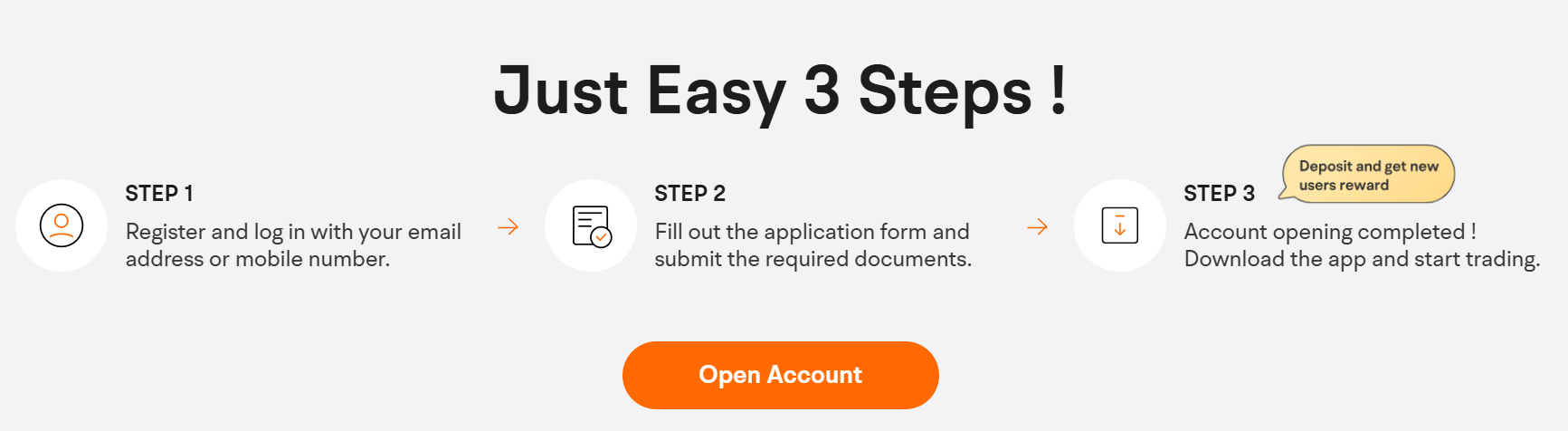
Step 1: Choose Your ETF
Method 1: Enter the ETF's name or keywords into the search bar.
Method 2: Go to "Markets" and then select "ETFs".
Step 2: Obtain Detailed Information
Open the detailed quotes page for the ETF you have chosen.
Explore additional information in the "Fund" section.
Step 3: Place Your Order
Tap on "Trade", enter your order details, then click "Buy" and confirm your order.
Moomoo SG offers a generous reward for new users. Don't miss out!
Click this link to get the latest welcome promotion on moomoo!
Click this link to get the latest welcome promotion on moomoo!
Discover the Best ETFs in Singapore
Investing in Exchange Traded Funds (ETFs) has gained significant traction in Singapore stock market, owing to their numerous advantages such as diversification, cost-efficiency, and trading flexibility. As we venture into the new era, the ETF landscape in Singapore is richer than ever, catering to a wide array of investment preferences and risk profiles.
Types of ETFs in Singapore
Bond ETFs
In the current market environment, bond ETFs have emerged as a popular choice for investors seeking stable income streams. These ETFs invest in a diversified portfolio of bonds, offering exposure to various sectors and maturities. With their predictable returns and relatively lower risk, bond ETFs can serve as a valuable addition to any investment portfolio, particularly for those prioritizing capital preservation and income generation.
Thematic ETFs
Thematic ETFs have gained popularity in recent years, offering investors the opportunity to capitalize on specific trends or themes such as technology, sustainable energy, and healthcare. These ETFs invest in a basket of companies that align with the chosen theme, providing targeted exposure to high-growth sectors. With their innovative approach and potential for outsized returns, thematic ETFs can be an exciting addition to a forward-thinking investment portfolio.

(Note: The above examples are not exhaustive and are meant to illustrate the diversity of ETF options available in Singapore. Each ETF category has its own set of risks and rewards, and investors should conduct thorough research before making any investment decisions.)
As you navigate the world of ETFs in Singapore, it's crucial to keep your investment goals and risk tolerance in mind. ETFs offer a convenient and accessible way to invest in a wide range of assets, but it's essential to understand their unique characteristics and potential risks. By doing so, you can make informed decisions that align with your financial objectives and help you achieve long-term success in the investment world.
How to Choose the Best ETFs in Singapore?
Selecting the best ETFs for investment in Singapore involves a strategic approach that aligns with your investment goals and risk tolerance. Start by identifying the asset classes you want to target, such as equities, bonds, or commodities. Additionally, consider the minimum investment required for each ETF, as this can vary significantly between different funds.
Next, consider the geographical focus and sector you are interested in, as ETFs offer exposure to various regions and industries. Evaluate the ETF's historical performance and compare it with the benchmark index it tracks. Look for ETFs with lower expense ratios, as fees can significantly erode returns over time.
Check the liquidity of the ETF by reviewing its trading volume to ensure you can easily buy and sell shares. Finally, consider the fund family's reputation and the ETF's management team. By conducting thorough research and considering these factors, you can make informed decisions and choose ETFs that are best suited for your portfolio.
While the steps mentioned above may seem time-consuming, they are crucial for a sound investment strategy. Understanding and analyzing your options can have a significant impact on your investment success.
Strategies for Investing in ETFs in Singapore
Long-Term Investment Strategies
ETF Moving Average Strategy: The ETF moving average strategy is a technical analysis method that uses moving averages to generate buy or sell signals. For instance, investors in Singapore might consider the SPDR® Straits Times Index ETF, which tracks the performance of the Straits Times Index, a benchmark index representing the top-listed companies on the Singapore Exchange. By monitoring the ETF’s price in relation to its 60-day or 120-day moving average, investors can make informed decisions on when to enter or exit positions, aiming to capture medium-term trends. Long-term investing requires a significant financial commitment, as it involves setting aside disposable income for future financial goals such as retirement or education.
ETF Dollar-Cost Averaging (DCA): Dollar-cost averaging is a time-tested strategy for long-term investors looking to mitigate the impact of market volatility. By investing a fixed amount in an ETF at regular intervals, such as the Nikko AM Singapore STI ETF, which seeks to replicate the performance of the Straits Times Index, investors can spread out their investment over time, reducing the risk of making a large purchase at a market peak.
Core-Satellite Strategy: The core-satellite approach allows investors to diversify their portfolio by allocating the majority of their assets to a core ETF for stability and a smaller portion to satellite ETFs for growth opportunities. For example, a core holding could be the Nikko AM SGD Investment Grd Corp Bd ETF, which provides exposure to a broad range of investment-grade corporate bonds in Singapore, while satellites could include the Lion-OCBC Securities Hang Seng TECH ETF, focusing on the technology sector's growth potential in the Hang Seng Index.
Short-Term Trading Strategies
Market Timing: Short-term investors in ETFs in Singapore need to be alert to the constantly shifting market sentiments, which can be influenced by a variety of factors including economic data releases, policy changes, and global events. By staying informed and reacting promptly to these developments, investors can capitalize on short-term market movements in their ETF investment. For instance, the SPDR Gold Shares may see increased demand during times of economic uncertainty, providing a chance for short-term gains.
Technical Analysis: Utilizing technical indicators such as the Relative Strength Index (RSI) and the Moving Average Convergence Divergence (MACD), investors can identify trends and potential reversals in the short term. These tools can provide entry and exit points for trades based on historical price action and volatility, enhancing the strategic approach to ETF in Singapore.
Event-Driven Trading: Investors also focus on company earnings reports, policy announcements, and other events that can have a near-term impact on ETF prices in Singapore. The release of quarterly results for companies within the Nikko AM Singapore STI ETF's portfolio can lead to sharp price reactions, offering opportunities for quick trades based on the market's reaction to the news in Singapore.
Diversification Strategies for Investment Portfolios
Asset Class Diversification: Investors can allocate their assets across different investment portfolios, including equities, fixed income, commodities, and real estate. This strategy allows for the spreading of risk by investing in various asset types, which may respond differently to market conditions.
Geographic Diversification: Investors can mitigate risks associated with investments concentrated in a single region or country by choosing ETFs that provide exposure to different parts of the world. This approach helps in spreading geographic risk and gaining access to a broader range of economic opportunities.
Sector Rotation: This strategy involves allocating to sectors that are expected to perform well based on economic cycles or market trends. It allows investors to shift their investments to areas of the market that are currently experiencing growth or are anticipated to grow in the future.
Risks and Considerations: ETFs in Singapore
When investing in ETFs, Singaporean investors should consider multiple risks and factors in their investment decisions, and regularly review and adjust their portfolios to adapt to changing market and economic conditions.
For investors with a conservative risk profile, Singapore Savings Bonds offer a safe and flexible investment option, providing a stable return with minimal risk.
Financial institutions in Singapore are required to assess the investment knowledge and experience of investors before selling specified investment products.
Market Risks
The value of ETFs is inherently tied to the performance of the assets or indices they track, making them susceptible to market fluctuations. Investors should be aware of the potential for significant volatility, especially in sector- or region-specific ETFs where localized events can lead to sharp price movements. Additionally, interest rate changes can significantly impact bond ETFs, while currency fluctuations can affect the performance of international ETFs when converted back to SGD.
Regulatory Considerations
The regulatory landscape is crucial for ETF investment. Investors should stay informed about guidelines and regulatory changes set by the Monetary Authority of Singapore (MAS), as these can influence ETF operations, compliance, and trading mechanisms. Financial institutions in Singapore are required to assess the investment knowledge and experience of investors before selling specified investment products. While regulatory transparency and standards protect investor interests, they may also introduce additional compliance costs.
Economic Factors
Economic factors broadly affect ETF performance. Inflation can erode the real returns of fixed-income ETFs, while economic growth rates influence equity ETF performance. For international ETFs, currency exchange rate fluctuations are a key consideration, as they can impact the value of returns when converted to SGD.
Conclusion
In conclusion, the selection of the top 20 ETFs for investment in Singapore provides a diverse and strategic approach to portfolio diversification. These ETFs, tailored to various investment goals and risk profiles, underscore the potential for both local and international exposure within the Singaporean market.
By carefully considering these options, investors can make informed decisions and capitalize on the efficiency and flexibility that ETFs offer in the dynamic world of finance. of the opportunities presented by the ETF market in Singapore, while also mitigating potential risks.
This presentation is for informational and educational use only and is not a recommendation or endorsement of any particular investment or investment strategy. Investment information provided in this content is general in nature, strictly for illustrative purposes, and may not be appropriate for all investors. Read more