Crypto Trading vs Stock Trading: Which is Better for SG Investors?
In today's volatile financial market, crypto trading and stock trading have become the center of attention for investors in Singapore. Stocks, a time-honored financial market activity known for its stability and sophisticated market mechanism, are the choice of many investors for long-term appreciation and dividend income. Crypto, on the other hand, as an emerging digital asset, has attracted a lot of attention for its decentralized nature, high volatility, and 24/7 trading flexibility. Both investment options have their own merits, but which one to choose depends not only on an investor's risk appetite and market understanding, but also involves a grasp of current financial trends. In this article, we will look closer at the characteristics, risks, and opportunities of these two types of trading to help Singapore investors make an informed choice.

What is Crypto Trading?
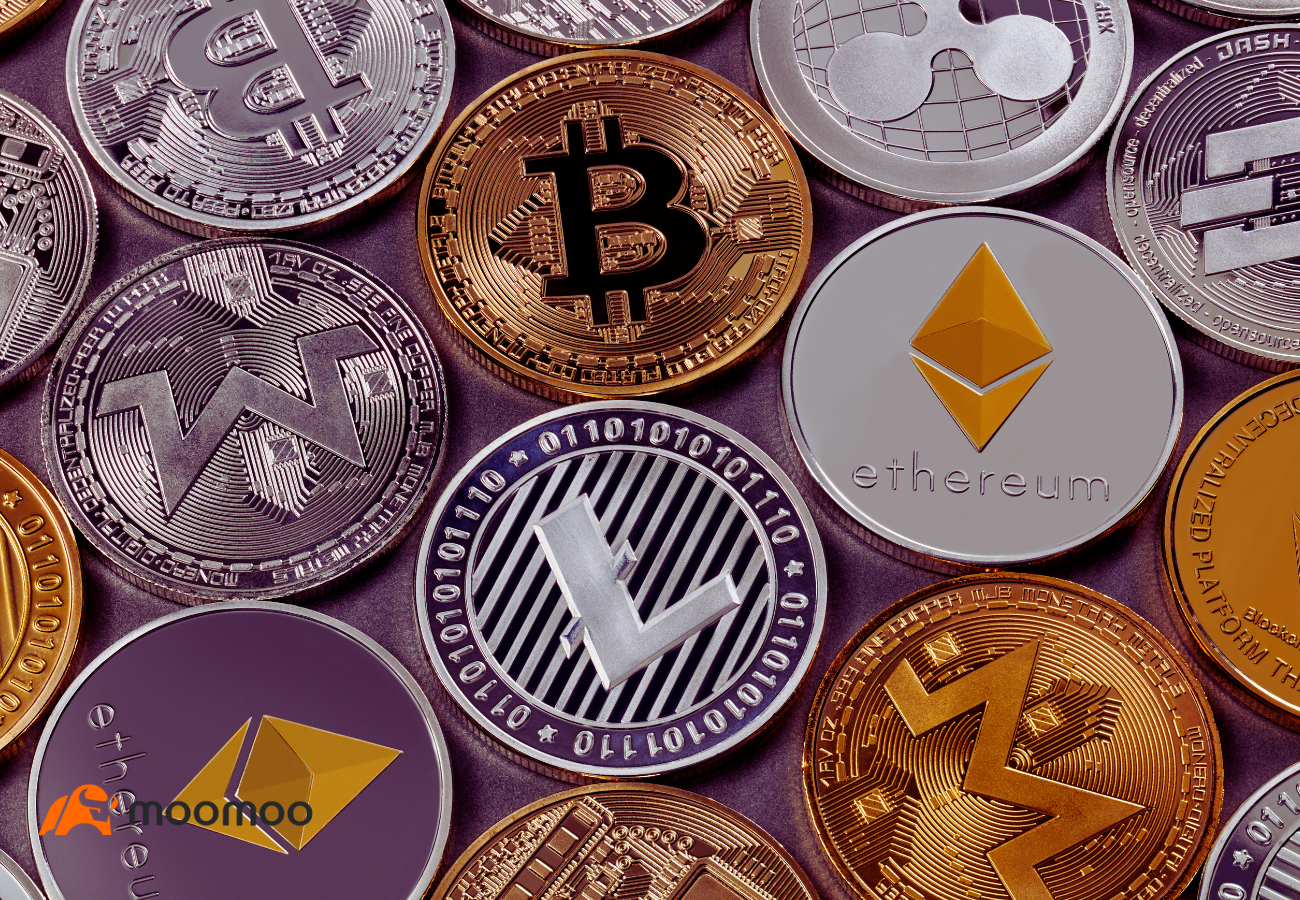
Crypto trading refers to the act of buying and selling digital assets in the crypto market with the aim of earning profits from market fluctuations. This type of trading encompasses a variety of strategies, including intraday trading, futures trading, high-frequency trading, average cost trading, and swing trading. One of the features of crypto trading is its decentralization, meaning that it does not require traditional financial institutions to act as intermediaries, and transactions can be conducted peer-to-peer directly between network users.
Unlike traditional currencies, digital currencies do not rely on a central issuing or regulating body, but instead utilize blockchain technology - a distributed ledger technology - to record all transactions and ensure their security and transparency. Additionally, crypto trading is open 24 hours a day and is global, allowing investors to trade anytime, anywhere. However, crypto trading comes with risks, including high market volatility, uncertainty in the regulatory environment and possible security issues. Therefore, before trading crypto, investors should understand the relevant knowledge, assess their risk tolerance and formulate a reasonable investment strategy.
What is Stock Trading?

Stock trading is the buying and selling of company shares, which represent a percentage of ownership of the company, by investors in the stock market. The stock market is a complex financial ecosystem that includes various exchanges and over-the-counter markets. In this market, investors can share in the growth and profits of a company by purchasing shares, while at the same time taking on the risks associated with poor company performance or market volatility. Stocks are usually traded during fixed trading hours at prices determined by market supply and demand, and are matched and transacted in real time through electronic trading platforms. These transactions are governed by strict rules and regulations to ensure fairness and transparency.
Stock trading allows investors to utilize different strategies to achieve their investment goals, including long-term holding in anticipation of capital appreciation or short-term trading to take advantage of market volatility. Dividend stocks are particularly appealing to investors as they provide a portion of the company's profits through dividends. However, stock trading comes with certain costs and risks, including transaction costs, taxes and possible loss of capital due to market volatility. Therefore, before entering the stock market, investors should conduct adequate market research, understand the company's fundamentals, assess their risk tolerance, and formulate an appropriate investment strategy.
Crypto Trading vs Stock Trading: Key Differences
Cryptocurrency trading and stock trading are two different types of financial trading activities that differ significantly in several ways:
Feature/Type | Crypto Trading | Stock Trading |
Centralized/Decentralized | Decentralized, based on blockchain technology with no single regulator or central storage location | Centralized, takes place on exchanges like the SGX |
Market Opening Hours | Open 24 hours a day, all year round | Fixed trading hours, e.g., the Singapore Exchange(SGX) 9:00~12:00am 13:00~17:00pm SGT |
Trading Objects | Digital assets, such as Bitcoin, Ether, perpetual contract, cyptocurrency pairs, etc. | Shares of a company, representing part of the company's ownership |
Volatility | High volatility, prices can fluctuate greatly in a short period of time | Low volatility, especially for blue-chip stocks with large market capitalization and liquidity |
Risks and Rewards | Offers higher potential returns but comes with higher risk | Generally seen as more stable, though it can also face losses during market volatility |
Investment Strategy | Investors may prefer short-term trading and high-risk strategies | Investors may prefer long-term holding and value investing strategies |
Information Disclosure | Crypto do not provide information on a company's operations or financial conditions | Public companies are required to regularly disclose financial reports and significant business information |
Regulatory Environment | Relatively immature, with significant differences in regulatory policies across countries | Strictly regulated with clear regulations and agencies like the MAS |
When choosing between crypto trading or stock trading, investors should make a decision based on their risk appetite, investment objectives and market knowledge.
Pros and Cons of Crypto Trading
The pros and cons of cryptocurrency trading can be analyzed from several perspectives:
Pros | Cons |
Decentralization: Cryptocurrencies operate independently of centralized institutions or governments, offering enhanced security and reduced susceptibility to regulatory pressures. | Policy Risks: Subject to varying policy and regulatory restrictions which can affect adoption and use. |
Anonymity: The anonymity of crypto transactions allows participants to conduct business without revealing their identities, which enhances user privacy and provides a good layer of protection against the leakage of personal information by improving financial privacy security. | Security Issues: Security breaches (such as the loss of a digital wallet's private key) can lead to permanent loss of assets, and the anonymity of crypto poses a risk as it may facilitate illegal activities such as money laundering. |
Global Availability: Not confined by national borders, allowing for worldwide use. | Lower Market Maturity: The crypto trading market is relatively new, with a short period of development and a relatively low level of market maturity |
Investment Opportunities: Potential for higher returns due to market volatility. | Volatility: Significant price fluctuations pose substantial risks to investors. |
Leverage: Cryptocurrencies use highly leveraged trades to magnify returns and participate in larger trades with smaller initial investments for more efficient use of capital | Greater Risks: Overusing leverage not only increases the cost of borrowing but also magnifies the risk. Market fluctuations can cause huge losses and may also trigger the mandatory closure of positions. |
Investors should weigh these pros and cons when considering crypto trading and make decisions based on their risk tolerance and investment objectives.
Pros and Cons of Stock Trading
Stock trading, as a traditional form of investment, has an equal set of pros and cons:
Pros | Cons |
Market Maturity and Regulation: Benefit from a mature market with strict regulatory oversight, such as the SEC in the U.S. | Market Volatility: Subject to economic factors and unpredictable events that can cause price fluctuations. |
Information Transparency: Access to public disclosures of financial reports and important business information. | Need for Specialized Knowledge: Requires understanding of market dynamics, company finances, and economic trends. |
Risk Diversification: Ability to build a diversified portfolio to spread risk. | Transaction Costs: May involve brokerage commissions, transaction fees, and stamp duty. |
Potential Dividend Income: Receive company dividends, offering a steady income stream. | Limited Trading Hours: Fixed trading hours unlike the continuous operation of cryptocurrency markets. |
Liquidity: High liquidity for shares of large companies, allowing for easier buying and selling. | Investment Risks: Risk of stock value depreciation or total loss in the event of company bankruptcy. |
4 Factors to Consider When Choosing Between Crypto and Stock
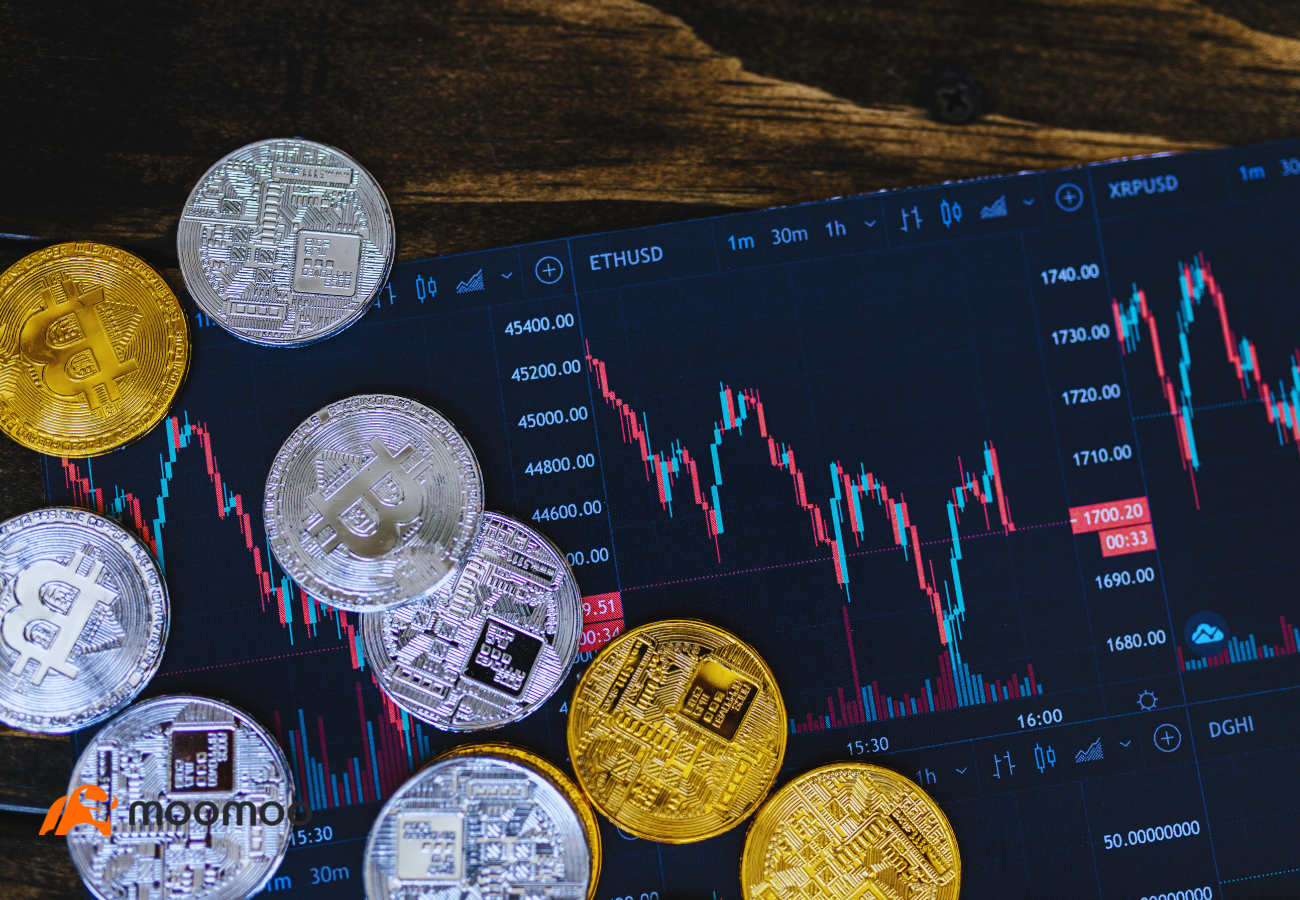
When choosing whether to trade cryptos or stocks, investors should consider the following factors: Institutional investors are hesitant to enter the crypto market due to the lack of proper regulation and the uncertainties surrounding government taxation and fraud protection.
Investment Objectives: Define the long-term and short-term objectives of the investment. Crypto may be more suitable for investors looking for high risk and high return, while equities may be more suitable for investors looking for steady growth and dividends.
Transaction Costs: Transaction costs are critical when evaluating cryptocurrency and stock investments. Investors need to consider potential fees such as commissions, transaction fees, and withdrawal fees, which directly impact net income and ROI. The cumulative costs of frequent trading and additional fees for different platforms should also not be overlooked. Evaluating these costs wisely can help investors make more sensible investment choices in the cryptocurrency and stock markets.
Risk Tolerance: Investors should assess the level of risk they can take based on their financial situation and investment objectives. As the crypto market is more volatile, it may be more suitable for investors looking for high returns and can withstand extreme price fluctuations. In contrast, the stock market typically offers more stable returns and is suitable for investors who prefer solid growth and lower-risk investment strategies. By accurately assessing risk tolerance, investors can construct portfolios that match their risk appetite, whether they favor crypto's high volatility or equities' stability.
Market Knowledge: Investors need to understand the unique mechanisms, trading rules, and factors affecting price volatility in both the equity and cryptocurrency markets. While the stock market is influenced by macroeconomic data, company earnings reports, and industry trends, the crypto market may be more affected by technological innovations, regulatory policy changes, and market sentiment.
Combining Crypto and Stock Trading: A Balanced Approach

Combining crypto and stock trading to achieve portfolio balance typically involves several strategies:
Asset Allocation: Investors should carefully distribute investments across different asset classes, such as stocks, bonds, and digital currencies, based on the investor’s financial goals, risk appetite, and investment horizon. A well-allocated portfolio can help mitigate risk and enhance returns. For instance, conservative investors might prioritize stocks for their relatively stable dividends and mature market presence, while more adventurous investors could allocate a larger portion to cryptocurrencies to capitalize on their potential for high returns, despite the associated risks.
Risk Management: In the volatile crypto market, setting stop-loss orders can help safeguard investments from severe downturns. Diversification within and across asset classes can also spread risk, reducing the impact of any single underperforming investment.
Market Research: Thorough market research forms the basis of informed investment decisions. Investors should stay abreast of market trends, economic data releases, company-specific news for stocks, technological advancements, regulatory updates, and market sentiment for cryptocurrencies. This ongoing research helps identify emerging opportunities and potential pitfalls, enabling investors to adjust their strategies proactively and make educated decisions.
Long-term Perspective: Adopting a long-term perspective encourages investors to focus on the bigger picture rather than being swayed by the noise of daily market fluctuations. Long-term stock investing can benefit from the compounding effect and the underlying growth of companies and economies. Similarly, a long-term view acknowledges cryptocurrencies' nascent stage and potential for future integration into mainstream finance.
Invest Crypto and Stock with Moomoo SG

Security: Moomoo SG upholds stringent security protocols and robust investor safeguards. It operates under the stringent oversight of the Monetary Authority of Singapore (MAS), adhering to both local regulatory frameworks and global financial benchmarks. The parent entity of Moomoo, Futu Holdings, is publicly traded on the NASDAQ in the United States. It possesses a suite of financial licenses including the Capital Markets Services License, among others. Moomoo will therefore enforce a rigorous policy of segregated asset custody to guarantee the security of its users' funds.
One-stop Platform Investments: Moomoo serves as a comprehensive one-stop platform that simplifies trading in digital currencies and stocks. It supports a wide range of tradable assets, including US stocks, Singapore stocks or crypto trading, and so on, providing users with a convenient way to diversify their portfolio across different markets and asset classes.
High-quality Research Tools Analysis: Moomoo arms investors with a suite of high-quality research tools tailored for both crypto and stock markets. The tools include in-depth Level 2 real-time quotes for stocks, which offer a clearer view of market depth, and various analytical tools that cater to the unique characteristics of cryptocurrency trading. This comprehensive set of resources aids investors in making informed decisions across both asset classes.
Community Exchange: The active community on moomoo is a valuable resource for both crypto and stock investors. It offers a platform for sharing insights, strategies, and market intelligence, fostering a collaborative environment where investors can learn from each other’s experiences. This exchange is instrumental in staying informed about the latest trends and opportunities in both crypto and stock markets.
Conclusion

For Singapore investors, choosing between digital currencies, crypto trading, or stock trading is not an either this or that question but rather a consideration of how to combine the two for optimal investment results. With the growth of financial markets and diversification of investment vehicles, investors can now conveniently manage different types of assets on one platform. Whether you prefer the stability of stocks or the growth potential of cryptocurrencies, understanding each asset class's characteristics and market dynamics is crucial. By taking into account one’s investment objectives, risk appetite, and market trends, an investor can construct a balanced portfolio to generate solid returns with manageable risk. Ultimately, the appropriate investment strategy should be personalized to reflect market opportunities and the investor's circumstances.
This presentation is for informational and educational use only and is not a recommendation or endorsement of any particular investment or investment strategy. Investment information provided in this content is general in nature, strictly for illustrative purposes, and may not be appropriate for all investors. Read more