Short Put Strategy: How to Trade in Malaysia?
Key Takeaways
- Short put is a popular strategy for investors seeking upfront premium income.
- Short puts offer the chance to own stocks at a lower effective cost if assigned.
- Choosing strike, setting expiration, and executing the trade is effortless, with moomoo options tools that keep you at the top of your game.
>> Trade Short Puts Easily with Moomoo Options Trading Tools!
- Short put is a popular strategy for investors seeking upfront premium income.
- Short puts offer the chance to own stocks at a lower effective cost if assigned.
- Choosing strike, setting expiration, and executing the trade is effortless, with moomoo options tools that keep you at the top of your game.
>> Trade Short Puts Easily with Moomoo Options Trading Tools!
What is a Short Put and How it Works?
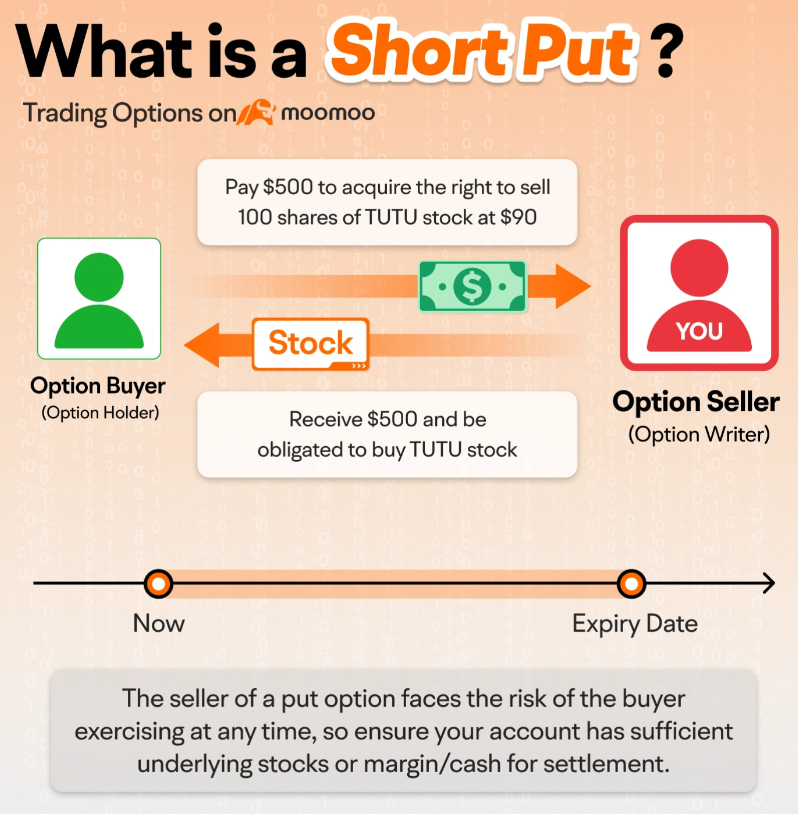
A short put is an options strategy where you sell a put option to another investor. When you sell a put, you collect an upfront payment called a premium. In exchange, you take on the obligation: if the option is exercised, you must buy the stock at the strike price, even if the market price is lower.
The put buyer holds the right (but not the obligation) to sell you the stock before or at expiration. You, as the seller, are on the opposite side — you must be ready to purchase if assigned.
Why Consider Short Puts?
Short puts are a strategic options trading method where you sell put contracts, typically at or below the current market price, to generate income or potentially acquire stock at a lower effective price.
1. Income Generation
You collect the premium at the start. If the stock stays above the strike price until expiration, the option expires worthless and you keep the entire premium as profit.
2. Potential to Buy at a Lower Effective Price
If the stock falls below the strike and you're assigned, you'll buy the stock at that strike price. The premium received reduces your effective purchase cost. This makes short puts useful if you already want to own the stock at a lower price. The investor chooses between these goals—generating income or acquiring stock—based on their market outlook and risk tolerance.
Read More: What Are Options: A Complete Guide for Malaysian Investors
How to Set Up a Short Put in Malaysia?
When picking a stock to sell a put option on, it's important to analyze the underlying stock's fundamentals and price trends, as the underlying stock will directly impact the risk and potential return of your short put strategy.
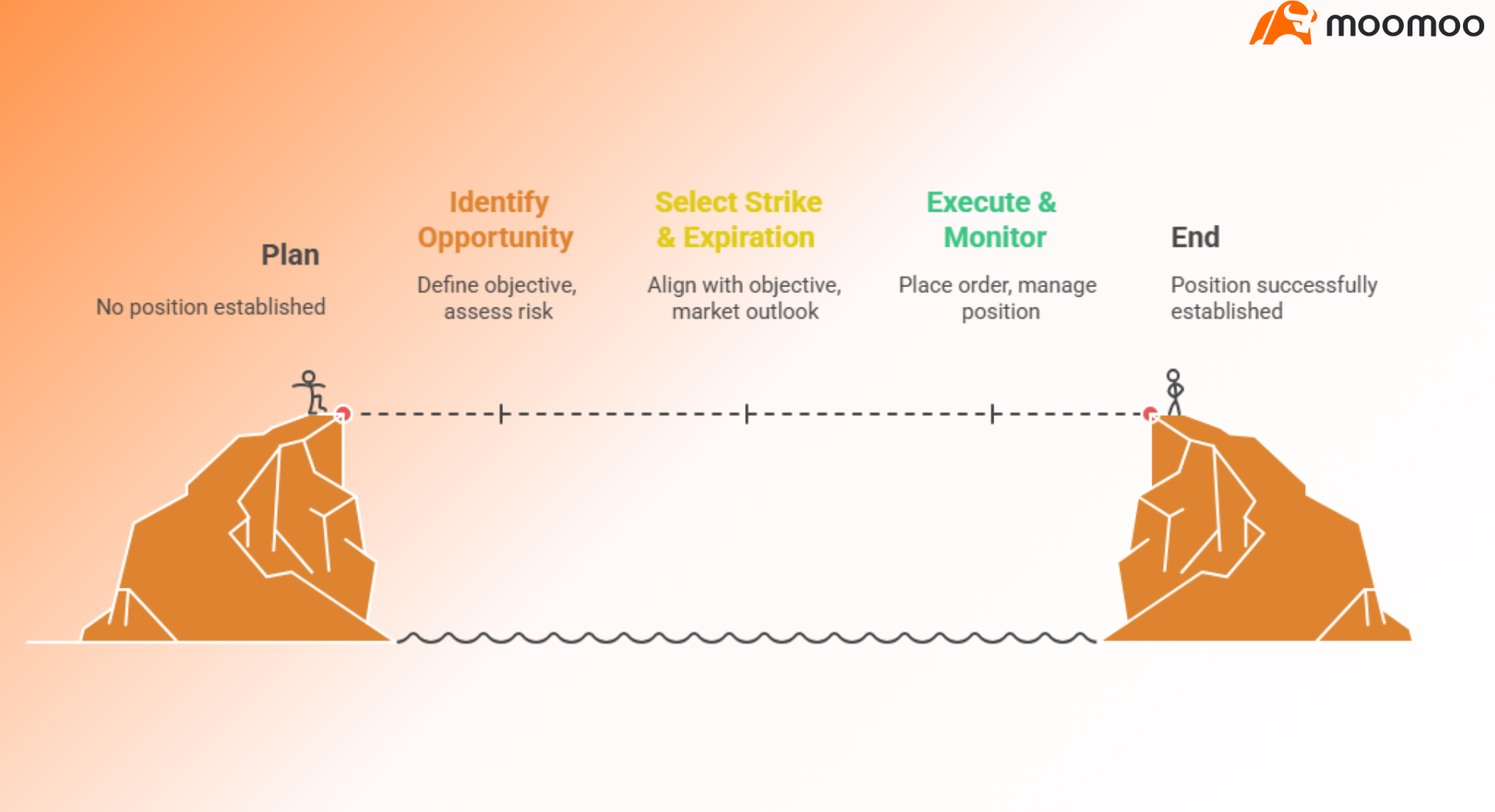
Step 1: Define Your Objective: Choose a Stock
The first step is to define your objective—whether to generate income or acquire stock at a lower price—as this shapes your choice of stock, strike price, and expiration date, aligning with your risk tolerance and market outlook.
Define Your Objective: Choose why you're selling a put—either to earn extra cash (income) or to buy a stock at a discount (stock acquisition). Then, pick a stock that fits your goal.
Income Goal: You expect the stock to stay above the strike, so the option expires worthless and you keep the premium.
Stock Acquisition Goal: You're comfortable owning the stock if it drops to the strike. The premium collected lowers your effective purchase price.
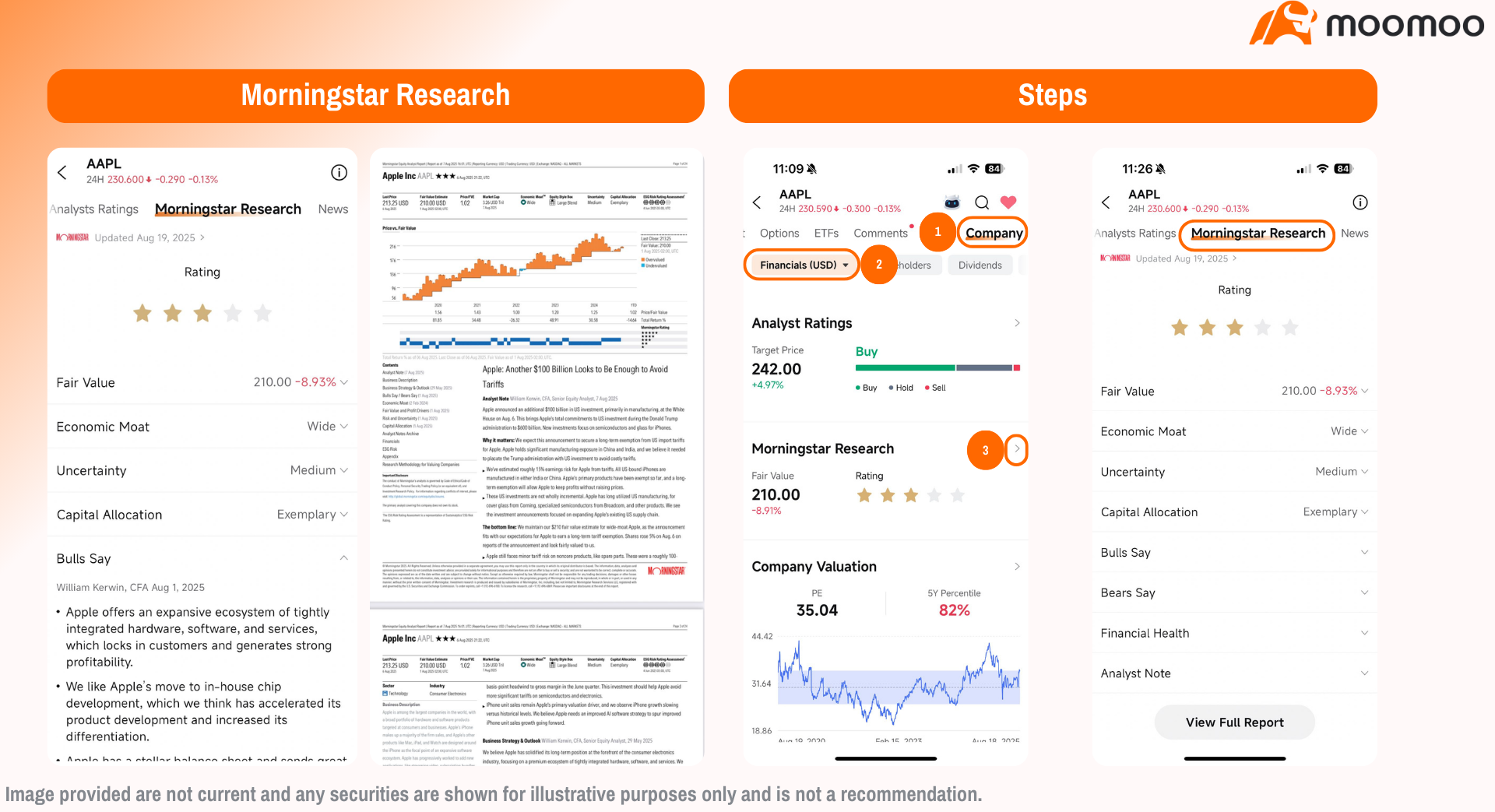
Pick a Stock: Choose a stock you trust. For income, pick one you think will stay steady or rise. For acquisition, choose one you'd love to own long-term. Use moomoo's Financials section to check if the stock is healthy (look at profits, debt or other financial indicators). For example, analyzing a stock like AAPL (Apple Inc.) in the Financials section can reveal its profitability or debt levels. For more help, tap Morningstar Research on moomoo to see expert ratings and whether the stock is a good buy.
>> Morningstar Research: Access Morningstar Research, completely free for all moomoo users!
Tap to view full reports, making it easy to identify stable or undervalued stocks for short puts!
Tap to view full reports, making it easy to identify stable or undervalued stocks for short puts!
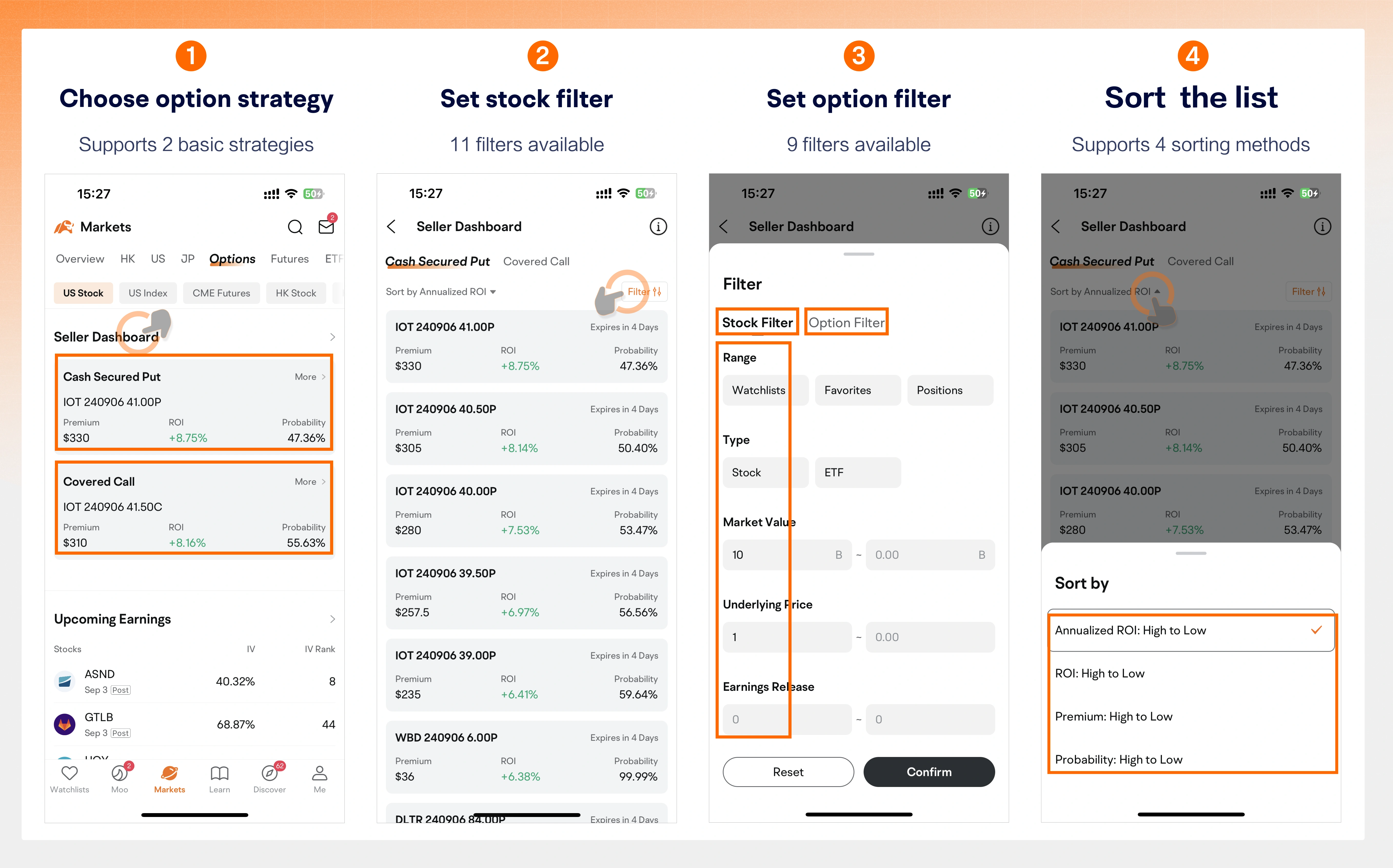
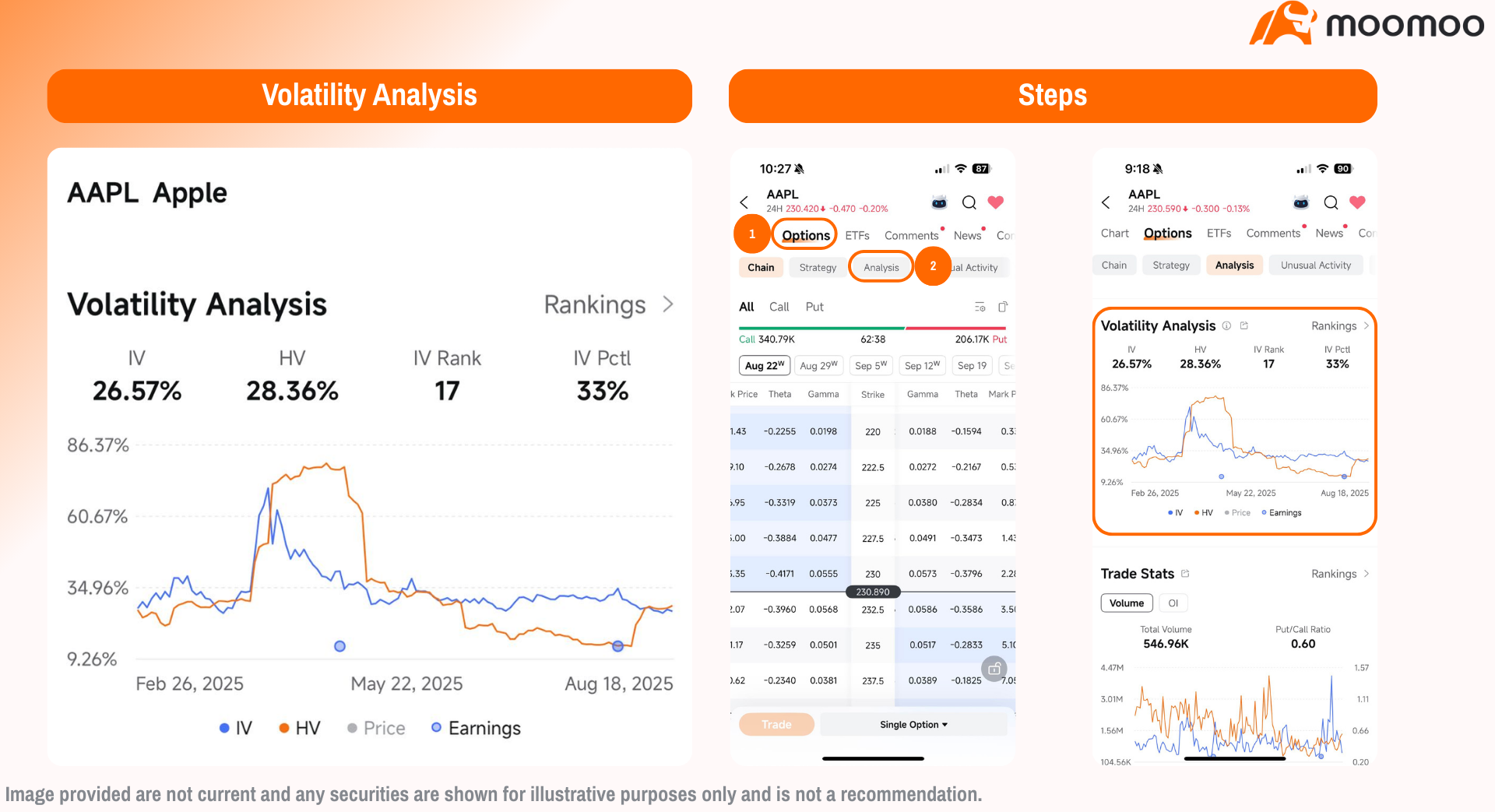
Check Risks and Rewards: Use moomoo's Options Seller Dashboard to find puts with good premiums and low chances of having to buy the stock (look for “OTM probability” to see if the stock will likely stay above the strike). Also, you can check the Volatility Analysis Tool on moomoo to see if the premium is high (bigger rewards), but watch for big price swings (more risk).
>> Streamline with Options Seller Dashboard on moomoo, a game-changer for short put traders. This intuitive tool ranks selling opportunities based on ROI, offering clear visuals of premiums, potential returns, and probabilities.
Step 2: Decide on Strike Price and Expiration Date
The second step is to select the strike price and expiration date for your put, which determines your premium, risk, and whether you're likely to buy the stock. The short put strike is the specific price at which you may be assigned to purchase the stock, making it central to both your risk and reward calculations. These choices depend on your goal—earning income or acquiring the stock—and moomoo's tools help you pick wisely. Pick the price you're willing to buy the stock at (strike) and how long the contract lasts (expiration). These affect how much you earn and your risk.
Core Element | Definition | Strategy Goal: Generate Income | Strategy Goal: Acquire Stock |
Strike Price | Fixed price at which the stock must be bought if assigned. | - Lower strike (further OTM) → smaller premium, lower assignment risk. - Higher strike (closer ATM) → larger premium, but higher chance of assignment. - Choice depends on risk/reward balance. | - Often set at a “target entry price.” - Strike closer to current price → higher chance of assignment sooner. - Lower strike reduces cost basis, but lowers the chance of assignment. |
Expiration Date | The date when the option contract expires. | - Shorter-term puts decay faster (quicker premium capture if stock stays above strike). - Longer-term puts generate more premium but require more capital commitment. | - Longer-term puts give more time for the stock to reach the strike. - Shorter-term expirations can be used if entry is desired quickly, especially with strikes near current stock price. |
How to Choose: Use moomoo's Option Chain to see available strikes and expirations. Look at “theta” (e.g., -0.15 means the put loses $0.15 daily) for income trades to pick faster-decaying puts.
Tips: Use the P/L Curve on moomoo to see possible profits or losses and the chance of buying stock. Avoid expirations during big events (e.g., earnings) unless you're okay with price swings.
Step 3: Sell the Put Option and Monitor the Position
The final step is to sell your put option on Moomoo MY and, if you choose, monitor it to manage your trade based on your goal. You can hold it until expiration or check it periodically to decide if closing early makes sense. Remember, time decay works in your favor on a short put, so as expiration approaches, the value of the option typically decreases, benefiting you as the seller.
What You're Doing: Sell the put on Moomoo MY and decide whether to wait until expiration or actively manage it to lock in profits or limit losses.
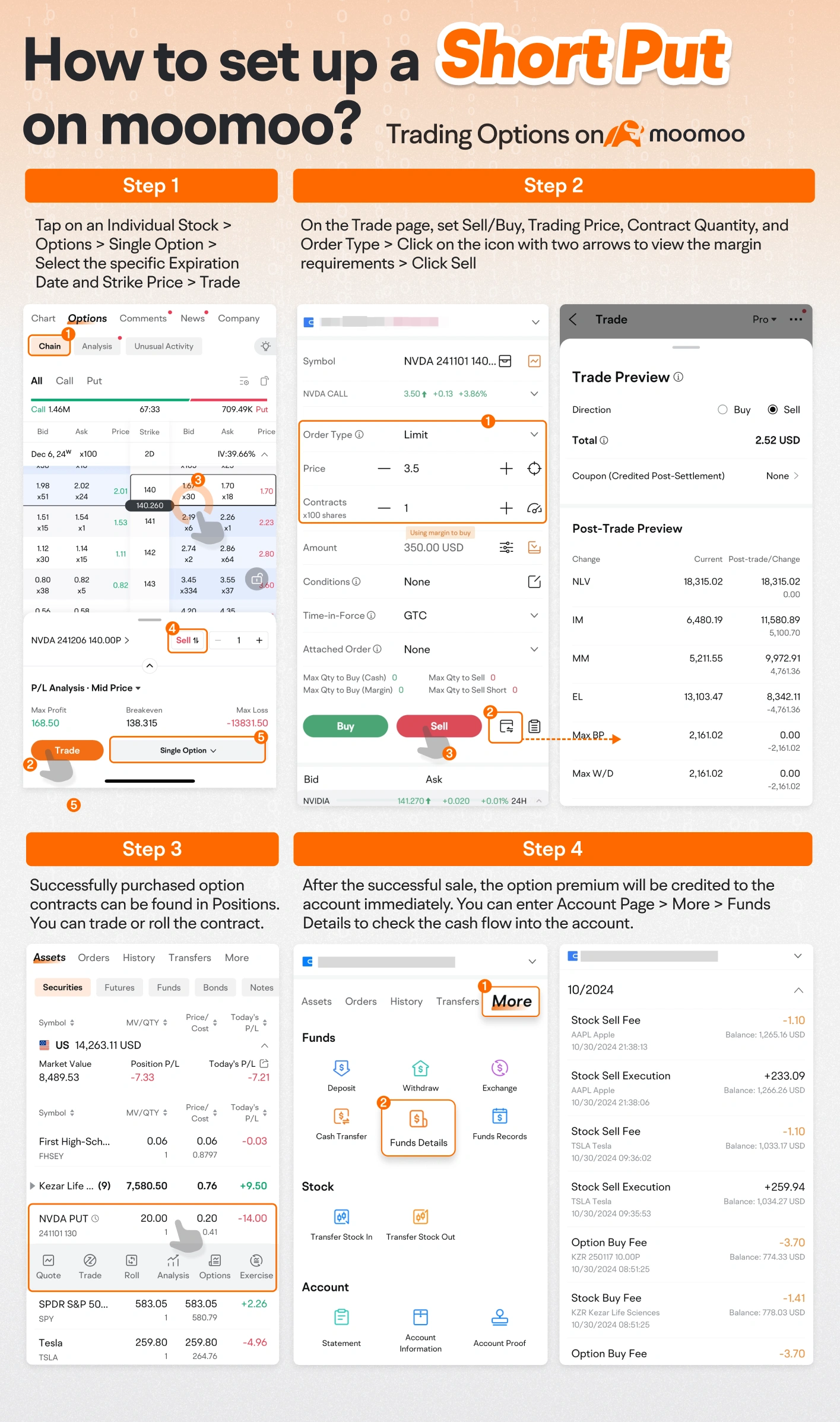
Placing the Trade: On moomoo's Option Chain, tap your chosen put, select “Single Option,” and go to the Trade Page. Choose:
Premium: The price you want to sell the put for (e.g., $2 for $200 total).
Contracts: Each contract covers 100 shares (e.g., 2 contracts = 200 shares).
Order Type: Use “limit” to set your preferred price or “market” for a quick trade. Check if you have enough money in case you need to buy the stock (100 shares × strike price per contract). Tap “Sell” and check the “Positions” tab to see your trade.
Watching the Trade (Optional): You can hold the put until expiration, but monitoring helps you manage risks or lock in gains.
For income, use moomoo's Attached Order Feature to set automatic orders. A “profit-taker” closes the trade if the put's price drops, securing your profit. A “stop-loss” closes if the price rises, limiting losses. Check the stock's price and the Volatility Analysis Tool to decide if closing early is better.
For acquisition, hold until expiration to buy the stock if its price falls below the strike. If the stock's outlook worsens (e.g., poor earnings), close early by buying back the put to avoid unwanted shares.
For both goals, regularly check Financials or Morningstar Research for updates on the stock's health to ensure it still fits your strategy.
Moomoo MY was the first licensed broker for options trading in Malaysia.
Trade US stocks & options on Moomoo MY – enjoy RM0 commission for 30 days + free OPRA quotes!
Trade US stocks & options on Moomoo MY – enjoy RM0 commission for 30 days + free OPRA quotes!

What's the Next Step After a Short Put?
After selling a put, your next steps depend on your goal (income generation or stock acquisition), the stock's market price relative to the strike, and market conditions like implied volatility or time decay. If the underlying moves significantly, your risk and profit potential will change accordingly. In particular, the outcome of your trade will depend on the underlying price at expiration—if the underlying price falls below the strike, the put may be assigned; if it stays above, the put will likely expire worthless.
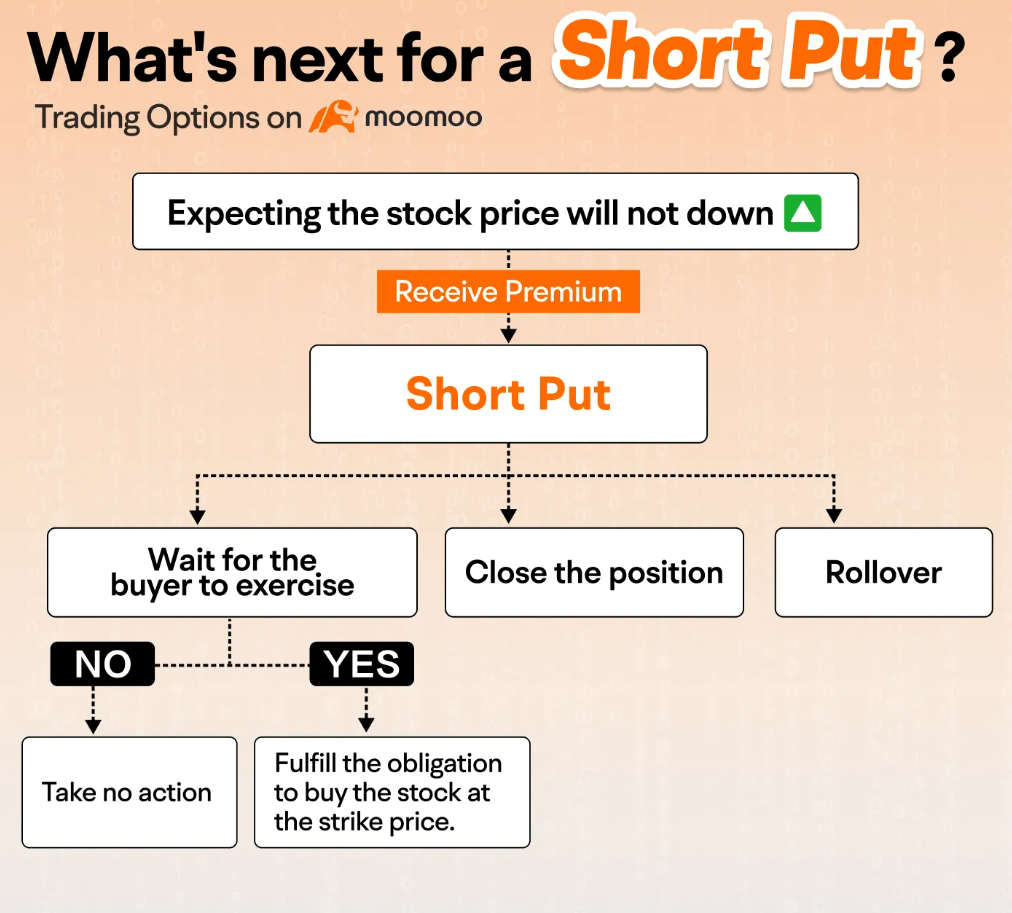
Scenario 1: Income Generation
Let It Expire: If the stock's market price remains above the strike (out-of-the-money) at expiration, the option expires worthless, allowing you to keep the full premium. This is ideal when your bullish or neutral outlook holds, maximizing income without further action.
Close Early: Buy back the put before expiration to lock in profits or limit losses, depending on its current value. If the put's value decreases due to time decay or a stable stock price, closing secures a profit. If the put's value rises due to a stock price drop or increased implied volatility, closing limits losses, which is critical to avoid assignment, especially if buying power is limited.
Roll the Position: If the stock's market price is near the strike but you remain bullish, roll the put by buying back the current put and selling a new put with a lower strike and later expiration. This extends the trade, collects additional premiums, and reduces assignment risk, but increases exposure to market fluctuations.
Scenario 2: Stock Acquisition
Let It Expire: If the stock's market price remains above the strike (out-of-the-money) at expiration, the option expires worthless, allowing you to keep the full premium. Reassess whether to sell a new short put based on stock fundamentals, market outlook, or pursue other strategies.
Accept Assignment: If the stock's market price falls below the strike (in-the-money) at expiration, you buy shares at the strike price, with the premium lowering your effective cost. This aligns with your goal to own the stock at a discount, provided you have sufficient buying power.
Close Early: Buy back the put before expiration if the stock's fundamentals weaken (e.g., declining earnings or rising debt) or if buying power is insufficient, avoiding unwanted assignment. Closing may result in a loss if the put's value has risen due to a stock price drop or volatility spike, or a profit if the put's value has decreased.
Sell a Covered Call: After assignment, sell a call option against the acquired shares to generate additional income. This enhances returns if the stock price remains below the call's strike, allowing you to keep the premium, or results in selling the shares at the call strike if exercised, though it caps upside if the stock surges.
Alternative Strategies to Reduce Risk: Beyond Short Put
We explore an alternative risk-mitigation approach tailored to options investors in this section, such as bull put spread, covered call etc. Bull put spread is designed to help manage downside exposure while allowing for potential income opportunities, offering investors one possible approach to building resilience in their options trading. Covered call emphasizes generating premium income while limiting upside gains. In this section, we focus on introducing the bull put spread.
Bull Put Spread: Defined-Risk Options Strategy
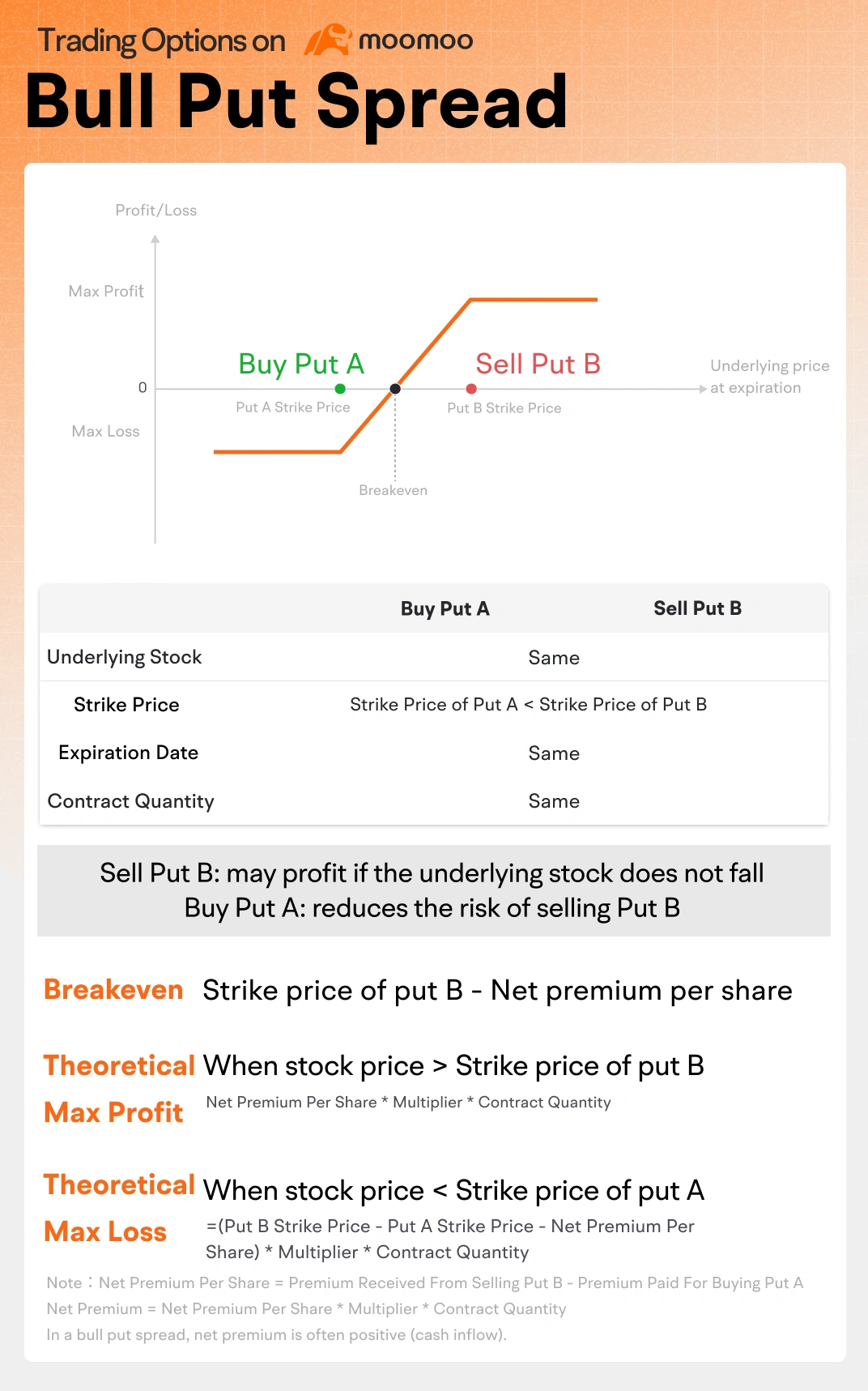
A bull put spread involves selling a put option at a higher strike price and simultaneously buying a put option at a lower strike price with the same expiration date, both for a stock with a market price above both strikes.
Low risk, steady income: You collect money upfront (from selling the first put) and only risk a small amount (the difference between strike prices minus the money you collected).
Good for calm markets: Works well when you think a stock won't crash—no need for big price jumps to make money.
Limited loss: Unlike selling a single put (which can lose a lot if the stock crashes), the "bought put" caps your maximum loss.
Profit scenario: If the stock stays above $50 at expiration, both put expire worthless. You keep the net premium (cash from selling minus cash paid for buying).
Loss scenario: If the stock drops below $45, the bought put limits your loss. Your maximum loss is $50 - $45 = $5 per share, minus the net premium you collected.
Loss scenario: If the stock drops below $45, the bought put limits your loss. Your maximum loss is $50 - $45 = $5 per share, minus the net premium you collected.
Read More: Buy to Open and Buy to Close: A Guide for Options Trading
Risks of Using a Short Put Strategy
While short puts can offer attractive rewards, they also carry significant risks that beginners must understand.
Assignment Risk: If the stock's market price falls below the strike at expiration, you're assigned shares at the strike. For stock acquisition traders with sufficient buying power, this aligns with their goal to own shares at the strike price, reduced by the premium. However, for income-focused traders, assignment can strain capital, especially if buying power is insufficient. To avoid assignment, they may close the position at a higher premium, incurring a loss. Insufficient capital can trigger a margin call or forced liquidation, amplifying losses.
Downside Risk: Losses escalate if the stock's market price plummets, as your obligation to buy persists. For instance, selling a $50 strike put for $2 with the market price falling to $40 results in a loss of ($50 − $40 − $2) × 100 = $800.
Early Closure Risk: Closing a $2 put that rises to $3 due to a price drop or IV spike loses $100.
Margin Requirements: Naked puts require a margin account with demanding collateral. A sharp decline may trigger a margin call. For example, with $5,000 in your account, selling puts obligating $10,000 in purchases could lead to a margin call.

Exploring Options Trading on Moomoo MY
Moomoo MY provides a robust platform for Malaysian traders to execute and manage short put strategies on U.S. stocks, with tools that also support other options strategies.
Competitive Fees: Cost-effective fees for options trading, including short puts, maximize premium retention and minimize costs for entering or exiting positions, benefiting various strategies. For details, you can click here to learn more.
Seamless Trading on Mobile and Desktop: Intuitive mobile and desktop platforms enable seamless execution and monitoring for short puts and other strategies, with real-time access to Option Chain, P/L Curve, and order placement tools, ideal for trading anytime, anywhere.
Advanced Orders: Advanced Orders, including Attached Orders (Stop Loss, Profit-Taker) and Conditional Orders (Stop Limit, Limit-if-Touched, Trailing Stop Limit), enhance trade management for short puts and other strategies.
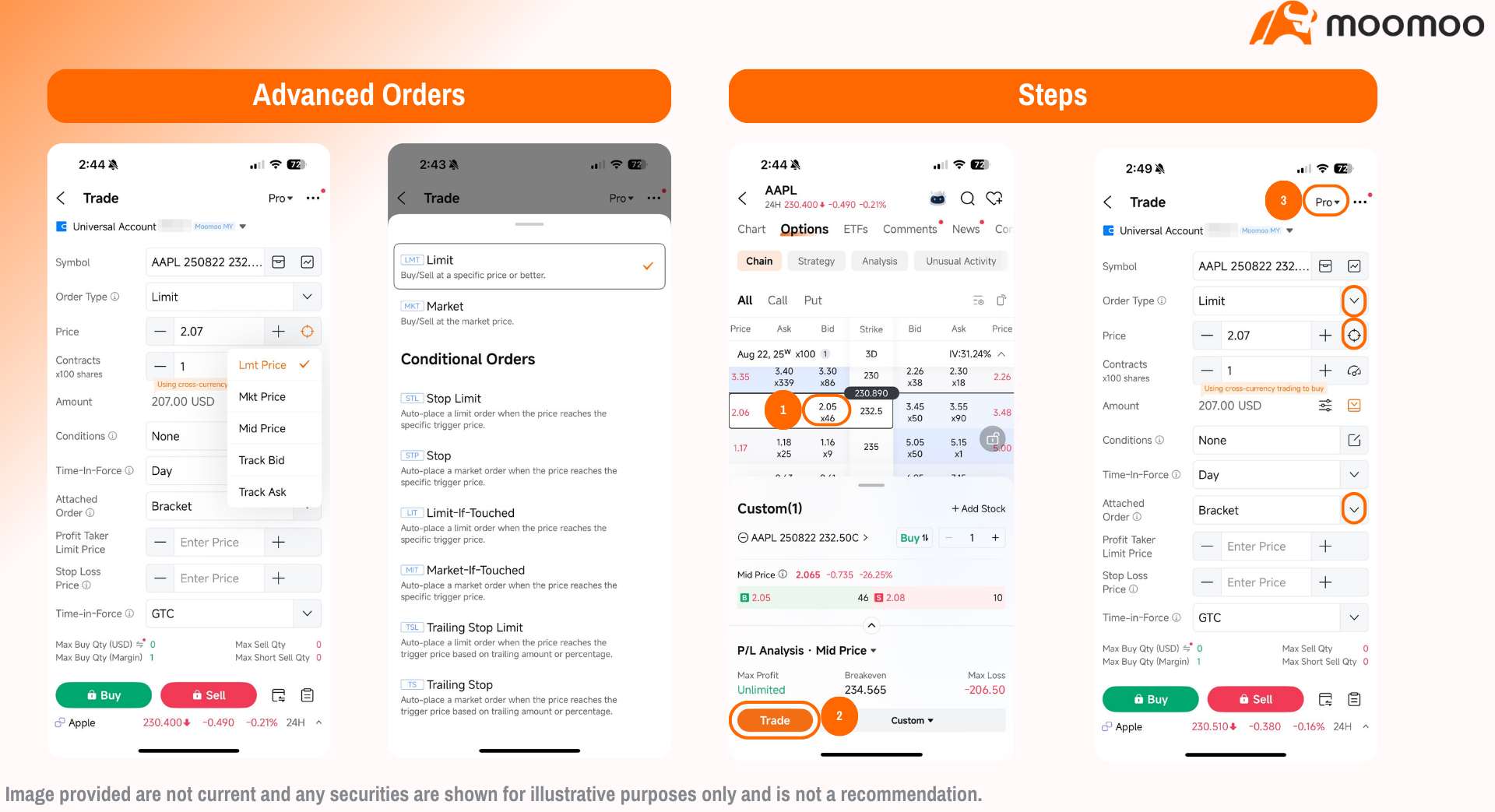
12 Option Strategies with Custom: 12 customizable option strategies, including bull put spreads and covered calls, support short puts and other trades.
Margin Accounts: Short puts require a margin account, since the strategy carries the potential obligation to buy stock if assigned. With Moomoo MY's competitive 6.8% margin rate (compared to around 7.8%+ at other brokerages), the financing cost of margin-based strategies is reduced. Traders engaging in margin trading should still monitor their margin levels carefully, as adverse market moves in short puts or other margin strategies can lead to margin calls.
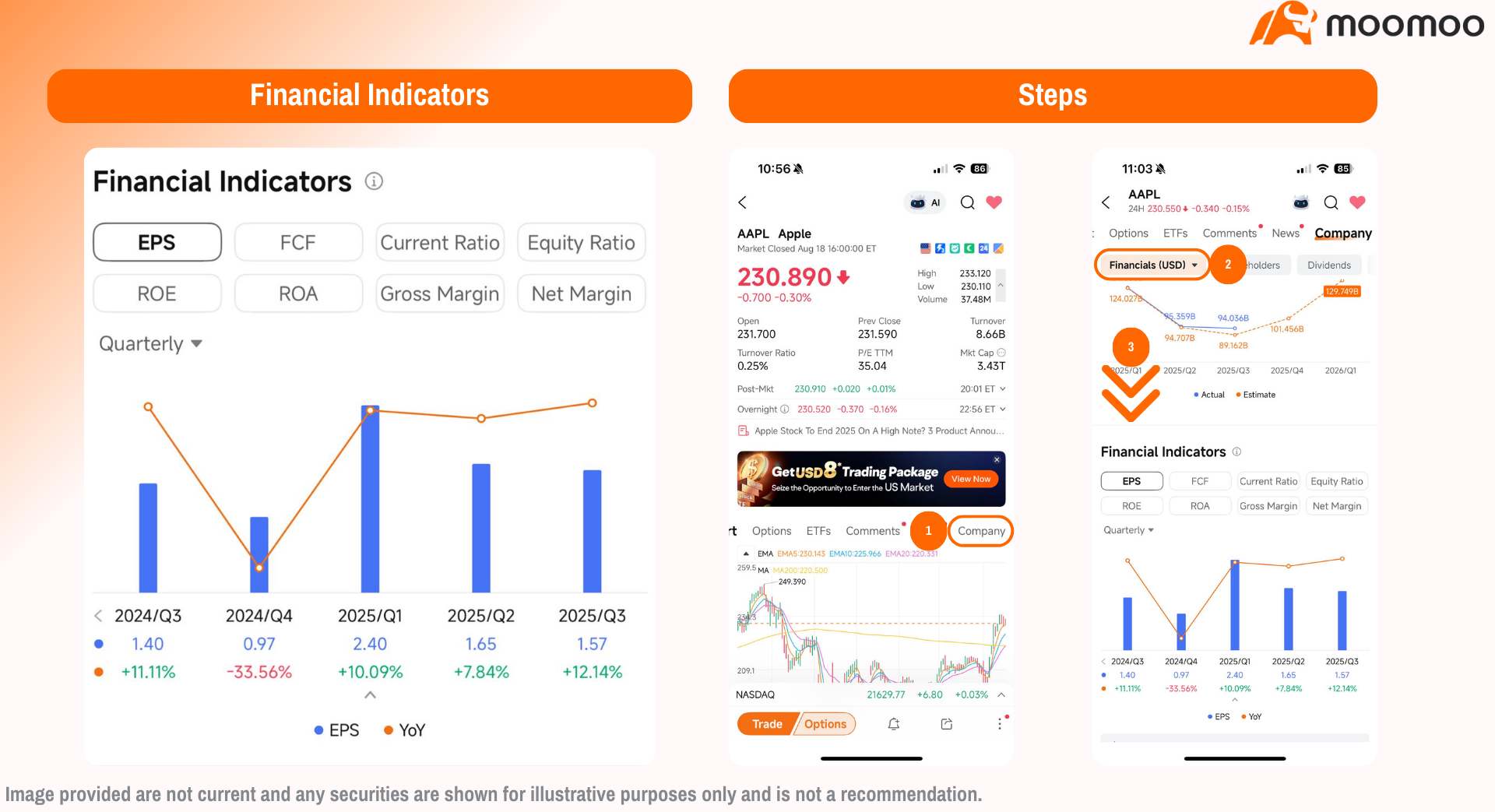
Moomoo's Financials Indicators: Metrics like Return on Assets, Operating Profit, Inventory Turnover, etc., in the Financials section, help assess stock stability and valuation for short puts and other strategies.
Volatility Analysis: The Volatility Analysis Tool evaluates implied volatility (IV), historical volatility, IV Rank, and IV Percentile to identify premium levels and price swing risks for short puts, aiding strike selection and position monitoring for spreads and other strategies.
Morningstar Research: Expert ratings and reports in the Financials section guide stock selection for short puts (stable for income, undervalued for acquisition) and other strategies.
FAQs on Setting Up a Short Put
1. How Time Decay Impact on Short Puts?
Time decay, also known as “theta,” is a key factor that can work in your favor when you use a short put strategy. When you sell a put option, you're hoping that the value of the option will decrease as time passes—allowing you to keep more of the premium received when you opened the trade. This is because a short put is a bullish strategy: you want the price of the underlying asset to stay above the strike price, so the put option expires worthless and you keep the premium as profit.
The value of a put option is made up of two parts: intrinsic value (if the stock price is below the strike price) and time value (the extra value based on how much time is left until expiration). As the expiration date approaches, the time value of the put option steadily erodes. This process is called time decay, and it accelerates in the final weeks before expiration. For a short put holder, this means that every day the stock price remains above the strike price, the option loses value, and your position becomes more profitable.
Here's how time decay impacts a short put option:
If the stock price is above the strike price (out of the money): The put option is out of the money (OTM), and time decay works rapidly in your favor. The closer you get to expiration, the less likely it is that the put will be exercised, so the option's value drops quickly. This allows you to potentially buy back the put at a lower price or let it expire worthless, keeping the premium received.
If the stock price is below the strike price (in the money): The put option is in the money (ITM), and while time decay still reduces the option's value, the effect is less pronounced. The risk of assignment increases, and you may be required to buy the underlying asset at the strike price, which could result in a loss if the stock has dropped significantly.
The role of volatility: Higher volatility increases the value of the put option, which can offset some of the benefits of time decay. If the price of the underlying asset becomes more volatile, the option's premium may stay elevated even as time passes.
Time to expiration: The closer you are to expiration, the faster time decay works. This is why many short put sellers prefer to sell options with 30-45 days until expiration, aiming to capture the sweet spot where time decay accelerates.
2. What is the Difference between a Long Call and a Short Put?
Both strategies reflect a bullish market outlook, but they differ in mechanics, risk-reward, and suitability for traders' objectives. Long Call involves buying a call option by paying a premium. You gain the right, but not the obligation, to purchase the stock at the strike price. This strategy suits a stronger bullish expectation.
Here are key differences:
Comparison Aspects | Short Put | Long Call |
How They Work | Sell a put option to collect premium income. Agree to buy the stock if its price falls below the strike price. Works best in neutral to mildly bullish conditions. | Buy a call option by paying a premium. Gain the right (not the obligation) to purchase the stock at the strike price. Suits a stronger bullish expectation. |
Risk and Reward | Profit is limited to the premium collected. Losses can be significant if the stock declines sharply. May trigger margin requirements. | Loss is limited to the premium paid. Potential profit is theoretically unlimited if the stock rises. |
Best For and When to Use | Suitable for traders seeking income or looking to acquire stocks at a lower effective cost. Best in stable or moderately bullish markets, especially if comfortable holding the stock if assigned. | Suitable for traders aiming to capture strong upward moves with limited downside. Best in markets where significant price appreciation is expected. |
Practical Notes for Investors
Short Put: Aligns with a strategy of earning income while being prepared to own the stock if exercised.
Long Call: More speculative, offering leveraged exposure to price gains without the obligation to buy the stock.
Read More: Short Iron Butterfly: A Malaysian Investor's Guide
3. Is a Short Put Bullish or Bearish?
A short put is bullish to neutral, profiting when the stock's market price stays above the strike (out-of-the-money) at expiration, allowing you to keep the premium. This aligns with income generation or stock acquisition goals, as discussed, but requires careful risk management due to potential losses in a downturn.
4. Why do People Sell Short Puts?
Traders sell short puts to earn premiums for income when the stock's market price stays above the strike or to acquire stocks at a lower effective cost if assigned. Success requires sufficient capital to handle the assignment and a bullish to neutral outlook.
Conclusion
The short put isn't just another options strategy — it's a practical tool for Malaysian traders looking to turn a bullish or neutral view into either steady income or a chance to own quality stocks at a discount. With Moomoo MY, you're not trading blindly — features like the Options Seller Dashboard, Volatility Analysis Tool, and P/L Curve give you the same insights that professionals use, letting you size your trades, control risks, and make decisions with confidence.
That said, success comes from discipline. Always define whether your main goal is income generation or stock acquisition, keep sufficient buying power ready for potential assignment, and use protective alternatives like the bull put spread if you prefer defined risk.
Ultimately, the short put rewards patience and preparation: you collect income when the stock holds steady or climbs, and if assigned, you acquire shares at a cost basis you've already chosen. When combined with the right tools and a clear outlook, it becomes a strategy that works for you rather than against you — giving Malaysian traders a flexible edge in the global options market.
This presentation is for informational and educational use only and is not a recommendation or endorsement of any particular investment or investment strategy. Investment information provided in this content is general in nature, strictly for illustrative purposes, and may not be appropriate for all investors. Read more